
Understanding time zones is fundamental to seamless travel, efficient business operations, and effective communication across the globe. For anyone planning a trip to the vibrant metropolis of New York City or coordinating with individuals based there, grasping its relationship to Greenwich Mean Time (GMT) is crucial. This guide will demystify the time zone of New York, covering its standard and daylight saving variations, and offering practical insights for travelers and professionals alike.
New York’s Time Zone: Eastern Standard Time (EST) and Eastern Daylight Time (EDT)
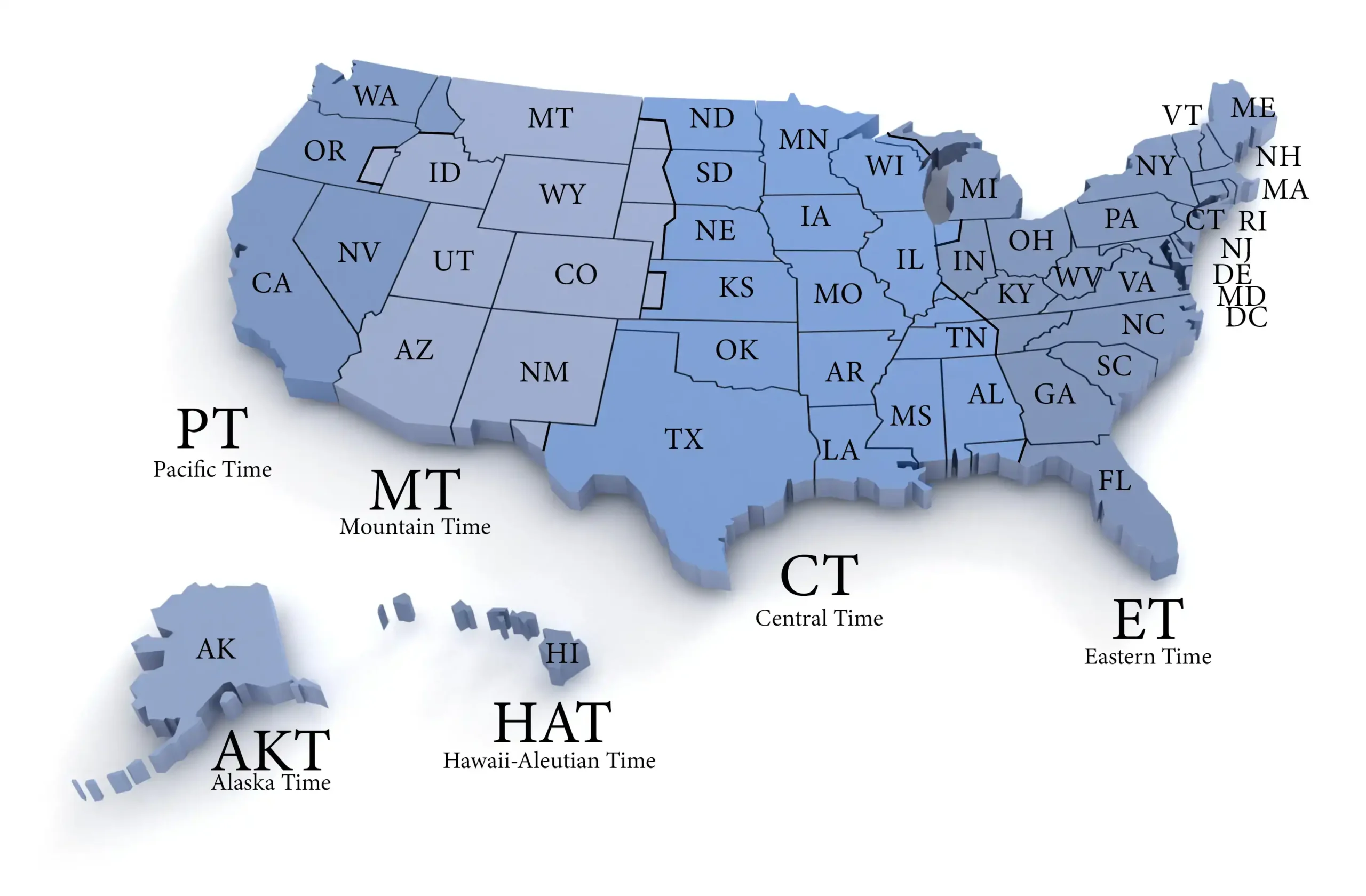
The continental United States is divided into several standard time zones, and New York City falls within the Eastern Time Zone. This zone encompasses a vast swathe of the eastern half of the country, from the Atlantic coast inland.
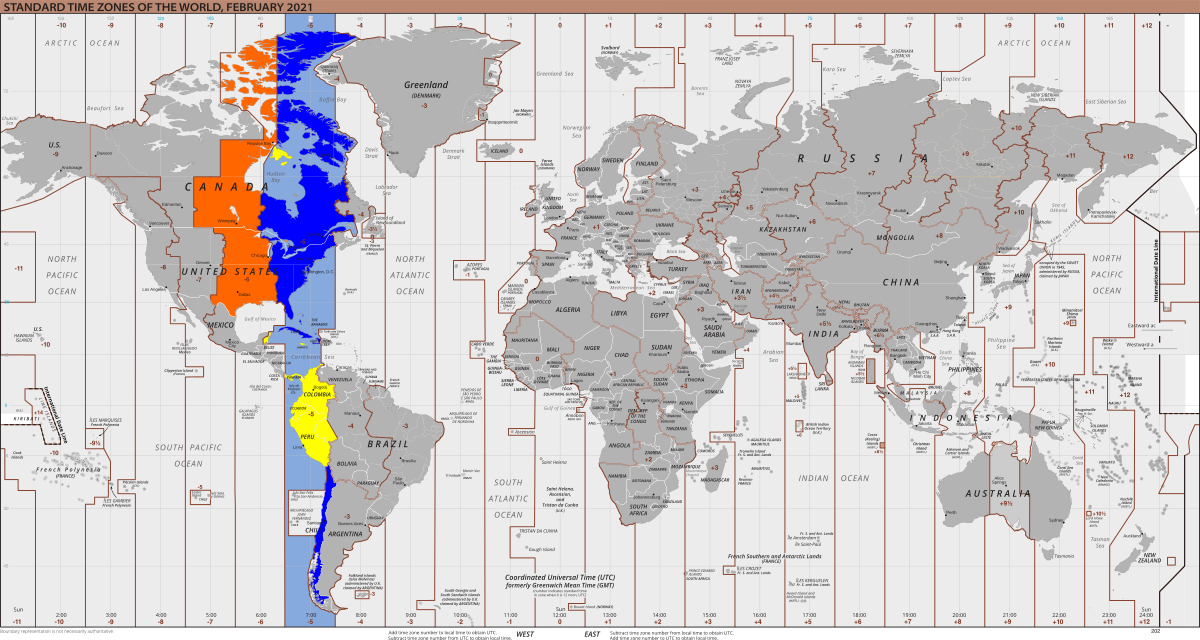
Understanding GMT and UTC
Before delving into New York’s specific time zone, it’s helpful to understand the global reference points. Greenwich Mean Time (GMT) is a time standard that has historically been used as a reference for world times. While GMT is still widely understood, the modern, scientifically precise standard is Coordinated Universal Time (UTC). For most practical purposes, particularly concerning time zone calculations, UTC and GMT are used interchangeably. UTC is based on atomic time, while GMT is based on the Earth’s rotation. The difference between them is negligible for everyday use.
Eastern Standard Time (EST)
During the fall and winter months, New York City observes Eastern Standard Time (EST). EST is defined as UTC-5. This means that when it is noon UTC, it is 7:00 AM in New York City during EST. This period typically runs from the first Sunday in November until the second Sunday in March.
Eastern Daylight Time (EDT)
In the spring and summer months, New York City transitions to Eastern Daylight Time (EDT). EDT is defined as UTC-4. This is a one-hour shift forward from EST. Therefore, when it is noon UTC, it is 8:00 AM in New York City during EDT. This period typically runs from the second Sunday in March until the first Sunday in November.
The implementation of daylight saving time (DST) is a practice adopted by many countries to make better use of daylight. By shifting the clocks forward by one hour during the warmer months, the period of daylight in the evenings is extended.
Navigating Time Differences for Travelers
For travelers planning a visit to New York City, understanding the time difference from your departure location is paramount. This knowledge facilitates seamless itinerary planning, reduces the likelihood of missed connections or appointments, and helps mitigate the effects of jet lag.
Planning Your Arrival and Departure
When booking flights, be sure to note the arrival and departure times in local New York City time. A flight that departs late in the evening from a location in the Pacific Time Zone (UTC-8/UTC-7) might arrive in New York City in the early morning of the next day due to the significant time difference and the eastward direction of travel. Conversely, a flight leaving New York City in the morning might land back home on the same day, even if the flight duration is several hours.
Adjusting to Local Time
Upon arrival in New York City, it is advisable to adjust to the local time as quickly as possible. This involves exposing yourself to natural light during the day and avoiding bright lights at night. Engaging in activities and maintaining regular meal times according to the local schedule can significantly aid in acclimatization. For instance, if you arrive in the morning, try to stay awake and explore the city, perhaps visiting iconic sites like Central Park or walking across the Brooklyn Bridge, until a reasonable local bedtime.
Communicating with Home

When communicating with friends, family, or colleagues back home, always be mindful of the time difference. A quick call or text at an inconvenient hour can be easily avoided with a little forethought. For instance, if you are in New York City during EST (UTC-5) and your contact is in London, which observes GMT/UTC, there is a five-hour difference. If it is 10:00 AM in New York City, it is 3:00 PM in London. During EDT (UTC-4), the difference shrinks to four hours. Always confirm the current time in both locations before making calls or sending urgent messages.
Business and Professional Implications
For professionals conducting business with entities in New York City, precise time zone awareness is non-negotiable. Meetings, conference calls, and project deadlines must be coordinated accurately to avoid miscommunication and ensure operational efficiency.
Scheduling International and Domestic Meetings
When scheduling a conference call with colleagues in New York City, it is essential to specify the time zone for the meeting. Simply stating a time without a zone can lead to confusion, especially when participants are spread across different regions. For instance, a meeting at 9:00 AM EST is significantly different from 9:00 AM PST (Pacific Standard Time). Tools like world time converters or integrated calendar features that automatically adjust for time zones can be invaluable. Many online meeting platforms allow you to set a default time zone or will ask participants to confirm theirs.
Understanding Business Hours
Business hours in New York City generally align with standard business practices, typically from around 9:00 AM to 5:00 PM, Monday through Friday. However, given its status as a global financial hub, with institutions like the New York Stock Exchange operating on specific schedules, there’s a constant buzz of activity that can extend beyond these hours. Be aware of EST/EDT when considering when to send emails or expect responses, particularly when dealing with international counterparts whose business hours may be completely different. For example, sending an email at the end of the New York City workday might mean the recipient in Asia receives it at the beginning of their next business day.
Impact on Global Operations
Companies with operations or clients in New York City must factor in the time zone when managing global supply chains, customer support, and inter-office communications. A support team in California will have a three-hour deficit when trying to coordinate with their New York City counterparts during EST. This necessitates careful shift planning or the implementation of overlapping work hours to ensure continuous coverage and efficient problem-solving. The financial markets, a cornerstone of New York City’s economy, operate on strict schedules tied to the Eastern Time Zone, influencing trading activity worldwide.
Local Customs and Events in New York City
Beyond practicalities, understanding the local time zone can also offer insights into the rhythm of life and the timing of significant events in New York City.
Daily Life and Commutes
The typical workday in New York City means that mornings, especially during EST, are characterized by a rush hour as millions of commuters make their way into Manhattan and other business districts. This rush hour typically spans from 7:00 AM to 9:30 AM. Similarly, the evening commute, from roughly 4:30 PM to 7:00 PM, sees the city’s arteries become congested once more. Being aware of these peak times is crucial for navigating the city efficiently, whether by car, subway, or bus. For example, aiming to visit a popular museum like the Metropolitan Museum of Art outside of these peak commuting hours can lead to a more relaxed experience.
Iconic Events and Their Timing
Many of New York City’s most celebrated events are intrinsically linked to its time zone. The ball drop in Times Square on New Year’s Eve, for instance, occurs precisely at midnight EST/EDT, marking the transition into the new year for the East Coast and being one of the first major global celebrations to occur. Parades, such as the famous Macy’s Thanksgiving Day Parade, are typically scheduled for late morning EST/EDT to maximize daylight viewing and accommodate television broadcasts. Knowing these timings ensures you don’t miss out on these quintessential New York City experiences.
Dining and Entertainment Schedules
The city’s renowned culinary and entertainment scenes also operate on schedules influenced by the Eastern Time Zone. Restaurants often have seatings that cater to early evening diners, with the busiest periods typically from 7:00 PM to 9:00 PM EST/EDT. Broadway shows, a major draw for tourists, generally have evening performances starting at 7:00 PM or 8:00 PM, with matinee performances on Wednesdays, Saturdays, and Sundays often beginning at 2:00 PM. Understanding these schedules helps in making reservations and planning a night out, whether it’s catching a performance at the Gershwin Theatre or enjoying a fine dining experience in the West Village.
In conclusion, New York City operates on Eastern Standard Time (EST, UTC-5) and Eastern Daylight Time (EDT, UTC-4). This understanding is not merely academic; it is a practical necessity for anyone traveling to, doing business with, or simply wishing to comprehend the temporal pulse of this dynamic global city. By being mindful of these time zones, you can navigate New York City with greater ease and enjoyment.
LifeOutOfTheBox is a participant in the Amazon Services LLC Associates Program, an affiliate advertising program designed to provide a means for sites to earn advertising fees by advertising and linking to Amazon.com. Amazon, the Amazon logo, AmazonSupply, and the AmazonSupply logo are trademarks of Amazon.com, Inc. or its affiliates. As an Amazon Associate we earn affiliate commissions from qualifying purchases.