
Alabama, often celebrated for its vibrant history, soulful music, and picturesque landscapes, presents a fascinating tapestry for travelers and residents alike. From the rolling foothills of the Appalachian Mountains in the north to the sun-kissed shores along the Gulf of Mexico in the south, the state boasts remarkable geographical and climatic diversity. For those with a keen interest in gardening, agriculture, or simply appreciating the local flora that defines a destination, understanding Alabama’s plant hardiness zones is key. These zones dictate which plants thrive naturally, influencing everything from the state’s agricultural output to the lush botanical gardens that beckon visitors, and even the landscaping that enhances the ambiance of its many resorts and accommodations.
The concept of plant hardiness zones, established by the U.S. Department of Agriculture (USDA), provides a standardized guide for gardeners and growers. It helps determine which perennial plants are most likely to survive the winter cold in a specific location. For travelers exploring Alabama, an awareness of these zones offers insight into the regional differences in vegetation, local culinary specialties that rely on specific crops, and the unique natural beauty that awaits in various parts of the state. Whether you’re planning a trip to sample the farm-to-table delights of a local eatery, explore historic plantations, or simply enjoy a scenic drive through diverse landscapes, understanding Alabama’s growing zones enriches the entire experience.
Understanding USDA Plant Hardiness Zones
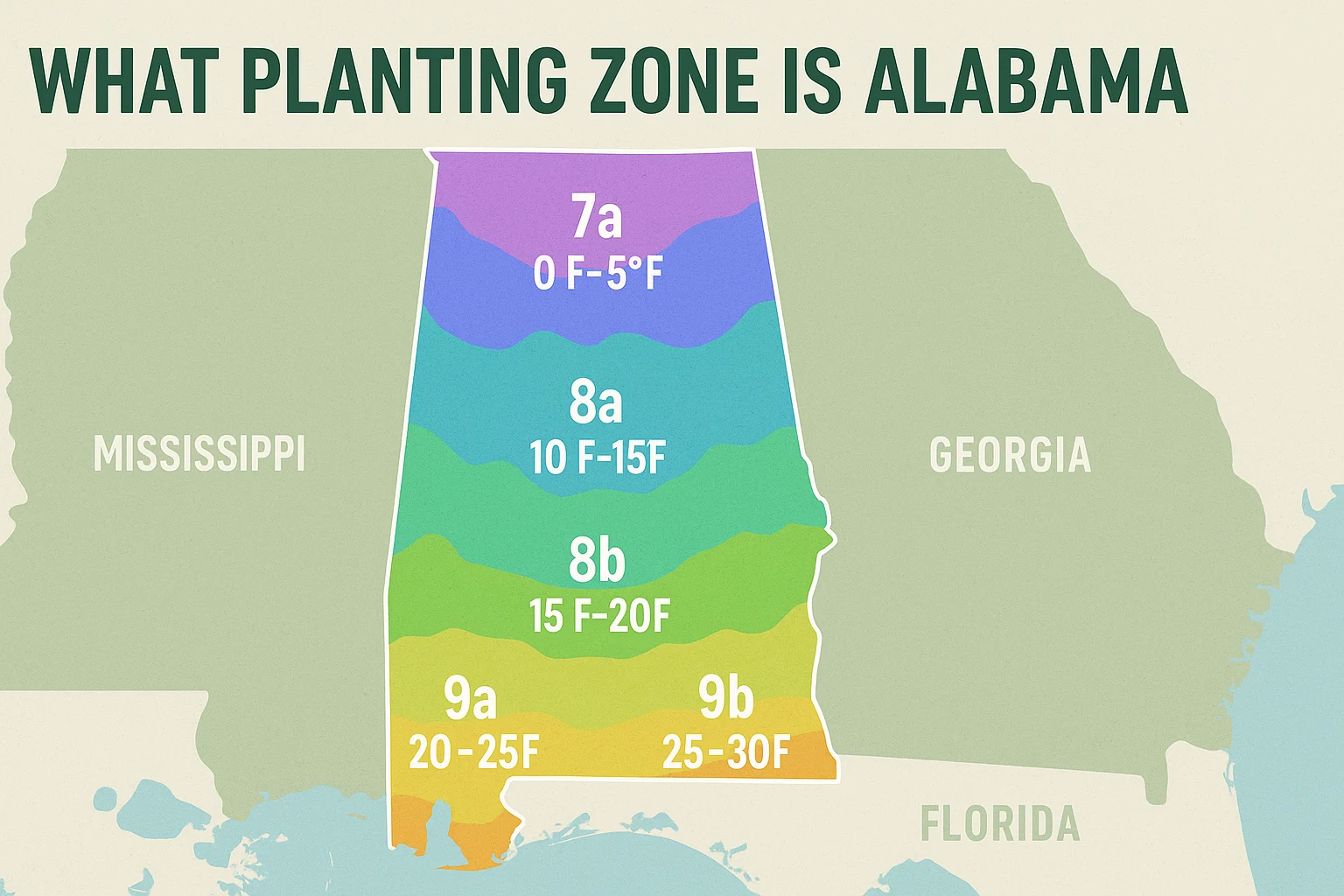
The USDA Plant Hardiness Zone Map is the standard by which gardeners and growers determine which plants are most likely to thrive at a location. This map divides North America into 13 zones based on the average annual extreme minimum winter temperature. Each zone represents a 10°F difference, and each zone is further divided into “a” and “b” subzones, representing a 5°F difference. For instance, Zone 7a has an average annual extreme minimum temperature between 0°F and 5°F, while Zone 7b ranges from 5°F to 10°F. This data is crucial for selecting appropriate plants that can withstand the coldest temperatures of a given winter without succumbing to frost damage.
For Alabama, a state stretching across significant latitudes and featuring varying geographical elements, these zones are not uniform. They shift from the cooler northern regions to the subtropical southern coast, creating a remarkable range of suitable growing conditions. This diversity directly impacts the types of crops cultivated, the indigenous plant species, and even the aesthetic appeal of different destinations within the state. From a tourism perspective, this means that visiting a botanical garden in Huntsville will offer a distinctly different experience and array of plant life compared to one in Mobile, reflecting the underlying climatic differences defined by these zones.
The Science Behind the Zones
The determination of plant hardiness zones is rooted in extensive meteorological data. Scientists analyze decades of temperature records to calculate the average lowest winter temperature for specific areas. This average extreme minimum is a critical factor because it represents the most significant stressor for many perennial plants. While other factors like rainfall, soil type, humidity, and summer temperatures also play a role in plant health, the USDA zones specifically address cold tolerance.
For a state like Alabama, which experiences a significant range in latitude and has distinct geographical features, the science behind these zones becomes even more nuanced. The northern part of the state, influenced by the Appalachian Mountains and more continental weather patterns, naturally experiences colder winters. As one travels south, the moderating influence of the Gulf of Mexico becomes increasingly dominant, leading to milder winters. These geographical influences create distinct microclimates and explain why a single state can encompass multiple hardiness zones, each supporting a unique ecosystem and agricultural profile.
Factors Influencing Alabama’s Zones
Several key geographical and atmospheric factors contribute to the varied hardiness zones found across Alabama:
- Latitude: As one moves from north to south, the average annual temperature generally increases due to greater solar radiation exposure. Alabama’s substantial north-south expanse directly translates to warmer minimum temperatures in its southern reaches.
- Proximity to the Gulf of Mexico: The Gulf of Mexico acts as a massive thermal moderator. Its relatively warm waters release heat during the cooler months, preventing extreme cold fronts from penetrating deeply into the southern coastal regions. This “thermal blanket” effect significantly raises the minimum winter temperatures, particularly along the immediate coast and into the southern interior. This makes destinations like Gulf Shores and Orange Beach ideal for subtropical vegetation, enhancing the tropical resort feel.
- Elevation: While Alabama isn’t known for towering mountain ranges, its northern regions include the southern foothills of the Appalachian Mountains. Higher elevations, such as those found around Cheaha State Park, typically experience cooler temperatures than lower-lying areas, contributing to slightly lower hardiness zones in these specific locales.
- Continental Air Masses: Northern Alabama is more exposed to cold air masses descending from the continental interior of the United States, leading to more frequent and intense freezes compared to the southern parts of the state. This makes it a great spot for autumn foliage tours, while the southern regions retain their greenery longer.
These factors combine to create a diverse range of hardiness zones across Alabama, shaping its natural beauty and influencing agricultural practices and the tourism experiences available.
Alabama’s Diverse Growing Zones
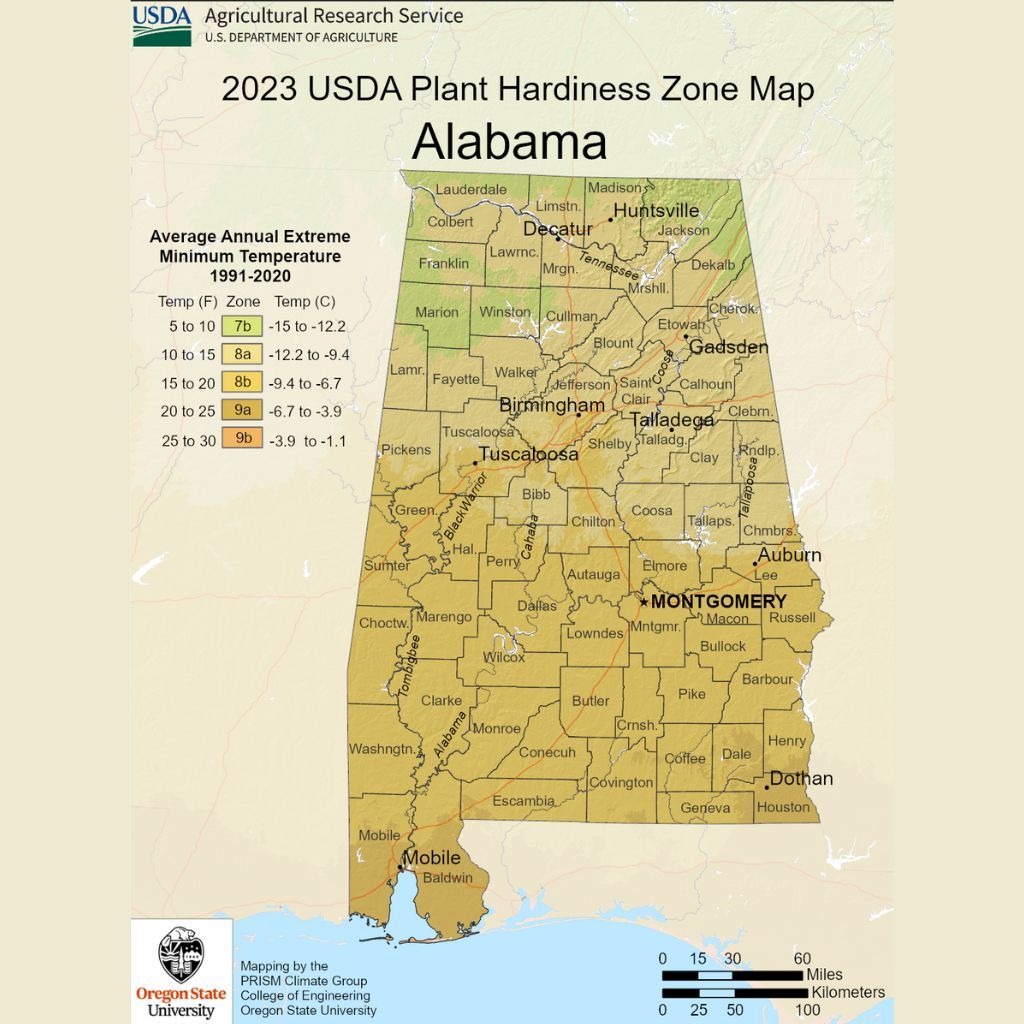
Alabama is a state of remarkable climatic transitions, generally spanning USDA Plant Hardiness Zones 7a to 9a. This means that within its borders, you can find environments suitable for a wide array of plant life, from resilient temperate species to tender subtropical varieties. This diversity is a significant asset for the state, impacting everything from its agricultural economy to its vibrant tourism sector, offering different experiences depending on where one chooses to travel.
Northern Alabama: Zone 7a and 7b
The northernmost parts of Alabama, encompassing cities like Huntsville, Florence, and Decatur, primarily fall into Zone 7a and 7b. This region experiences colder winters compared to the rest of the state, with average extreme minimum temperatures ranging from 0°F to 10°F. While snow is not a regular occurrence, periods of freezing temperatures are common and can last for several days.
Gardening in Northern Alabama allows for a beautiful array of temperate zone plants. Deciduous trees like oaks, maples, and dogwoods flourish, providing spectacular fall foliage, which can be a draw for travelers seeking scenic autumn drives. Flowering shrubs such as azaleas and rhododendrons also thrive here, creating colorful displays in spring. Agriculturally, this area supports crops like corn, soybeans, and wheat, alongside a growing number of vineyards and orchards that benefit from the necessary winter chill. Tourists visiting the Tennessee Valley can enjoy farmers’ markets brimming with seasonal produce, or explore natural parks where temperate forests dominate the landscape. The Huntsville Botanical Garden is an excellent example of how this zone dictates beautiful and varied plantings, offering a serene escape for nature lovers.
Central Alabama: Zone 8a
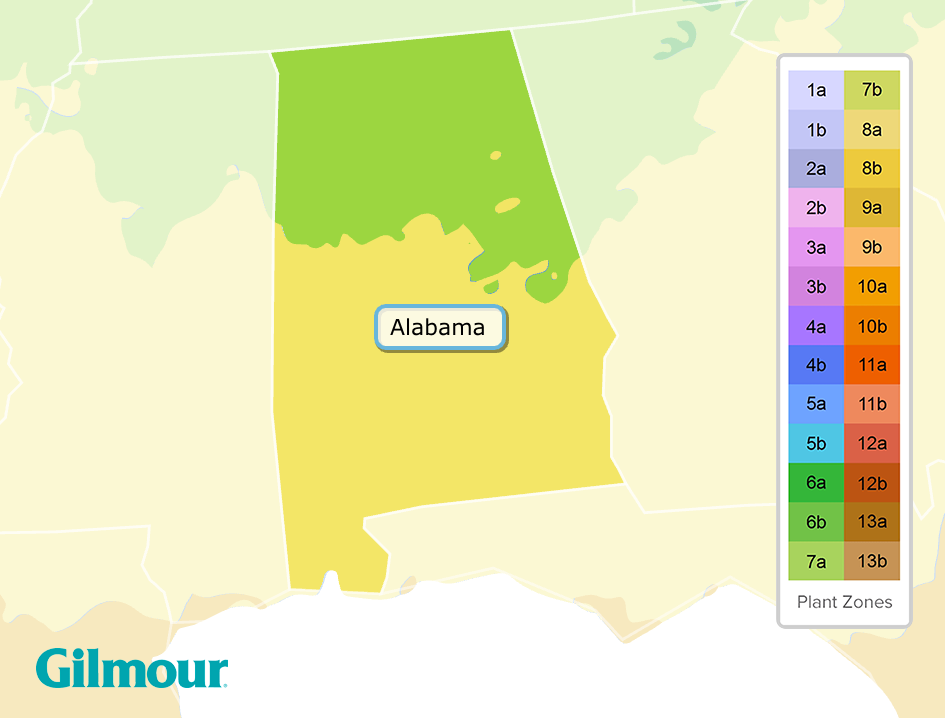
Moving south into the heart of the state, cities like Birmingham, Montgomery, and Tuscaloosa predominantly fall within Zone 8a. This zone experiences milder winters, with average extreme minimum temperatures typically ranging from 10°F to 15°F. While cold snaps and light freezes do occur, they are generally less severe and shorter-lived than in the northern regions.
The longer growing season and milder winters in Central Alabama support a broader range of plant life. Here, you’ll find a blend of temperate and semi-tropical plants coexisting. Magnolias, camellias, and crepe myrtles are ubiquitous, lending a distinctly Southern charm to urban landscapes and historic homes. Agricultural output expands to include more heat-loving crops, such as cotton and peanuts, which have long been staples of the region’s economy. The Birmingham Botanical Gardens is a prime example of Zone 8a’s potential, showcasing diverse plant collections from around the world that thrive in this hospitable climate. For visitors, this translates into lush, green surroundings and opportunities to explore stately gardens or sample regional cuisine at farm-to-table restaurants that highlight local produce.
Southern Alabama and the Gulf Coast: Zone 8b and 9a
The southernmost part of Alabama, stretching from Dothan to Mobile and encompassing the beautiful coastal areas of Gulf Shores, Orange Beach, and Dauphin Island, falls into Zones 8b and 9a. This region enjoys a truly subtropical climate, with average extreme minimum temperatures ranging from 15°F to 25°F. Freezes are infrequent and usually very brief, often lasting only a few hours.
This is where Alabama truly embraces its Southern charm with an abundance of subtropical and tropical plants. Palm trees, citrus groves (oranges, grapefruits, tangerines), oleanders, and bougainvillea flourish, creating a vibrant, year-round green landscape. The mild climate is ideal for cultivating specialty crops like pecans, peaches, and an increasing variety of berries and vegetables. For tourism, this zone is a major draw. The warm temperatures support outdoor activities virtually all year, making it perfect for beach vacations, golfing along the Robert Trent Jones Golf Trail, and exploring natural wetlands. Coastal resorts and hotels leverage the lush growing conditions to create stunning tropical gardens, enhancing the visitor experience with vibrant blooms and exotic foliage. The Mobile Botanical Gardens and the historic gardens of Bellingrath Gardens and Home are must-visit attractions, showcasing an incredible array of plants that thrive in this warm, humid environment.
Impact on Alabama’s Landscape, Agriculture, and Tourism
The distinct hardiness zones across Alabama are not just a technical detail for gardeners; they are fundamental to the state’s identity, influencing its economy, ecology, and appeal as a travel destination. From the moment a traveler crosses into Alabama, the varying landscapes hint at these underlying climatic differences, promising diverse experiences depending on their itinerary.
Flora and Fauna: Natural Beauty and Parks
The diverse growing zones are the primary drivers behind the rich biodiversity of Alabama. In the northern temperate zones, visitors can explore forests dominated by hardwoods like oaks, hickories, and pines, supporting a wide range of wildlife. State parks such as Monte Sano State Park near Huntsville offer hiking trails through these forests, especially vibrant during the autumn months when foliage transforms into a riot of reds, oranges, and yellows.
As one journeys south into the subtropical zones, the landscape gradually changes to include more evergreen species. The Coastal Plain and Gulf Coast regions are characterized by longleaf pine forests, cypress swamps, and marshlands. These ecosystems are vital habitats for diverse bird species, alligators, and various aquatic life, making areas like the Mobile-Tensaw Delta a paradise for eco-tourism, kayaking, and birdwatching. The transition of flora also means a transition in the fauna it supports, creating unique opportunities for wildlife photography and nature exploration throughout the state.
Agricultural Delights: Local Food and Farm-to-Table Experiences
Alabama’s varied growing zones translate directly into a rich and diverse agricultural sector. The cooler north is suitable for traditional row crops and certain fruits that require a chilling period, while the warmer central and southern regions excel in growing crops like peanuts, cotton, and especially citrus and pecans. This agricultural diversity fuels a vibrant local food scene, a growing trend that appeals strongly to lifestyle and tourism interests.
Travelers can immerse themselves in Alabama’s culinary heritage by visiting farmers’ markets in cities like Birmingham or Montgomery, where seasonal produce reflects the specific growing conditions of the surrounding areas. Southern Alabama’s mild climate supports a thriving citrus industry, offering a unique taste of the region. Many restaurants, particularly in tourist-heavy areas, proudly source ingredients from local farms, offering “farm-to-table” experiences that highlight the freshest seasonal offerings. Agritourism is also on the rise, with opportunities to visit pecan orchards, blueberry farms, or even cotton fields, providing an educational and delicious insight into the state’s agricultural backbone.
Gardening and Landscaping: Residential Appeal and Botanical Gardens as Attractions
The distinct growing zones significantly influence residential gardening and professional landscaping across Alabama. Homeowners and property developers carefully select plants that are best suited to their specific zone, ensuring successful and sustainable greenery. This also translates into the design and maintenance of public spaces, parks, and notably, the state’s impressive botanical gardens.
Alabama is home to several renowned botanical gardens, each showcasing the plant life appropriate for its respective zone. The Huntsville Botanical Garden, for instance, highlights temperate zone plants and seasonal displays, while the Bellingrath Gardens and Home near Mobile is famed for its stunning azaleas, camellias, and tropical plantings that thrive in Zone 9a. These gardens are major tourist attractions, offering breathtaking displays of horticulture, educational programs, and peaceful retreats for visitors. They serve as living testaments to the climatic variations across the state and provide inspiration for gardeners and a beautiful backdrop for leisurely strolls, making them ideal destinations for families, couples, and solo travelers interested in nature and beauty.
Seasonal Travel and Activities: Planning Your Alabama Experience
Understanding Alabama’s growing zones also helps travelers plan their visits to align with specific natural phenomena or agricultural cycles. For instance, those interested in vibrant fall foliage will find Northern Alabama in Zone 7a/7b to be the prime destination during late October and early November. Spring visitors can witness the explosion of color from blooming azaleas and dogwoods across the entire state, with peak bloom times varying slightly by zone.
For those seeking warmer escapes, the Gulf Coast’s Zone 8b/9a offers a longer season for beach activities, golfing, and water sports, with subtropical plants ensuring a verdant backdrop even in the cooler months. Culinary travelers might time their visits to coincide with specific harvests, such as blueberry season in early summer or pecan harvest in the fall. Resorts and hotels in coastal areas often highlight their lush, zone-appropriate landscaping as part of their amenity offerings, creating inviting environments for guests. Whether it’s a family trip to a state park, a luxurious stay at a coastal resort, or an exploration of local culture through its food, Alabama’s varied growing zones provide a rich palette of experiences for every type of traveler.
In conclusion, Alabama is a state of remarkable natural diversity, spanning USDA Plant Hardiness Zones 7a to 9a. This spectrum allows for a fascinating array of landscapes, from the temperate forests of its northern regions to the subtropical flora of its Gulf Coast. This understanding not only helps local gardeners cultivate thriving plants but also profoundly shapes the state’s agricultural output, ecological richness, and tourism appeal. Whether you are seeking the vibrant fall colors of the Appalachian foothills, the historic charm of a Central Alabama city, or the sun-drenched beaches and lush gardens of the south, Alabama’s growing zones provide a compelling framework for discovering the unique beauty and bounty of the “Heart of Dixie.” So, as you plan your next adventure, consider how these climatic nuances contribute to the unforgettable experiences that await you in Alabama.
LifeOutOfTheBox is a participant in the Amazon Services LLC Associates Program, an affiliate advertising program designed to provide a means for sites to earn advertising fees by advertising and linking to Amazon.com. Amazon, the Amazon logo, AmazonSupply, and the AmazonSupply logo are trademarks of Amazon.com, Inc. or its affiliates. As an Amazon Associate we earn affiliate commissions from qualifying purchases.