
Understanding the intricacies of time zones is an often-overlooked yet critical aspect of modern travel and global connectivity, especially when planning a trip to a vast and vibrant destination like California. The Golden State, renowned for its diverse landscapes, iconic landmarks, and dynamic lifestyle, operates on a specific time zone that travelers and businesses alike must consider. Far from a mere technicality, knowing California’s relationship to Greenwich Mean Time (GMT) can significantly impact everything from flight schedules and hotel bookings to experiencing world-class attractions and managing international business calls. This comprehensive guide will demystify California’s time zone, exploring its practical implications for travel, tourism, and daily life.

Understanding California’s Time Zone: Pacific Standard Time and Daylight Saving
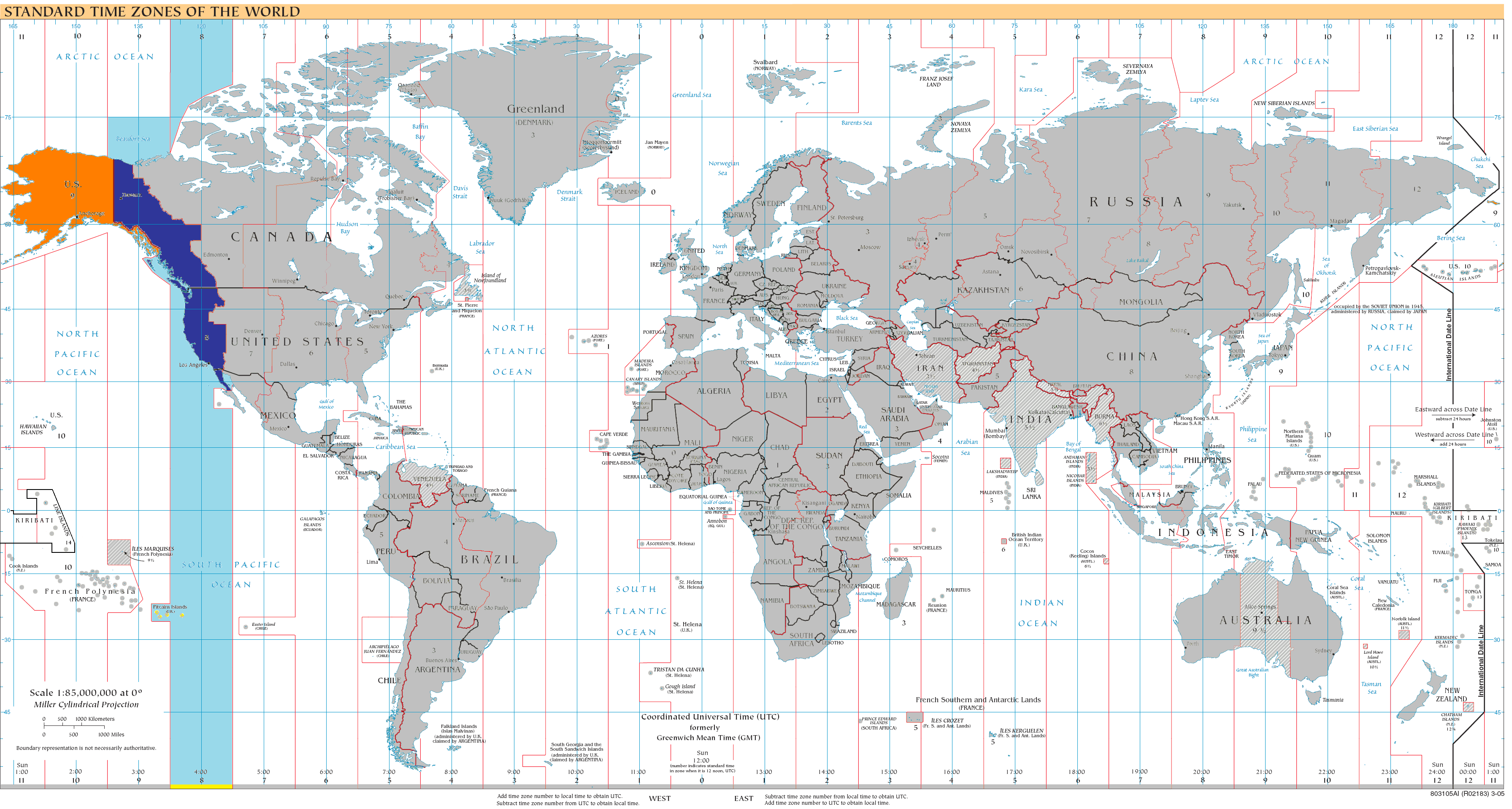
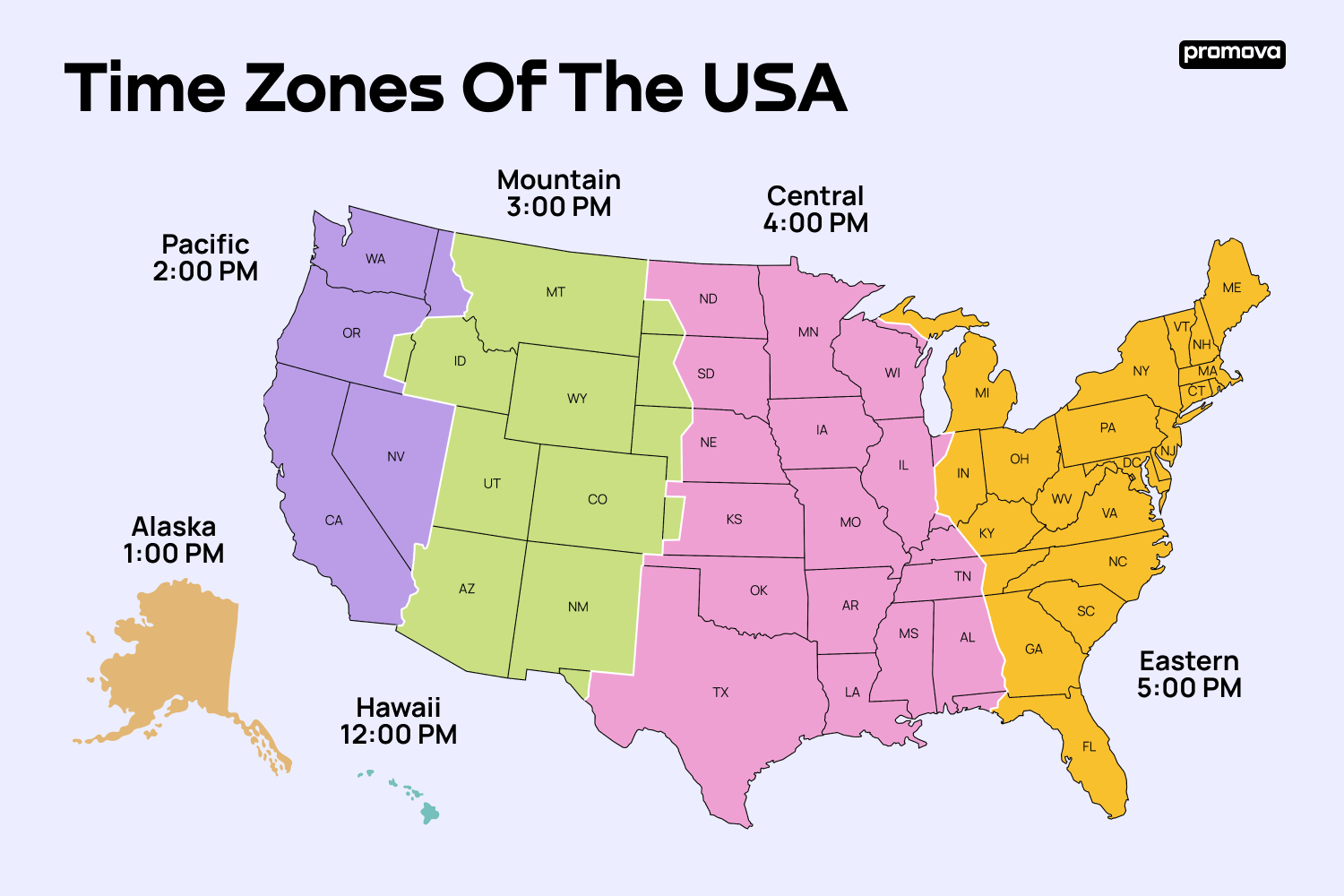
At its core, California observes the Pacific Time Zone, a system that includes most of the western United States and parts of Canada and Mexico. However, this zone is not static throughout the year. It alternates between Pacific Standard Time (PST) for roughly eight months and Pacific Daylight Time (PDT) for the remaining four months, primarily during the warmer seasons. This seasonal shift, dictated by Daylight Saving Time, is a crucial detail for anyone planning to visit or conduct business with entities in California.
PST vs. PDT: The Seasonal Shift and GMT Offset
During the colder months, generally from early November to mid-March, California operates on Pacific Standard Time (PST). In this phase, California is GMT-8, meaning it is eight hours behind Greenwich Mean Time. So, if it’s 5:00 PM in London (GMT), it would be 9:00 AM in Los Angeles under PST. This 8-hour difference is significant for international coordination, impacting arrival times for transatlantic flights, scheduling virtual meetings with partners in Europe or Asia, and even knowing when to call family back home.
However, as spring approaches, California transitions to Pacific Daylight Time (PDT). This change typically occurs on the second Sunday in March when clocks “spring forward” by one hour. From this point until the first Sunday in November, California observes GMT-7. During PDT, the state is seven hours behind Greenwich Mean Time. This adjustment means longer daylight hours in the evenings, a popular feature for both residents and tourists who wish to maximize their outdoor activities and sightseeing. For instance, if it’s 5:00 PM GMT during PDT, it would be 10:00 AM in San Francisco.
The implementation of Daylight Saving Time is a yearly ritual across much of the United States and can sometimes cause confusion for those unfamiliar with the practice. For travelers, it means an extra layer of planning – ensuring that all flight confirmations, hotel reservations, and tour bookings accurately reflect the time zone in effect during their visit. While most modern devices automatically adjust, understanding the underlying shift from PST to PDT and its corresponding GMT offset is fundamental to a seamless California experience.
The Traveler’s Perspective: Navigating California’s Time
For anyone embarking on a journey to California, especially from distant international destinations, the time zone difference is one of the first and most immediate challenges to tackle. Successfully navigating this aspect can profoundly influence your initial experience, energy levels, and overall enjoyment of the trip. From overcoming the dreaded jet lag to meticulously planning your itinerary, a mindful approach to California’s time zone is paramount.
Arriving in California: Jet Lag Strategies
Jet lag is an unwelcome travel companion for many long-haul flyers, particularly those crossing multiple time zones from places like Europe, Asia, or the East Coast of the United States. The symptoms – fatigue, disorientation, disrupted sleep patterns, and even digestive issues – stem from your body’s internal clock (circadian rhythm) being out of sync with the new local time. When traveling west to California, the challenge is often adjusting to a significantly earlier time, which can make you feel sleepy in the late afternoon and wide awake in the middle of the night.
To combat jet lag effectively, several strategies can be employed. Firstly, pre-adjusting your sleep schedule a few days before departure, by going to bed an hour or two later, can ease the transition. Secondly, hydration is key; drink plenty of water during your flight and upon arrival. Alcohol and excessive caffeine should be avoided as they can exacerbate symptoms. Thirdly, exposure to natural light is one of the most powerful tools for resetting your body clock. Try to spend time outdoors during California’s daylight hours, especially in the morning, to signal to your body that it’s daytime. Conversely, minimize bright lights in the evening as you approach your desired bedtime. Lastly, try to adopt the local meal times from the moment you land. While the allure of your comfortable hotel suite or resort bed might be strong, resist the urge to nap for too long during the day. A short power nap (20-30 minutes) can be beneficial, but prolonged daytime sleep will only delay your adjustment. Accommodations across California, from boutique hotels in Santa Monica to luxury villas in Palm Springs, are generally designed for comfort, making them ideal bases for jet lag recovery.
Maximizing Your Itinerary: Synchronization is Key
Beyond personal adjustment, understanding California’s time zone is fundamental for practical itinerary planning. California is a vast state, home to a myriad of attractions and experiences, from the bustling city life of Los Angeles and San Francisco to the natural wonders of Yosemite National Park and the pristine beaches of San Diego. Each of these destinations offers unique activities with specific operating hours, and missing them due to a time zone miscalculation can lead to disappointment.
When booking tours, making dinner reservations, or securing tickets for popular landmarks like Alcatraz Island or Disneyland Resort, always confirm the times against California’s current GMT offset. Many attractions, especially theme parks or museums, require advance bookings for specific time slots to manage crowd flow. Arriving an hour late because you forgot about the Daylight Saving Time shift could mean missing your entry window entirely. Similarly, transportation schedules, whether for domestic flights, long-distance trains to Sacramento, or local bus services, adhere strictly to local time.
For travelers looking for specific accommodation options, whether it’s a luxury hotel in Beverly Hills or a budget-friendly apartment near the Santa Monica Pier, ensuring check-in and check-out times align with your arrival and departure plans is crucial. Many hotels offer early check-in or late check-out services, but these often depend on availability and might incur additional fees. Clear communication regarding your estimated arrival time, adjusted for the local PST or PDT, can significantly enhance your experience, ensuring your room is ready when you are.
Time Zones and The California Experience
The rhythm of life in California is profoundly influenced by its ample daylight hours, especially during Pacific Daylight Time. This elongated daylight period allows for a unique blend of morning activities and extended evening explorations, shaping the very fabric of the California lifestyle. Understanding the time zone isn’t just about scheduling; it’s about immersing yourself in the state’s cultural cadence and maximizing every moment of your journey.
Morning Adventures to Evening Delights
California’s GMT offset means that mornings often start “late” by European or East Coast standards, which can be a boon for travelers seeking a relaxed start to their day. Imagine watching the sunrise over the majestic granite peaks of Yosemite National Park, where the golden hour bathes El Capitan and Half Dome in breathtaking light. This early morning serenity, followed by a hike to Glacier Point, is an unforgettable experience that feels perfectly timed to the West Coast schedule.
Later in the day, the extended daylight of PDT allows for a seamless transition from invigorating daytime activities to vibrant evening entertainment. Picture a morning surfing lesson in Malibu, followed by an afternoon exploring the Hollywood Walk of Fame and Universal Studios Hollywood, culminating in a stunning sunset view from the Griffith Observatory overlooking Los Angeles. Or consider a day trip to Catalina Island with plenty of time for snorkeling and hiking, still returning to the mainland with daylight to spare for an evening stroll along the Santa Monica Pier.
In San Francisco, you can easily fill your day with a morning visit to Alcatraz Island, a leisurely afternoon exploring Fisherman’s Wharf or Golden Gate Park, and still catch the sunset over the iconic Golden Gate Bridge. Many attractions and museums in California’s major cities, such as the Getty Center in Los Angeles or the California Academy of Sciences in San Francisco, offer later closing times, especially during peak tourism seasons, further enhancing the ability to fit more into your schedule.
The Rhythms of California Cuisine and Nightlife
California’s time zone also subtly influences its renowned culinary scene and vibrant nightlife. With mornings starting later for many, brunch culture thrives, offering an array of innovative and fresh dishes, from San Diego’s beachside cafes to the upscale eateries of Napa Valley. Dinner times tend to be later than in many parts of the world, with restaurants often buzzing well into the evening, especially in urban centers like Los Angeles, San Francisco, and San Diego.
For those interested in wine tours, the later evenings in Napa Valley or Sonoma allow for extended tastings and leisurely vineyard strolls before enjoying a gourmet meal under the stars. In cities, neighborhoods like San Diego’s Gaslamp Quarter, Hollywood, or West Hollywood in Los Angeles come alive after dark. Bars, clubs, and live music venues often operate until the early hours, offering ample opportunities for entertainment. However, visitors should be mindful of local closing times, as they can vary. Some establishments in California cities might close earlier than those in other global party capitals, making it important to check ahead if you’re planning a late night out. From fine dining to food trucks, the state’s diverse food scene ensures there’s always something delicious to experience, perfectly synchronized with the local time.
Business, Communication, and Global Connections
Beyond the realms of tourism and leisure, California’s time zone plays a pivotal role in its economic landscape and global connectivity. As a hub for technology, entertainment, and innovation, the state constantly engages with partners, clients, and colleagues across the globe. The GMT offset thus becomes a critical factor for business operations, remote work, and maintaining personal relationships across geographical divides.
Bridging the Time Gap for Remote Work and Meetings
For business travelers or those working remotely with teams spread across different continents, the Pacific Time Zone presents unique challenges. A typical workday in California often means early morning calls with East Coast colleagues, a standard workday with those in the Mountain and Central Time Zones, and late afternoon or evening calls with counterparts in Europe or Asia. For example, when it’s 9:00 AM in Los Angeles (PST), it’s already 5:00 PM in London and 1:00 AM the next day in Tokyo. This necessitates careful scheduling and often requires flexibility from all parties involved.
Many professionals in California adapt their schedules, starting their workdays earlier or extending them later, to accommodate these global connections. Using time zone converter tools and scheduling assistants becomes indispensable for coordinating meetings efficiently. This often means that while California’s relaxed lifestyle is appealing, its business sector operates with a distinct global awareness, constantly bridging time gaps. Business accommodations in cities like San Jose, San Francisco, and Los Angeles are often equipped with advanced connectivity options, enabling professionals to stay productive regardless of the time difference. Whether it’s a Marriott in Anaheim with robust Wi-Fi or a Hyatt Regency in San Diego offering 24/7 business services, hotels play a crucial role in facilitating this global work dynamic.
Staying Connected with Loved Ones
On a personal level, the GMT offset impacts how easily one can stay connected with family and friends living in other time zones. A casual evening call for someone in California might translate to the middle of the night for relatives in Europe or an early morning disturbance for family in Asia. This often requires a conscious effort to find opportune windows for communication, sometimes leading to early morning video calls or late-night chats.
Travelers staying in California for an extended period, perhaps for a long-term stay in a furnished apartment or a family trip, quickly learn to navigate these temporal challenges. They might adopt strategies such as scheduling calls around specific events or using asynchronous communication methods more frequently. The digital age, with its array of messaging apps and video conferencing tools, has certainly eased some of these burdens, but the fundamental difference in the sun’s position still dictates the best times for a real-time conversation.
In conclusion, California’s time zone, oscillating between GMT-8 (PST) and GMT-7 (PDT), is far more than just a number. It is a dynamic factor influencing everything from the practicalities of travel planning and personal well-being to the very rhythm of daily life and global economic interaction within the Golden State. For visitors, understanding this shift and its implications ensures a smoother journey, allowing them to fully immerse themselves in the state’s iconic attractions, vibrant culture, and stunning natural landmarks like the Redwood National Park, Death Valley National Park, or Joshua Tree National Park. Whether you’re planning a luxury escape to The Ritz-Carlton, Laguna Niguel, a business stay at the Waldorf Astoria Beverly Hills, a family vacation exploring the diverse coastline from Big Sur to Monterey and Carmel-by-the-Sea, or experiencing history at Hearst Castle near San Simeon, being aware of the time allows you to optimize every moment. By acknowledging and adapting to California’s temporal reality, you unlock a richer, more enjoyable, and truly unforgettable experience in one of the world’s most sought-after destinations, perhaps even enjoying the serene beauty of Lake Tahoe or the coastal charm of Santa Barbara.
LifeOutOfTheBox is a participant in the Amazon Services LLC Associates Program, an affiliate advertising program designed to provide a means for sites to earn advertising fees by advertising and linking to Amazon.com. Amazon, the Amazon logo, AmazonSupply, and the AmazonSupply logo are trademarks of Amazon.com, Inc. or its affiliates. As an Amazon Associate we earn affiliate commissions from qualifying purchases.