
Arizona, often envisioned as a land of scorching deserts, is a state of startling ecological diversity, encompassing landscapes that range from saguaro-studded lowlands to alpine forests. This remarkable variation is best understood through the lens of plant hardiness zones, which dictate what flora can thrive in different areas. For travelers, comprehending Arizona’s distinct growing zones is key to unlocking the full spectrum of its natural beauty, unique local culture, and diverse outdoor activities. These zones shape the very essence of the visitor experience, influencing everything from the culinary offerings to the ideal seasons for exploration.
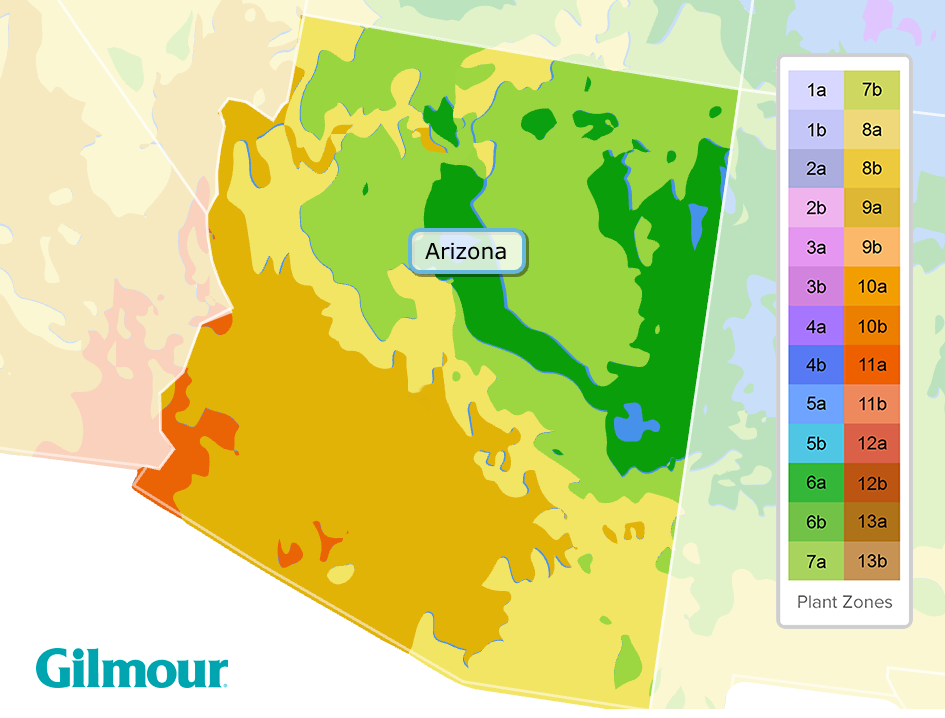
The Plant Hardiness Zones: A Traveler’s Guide
Plant hardiness zones are geographical areas defined by their average annual extreme minimum winter temperatures. Developed by the United States Department of Agriculture (USDA), these zones help gardeners and horticulturalists determine which plants are most likely to survive the winter in a specific location. However, for tourists, these zones serve as a powerful indicator of the natural environment, climate, and by extension, the types of landscapes, flora, fauna, and activities one can expect in a given region.
In Arizona, the elevation changes dramatically across the state, leading to a wide array of microclimates and corresponding hardiness zones. From the low, hot deserts to the cool, high mountains, each zone presents a distinct ecosystem. These ecological differences directly impact the local attractions, the prevalence of certain outdoor recreational pursuits, and even the indigenous and cultivated food sources, making the concept of growing zones highly relevant to tourism planning and appreciation.
Arizona’s Diverse Climates and Corresponding Zones
Arizona’s topographical variety ensures a broad range of growing zones, painting a vivid picture of its ecological tapestry. These zones are not merely numbers; they are gateways to understanding the state’s iconic vistas and the experiences they offer.
Low Desert (Zones 9-10)
The vast low desert regions, epitomized by cities like Phoenix, Tucson, and Yuma, fall predominantly into Zones 9b to 10b. Characterized by mild winters and intensely hot summers, these areas are home to the iconic Sonoran Desert vegetation. Here, towering saguaro cacti, prickly pear, ocotillo, and palo verde trees define the landscape. Citrus groves, date palms, and a variety of drought-tolerant plants also thrive, making the desert surprisingly lush in places. The growing zone indicates a climate where winter lows rarely dip below 25-30°F (-3.9 to -1.1°C), allowing for a year-round growing season for many heat-loving species. This environment forms the backdrop for many of Arizona’s most recognizable images and offers distinct tourism opportunities.
Central Highlands (Zones 7-8)
As elevation rises, particularly around cities like Prescott and Sedona, the climate transitions to a cooler, more temperate high desert or central highlands environment, typically ranging from Zone 7a to 8b. Winter temperatures are cooler here, often experiencing lows between 0-20°F (-17.8 to -6.7°C), with more distinct four seasons. This allows for a wider variety of plant life than the low desert. Pinyon pine, juniper, oak, and chaparral dominate these landscapes, creating a verdant contrast to the lower desert. The famous red rocks of Sedona are often framed by these hardy trees and shrubs, offering a different kind of natural beauty that attracts hikers and photographers alike. The longer cold season and more varied rainfall patterns support a rich array of flora and fauna, making these zones prime for nature-based tourism.
Northern Arizona and High Country (Zones 3-6)
Further north and at even higher elevations, such as around Flagstaff and the perimeter of the Grand Canyon National Park, Arizona transforms into an alpine and mountainous region. These areas fall into Zones 3b to 6b, indicating severe winter temperatures that can plummet to -35°F (-37.2°C) or colder. Here, vast ponderosa pine forests, aspen groves, firs, and spruce trees dominate the landscape, mirroring environments found in the Rocky Mountains. The colder climate means a shorter growing season but supports diverse forest ecosystems, including areas around Humphreys Peak, the state’s highest point. This high country offers a dramatic departure from the desert, providing cool summer escapes and winter sports opportunities, significantly broadening Arizona’s appeal as a tourist destination.
Tourism Implications: What to Expect in Each Zone
The distinct growing zones fundamentally shape the types of tourist experiences available across Arizona, from culinary delights to thrilling outdoor adventures.

Desert Delights: Culinary and Cultural Experiences
In the low desert zones (9-10), the unique flora directly influences local cuisine and cultural experiences. Visitors can explore the Desert Botanical Garden in Phoenix to marvel at the sheer variety of succulents and desert plants. Culinary tours often feature ingredients like prickly pear, which is used in jams, candies, and margaritas, or mesquite flour, incorporated into baked goods. The hardy nature of Arizona’s desert plants also allows for year-round agricultural activities, such as citrus harvesting, contributing to local farmer’s markets and fresh produce availability. The vibrant colors of desert wildflowers in spring are a major attraction, drawing photographers and nature enthusiasts. Furthermore, the warm, clear desert nights are ideal for stargazing, a popular activity, especially in protected dark sky areas. The architecture in these regions often incorporates native plants into xeriscaping, showcasing sustainable living in a desert environment.
Highland Adventures: Nature and Outdoor Activities
The central highlands (Zones 7-8) offer a cooler climate and diverse terrain, making them a haven for outdoor activities. The mixture of forests and unique rock formations, particularly around Sedona, provides unparalleled opportunities for hiking, mountain biking, and rock climbing. The cooler temperatures allow for more strenuous activity during the warmer months, making these areas popular summer retreats. Visitors can explore the various National Forests such as the Coconino National Forest and Kaibab National Forest, which offer scenic drives, camping, and wildlife viewing. The region’s flora, including pines and junipers, contributes to a distinct aroma and visual appeal, especially during spring blooms and fall foliage. Historic towns like Prescott blend pioneer history with access to natural beauty, making them ideal bases for exploration. Ancient cliff dwellings, like Montezuma Castle National Monument, are often situated in these transitional zones, revealing how early inhabitants thrived amidst this unique plant life.
Mountain Majesty: Seasonal Beauty and Recreation
Northern Arizona and its high country (Zones 3-6) present a completely different set of tourist attractions, heavily influenced by its cold-hardy vegetation. In winter, the pine and aspen forests become a wonderland for snow sports. Destinations like Arizona Snowbowl near Flagstaff offer skiing and snowboarding, a stark contrast to the desert warmth just a few hours south. In autumn, the aspens turn brilliant gold, attracting visitors for leaf-peeping tours, particularly around Flagstaff and the San Francisco Peaks. During the summer, these high-elevation areas provide a cool escape from the desert heat, ideal for hiking, camping, and fishing amidst verdant forests. The proximity to wonders like the Grand Canyon National Park means visitors can experience the dramatic geological formations framed by majestic ponderosa pines. The cooler, moist climate also supports a different array of local wildlife, from elk to various bird species, making it a prime spot for nature photography and wildlife observation.
Planning Your Arizona Visit by Growing Zone
Understanding Arizona’s growing zones can significantly enhance your travel planning, allowing you to optimize your experience based on desired activities and climate preferences.
Best Time to Visit
- Low Desert (Zones 9-10): The ideal time to visit Phoenix or Tucson is from October to April, when temperatures are mild and pleasant for outdoor exploration, hiking, and enjoying the vibrant desert bloom (typically late winter to early spring). Summers are extremely hot and generally best avoided for extensive outdoor activity, though indoor attractions and resort pools offer respite.
- Central Highlands (Zones 7-8): Sedona and Prescott are delightful in spring and fall for comfortable hiking and sightseeing. Summers are warm but manageable, offering a reprieve from the desert heat. Winters can bring snow, making some trails challenging but offering unique scenic beauty.
- Northern Arizona (Zones 3-6): The high country around Flagstaff and the Grand Canyon National Park is stunning in summer and early fall for hiking, camping, and exploring. Winter transforms it into a snowy paradise for skiing and snowboarding. Spring can be unpredictable with varying temperatures and lingering snow.
Packing Essentials
Your packing list should heavily depend on the growing zone you plan to explore. For the low desert, lightweight, breathable clothing, wide-brimmed hats, and plenty of water are essential. In the central highlands, layers are key, as temperatures can fluctuate throughout the day, especially from sun to shade. For northern Arizona, especially during colder months, pack warm winter gear, including insulated jackets, hats, gloves, and waterproof footwear. Even in summer, evenings in the high country can be cool, necessitating a light jacket.

Unique Zone-Specific Activities
Beyond the general recommendations, each zone offers truly unique activities tied to its environment:
- Desert: Experience a hot air balloon ride over the Sonoran Desert, explore ancient petroglyphs in desert parks, or embark on a guided desert wildlife viewing tour at dusk or dawn. Indulge in culinary experiences featuring locally grown produce and desert ingredients.
- Highlands: Take a jeep tour through Sedona’s red rock country, visit local wineries that thrive in the temperate climate, or discover the remnants of ancient cultures at sites nestled among the pinyon-juniper forests.
- Mountains: Enjoy a scenic chairlift ride at Arizona Snowbowl in summer for panoramic views, go whitewater rafting in the canyons, or explore picturesque mountain towns with charming local shops and breweries that thrive in the cooler climate.
Understanding Arizona’s diverse growing zones empowers travelers to craft a more informed and enriching itinerary, ensuring they fully appreciate the incredible range of natural beauty, local flavors, and exhilarating activities this remarkable state has to offer.
LifeOutOfTheBox is a participant in the Amazon Services LLC Associates Program, an affiliate advertising program designed to provide a means for sites to earn advertising fees by advertising and linking to Amazon.com. Amazon, the Amazon logo, AmazonSupply, and the AmazonSupply logo are trademarks of Amazon.com, Inc. or its affiliates. As an Amazon Associate we earn affiliate commissions from qualifying purchases.