
Understanding the growing zone of a region is paramount for anyone looking to cultivate a garden, plan outdoor landscaping, or even determine the optimal times for outdoor activities. For those residing in or planning a visit to Colorado Springs, this knowledge can significantly enhance their experience, whether they are planting flowers, enjoying the local flora, or simply appreciating the natural beauty of the area. Colorado Springs, nestled at the eastern edge of the Rocky Mountains in El Paso County, Colorado, boasts a unique climate influenced by its elevation and proximity to the mountains. This distinct environmental profile places it within specific USDA Plant Hardiness Zones, which are crucial for selecting plants that will thrive.
Understanding USDA Plant Hardiness Zones
The USDA Plant Hardiness Zone Map is a standard tool used by gardeners and horticulturists to determine which perennial plants are most likely to survive the winter in a particular location. The map is divided into 13 zones, each representing a 10°F difference in average annual minimum winter temperature. Zone 1 is the coldest, with average annual minimum temperatures below -50°F, while Zone 13 is the warmest, with average annual minimum temperatures above 60°F. Knowing your zone helps you choose plants that can withstand the typical winter lows in your area, ensuring their survival and robust growth. This is particularly important in regions with significant temperature fluctuations or harsh winters.
How Elevation and Geography Impact Growing Zones
The growing zone of a city like Colorado Springs is not solely determined by its latitude. Elevation plays a critical role. As elevation increases, temperatures generally decrease, and this can shift a location into a colder hardiness zone. Colorado Springs is situated at an elevation of approximately 6,035 feet (1,839 meters) above sea level. This significant altitude contributes to cooler temperatures compared to areas at lower elevations, even at the same latitude. Furthermore, the proximity to the Rocky Mountains influences weather patterns, bringing in cold air masses from higher elevations and affecting precipitation and temperature extremes. The varying topography within and around Colorado Springs, from the plains to the foothills, can also create microclimates, meaning different areas within the city might experience slightly different growing conditions.
Colorado Springs’ Designated Growing Zones
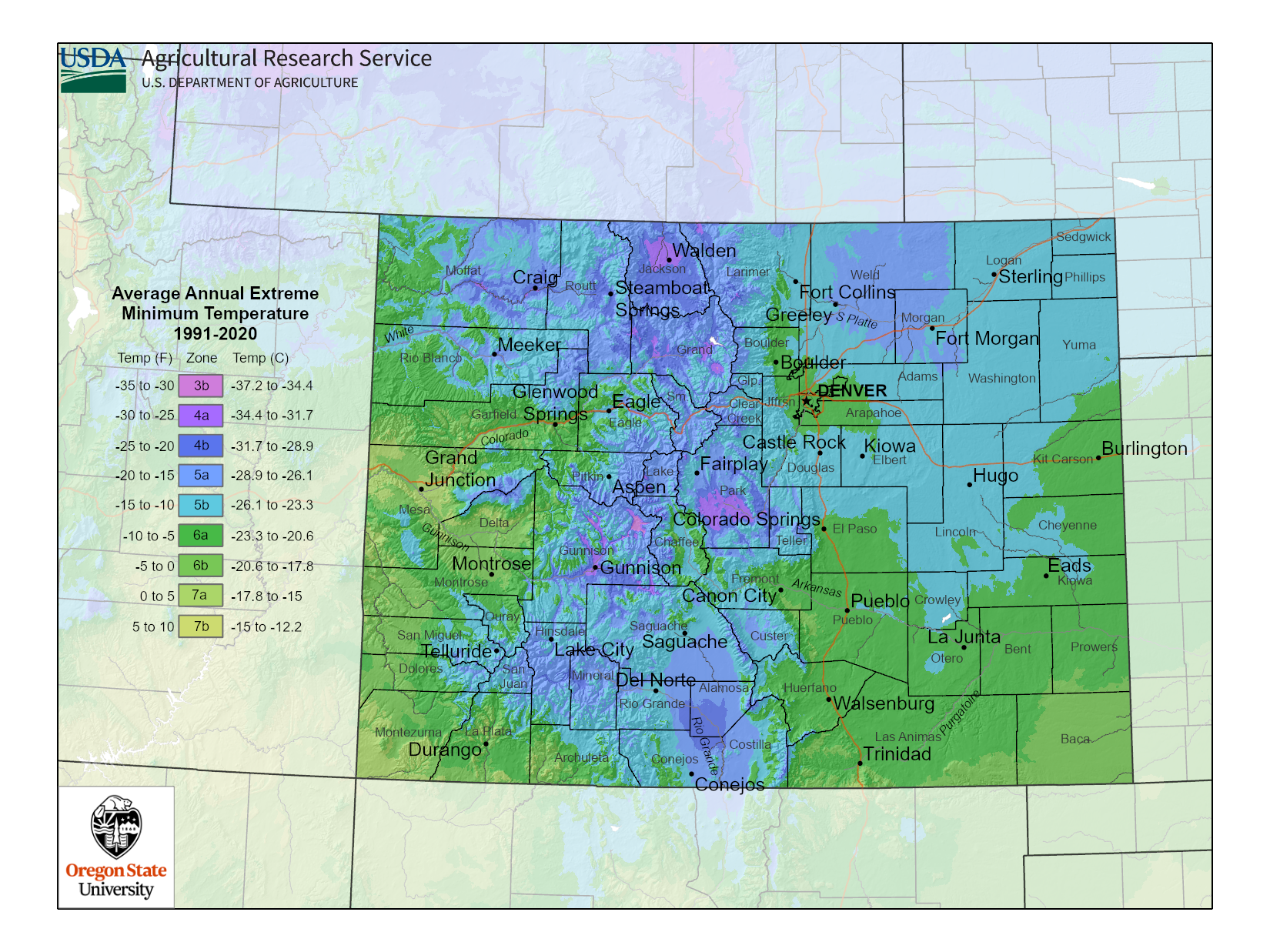
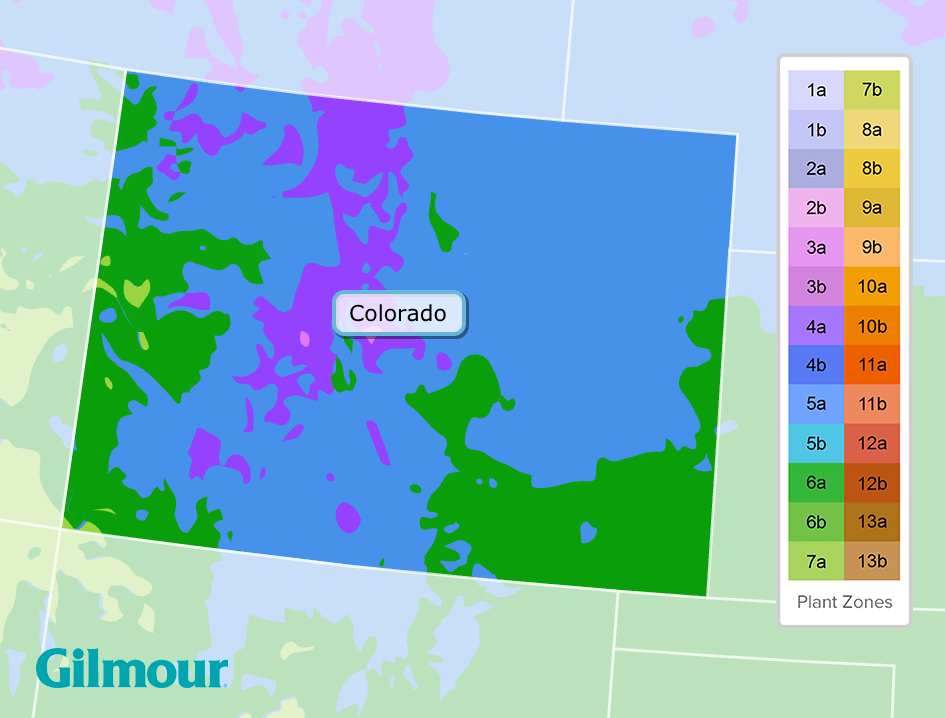
Based on the USDA Plant Hardiness Zone system, Colorado Springs primarily falls within two distinct zones, with variations depending on specific neighborhoods and their microclimates. The majority of the city is located in Zone 6b, characterized by average annual minimum winter temperatures ranging from -5°F to 0°F. However, some of the higher elevation areas and those closer to the foothills, particularly on the west side of the city, can extend into Zone 5b, with average annual minimum winter temperatures ranging from -15°F to -10°F.
Zone 6b: The Dominant Growing Zone
Zone 6b is the most prevalent growing zone for Colorado Springs. This zone offers a relatively moderate climate for perennial plant survival compared to much colder regions. Plants rated for Zone 6b are expected to survive typical winter temperatures. This allows for a wide variety of hardy perennials, shrubs, and trees to be successfully cultivated. Gardeners in this zone can look forward to a vibrant growing season, with the primary challenge being the occasional severe cold snaps and the dry climate. Successful gardening in Zone 6b often involves selecting drought-tolerant species and implementing good watering practices. The blooming season typically begins in late spring and can extend well into the fall, offering a long period of color and interest in gardens.
Zone 5b: Higher Elevations and Microclimates
Areas at higher elevations within Colorado Springs, or those situated in valleys and canyons that might channel colder air, can be classified as Zone 5b. This zone indicates a more challenging winter climate, requiring plants that are exceptionally hardy. If your property is located in a particularly exposed or elevated area, or if you observe consistently colder temperatures than the general city average, you may be situated in Zone 5b. This might mean that certain plants that are reliable in Zone 6b might struggle or require extra winter protection in Zone 5b. It is always advisable to confirm your specific microclimate by observing what successfully grows in your immediate neighborhood.
Implications for Gardeners and Outdoor Enthusiasts
Understanding Colorado Springs’ growing zone has significant practical implications for anyone involved in horticulture or simply enjoying the outdoor environment. It directly impacts plant selection, planting schedules, and the overall success of landscaping projects.
Plant Selection and Success
For gardeners, knowing whether they are in Zone 6b or Zone 5b is the first step in selecting plants that will thrive. Perennial plants, trees, and shrubs are rated for their hardiness, indicating the lowest temperatures they can withstand. Choosing plants rated for your specific zone, or even a colder zone for added security, is crucial. For instance, a plant that is reliably perennial in Zone 6b might only survive as an annual or require overwintering indoors if planted in a Zone 5b microclimate. Conversely, attempting to grow a plant rated for Zone 7 in Colorado Springs is likely to result in winter kill. Beyond hardiness, other factors like precipitation, soil type, and sunlight exposure are also vital, but the growing zone provides the foundational requirement for survival.
Seasonal Planning and Activities
The growing zone also provides a general guide for seasonal planning. For example, the last average frost date in Colorado Springs typically falls in late spring, and the first average frost date occurs in early autumn. Knowing these dates, which are influenced by the growing zone, helps in planning when to plant warm-season annuals, when to start seeds indoors, and when to harvest delicate crops. For outdoor enthusiasts, understanding the climate’s general hardiness can inform decisions about when certain outdoor activities are most enjoyable and when natural phenomena like wildflower blooms are likely to occur. While not directly a growing zone factor, the climate patterns that define the zone also influence the timing of these seasonal experiences.
Adapting to Colorado Springs’ Climate
While the USDA Plant Hardiness Zones provide a valuable framework, Colorado Springs presents a unique set of climatic conditions that require thoughtful adaptation. The semi-arid nature of the region, coupled with significant diurnal (day-night) temperature swings and the intense sunlight at high altitude, adds layers of complexity to gardening and outdoor enjoyment.
Water-Wise Gardening and Landscaping
The dry climate of Colorado Springs necessitates a focus on water-wise gardening practices. Choosing native or drought-tolerant plants that are adapted to arid conditions is highly recommended. Techniques such as mulching, using drip irrigation systems, and amending the soil with organic matter can help retain moisture and reduce water consumption. Landscape designs that incorporate xeriscaping principles, utilizing rocks, gravel, and hardy, low-water plants, are also well-suited to the Colorado Springs environment. This approach not only conserves water but also creates a landscape that is beautiful and resilient to the local climate.
Mitigating Extreme Temperatures and Sunlight
Even within Zone 6b or Zone 5b, Colorado Springs can experience temperature extremes. Protecting sensitive plants during unexpected cold snaps in spring or fall might involve using frost cloths or moving potted plants to sheltered locations. The intense high-altitude sun can also be a challenge for some plants, especially those not accustomed to such exposure. Providing afternoon shade for delicate species, or selecting plants that naturally thrive in full sun, are important considerations. For visitors, understanding the climate means packing layers of clothing to account for temperature shifts throughout the day and being prepared for strong sunlight by using sunscreen and hats.

The Importance of Local Observation
Ultimately, while the USDA Plant Hardiness Zones offer essential guidance, the most accurate understanding of Colorado Springs’ growing conditions comes from local observation. Pay attention to what your neighbors are successfully growing, consult with local nurseries and garden centers, and observe the natural vegetation in the area. The diverse topography of El Paso County and the microclimates within Colorado Springs mean that a blanket designation may not capture every nuance. By combining the scientific classification of growing zones with practical, on-the-ground knowledge, residents and visitors can best appreciate and interact with the unique environment of this beautiful Colorado city.
LifeOutOfTheBox is a participant in the Amazon Services LLC Associates Program, an affiliate advertising program designed to provide a means for sites to earn advertising fees by advertising and linking to Amazon.com. Amazon, the Amazon logo, AmazonSupply, and the AmazonSupply logo are trademarks of Amazon.com, Inc. or its affiliates. As an Amazon Associate we earn affiliate commissions from qualifying purchases.