
When discussing the history of devastating natural disasters in the United States, Florida’s vulnerability to hurricanes is a recurring and somber theme. The Sunshine State, with its extensive coastline and tropical climate, has been the unfortunate target of numerous powerful storms throughout recorded history. Identifying “the worst” hurricane is a complex endeavor, as “worst” can be measured by various metrics: intensity, death toll, economic damage, or long-term impact on communities. However, certain storms stand out due to their sheer destructive power and the profound mark they left on the state and its residents. Among these, Hurricane Andrew in 1992 and Hurricane Okeechobee in 1928 are frequently cited as benchmarks for unparalleled devastation in Florida’s hurricane history.
The Unprecedented Fury of Hurricane Andrew
Hurricane Andrew, which made landfall on August 24, 1992, is often etched in the collective memory of Floridians as a turning point in hurricane preparedness and construction standards. This Category 5 storm, one of the most intense to ever strike the United States, unleashed its fury on South Florida, particularly impacting the towns of Homestead and Florida City. The sheer ferocity of its winds, estimated to have reached sustained speeds of 165 mph with gusts exceeding 177 mph, was catastrophic.
Devastation in South Florida
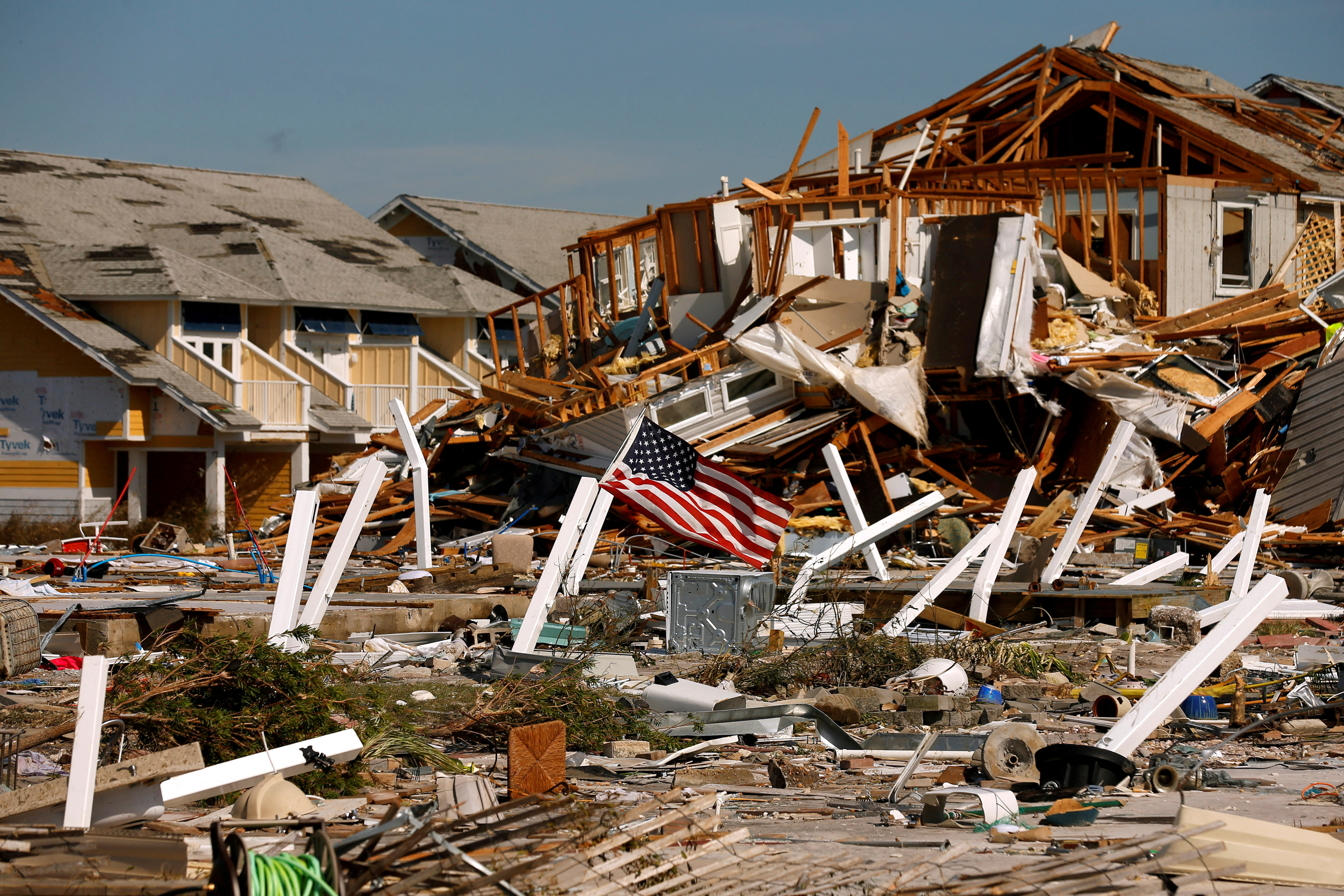
The impact of Andrew was so severe that it rendered an estimated 100,000 homes uninhabitable in the affected region. The landscape was a scene of unimaginable destruction: homes were reduced to rubble, trees were uprooted or stripped bare, and essential infrastructure, including power lines and communication networks, was obliterated. The economic toll was staggering, with estimated damages reaching tens of billions of dollars (in 1992 dollars), making it the costliest natural disaster in U.S. history at the time. The storm’s path directly through densely populated areas of Miami-Dade County amplified the human tragedy, displacing hundreds of thousands of residents and leaving a lasting psychological scar.
A Catalyst for Change
Beyond the immediate destruction, Hurricane Andrew served as a stark wake-up call for Florida and the nation. The storm exposed critical deficiencies in building codes and emergency preparedness. In response, Florida enacted significant reforms to its building codes, mandating stronger construction practices to withstand hurricane-force winds. This led to the development of more resilient housing and infrastructure, significantly improving the state’s ability to withstand future storms. The lessons learned from Andrew have undoubtedly saved lives and reduced damage in subsequent hurricane seasons, though the memory of its devastation remains a potent reminder of nature’s power. The storm’s legacy is a complex mix of immense loss and vital, hard-won advancements in disaster mitigation.
The Unfathomable Loss of Life: Hurricane Okeechobee
While Hurricane Andrew is remembered for its catastrophic wind damage and economic impact, Hurricane Okeechobee of 1928 stands as one of Florida’s deadliest natural disasters, primarily due to a catastrophic storm surge that overwhelmed the vulnerable shores of Lake Okeechobee. This immense inland lake, surrounded by a relatively low dike system at the time, became a deadly trap for thousands of people.
The Wall of Water
On September 16, 1928, a Category 4 hurricane made landfall near West Palm Beach. While its wind speeds were considerable, it was the immense volume of water it pushed inland and into Lake Okeechobee that proved most destructive. The storm surge, reportedly as high as 15 to 20 feet, breached the inadequate dike surrounding the lake. The water surged across the surrounding agricultural lands, inundating communities and sweeping away everything in its path. Towns like Belle Glade and Pahokee, situated on the lake’s southern rim, were virtually destroyed.
A Human Toll Beyond Comprehension
The death toll from Hurricane Okeechobee is estimated to be between 2,500 and 3,000 people, with the majority being migrant farm workers who lived in rudimentary housing around the lake. The sheer scale of the loss of life was unprecedented for a U.S. natural disaster and shocked the nation. The bodies of victims were found for miles, and many were never identified. The recovery efforts were immense, but the psychological and social impact on the survivors and the state was profound. This event highlighted the critical importance of flood control and the dangers posed by inadequate infrastructure in coastal and lakefront communities.
Rebuilding and Learning

In the aftermath of the Okeechobee Hurricane, significant efforts were made to strengthen the levee system around Lake Okeechobee. The Okeechobee Flood Control District was established, and extensive engineering projects were undertaken to create a more robust and secure barrier against future surges. While the disaster was horrific, it led to essential infrastructure improvements that have protected countless lives in the decades since. The Okeechobee Hurricane serves as a tragic reminder of how natural forces, combined with human vulnerability and infrastructure shortcomings, can lead to unfathomable loss.
Other Notable Catastrophes
While Hurricane Andrew and Hurricane Okeechobee often dominate discussions about Florida’s worst hurricanes, several other storms have left indelible scars on the state. These include:
Hurricane Charley (2004)
Hurricane Charley was a rapidly intensifying Category 4 hurricane that made a devastating direct hit on the southwest coast of Florida, particularly impacting the cities of Punta Gorda and Port Charlotte. Its small but incredibly intense eyewall, combined with its rapid forward speed, meant that communities were not given much advance warning. The storm caused widespread destruction of homes and businesses, with estimated damages in the billions of dollars. Its unexpected track and ferocity served as a stark reminder that even smaller storms can be incredibly destructive.
The Labor Day Hurricane (1935)
Often referred to as the “Labor Day Hurricane” or the “Keys Hurricane,” this Category 5 storm struck the Florida Keys on September 2, 1935. It remains the most intense Atlantic hurricane to make landfall in the United States in terms of lowest central pressure and also one of the deadliest. The storm surge and winds were immense, virtually obliterating the already sparsely populated islands. The construction of the Overseas Highway was severely damaged, and the human toll, though difficult to quantify precisely, was very high, with estimates suggesting several hundred deaths. This storm underscored the extreme vulnerability of island communities to powerful hurricanes.
Hurricane Michael (2018)
More recently, Hurricane Michael struck the Florida Panhandle on October 10, 2018, as a Category 5 storm, making it the most powerful hurricane to ever make landfall in Alabama and the Florida Panhandle and the fourth-strongest hurricane to ever strike the continental United States. Its eyewall devastated the town of Mexico Beach and inflicted severe damage across Bay County, including the city of Panama City. The storm surge was substantial, and the winds were incredibly destructive, causing billions of dollars in damage and leaving thousands homeless. Michael highlighted that powerful hurricanes can strike any part of Florida’s coastline, not just the southern half.
Defining “Worst”: A Multifaceted Perspective
When one asks, “What is the worst hurricane in Florida?”, the answer is not a single storm but a collection of events that, in their own ways, represent the pinnacle of destructive power.
Intensity vs. Impact
A hurricane’s intensity is often measured by the Saffir-Simpson Hurricane Wind Scale, with Category 5 representing the most extreme conditions. Hurricane Andrew and Hurricane Michael both reached Category 5 status at landfall, signifying unparalleled wind power. However, the human and economic toll of a storm is not solely dictated by wind speed. Hurricane Okeechobee, though perhaps not as intensely windy as Andrew at landfall, caused far more fatalities due to its catastrophic storm surge and the vulnerability of its surrounding populations and infrastructure.

Long-Term Consequences
The “worst” hurricane can also be defined by its long-term impact. Hurricane Andrew fundamentally reshaped Florida’s building codes and disaster preparedness strategies, leading to a more resilient state in the long run. The recovery from Michael has been a protracted process, impacting the economic and social fabric of the Panhandle for years. The scars left by these storms, both physical and emotional, are a testament to their severity.
Ultimately, the “worst” hurricane in Florida is a subjective designation, dependent on the criteria prioritized. However, Hurricane Andrew and Hurricane Okeechobee represent two distinct peaks of destruction, one for its overwhelming wind-driven devastation and the other for its tragic loss of life due to a catastrophic inland surge, each leaving an indelible mark on the history of the Sunshine State.
LifeOutOfTheBox is a participant in the Amazon Services LLC Associates Program, an affiliate advertising program designed to provide a means for sites to earn advertising fees by advertising and linking to Amazon.com. Amazon, the Amazon logo, AmazonSupply, and the AmazonSupply logo are trademarks of Amazon.com, Inc. or its affiliates. As an Amazon Associate we earn affiliate commissions from qualifying purchases.