
The natural beauty of the United States is often defined by its vast diversity, and nowhere is this more apparent than in the Midwest. Known colloquially as the Sunflower State, Kansas offers a landscape that transitions from rolling green hills to arid high plains. For nature enthusiasts, travelers, and those interested in the ecological landmarks of the Great Plains, understanding the environmental blueprint of the state is essential. A primary component of this blueprint is the USDA Plant Hardiness Zone map, a system that categorizes regions based on their minimum winter temperatures.
Kansas is a fascinating case study in climatology because it sits at a crossroads of North American weather patterns. To explore Kansas is to witness a struggle and a harmony between the elements, where the growing zones—ranging primarily from 5b to 7a—dictate the flora that defines its famous natural landmarks.
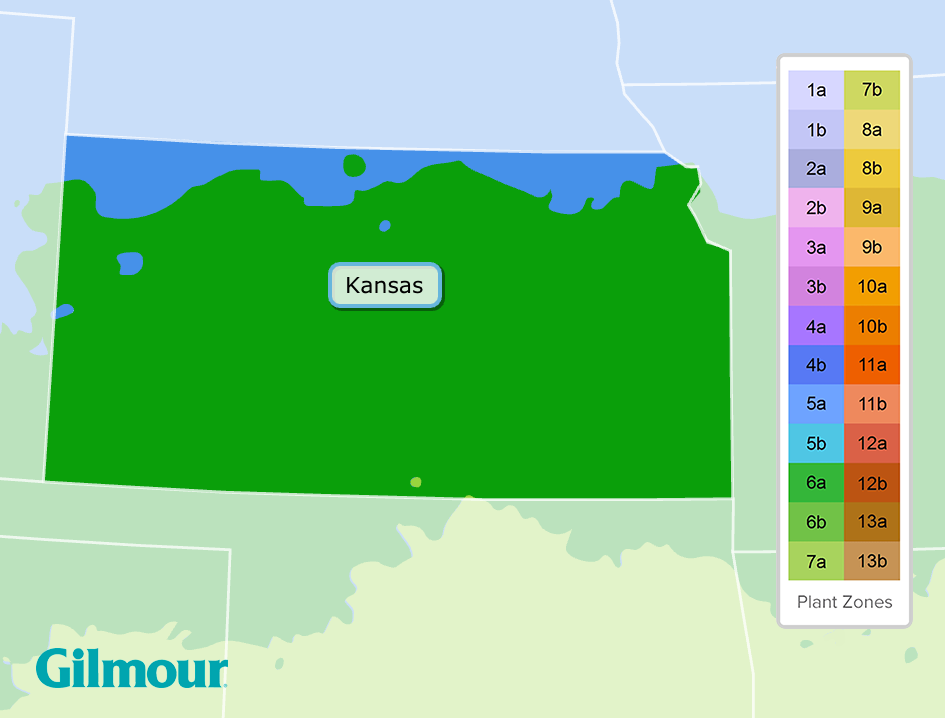
Understanding the Hardiness Zones of the Kansas Landscape
The geography of Kansas is far from a monolith. While the state is often characterized as flat, its subtle elevation changes and longitudinal width create significant shifts in temperature and moisture. These shifts are reflected in the various growing zones that span the state, influencing everything from the wildflowers in the Flint Hills to the agricultural output of the High Plains.
The Northern Frontier: Zone 5b
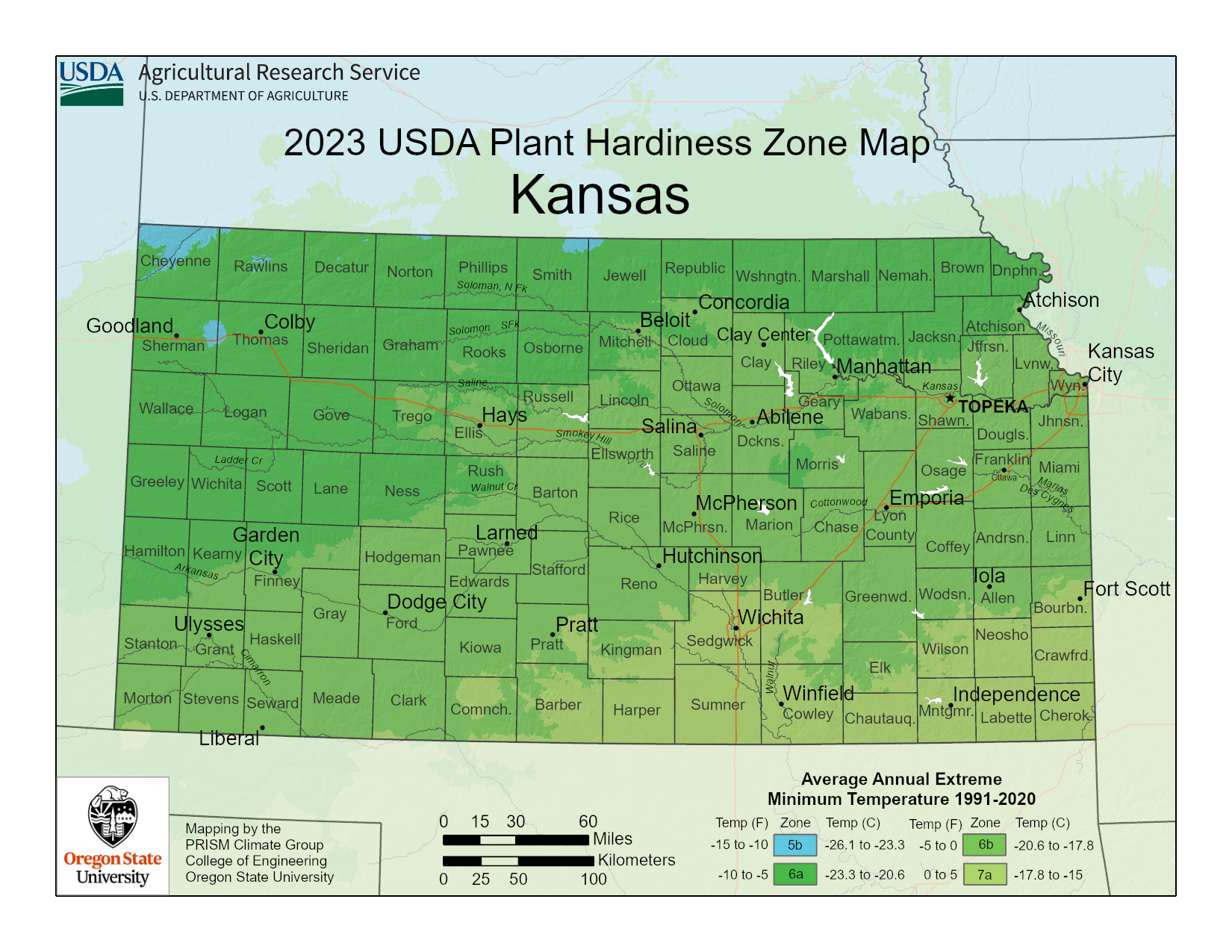
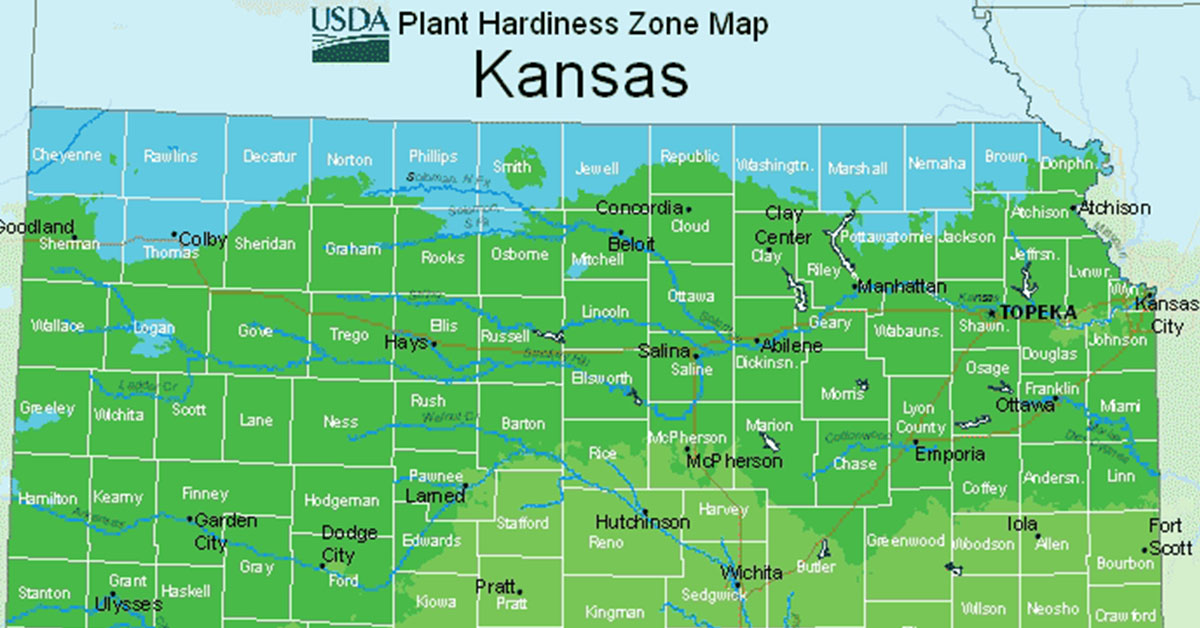
In the northernmost reaches of the state, particularly near the borders of Nebraska, the climate is significantly cooler. Cities like Goodland and St. Francis fall into Zone 5b. Here, the winter temperatures can drop to -15 degrees Fahrenheit. This zone is characterized by its resilience; the plants that thrive here must withstand harsh winters and biting winds. When visiting the northern landmarks, one sees the rugged beauty of shortgrass prairies that have adapted to these biting conditions over millennia.
The Central Heartlands: Zones 6a and 6b
The majority of Kansas, including major hubs like Wichita, Topeka, Salina, and Manhattan, falls within Zone 6. This is the transitional core of the state. Zone 6a, slightly cooler, covers the north-central regions, while 6b blankets the central and eastern portions. This zone is the sweet spot for the state’s famous sunflowers and the lush vegetation found along the Kansas River. Travelers to Lawrence or Kansas City will experience the temperate summers and moderate winters that allow for a diverse range of deciduous trees and vibrant public gardens.
The Southern Border: Zone 7a
As you move toward the Oklahoma border, the climate softens. Areas around Arkansas City, Baxter Springs, and Liberal are classified as Zone 7a. In this region, the minimum temperatures rarely dip below 0 to 5 degrees Fahrenheit. This warmer climate allows for a longer growing season and the introduction of flora that might struggle in the northern half of the state. The Red Hills region, with its striking cinnabar-colored soil and mesas, benefits from this milder climate, showcasing a unique ecological niche within the state.
Natural Landmarks Defined by Climate and Hardiness
The growing zones of Kansas do more than just guide gardeners; they define the very landmarks that make the state a destination for nature lovers. Each zone hosts specific geological and biological wonders that are shaped by the prevailing weather patterns of the region.
The Tallgrass Prairie National Preserve
Located in the heart of the Flint Hills, the Tallgrass Prairie National Preserve is one of the most significant natural landmarks in the United States. Falling within Zone 6, this area is a remnant of the vast ecosystem that once covered a third of the continent. The deep roots of the big bluestem and switchgrass are perfectly adapted to the Zone 6 climate, allowing them to survive both the summer droughts and the freezing winter nights. Visitors here can witness the majestic bison herds and the undulating waves of grass that change color with the seasons.
Monument Rocks and the Smoky Hills
In the western part of the state, within the transition between Zones 5 and 6, lie the Monument Rocks. Also known as the Chalk Pyramids, these towering sedimentary formations rise out of the plains like ancient sentinels. Nearby, Castle Rock offers a similar glimpse into the prehistoric sea that once covered the area. The vegetation surrounding these landmarks is sparse but hardy, consisting of yuccas and buffalo grass that can handle the high-altitude sun and the low-moisture environment of the Smoky Hills.
Quivira National Wildlife Refuge and Cheyenne Bottoms
For those interested in the intersection of water and earth, the Quivira National Wildlife Refuge and Cheyenne Bottoms are essential stops. Located in central Kansas, these wetlands are vital waypoints for migratory birds. The climate here is perfectly suited for the saline and freshwater marshes that support millions of shorebirds annually. These landmarks highlight how the moderate temperatures of Zone 6 allow for a complex aquatic ecosystem in the middle of a semi-arid region.
Horticultural Landmarks and Public Spaces
Kansas has turned its challenging climate into a canvas for some of the most beautiful botanical landmarks in the country. These public spaces are designed to showcase the beauty of the state’s growing zones through curated landscapes and native plantings.
Botanica, The Wichita Gardens
In the heart of Wichita, Botanica, The Wichita Gardens serves as a premier destination for those looking to see the potential of Zone 6b. With over 30 themed gardens, including the Sally Stone Rocket Garden and a stunning butterfly house, it is a testament to the diversity of life that can flourish in the Great Plains. The gardens are a landmark of urban planning and nature conservation, providing an educational look at how native plants like purple coneflower and black-eyed Susans anchor the local ecosystem.
Overland Park Arboretum & Botanical Gardens
Located in the Kansas City metropolitan area, the Overland Park Arboretum & Botanical Gardens covers 300 acres of preserved and manicured land. This landmark is particularly famous for its woodland trails and the Monet Garden. Because it sits in a transition area of Zone 6, the arboretum features a mix of eastern deciduous forest and western prairie plants, making it a unique ecological meeting point for visitors.
Bartlett Arboretum in Belle Plaine
South of Wichita in Belle Plaine, the Bartlett Arboretum is a historic treasure. Founded in 1910, it is one of the few arboretums between the Mississippi River and the Rocky Mountains. This landmark thrives in the slightly warmer Zone 6b/7a border, allowing for a massive collection of mature trees and vibrant tulips that draw thousands of tourists every spring. It remains a pinnacle of Kansas horticultural history.
Seasonal Tips for Exploring the Kansas Outdoors
To truly appreciate the natural landmarks of Kansas, one must understand the timing of the seasons within these growing zones. The state’s weather can be unpredictable, but each season offers a different perspective on the landscape.
Spring and the Renewal of the Plains
Spring is perhaps the most vibrant time to visit the landmarks of Kansas. In Zones 6 and 7, the wildflower blooms typically begin in late April and peak in May. This is the best time to hike the Konza Prairie near Manhattan or to explore the Mushroom Rock State Park. The air is crisp, and the emerald green of the emerging tallgrass is a sight that defines the beauty of the Midwest.
Summer Heat and Golden Vistas
Summer in Kansas can be intense, with temperatures often soaring above 90 degrees. This is the season when the sunflower fields—found throughout the state but especially near Lawrence and Goodland—reach their full glory. If you are visiting landmarks like Dodge City or the Garden City area in the west, plan for early morning or late evening excursions to avoid the midday sun. The golden light of a Kansas sunset over the High Plains is an experience no traveler should miss.
Autumn and Winter Resilience
As the state transitions into autumn, the prairie grasses turn to shades of amber, rust, and gold. This is the ideal time to visit the Arkansas River valley or the Little Jerusalem Badlands State Park. The cooling temperatures make for perfect hiking weather. In winter, the landmarks take on a stark, minimalist beauty. While the growing zones are dormant, the sight of a snow-covered Monument Rocks or the frost on the trees along the Missouri River border provides a quiet, reflective look at the state’s natural endurance.
Whether you are navigating the northern chills of Zone 5b or the southern warmth of Zone 7a, the growing zones of Kansas offer a guide to the state’s hidden wonders. By understanding these environmental boundaries, travelers can better appreciate the history, architecture, and raw nature of the landmarks that define the Sunflower State. From the depths of the Flint Hills to the heights of the western bluffs, the land tells a story of survival and spectacular beauty.
LifeOutOfTheBox is a participant in the Amazon Services LLC Associates Program, an affiliate advertising program designed to provide a means for sites to earn advertising fees by advertising and linking to Amazon.com. Amazon, the Amazon logo, AmazonSupply, and the AmazonSupply logo are trademarks of Amazon.com, Inc. or its affiliates. As an Amazon Associate we earn affiliate commissions from qualifying purchases.