
The chilling phrase “Idaho Killer” conjures images of the tragic events that shook the quiet college town of Moscow, Idaho. While the investigation has progressed, the question of what truly happened to the perpetrator and the individuals involved continues to captivate public attention, prompting a deeper look into the legal processes and the lasting impact on the community. This narrative delves into the unfolding of the investigation, the pursuit of justice, and the enduring legacy of the University of Idaho student murders.
The Unfolding Investigation and the Pursuit of Bryan Kohberger
The brutal murders of Kaylee Goncalves, Madison Mogen, Xana Kernodle, and Ethan Chapin on November 13, 2022, sent shockwaves through the United States. The initial period was marked by intense fear and uncertainty in Moscow, as authorities worked tirelessly to identify a suspect. The case, with its seemingly random nature and the vulnerability of the victims, quickly became a national headline.

Early Stages and Public Anxiety
In the immediate aftermath, law enforcement agencies, including the Moscow Police Department and the Idaho State Police, were inundated with tips and theories. The lack of immediate answers fueled public speculation and anxiety, particularly among students and residents of Idaho. The focus was on gathering forensic evidence, interviewing witnesses, and meticulously piecing together the timeline of events. The use of advanced forensic techniques, such as DNA analysis and digital footprint tracing, played a crucial role in narrowing down the suspect pool.
The Identification and Arrest of Bryan Kohberger
The breakthrough in the case came with the identification of Bryan Kohberger, a 28-year-old doctoral student at Washington State University in neighboring Pullman. His arrest in December 2022 in Albrightsville, Pennsylvania, marked a significant turning point in the investigation. The evidence leading to his apprehension reportedly included DNA found at the crime scene, his vehicle’s presence near the victims’ residence, and data from his cell phone. The intensive search and meticulous detective work by law enforcement ultimately led to this pivotal moment.
Extradition and Initial Court Proceedings
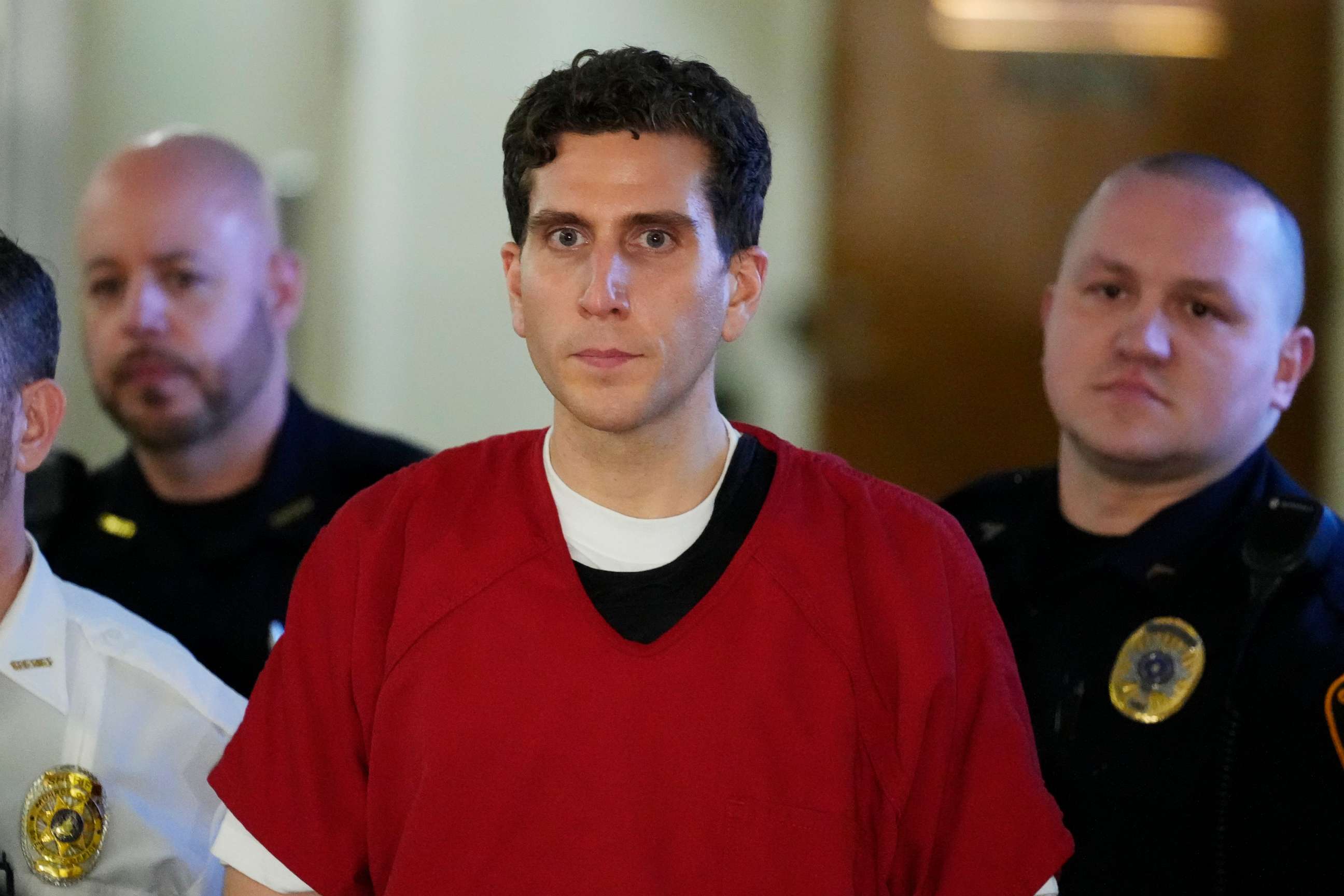
Following his arrest, Bryan Kohberger was extradited back to Idaho to face charges of four counts of first-degree murder and one count of burglary. The initial court appearances were highly anticipated, with media outlets and the public eager for any new details. These proceedings laid the groundwork for the complex legal battle that would ensue, establishing the formal charges and the legal path forward.
The Legal Battle and the Question of Guilt
The legal process surrounding the Idaho Killer case has been a protracted and deeply scrutinized affair. As Bryan Kohberger maintained his plea of not guilty, the prosecution worked to build a case that would prove his culpability beyond a reasonable doubt. The legal system’s commitment to due process and fair trial has been central to every step of this high-profile prosecution.
The Prosecution’s Case
The prosecution, led by the Latah County Prosecutor’s Office, aimed to present a comprehensive narrative connecting Kohberger to the crime. Their strategy reportedly involved leveraging a significant amount of forensic evidence, including DNA, cell phone data, and potential witness testimonies. The prosecution sought to demonstrate a clear motive and opportunity, painting a picture of premeditation and execution of a horrific act. The presentation of evidence in court is a critical phase, where the strength and coherence of the prosecution’s arguments are tested.
The Defense’s Strategy
The defense team, tasked with representing Bryan Kohberger, has focused on challenging the evidence presented by the prosecution and raising questions about the investigation’s integrity. This often involves scrutinizing the chain of custody for forensic samples, questioning the reliability of witness accounts, and highlighting any potential weaknesses or alternative theories. The defense’s role is to ensure that the prosecution meets the high burden of proof required for a conviction, asserting the defendant’s right to a robust legal defense.

The Plea of Not Guilty
From his initial court appearances, Bryan Kohberger has consistently entered a plea of not guilty to the charges. This stance signifies his intention to contest the allegations and necessitates a full trial where the prosecution must prove its case. The plea is a fundamental right within the legal system, setting the stage for the adversarial process that will determine the outcome.
The Sentencing and the Impact of the Verdict
The culmination of a criminal trial rests on the verdict and, if guilty, the subsequent sentencing. The Idaho Killer case has been no exception, with the outcome carrying immense weight for the victims’ families, the community, and the legal precedent it might set.
The Death Penalty
In a significant development, the prosecution in Idaho announced their intention to seek the death penalty for Bryan Kohberger. This decision placed the case at the forefront of discussions about capital punishment and the legal and ethical considerations surrounding it. The possibility of the death penalty introduced an additional layer of gravity and intense public scrutiny to the proceedings.
The Verdict and Sentencing
The trial has been a prolonged process, with numerous pre-trial motions and delays. The ultimate verdict, whether guilty or not guilty, will bring a definitive resolution to the criminal proceedings. If a guilty verdict is reached, the sentencing phase will determine the punishment, ranging from life imprisonment to the death penalty, depending on the jury’s decision and the legal framework of Idaho. The sentencing will mark a critical point in the journey towards closure for those affected by the tragedy.
The Lasting Impact on Moscow and Beyond
The events in Moscow have left an indelible mark on the community and have served as a stark reminder of the fragility of safety, even in seemingly tranquil settings. The investigation and legal proceedings have been a focal point, but the human cost and the long-term implications for Idaho are profound.
Community Healing and Resilience
The immediate aftermath of the murders was characterized by grief, fear, and a collective search for understanding. As the investigation progressed, a sense of community resilience began to emerge. Support systems were established for the victims’ families, and vigils were held to honor their lives. The healing process for Moscow is ongoing, with many seeking to move forward while never forgetting the lives lost.
The Legacy of the Victims
The four students – Kaylee Goncalves, Madison Mogen, Xana Kernodle, and Ethan Chapin – are remembered not just as victims, but as individuals with promising futures, beloved by their families and friends. Their stories and the impact they had on those around them are an integral part of the narrative, serving as a poignant reminder of the human lives tragically cut short.
Lessons Learned and Future Prevention
High-profile cases like this often lead to discussions about public safety, campus security, and the effectiveness of law enforcement. The Idaho Killer case has prompted introspection into how communities can better protect themselves and what measures can be taken to prevent similar tragedies in the future. The meticulous work of law enforcement in solving the crime, while somber in its context, offers insights into the capabilities of modern investigative techniques and the dedication of those who serve to uphold justice. The question of “what happened” to the Idaho Killer has evolved from a mystery to a legal process, underscoring the system’s commitment to accountability, even in the face of unimaginable loss.
LifeOutOfTheBox is a participant in the Amazon Services LLC Associates Program, an affiliate advertising program designed to provide a means for sites to earn advertising fees by advertising and linking to Amazon.com. Amazon, the Amazon logo, AmazonSupply, and the AmazonSupply logo are trademarks of Amazon.com, Inc. or its affiliates. As an Amazon Associate we earn affiliate commissions from qualifying purchases.