
Embarking on a journey from the vibrant metropolis of Chicago, Illinois, to the sun-kissed shores and diverse landscapes of California is a common itinerary for business travelers, tourists, and those visiting family. While seemingly a straightforward question, the actual duration of a flight between these two expansive regions can vary significantly based on a multitude of factors. Understanding these variables is key to planning an efficient and comfortable trip across the United States.
Understanding the Variables of Transcontinental Air Travel
The distance between Chicago and California spans roughly 1,700 to 2,000 miles, depending on the specific cities involved. This vast expanse means that a flight is considered a medium to long-haul domestic journey, with several elements influencing the exact time spent airborne.
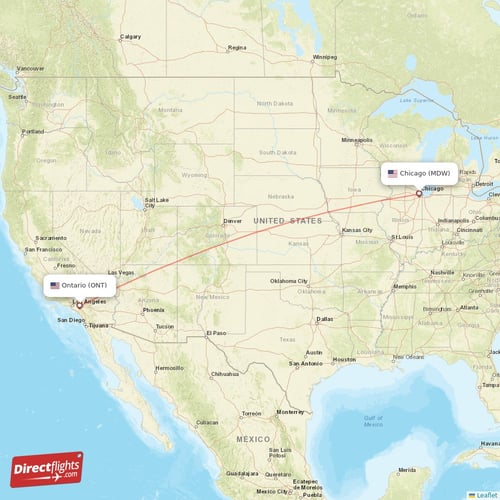
Distance and Specific Destinations
California is a vast state, stretching over 770 miles from north to south, meaning the journey to Los Angeles will differ from a flight to San Francisco or San Diego. Similarly, Chicago boasts two major international airports: Chicago O’Hare International Airport (ORD) and Chicago Midway International Airport (MDW). Most direct flights to California depart from ORD due to its larger capacity and extensive route network.
Key California airports commonly served by direct flights from Chicago include:
- Los Angeles International Airport (LAX)
- San Francisco International Airport (SFO)
- San Diego International Airport (SAN)
- Oakland International Airport (OAK)
- San Jose International Airport (SJC)
- Sacramento International Airport (SMF)
The geographical positioning of these airports across California dictates variations in flight time. Flights to Southern California airports like LAX and SAN are generally shorter than those to Northern California hubs like SFO or OAK due to the slightly shorter great-circle distance.
Direct vs. Connecting Flights
The most significant determinant of total travel time is whether your flight is direct or involves one or more layovers. A direct flight will naturally be the quickest, avoiding the often unpredictable delays associated with transfers. Connecting flights, while sometimes more economical, add substantial time to the journey, not just from the flight segments themselves but also from taxiing, gate delays, deplaning, re-boarding, and potential airport navigation. Common connecting hubs for flights between Chicago and California include Denver, Phoenix, and Dallas, each adding several hours to the overall trip.
Aircraft Type and Air Traffic Control
Modern aircraft models, with their improved aerodynamics and engine efficiency, can fly at slightly faster cruising speeds. However, the difference between typical commercial airliners (e.g., Boeing 737s, Airbus A320s, or larger wide-body jets on popular routes) is usually marginal for domestic flights. More impactful are factors related to air traffic control, prevailing winds, and airport congestion. Headwinds (winds blowing against the aircraft’s direction of travel) can add significant time to a westbound flight, while tailwinds can shorten an eastbound journey. Similarly, delays on the ground, such as waiting for takeoff clearance or a gate upon arrival, can extend the total elapsed time, even if the flight itself was on schedule.
Typical Flight Durations Across the Golden State
For direct flights, the journey from Chicago to California is remarkably consistent within certain geographical zones.
Chicago to Southern California (LAX, SAN)
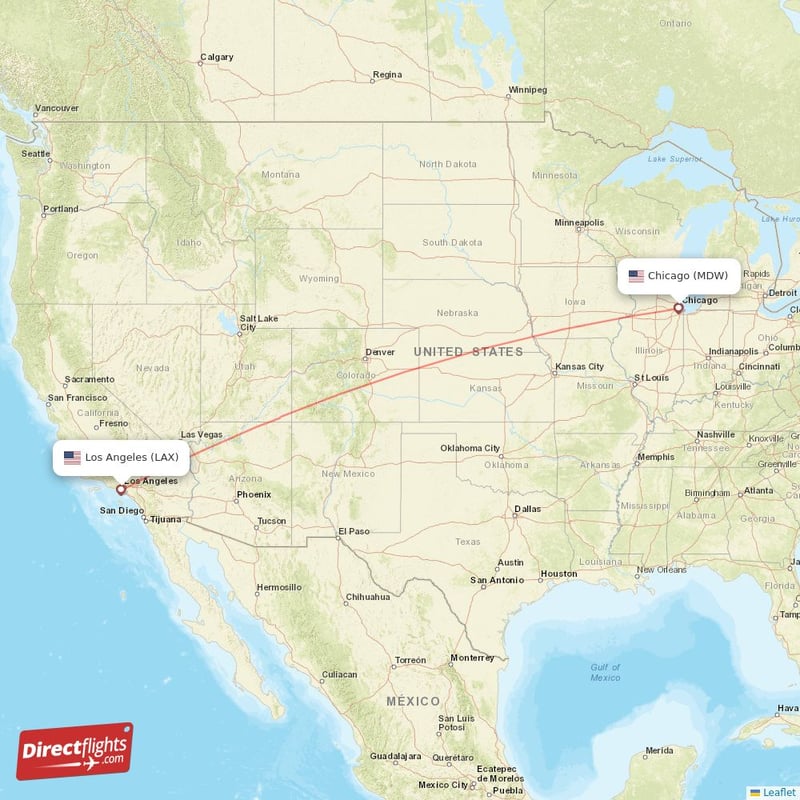
A direct flight from Chicago O’Hare International Airport (ORD) or Chicago Midway International Airport (MDW) to airports like Los Angeles International Airport (LAX) or San Diego International Airport (SAN) typically averages around 4 hours and 15 minutes to 4 hours and 45 minutes. This timeframe accounts for the approximately 1,745 miles to Los Angeles and 1,760 miles to San Diego. Variations within this range are often due to specific flight paths, air traffic, and wind conditions.
Chicago to Northern California (SFO, OAK, SJC)
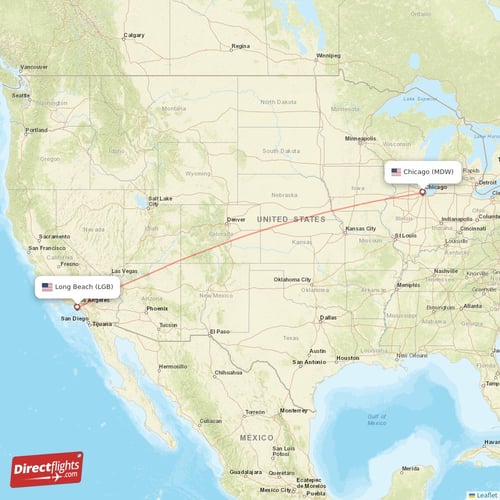
Flights heading to Northern California airports, such as San Francisco International Airport (SFO), Oakland International Airport (OAK), or San Jose International Airport (SJC), cover a slightly greater distance. The journey to San Francisco, for example, is approximately 1,845 miles. Consequently, direct flight times usually range from 4 hours and 45 minutes to 5 hours and 15 minutes. Again, prevailing winds, especially strong headwinds, can sometimes push this duration closer to 5.5 hours, though this is less common.
Other California Destinations (SMF, etc.)
For destinations further inland or in central California, such as Sacramento International Airport (SMF), direct flight times from Chicago fall within a similar range as Northern California airports, typically around 4 hours and 50 minutes to 5 hours and 20 minutes. Travelers to less populated areas might find that a direct flight to a major hub like LAX or SFO followed by a shorter connecting flight or ground transportation is the most efficient option.
Optimizing Your Flight Experience
While flight duration is largely fixed for direct routes, you can still optimize your overall travel experience.
Best Time to Book and Fly
Booking your flight several weeks or even months in advance often secures better fares and more direct flight options. Flexibility with travel dates can also yield savings and less crowded flights. Flying mid-week (Tuesday, Wednesday) or during off-peak seasons (avoiding holidays and major school breaks) can sometimes result in shorter ground delays and a smoother journey through the airport. Early morning flights are also frequently less prone to cascading delays that can build up throughout the day.
Choosing the Right Airline and Airport
Several major airlines offer direct flights from Chicago to various California airports. Carriers such as United Airlines, American Airlines, Southwest Airlines, Alaska Airlines, Spirit Airlines, and Frontier Airlines frequently operate these routes. When choosing an airline, consider not only the cost but also factors like baggage allowances, in-flight amenities (Wi-Fi, entertainment, complimentary snacks), and seat pitch, especially for a several-hour journey. Selecting the airport in California that is closest to your final destination can save significant time and money on ground transportation.
Tips for a Comfortable Journey
A flight of 4 to 5 hours is long enough to warrant some preparation for comfort.
- Hydration: Drink plenty of water before and during the flight to combat dehydration in the dry cabin air.
- Movement: Get up and stretch or walk the aisle periodically to promote circulation and prevent stiffness.
- Entertainment: Load your devices with movies, shows, podcasts, or e-books. Many airlines offer seat-back entertainment, but having your own backup is always wise.
- Noise Cancellation: Noise-canceling headphones can be a lifesaver for blocking out engine hum and cabin noise, allowing for better rest or focus.
- Snacks: While airlines often provide snacks, bringing your own healthy options can prevent hunger pangs.
- Comfortable Clothing: Wear loose-fitting, layered clothing to adjust to fluctuating cabin temperatures.
Navigating Time Zones and Arrival Logistics
Beyond the flight duration itself, understanding the time zone change and planning your arrival logistics are crucial for a smooth transition.
Understanding the Time Difference
Chicago operates on the Central Time Zone, while California is in the Pacific Time Zone. This means there is a two-hour time difference, with California being two hours behind Chicago. If you depart Chicago at 8:00 AM Central Time on a 4.5-hour flight, you will arrive in California around 12:30 PM Pacific Time. This time difference can sometimes create the perception of a shorter travel day, but it’s important to account for it when scheduling meetings or activities upon arrival.
Post-Arrival Considerations
Upon landing in California, factor in time for deplaning, retrieving luggage, and navigating ground transportation. Major airports like LAX and SFO can be sprawling, and getting from the gate to your chosen mode of transport can take time. Options for getting around California from the airport typically include rental cars, ride-sharing services (Uber, Lyft), taxis, and various public transportation links. Planning these arrangements in advance, especially during peak travel times, will save valuable minutes and reduce stress. Finally, be mindful of potential jet lag, even with a relatively short domestic flight. While a two-hour difference is manageable, staying hydrated and getting sufficient rest can help your body adjust more quickly to the new time zone.
LifeOutOfTheBox is a participant in the Amazon Services LLC Associates Program, an affiliate advertising program designed to provide a means for sites to earn advertising fees by advertising and linking to Amazon.com. Amazon, the Amazon logo, AmazonSupply, and the AmazonSupply logo are trademarks of Amazon.com, Inc. or its affiliates. As an Amazon Associate we earn affiliate commissions from qualifying purchases.