
The Salton Sea in California is a vast, inland lake that, in its heyday, was a thriving hub for tourism and a vibrant ecosystem. Today, its narrative is one of dramatic transformation, ecological challenges, and a complex future. Understanding its past allure and present predicament offers a compelling case study in environmental change and the delicate balance between human activity and natural landscapes.
A Gilded Age of Tourism
In the early to mid-20th century, the Salton Sea was envisioned and marketed as the “New Palm Springs.” This transformation began in 1905 when a catastrophic flood diverted the Colorado River into the dry Salton Sink, creating the lake. Developers quickly recognized its potential, envisioning a playground for the wealthy and a vibrant resort destination.
Boating and Recreation’s Heyday
The deep, saline waters of the Salton Sea proved ideal for various water sports. Marinas sprang up along its shores, offering everything from motorboat racing to sailing. Wealthy Angelenos and Arizonans flocked to the area for weekend getaways and summer vacations. Iconic establishments like the Tropicana Beach Club and the Bombay Beach Yacht Club became symbols of the era’s indulgence and leisure. The burgeoning popularity attracted major celebrities of the time, further cementing its status as a glamorous destination. The shoreline was dotted with numerous vacation homes and rental properties, catering to the influx of visitors.
The Rise of the “California Riviera”
The allure of the Salton Sea extended beyond just water activities. The surrounding desert landscape, combined with the expansive lake, created a unique vacation experience. The dream was to emulate the success of other glamorous coastal resorts, offering a blend of natural beauty and sophisticated entertainment. The development of infrastructure, including roads and utilities, supported this vision. The area was promoted as a place for relaxation, entertainment, and a connection with nature, albeit a dramatically altered one.
The Unforeseen Consequences
While the initial creation of the Salton Sea was an accidental marvel, its subsequent trajectory was shaped by a complex interplay of natural processes and human interventions, leading to a slow but significant decline in its pristine condition and tourist appeal.
A Closed Basin’s Growing Salinity
The fundamental challenge facing the Salton Sea is its nature as a closed basin. Unlike oceans or rivers that have natural outlets, the lake relies solely on evaporation to lose water. As water evaporates, dissolved salts and minerals are left behind, gradually increasing the salinity of the lake. This concentration of salts has profound implications for the aquatic life it can sustain. Initially, the salinity was comparable to the ocean, but over time, it has become significantly saltier, exceeding that of the Pacific Ocean.
Agricultural Runoff and Nutrient Loading
A primary source of water for the Salton Sea has been agricultural drainage. For decades, water from the Imperial Valley and Coachella Valley farms has flowed into the lake. While this provided a consistent water source, it also carried with it fertilizers, pesticides, and other agricultural chemicals. This nutrient loading led to eutrophication, a process where excessive nutrients cause algal blooms. When these blooms die and decompose, they deplete the water’s oxygen, creating “dead zones” and further stressing the aquatic ecosystem.

The Decline of Fish Populations and Birdlife
The increasing salinity and fluctuating water levels have had a devastating impact on the fish populations that once thrived in the Salton Sea. Many species, adapted to less saline conditions, struggled to survive. This decline in food sources, in turn, affected the vast array of migratory birds that relied on the lake as a critical stopover point on their flyways. Species such as pelicans, egrets, and various waterfowl have seen their habitats compromised. The once-vibrant birdwatching opportunities diminished significantly.
Economic Downturn and Abandonment
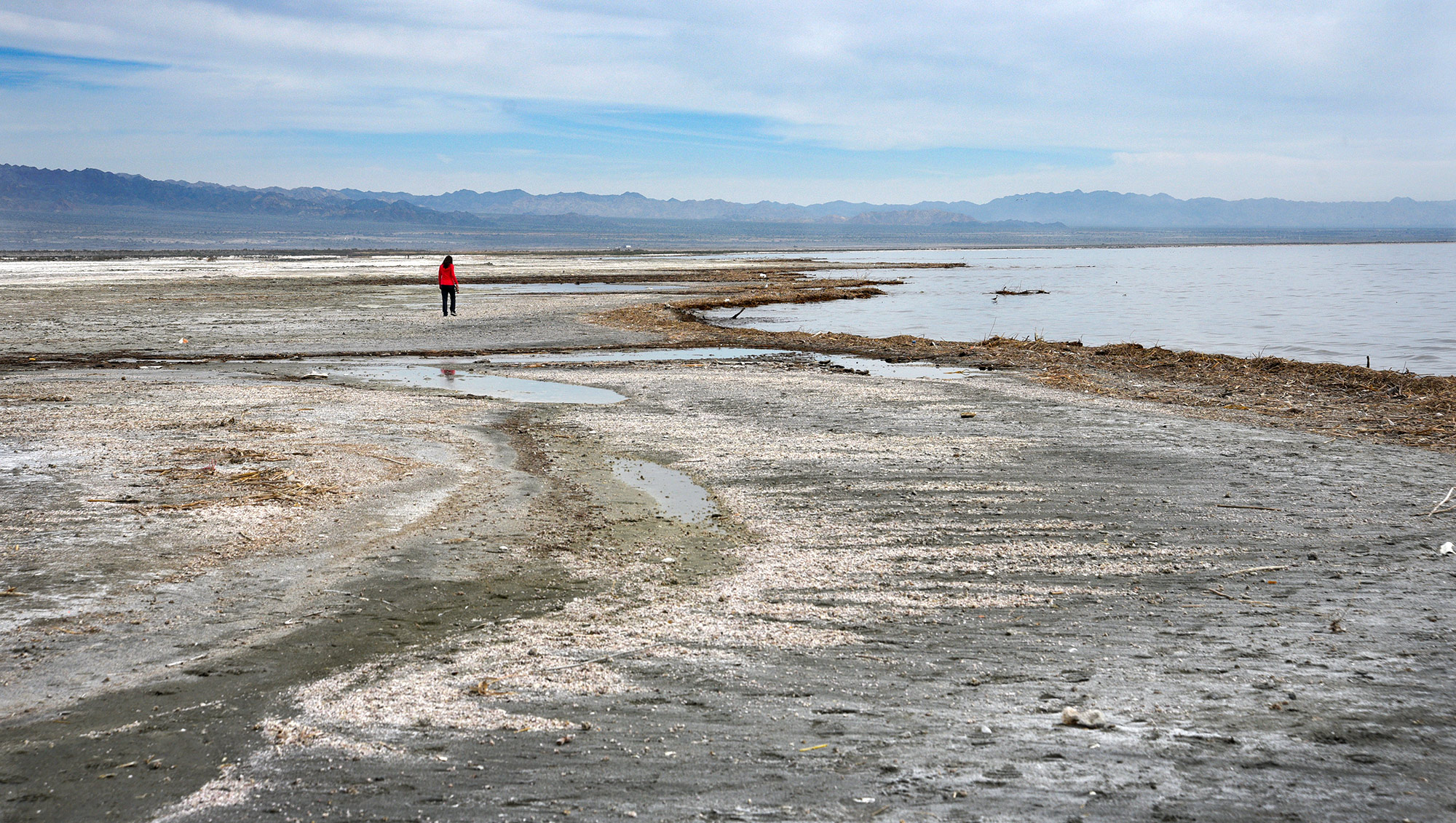
As the environmental conditions deteriorated, so did the tourism industry. The water became less appealing for recreation, the beaches became less pristine, and the overall experience began to tarnish. Many of the once-bustling resorts and marinas fell into disrepair or were abandoned altogether. Towns like Bombay Beach and Salton City experienced significant economic decline, becoming ghost towns for some and experiencing a stark contrast to their vibrant past. The dream of a thriving tourist destination evaporated with the lake’s water.
The Present Predicament and Future Prospects
The Salton Sea is now a stark reminder of the delicate ecological balance and the challenges of managing large inland water bodies. However, a renewed focus on restoration and remediation efforts offers a glimmer of hope for its future.
Dust and Health Concerns
As the lake’s water levels recede, exposed lakebed sediments are becoming a significant issue. These sediments contain naturally occurring toxic elements, such as selenium and arsenic, as well as agricultural chemicals. When these dry sediments are stirred up by wind, they create dust storms that can impact air quality in surrounding communities, posing potential health risks. This environmental hazard is a primary driver for current restoration efforts.
Restoration Efforts and Scientific Scrutiny
Over the past two decades, various efforts have been undertaken to address the Salton Sea’s decline. These range from habitat restoration projects aimed at creating healthier ecosystems for birds to initiatives focused on managing dust and improving water quality. Scientists and environmental engineers are actively studying the lake’s complex chemistry and biology to develop sustainable solutions. These efforts often involve engineering projects to re-engineer shorelines, create new wetlands, and potentially manage water inflow and outflow.
The Role of Local Communities and Policy
The future of the Salton Sea is inextricably linked to the communities that surround it. Imperial County and Riverside County are deeply invested in finding viable solutions. Policy decisions at the state and federal levels are crucial for funding and implementing large-scale restoration projects. Balancing the needs of agriculture, water conservation, ecological preservation, and community well-being remains a significant challenge.

A New Narrative for the Salton Sea?
While the romanticized era of the Salton Sea as a premier tourist destination may be a chapter of the past, its story is far from over. The ongoing restoration efforts aim to transform the lake into a more stable ecosystem and a hub for scientific research and eco-tourism. The focus is shifting from mass tourism to a more sustainable model, valuing its ecological significance and its unique, albeit altered, natural beauty. The Salton Sea offers a powerful lesson in environmental stewardship, highlighting the long-term consequences of human actions and the persistent hope for recovery and renewal.
LifeOutOfTheBox is a participant in the Amazon Services LLC Associates Program, an affiliate advertising program designed to provide a means for sites to earn advertising fees by advertising and linking to Amazon.com. Amazon, the Amazon logo, AmazonSupply, and the AmazonSupply logo are trademarks of Amazon.com, Inc. or its affiliates. As an Amazon Associate we earn affiliate commissions from qualifying purchases.