
Navigating the vast and diverse landscape of Texas can be an exhilarating experience, filled with iconic landmarks, vibrant cities, and unique attractions. Whether you’re embarking on a luxury travel adventure, a family trip, or a business stay, the Lone Star State offers something for everyone. From the bustling energy of Houston and Dallas to the historic charm of San Antonio and the artistic flair of Austin, efficient transportation is key to maximizing your exploration. This often involves utilizing the state’s extensive network of toll roads, designed to ease traffic congestion and fund infrastructure improvements.
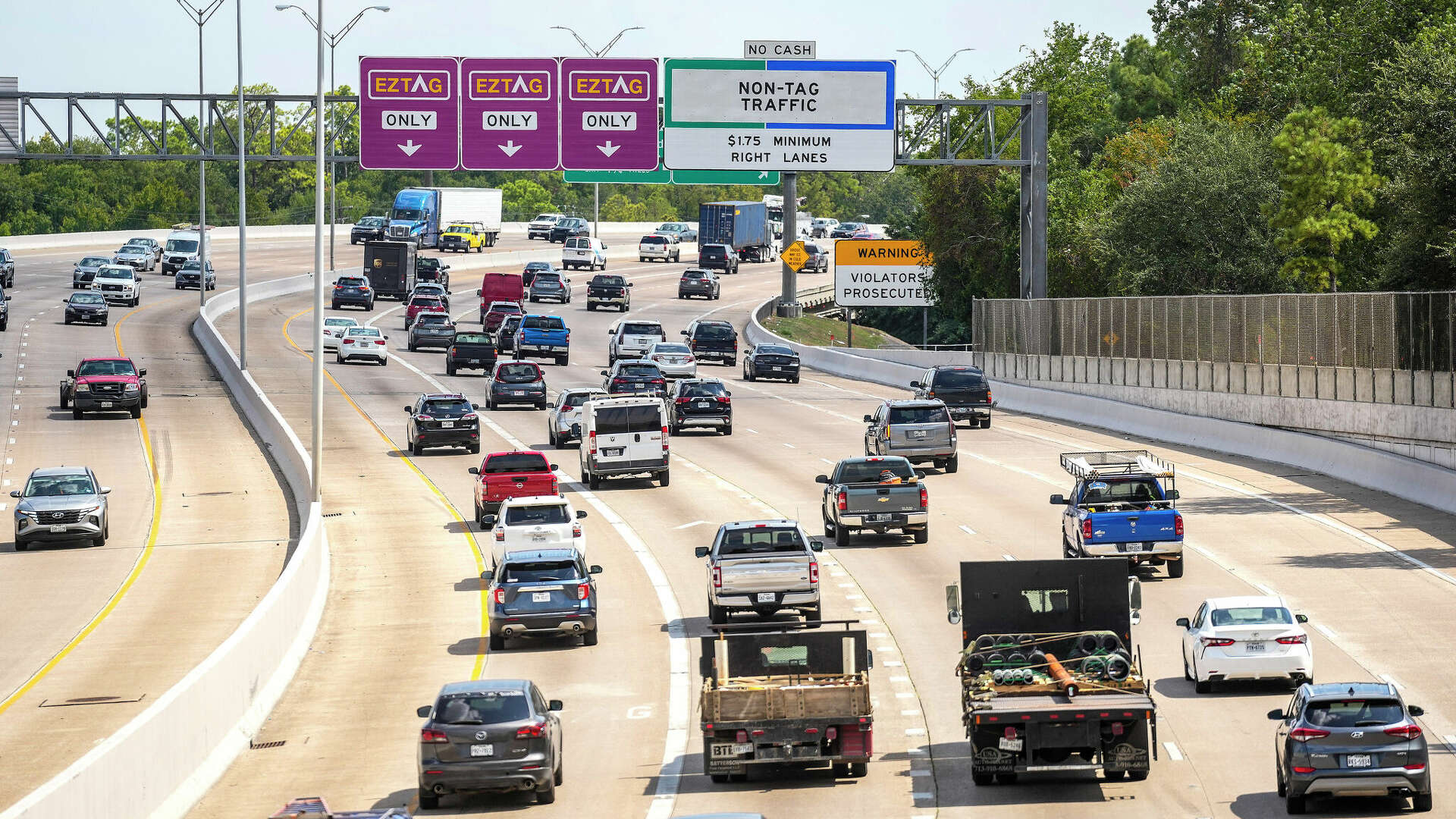
However, like in any state, failing to adhere to toll payment regulations can lead to a series of consequences. Understanding what happens if you don’t pay tolls in Texas is crucial for any traveler, whether you’re a local resident or an international visitor looking to explore this expansive region. The toll collection systems in Texas, particularly those managed by entities like the Texas Department of Transportation (TxDOT) and various regional toll authorities, are designed to be efficient and, in most cases, cashless. This means you won’t always encounter a toll booth attendant. Instead, many toll roads utilize electronic toll collection (ETC) transponders or license plate recognition systems. While this offers convenience, it also places the onus on the driver to ensure payment is made promptly.
Understanding Texas Toll Roads and Payment Methods
Texas boasts an impressive network of toll roads, many of which are modern and well-maintained, offering faster and more direct routes compared to traditional highways. These roads are managed by different entities across the state. Some of the major toll authorities include the Harris County Toll Road Authority (HCTRA) in the Houston area, the North Texas Tollway Authority (NTTA) in the Dallas-Fort Worth metroplex, and the Central Texas Regional Mobility Authority (CTRMA) serving the Austin area. Each of these authorities operates under specific regulations and procedures for toll collection and enforcement.
The primary methods for paying tolls in Texas are:
Electronic Toll Collection (ETC)
This is the most common and often the most cost-effective method. Drivers can obtain a transponder, such as a TxTag, EZ Tag, or WingSpan Toll Road Tag, from one of the authorized providers. These devices are mounted on your vehicle’s windshield and communicate with tolling equipment as you pass through. Your prepaid account is then debited for the toll amount. This method typically offers discounted toll rates compared to other payment options. For travelers staying in resorts or apartments for an extended period, setting up an account in advance is highly recommended.
Pay By Mail or Online (License Plate Recognition)
If you don’t have an ETC transponder, your license plate will be captured by cameras as you drive through a toll plaza. A bill, often referred to as a Toll Invoice or Toll Statement, will then be mailed to the registered owner of the vehicle. These invoices can typically be paid online, by mail, or sometimes in person. It’s crucial to note that the mailing address is derived from the vehicle’s registration information with the Texas Department of Motor Vehicles. This system is designed for convenience, but it’s your responsibility to ensure the bill is received and paid on time, even if you’re only on a short travel excursion from your hotel.
Invoice Payment
Some toll authorities also offer a “pay by invoice” option directly on their websites. This can be a helpful recourse if you receive an invoice and wish to pay it electronically without setting up a full ETC account. This is especially useful for tourists or those who rarely drive on toll roads.
The Escalating Consequences of Non-Payment
Ignoring toll payments in Texas is not a practice that goes unnoticed. The state and its various toll authorities have robust systems in place to track and enforce toll violations. The consequences for non-payment are designed to escalate, encouraging timely resolution.
Initial Toll Invoice and Late Fees
When a toll is not paid by the due date, the initial invoice is typically followed by additional charges. These can include administrative fees and late fees, which significantly increase the original toll amount. These fees are designed to cover the costs associated with pursuing payment and can accumulate rapidly. For example, a $5 toll could quickly become $15 or more due to these added charges. This is a crucial point for anyone planning budget travel through Texas, as unexpected fees can derail financial plans.

Unpaid Toll Notices and Collections
If the initial invoice and late fees remain unpaid, toll authorities will continue to send notices. These notices become more serious in tone and often warn of further legal action. In many cases, unpaid toll debts can be turned over to third-party collection agencies. These agencies employ aggressive tactics to recover the owed amounts, which can negatively impact your credit score. This can be particularly concerning for individuals planning to make future bookings for accommodations or seeking loans for their travels.
Vehicle Registration Holds
Perhaps one of the most impactful consequences for Texas residents and vehicles registered in the state is the possibility of a vehicle registration hold. If a significant amount of unpaid tolls accumulates, the Texas Department of Motor Vehicles can place a hold on your vehicle’s registration. This means you will be unable to renew your vehicle’s registration until the outstanding toll debt is settled. This can have serious implications for daily life, preventing you from legally operating your vehicle.
Bounced Checks and Payment Dishonor
If you attempt to pay tolls with a check that bounces or a credit card that is declined, this can also result in additional fees and penalties. The toll authorities will treat this as a form of non-payment and may impose charges for returned payment processing.
Avoiding Toll Violations and Managing Your Toll Account
The best approach to avoiding the hassle and expense of unpaid tolls in Texas is to be proactive and informed. Whether you’re a frequent traveler or a first-time visitor, understanding your obligations and utilizing the available tools can ensure a smooth journey.
Set Up an ETC Account
For anyone planning extensive travel through toll roads in Texas, setting up an account with an ETC provider like TxTag, EZ Tag, or WingSpan Toll Road Tag is highly recommended. Ensure you have sufficient funds in your account, and keep your vehicle information and payment methods up to date. This not only saves money on toll rates but also eliminates the worry of receiving unexpected invoices. For those enjoying long-term stays in apartments or villas, this is an essential step.
Monitor Your Mail and Email
If you opt for the pay-by-mail option or don’t have an ETC transponder, it’s crucial to regularly check your postal mail and email for toll invoices. Ensure your contact information with the Texas Department of Motor Vehicles is current so that any correspondence reaches you. If you’re staying in a hotel or a temporary rental, make arrangements to have mail forwarded or checked regularly.
Understand Toll Road Signage
Texas toll roads are generally well-signed, indicating the presence of toll plazas and payment options. Pay close attention to these signs, especially when entering a toll road for the first time. Familiarize yourself with the different types of tolling systems used by various authorities, as their invoice procedures might vary slightly.

Address Violations Promptly
If you do receive a toll invoice or a violation notice, don’t ignore it. Contact the issuing toll authority immediately to understand the charges and make a payment arrangement. Most toll authorities are willing to work with individuals to resolve outstanding debts, especially if they are addressed promptly. Ignoring the problem will only lead to escalating fees and more severe consequences. For those who have experienced a lapse in judgment, reaching out to customer service for authorities like the Harris County Toll Road Authority or the North Texas Tollway Authority can provide clarity and a path to resolution.
In conclusion, while Texas offers a remarkable array of experiences for travelers, from exploring natural landmarks to enjoying vibrant local culture, it’s essential to be mindful of its transportation regulations. Understanding the implications of not paying tolls – which can range from late fees and collections to registration holds – is paramount. By utilizing electronic toll collection, staying vigilant with mail, and addressing any issues promptly, you can ensure your journey through the Lone Star State is as enjoyable and stress-free as possible, allowing you to focus on the attractions, experiences, and food that make Texas such a captivating destination.
LifeOutOfTheBox is a participant in the Amazon Services LLC Associates Program, an affiliate advertising program designed to provide a means for sites to earn advertising fees by advertising and linking to Amazon.com. Amazon, the Amazon logo, AmazonSupply, and the AmazonSupply logo are trademarks of Amazon.com, Inc. or its affiliates. As an Amazon Associate we earn affiliate commissions from qualifying purchases.