
Phoenix, Arizona, a sprawling metropolis nestled in the heart of the Sonoran Desert, serves as a vital economic and cultural hub in the southwestern United States. For travelers planning a visit to this vibrant city, understanding its aviation infrastructure is key to a smooth and efficient journey. The question of “how many airports are in Phoenix, Arizona?” is more nuanced than a simple number, as it encompasses a network of facilities catering to different types of air travel, from major international flights to general aviation. While one airport undeniably dominates the commercial landscape, a closer look reveals a strategic array of airfields designed to serve the diverse needs of residents and visitors alike. This article will delve into the specifics of Phoenix’s airport ecosystem, offering insights into each facility’s role and how travelers can best navigate them.

Navigating the Gateway to the Grand Canyon State
When most people refer to an airport in Phoenix, they are almost invariably thinking of its primary international gateway. This facility is not just an arrival and departure point; it’s a critical component of the region’s connectivity, linking the Grand Canyon State to domestic and international destinations.
Phoenix Sky Harbor International Airport (PHX): The Primary Hub
The undisputed leader in Phoenix’s aviation scene is Phoenix Sky Harbor International Airport (PHX). Situated just a few miles east of downtown Phoenix, PHX is one of the busiest airports in the United States, serving tens of millions of passengers annually. It acts as a major hub for American Airlines and a focus city for Southwest Airlines, offering extensive direct flights across North America, as well as select international routes to Mexico, Canada, and beyond.
Sky Harbor’s strategic location makes it incredibly convenient for travelers heading to Phoenix proper, as well as neighboring cities like Tempe, Scottsdale, and Mesa. The airport is well-equipped with modern facilities, including multiple terminals, an automated people mover (Sky Train) connecting terminals to rental car facilities and light rail, and a comprehensive array of dining and shopping options. Its efficiency and central location make it the first choice for the vast majority of commercial air travelers visiting or departing from the Phoenix metropolitan area.
The Role of Sky Harbor in Regional Travel
Sky Harbor’s influence extends far beyond just international and major domestic routes. It serves as a vital gateway for connecting flights to smaller regional airports across Arizona and the surrounding states. For those looking to explore Arizona’s natural wonders, such as the Grand Canyon, or visit other significant cities like Tucson or Flagstaff, Sky Harbor is typically the initial point of entry. Its extensive network ensures that travelers have numerous options for reaching even the most remote parts of the region, making it an indispensable asset for both tourism and business travel within the Southwest. The airport continuously invests in infrastructure improvements to enhance passenger experience and accommodate future growth, cementing its status as a premier aviation hub.
Beyond the Main Gateway: Understanding Phoenix’s Airfield Network
While Sky Harbor is the behemoth of commercial air travel in Phoenix, it is not the only option available. The broader Phoenix metropolitan area is home to several other airports, each playing a distinct role in the region’s air transport ecosystem. These facilities cater to different market segments, from budget commercial carriers to private and corporate jets.
Phoenix-Mesa Gateway Airport (AZA): An Emerging Alternative
Located in Mesa, approximately 20 miles southeast of downtown Phoenix, Phoenix-Mesa Gateway Airport (AZA) has emerged as a significant alternative for commercial air travel, particularly for budget-conscious travelers. Formerly a military air base, Gateway Airport has been repurposed and expanded to accommodate passenger airlines, primarily serving Allegiant Air.
AZA offers direct flights to numerous smaller and mid-sized cities across the United States, often providing more affordable fares than those found at Sky Harbor. Its growth has been substantial, attracting travelers who prioritize cost savings and who may be traveling to the East Valley communities of Mesa, Gilbert, or Chandler. While it lacks the extensive international connections and full-service airline options of PHX, AZA is a valuable asset for the region, diversifying travel options and alleviating some of the passenger volume from the primary airport. Its simpler layout and less congested environment can also appeal to travelers seeking a more relaxed airport experience.
General Aviation and Executive Travel: Smaller Airfields
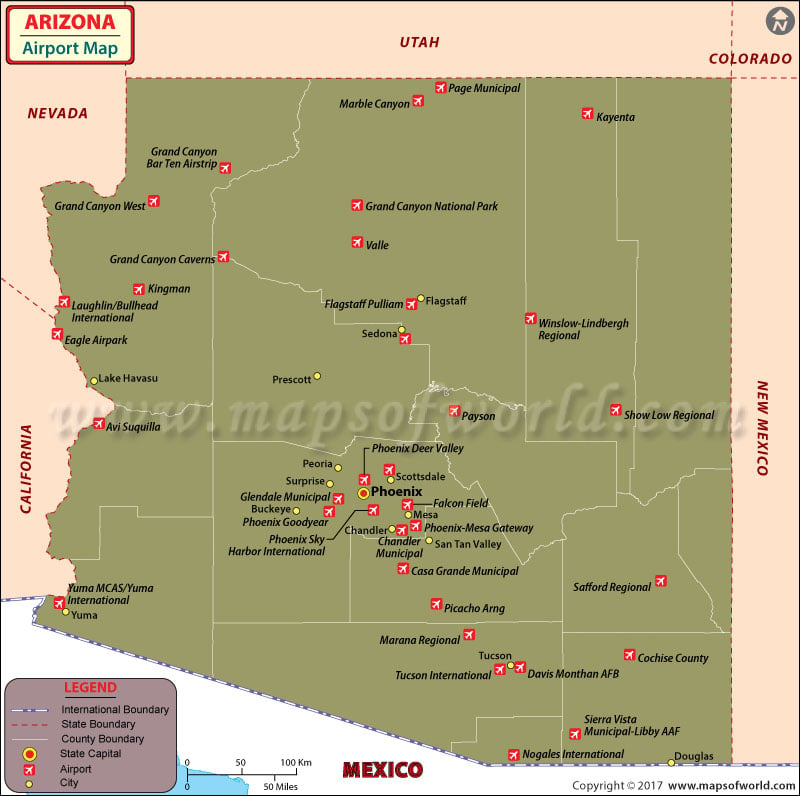
Beyond the two main commercial airports, the Phoenix area boasts several municipal and private airfields dedicated primarily to general aviation, corporate travel, and flight training. These smaller airports are crucial for supporting the regional economy and recreational flying.
- Scottsdale Airport (SDL): Located in affluent Scottsdale, SDL is a busy general aviation reliever airport primarily serving corporate and private jet traffic. It’s a key hub for business travelers and luxury tourism, offering quick access to the city’s high-end resorts and business districts.
- Chandler Municipal Airport (CHD): Situated in Chandler, this airport caters to a mix of corporate, private, and flight training operations. It plays a significant role in supporting the growing technology and manufacturing sectors in the Southeast Valley.
- Glendale Municipal Airport (GEU): Serving the western part of the metropolitan area, Glendale Municipal Airport supports general aviation activities, including flight schools and private aircraft. It provides convenient access to cities like Glendale and Peoria.
- Falcon Field Airport (FFZ): Located in Mesa, near Phoenix-Mesa Gateway Airport, Falcon Field Airport is another significant general aviation airport with a rich history, once serving as a World War II training base. Today, it accommodates corporate flights, flight training, and private aircraft.
These smaller airfields, while not handling commercial passenger traffic, are indispensable for specific segments of the travel industry and local economy. They provide convenience for private aircraft owners, support flight education, and facilitate quick executive travel, showcasing the comprehensive nature of Phoenix’s air transport capabilities.
Choosing Your Arrival Point: Factors for Travelers
With more than one commercial option, deciding where to land in Phoenix requires consideration. The “best” airport depends heavily on individual travel priorities.
Proximity to Your Final Destination
The most significant factor is often geography. If your lodging or business meeting is in downtown Phoenix, Tempe, or Scottsdale, Sky Harbor is typically the most convenient. Its central location minimizes travel time on the ground. However, if your ultimate destination is in the East Valley cities of Mesa, Gilbert, or Queen Creek, Phoenix-Mesa Gateway Airport might offer a shorter drive, potentially offsetting a longer flight. Always check the distance and estimated travel time from each airport to your specific address before booking.
Airline Preferences and Flight Availability
Your preferred airline and desired flight schedule will also dictate your choice. Major carriers like American Airlines, Delta Air Lines, United Airlines, and Southwest Airlines primarily operate out of Sky Harbor, offering a broader range of destinations and flight times. If you’re loyal to one of these airlines or need a specific connection, PHX is your go-to. Conversely, if you’re flying with Allegiant Air or another ultra-low-cost carrier focused on specific point-to-point routes, AZA will be the most likely, if not the only, option.
Cost Considerations and Transportation Options
While airfare is a primary component of travel costs, don’t forget to factor in ground transportation. Cheaper flights into AZA might be negated by higher taxi, ride-share, or rental car costs if your destination is on the far west side of Phoenix. Consider the total cost of your journey, including the price of a rental car (which can vary significantly between airport locations), or the expense of ride-sharing services from either airport. Sky Harbor benefits from direct light rail access to downtown Phoenix and Tempe, offering an affordable public transport option not yet available from AZA.
Enhancing the Travel Experience: Services and Amenities
Both of Phoenix’s commercial airports, and even some general aviation fields, are continuously striving to improve the traveler experience through a range of services and modern amenities.
Ground Transportation at Phoenix Airports
Efficient ground transportation is paramount for any major airport. Phoenix Sky Harbor International Airport excels in this regard with its integrated Sky Train system, connecting terminals, economy parking, and the Metro Light Rail station. This allows seamless transfers to various parts of the metropolitan area. Additionally, both PHX and AZA offer a full suite of options, including rental car centers, shared-ride shuttles, taxis, and popular ride-sharing services like Uber and Lyft. Travelers should pre-plan their ground transport, especially when arriving at the less familiar Gateway Airport, to ensure a smooth transition from air to land.
Dining, Shopping, and Lounges
As major travel hubs, both Phoenix airports provide a wide array of dining and shopping experiences. Sky Harbor, in particular, boasts an extensive selection of local Phoenix eateries and national chains, catering to diverse tastes. Duty-free shops, newsstands, and specialty stores are also readily available. For business and premium travelers, PHX offers several airline lounges (American Airlines Admirals Club, Delta Sky Club, United Club) providing a comfortable space to relax or work before a flight. AZA, while smaller, also provides essential dining and retail services to meet passenger needs.
Future Developments and Expansion Plans
The aviation landscape in Phoenix is dynamic, with ongoing plans for improvement and expansion at various airports. Sky Harbor consistently undergoes modernization projects, including terminal renovations, gate expansions, and technological upgrades to enhance efficiency and passenger comfort. Phoenix-Mesa Gateway Airport is also on a growth trajectory, continually seeking to add new routes and services to solidify its position as a viable alternative for commercial travelers. These developments underscore the region’s commitment to maintaining robust air connectivity and supporting its burgeoning population and tourism industry.
Conclusion: Making Your Phoenix Journey Seamless
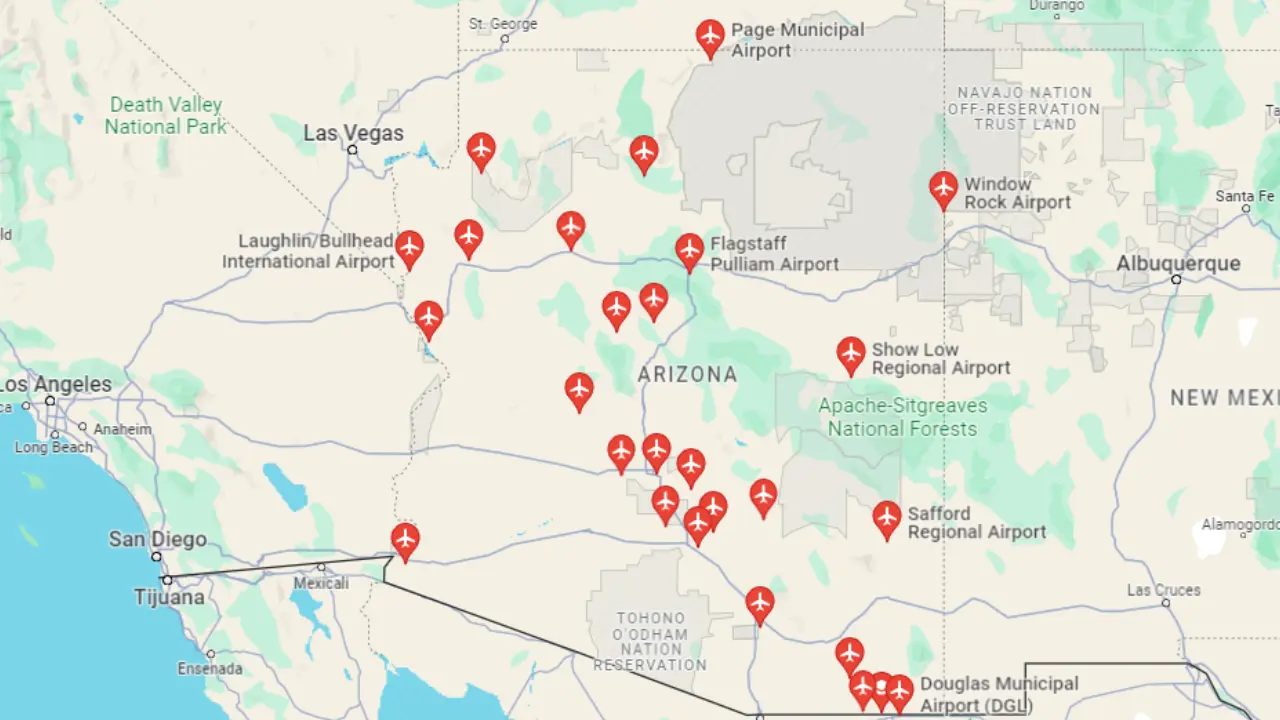
In summary, when asking “how many airports are in Phoenix, Arizona?”, the most accurate answer for commercial travelers is two primary airports: Phoenix Sky Harbor International Airport (PHX) and Phoenix-Mesa Gateway Airport (AZA). However, the broader metropolitan area is supported by a network of several general aviation airports, making the total number of airfields significantly higher. Each airport serves a specific purpose, contributing to Phoenix’s comprehensive air transport infrastructure.
For most visitors, PHX will be the default and most convenient choice due to its central location, extensive flight options, and full range of services. However, budget-conscious travelers or those heading to the East Valley should seriously consider AZA as a viable alternative. By understanding the distinct characteristics of each facility and aligning them with personal travel needs, visitors can ensure a seamless and enjoyable journey to the vibrant heart of Arizona.
LifeOutOfTheBox is a participant in the Amazon Services LLC Associates Program, an affiliate advertising program designed to provide a means for sites to earn advertising fees by advertising and linking to Amazon.com. Amazon, the Amazon logo, AmazonSupply, and the AmazonSupply logo are trademarks of Amazon.com, Inc. or its affiliates. As an Amazon Associate we earn affiliate commissions from qualifying purchases.