
Navigating the complexities of estate planning and the subsequent legal processes can feel daunting, especially when it involves the passing of a loved one in Texas. While the idea of dealing with probate might seem like a bureaucratic hurdle to avoid, understanding its purpose and the ramifications of skipping it is crucial. This article delves into what occurs when a will isn’t probated in the Lone Star State, offering insights that might be relevant to those planning their own journeys or managing affairs in Texas, perhaps after a memorable trip to the Alamo or a relaxing stay in a Galveston resort.
Probating a will is the legal process of validating a deceased person’s will and administering their estate according to its terms. It’s the official mechanism that ensures assets are distributed as intended and debts are settled. In Texas, this process is overseen by the probate courts. While the immediate aftermath of a loss is a time of grief, ignoring the legal obligations associated with a will can lead to a cascade of unforeseen problems, affecting everything from the distribution of assets to the peace of mind of beneficiaries.
The Purpose and Process of Probate in Texas
At its core, probate serves as a gatekeeper. It provides a formal framework to:
- Validate the Will: The court confirms that the document presented is indeed the last valid will of the deceased and that it was executed according to Texas law. This typically involves verifying signatures, witness affidavits, and ensuring the testator had the mental capacity to create the will.
- Appoint an Executor: The will usually names an executor, the person responsible for carrying out the will’s instructions. Probate officially appoints this individual, granting them the legal authority to act on behalf of the estate. If no executor is named, or if the named executor is unable or unwilling to serve, the court will appoint an administrator.
- Inventory and Appraise Assets: All assets belonging to the deceased, from real estate in Austin to personal belongings, are identified, valued, and inventoried. This is a critical step for both tax purposes and for ensuring an accurate distribution.
- Pay Debts and Taxes: Before any assets can be distributed to beneficiaries, outstanding debts, funeral expenses, and any applicable taxes (state or federal) must be settled. Creditors are given notice and have a period to file claims.
- Distribute Remaining Assets: Once all obligations are met, the remaining assets are distributed to the beneficiaries as stipulated in the will. This can involve transferring property titles, distributing funds from bank accounts, or handing over personal possessions.
The probate process in Texas can vary in complexity. For simpler estates, a “Small Estate Affidavit” might be an option, or independent administration can streamline the process, allowing the executor more autonomy. However, even these simplified procedures require formal court involvement.
When a Will Isn’t Probated: The Unforeseen Consequences
Failing to probate a will in Texas, whether intentionally or unintentionally, can lead to a host of complications. These issues can linger for years, causing significant distress and financial strain for the heirs.
2.1. The Estate Remains Tied Up and Inaccessible
One of the most immediate consequences of not probating a will is that the deceased’s assets remain legally frozen. Without a court order, the executor or beneficiaries cannot legally sell property, access bank accounts, or transfer titles. Imagine planning a trip to Big Bend National Park and needing to sell a piece of land to fund it, but being unable to do so because the will hasn’t been processed. This can impact the ability of beneficiaries to manage their own finances, especially if the deceased’s assets were their primary source of support.
- Real Estate Entanglements: Transferring ownership of real estate is a particularly complex issue. Deeds cannot be legally changed without a probate order. This can create title problems that may surface years later, potentially when a property needs to be sold or refinanced. Heirs might find themselves co-owners of a property without clear individual rights, leading to disputes.
- Financial Blockages: Bank accounts, investment portfolios, and other financial assets are inaccessible. Beneficiaries might struggle to cover immediate expenses like mortgages, bills, or even the cost of living, particularly if the deceased was the sole earner or held significant assets.
2.2. Disputes and Litigation Among Heirs
When the formal probate process is bypassed, the clear directives of a will are not legally enforced. This vacuum can create fertile ground for disagreements and disputes among family members and beneficiaries.
- Disagreements Over Distribution: Without a court-ordered distribution, heirs might interpret the will differently or develop new ideas about how assets should be divided. This can lead to arguments, strained relationships, and potentially, costly litigation. For instance, if a vacation home in the Texas Hill Country was intended for a specific heir, but others believe it should be sold and the proceeds split, a lack of probate can escalate this conflict.
- Claims of Undue Influence or Invalidity: If the will is not formally validated, it opens the door for challenges to its authenticity or the testator’s intentions. Someone who feels they were unfairly excluded or shortchanged might allege undue influence, lack of capacity, or improper execution, forcing a legal battle to determine the will’s validity. This can be particularly problematic if the will was drafted many years prior, or if the deceased had complex family dynamics, perhaps akin to those you might learn about when exploring the history of a San Antonio mission.
- Creditor Issues: If debts and creditors are not properly handled through probate, creditors can still pursue their claims against the estate. Without the formal notice process of probate, these claims can arise unexpectedly, potentially forcing the sale of assets that beneficiaries had already considered theirs.
2.3. Increased Legal Costs and Delays
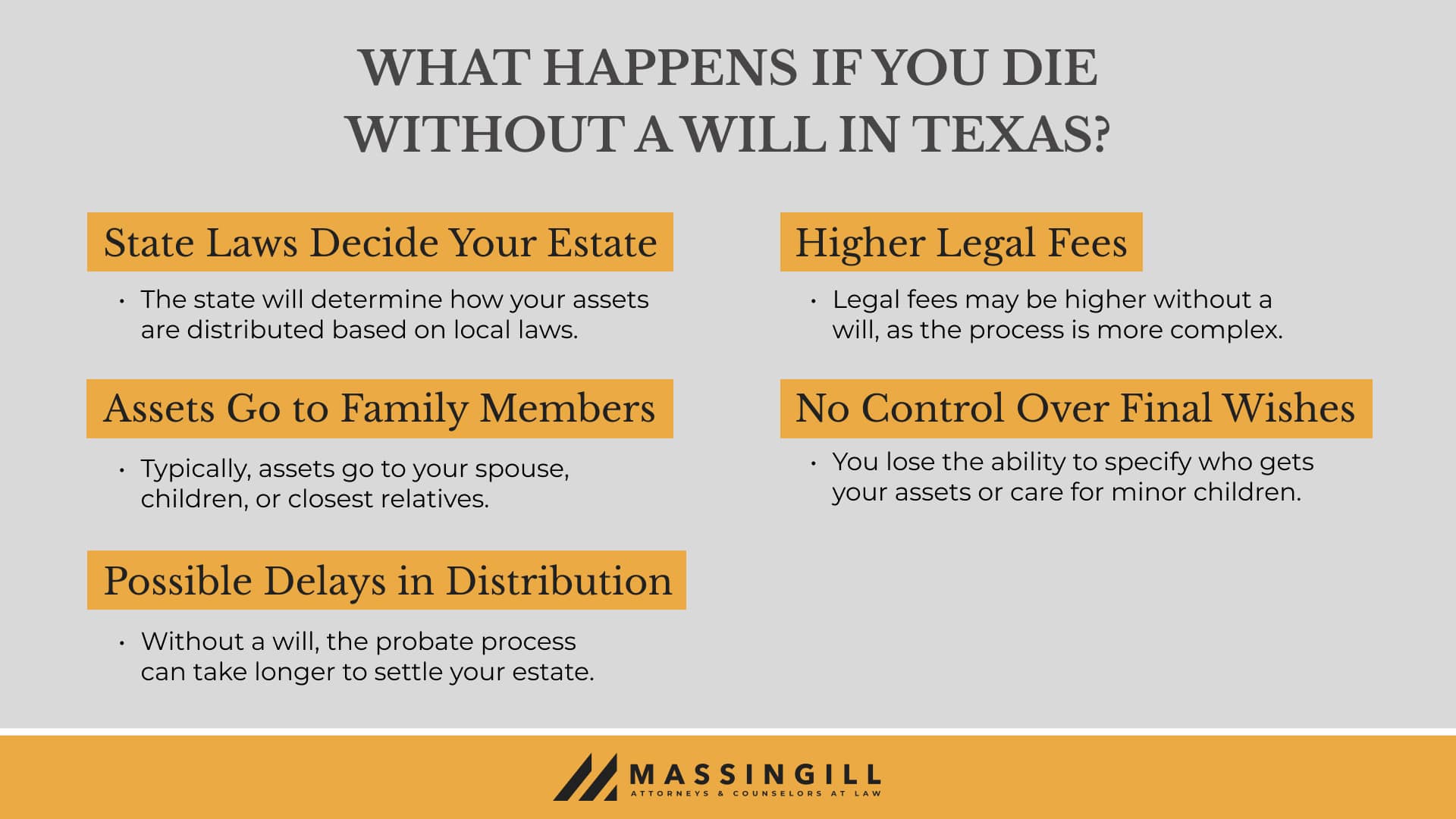
While avoiding probate might seem like a way to save money, the opposite is often true. The problems that arise from an unprobated will almost invariably lead to higher legal fees and extended delays.
- Later Probate Challenges: If heirs eventually decide to probate the will years down the line, the process can become more complicated and expensive. Evidence might be harder to find, witnesses may no longer be available, and the court might view the delay with suspicion. This could lead to additional court hearings and legal maneuvers to overcome the initial lack of action.
- Quiet Title Actions and Other Suits: To resolve title issues with real estate or to settle disputes among heirs, separate legal actions might be necessary. These “quiet title” actions or declaratory judgment suits can be very costly and time-consuming, essentially recreating much of the probate process, but in a more fractured and expensive manner.
- Difficulty Obtaining Certain Documents: For instance, if the deceased owned stocks or bonds that have since been acquired by a new company, proving ownership without a probate order could be a monumental task. This administrative nightmare adds layers of complexity and cost.
Alternatives and Considerations for Texas Estates
While the consequences of not probating a will in Texas are significant, there are estate planning strategies that can simplify or even avoid probate for certain assets. However, these generally involve proactive planning rather than attempting to circumvent the process after the fact.
3.1. Joint Ownership and Beneficiary Designations
Certain assets can be structured to pass directly to beneficiaries outside of probate.
- Joint Tenancy with Right of Survivorship (JTWROS): Property held in JTWROS, such as a bank account or real estate, automatically passes to the surviving joint owner upon the death of the other. This is common for spouses or close family members who co-own property, perhaps a lake house on Lake Texoma.
- Payable on Death (POD) or Transfer on Death (TOD) Designations: Many financial institutions allow individuals to designate beneficiaries for their accounts (POD for bank accounts, TOD for brokerage accounts). Upon death, these assets can be claimed directly by the named beneficiaries without going through probate. This can be a straightforward way to pass down funds, much like leaving instructions for where to find the best barbecue in Austin.
- Life Insurance and Retirement Accounts: Proceeds from life insurance policies and assets in retirement accounts like 401(k)s or IRAs, if beneficiaries are properly named, typically pass directly to those beneficiaries outside of probate.
3.2. Trusts as a Probate Avoidance Tool
Revocable living trusts are a popular estate planning tool that can help avoid probate for assets titled in the name of the trust.
- How Trusts Work: When you establish a living trust, you transfer ownership of your assets into the trust. You typically act as the trustee during your lifetime, managing the assets as you normally would. Upon your death, a successor trustee takes over and distributes the trust assets to your named beneficiaries according to the trust’s terms, without the need for court supervision. This can be particularly beneficial for managing complex assets or ensuring privacy, perhaps after a stay at a luxury resort like The Broadmoor (though located in Colorado, the concept applies universally).
- Considerations: While trusts can be effective, they require careful setup and ongoing management. Not all assets may be suitable for a trust, and there are costs associated with establishing and administering them. It’s important to consult with an estate planning attorney to determine if a trust is the right choice for your situation in Texas.

3.3. The Importance of Consulting a Texas Attorney
The nuances of Texas probate law can be intricate, and the consequences of failing to probate a will can be severe and long-lasting. Seeking professional legal advice is paramount.
- Understanding Your Options: An experienced Texas estate planning attorney can help you understand the specific requirements for probating a will in your county, explore options for simplifying the process if your estate qualifies for certain exemptions, and advise on the best way to transfer assets according to your wishes.
- Proactive Planning: Whether you are planning your own estate or dealing with the aftermath of a loved one’s passing, an attorney can guide you through the process. They can help draft wills and trusts that clearly state your intentions and minimize potential future complications for your loved ones, ensuring that their future travels or stays in hotels are not encumbered by unresolved estate matters.
- Resolving Existing Issues: If you are facing a situation where a will has not been probated, an attorney can assess the current circumstances and help you navigate the best course of action to resolve any outstanding issues, protect your inheritance, and bring closure to the estate administration. This legal guidance is as essential as having a reliable guide when exploring a new destination.
In conclusion, while the desire to avoid the probate process in Texas might stem from a wish for simplicity or cost-saving, the ramifications of not probating a valid will can be far more detrimental. The potential for frozen assets, prolonged disputes among heirs, and ultimately higher legal costs make it a path best avoided. Proactive estate planning, including clearly written wills and, where appropriate, trusts and beneficiary designations, is the most effective way to ensure that your assets are distributed smoothly and according to your wishes, providing peace of mind for both yourself and your beneficiaries.
LifeOutOfTheBox is a participant in the Amazon Services LLC Associates Program, an affiliate advertising program designed to provide a means for sites to earn advertising fees by advertising and linking to Amazon.com. Amazon, the Amazon logo, AmazonSupply, and the AmazonSupply logo are trademarks of Amazon.com, Inc. or its affiliates. As an Amazon Associate we earn affiliate commissions from qualifying purchases.