
Florida, a state synonymous with sun-drenched beaches, vibrant coral reefs, and an endless summer vacation, also grapples with a natural phenomenon that can significantly impact its coastal allure: red tide. While often associated with negative consequences like dead marine life and respiratory irritation, understanding when red tide typically occurs in Florida is crucial for travelers, residents, and anyone planning to experience the state’s renowned natural beauty. This comprehensive guide delves into the seasonality of red tide, its causes, potential impacts, and how to stay informed to make the most of your Florida adventures.
Understanding Florida’s Red Tide
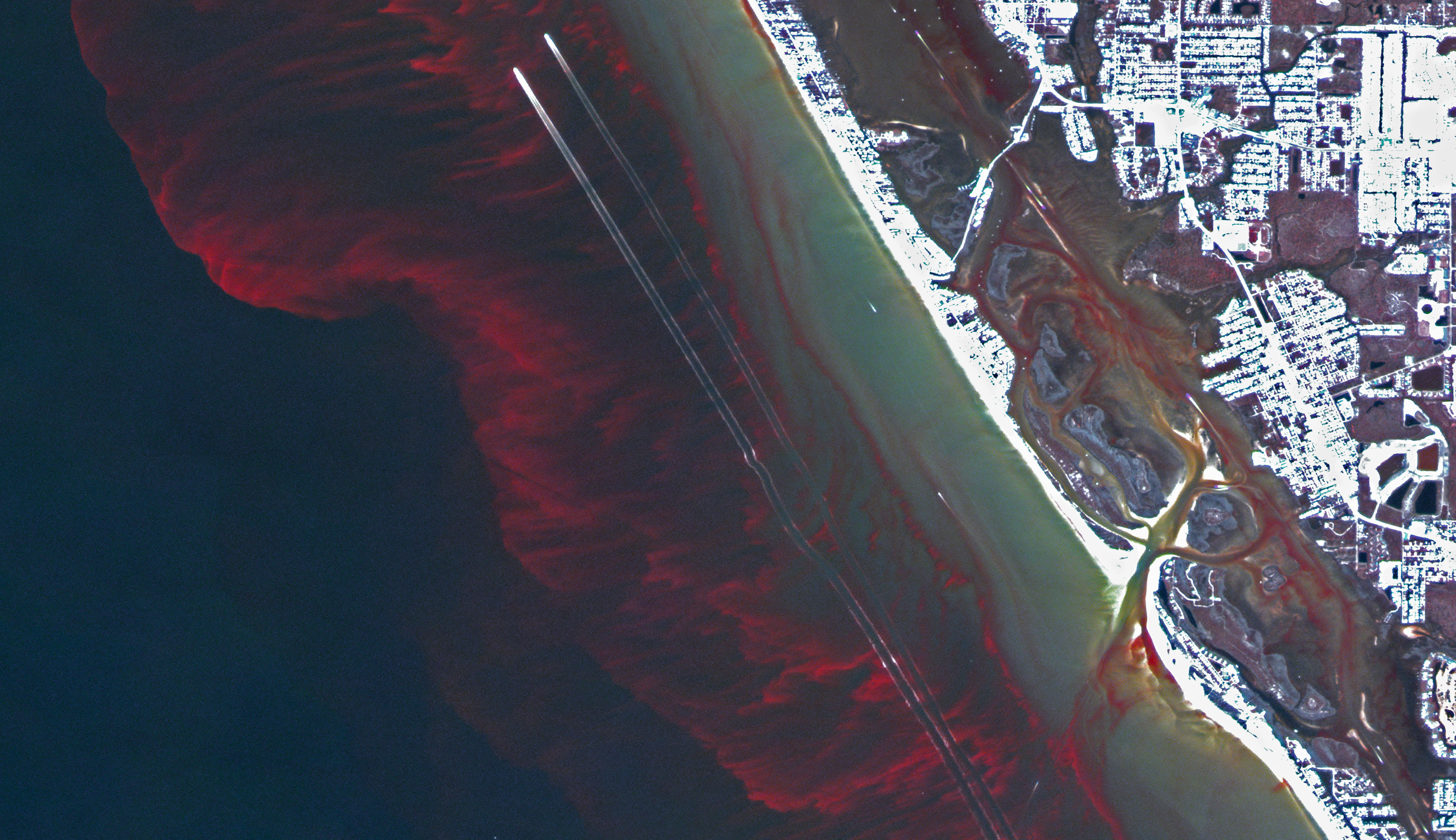
Red tide, scientifically known as a harmful algal bloom (HAB), is not a true tide but rather a proliferation of microscopic algae, primarily the dinoflagellate Karenia brevis. This single-celled organism is naturally present in the Gulf of Mexico waters off Florida’s coast. Under certain environmental conditions, Karenia brevis can multiply rapidly, leading to dense concentrations that color the water reddish-brown – hence the common name.
These blooms are complex and influenced by a variety of factors, including nutrient availability, water temperature, salinity, and ocean currents. While Karenia brevis is a native species, its blooms can be exacerbated by nutrient runoff from agricultural and urban areas, which fuels algal growth.
The Life Cycle and Triggers of Red Tide
The life cycle of Karenia brevis involves both a motile (swimming) stage and a resting stage called a cyst. Blooms typically begin offshore, where nutrient levels may be higher. As these microscopic algae multiply, they can be carried closer to shore by prevailing winds and currents.
Several factors can contribute to the initiation and intensification of red tide blooms:
- Nutrient Enrichment: Increased levels of nitrogen and phosphorus in the water, often from agricultural runoff, wastewater discharge, and fertilizer use, can act as a fertilizer for the algae, promoting rapid growth.
- Water Temperature: Warmer water temperatures, particularly during the summer months, can favor the growth of Karenia brevis.
- Salinity: Optimal salinity levels are crucial. Fluctuations in freshwater inflow from rivers can alter salinity and create conditions conducive to blooms.
- Ocean Currents and Winds: Prevailing winds and currents play a significant role in transporting blooms from offshore waters to coastal areas. Southwest winds, for instance, are often associated with pushing blooms towards the Florida coastline.
- Upwelling: In some cases, nutrient-rich deep water can be brought to the surface through upwelling, further fueling algal growth.
While the exact triggers are still a subject of ongoing scientific research, a combination of these elements often sets the stage for a red tide event.
When Does Red Tide Occur in Florida?
Florida’s red tide season is not a fixed calendar event, but rather a period characterized by a higher probability of blooms occurring. While red tides can technically happen at any time of year, they are most commonly observed during the late summer and fall months. This is when sea surface temperatures are at their peak and the prevailing wind patterns often shift, pushing offshore blooms towards the coast.
Specifically, the period from August through October is often cited as the peak season for red tide activity along Florida’s Gulf Coast. However, it is not uncommon for blooms to persist into the winter months or even appear earlier in the summer. Some years may experience no significant red tide events, while others can be marked by prolonged and widespread blooms.
Seasonal Patterns and Regional Variations
It’s important to note that red tide occurrences can vary significantly by region within Florida and from year to year.
- Florida’s Gulf Coast: This region, stretching from the Florida Panhandle down to Southwest Florida, is historically the most affected by Karenia brevis blooms. Areas like Sarasota, Lee County (including Fort Myers Beach and Sanibel Island), Collier County (including Naples), and even further north into Pinellas County (home to St. Pete Beach and Clearwater Beach) can experience impacts.
- Atlantic Coast: While Karenia brevis is primarily a Gulf of Mexico species, occasional blooms can be carried around the southern tip of Florida and impact the Atlantic coast, though this is much rarer and usually less severe.
The duration of a red tide bloom can also vary greatly. Some blooms may last only a few weeks, while others can persist for months, significantly impacting coastal communities and tourism. Factors such as the availability of nutrients, wind patterns, and the health of the algal population all contribute to how long a bloom endures.
Impact of Red Tide on Your Florida Travel Experience
When red tide blooms occur, they can have a noticeable impact on the natural environment and the visitor experience. Understanding these impacts can help travelers make informed decisions about their trips.
Environmental Effects of Red Tide

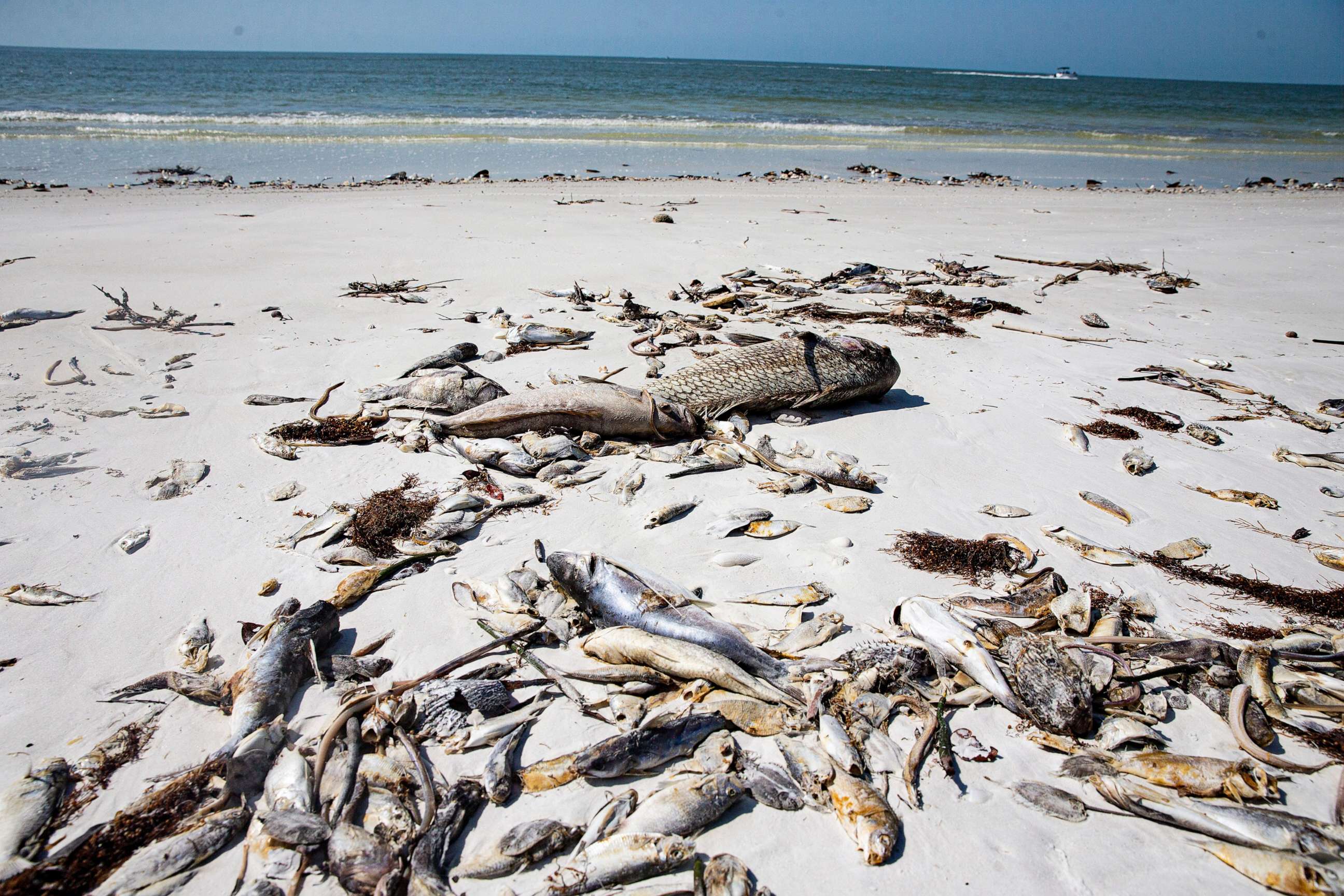
The most visible and concerning environmental impact of red tide is the mortality of marine life. As Karenia brevis populations explode, they can deplete oxygen levels in the water, creating hypoxic conditions that suffocate fish. Additionally, the toxins produced by the algae can directly poison marine animals. This often results in large numbers of dead fish washing ashore, a common and distressing sight during a bloom.
Beyond fish kills, red tide can also affect other marine organisms, including:
- Shellfish: Mussels, clams, and oysters can accumulate brevetoxins, making them unsafe for human consumption. This often leads to shellfish harvesting closures in affected areas.
- Marine Mammals and Birds: Dolphins, sea turtles, and seabirds that consume affected fish can also suffer from brevetoxin poisoning.
The aesthetic appeal of beaches can also be diminished by the presence of dead fish and the often unpleasant odor associated with decomposing marine life.
Health and Respiratory Concerns
The toxins produced by Karenia brevis, known as brevetoxins, can become airborne when waves break near the shore. These airborne toxins can cause respiratory irritation in humans and animals, leading to symptoms such as:
- Coughing
- Sneezing
- Watery eyes
- Sore throat
- Difficulty breathing, especially for individuals with pre-existing respiratory conditions like asthma.
These respiratory symptoms are generally mild and temporary, subsiding once individuals move away from the affected coastal areas. However, it’s important to be aware of these potential health impacts, particularly if you have sensitivities.
Economic and Tourism Implications
Red tide blooms can have significant economic consequences for Florida’s vital tourism industry. Beaches can become less appealing due to dead marine life and respiratory irritation, leading to cancellations and reduced visitor numbers. Local businesses that rely on beach tourism, such as hotels, restaurants, and tour operators, can experience substantial losses.
The perception of Florida as a pristine vacation destination can be tarnished by widespread media coverage of red tide events, even if certain areas remain unaffected. This underscores the importance of reliable and up-to-date information for travelers planning their itineraries.
Planning Your Florida Trip Amidst Red Tide Possibilities
While the mention of red tide might cause concern, it’s important to remember that not all of Florida is affected at once, and many beautiful destinations remain pristine even during bloom periods. Proactive planning and staying informed are key to enjoying your Florida vacation.
Staying Informed About Red Tide Conditions
The most crucial step in planning a trip to Florida with red tide in mind is to consult reliable sources for real-time information. Fortunately, various state and local agencies provide up-to-date reports and interactive maps.
- Florida Fish and Wildlife Conservation Commission (FWC): The FWC is a primary source for red tide status updates. Their website typically features a Red Tide Status Map that provides information on current bloom locations, concentrations, and potential impacts. This is an invaluable tool for checking conditions in specific coastal areas.
- Local County Health Departments: Many county health departments in affected areas also provide advisories and updates regarding red tide and any associated health precautions.
- Local Tourism Bureaus: Local tourism organizations for cities like Miami, Orlando, Tampa, and the Florida Keys often have dedicated sections on their websites providing information on current conditions and alternative activities if beaches are impacted.
By checking these resources in the days and weeks leading up to your trip, and even during your stay, you can make informed decisions about where to go and what activities to pursue.
Adapting Your Florida Itinerary
If your intended destination is experiencing a red tide bloom, don’t despair! Florida offers a wealth of diverse attractions beyond its beaches.
- Inland Attractions: Consider exploring Florida’s many inland attractions. Orlando, with its world-renowned theme parks like Walt Disney World Resort and Universal Orlando Resort, offers endless entertainment. The vibrant city life of Miami boasts an incredible arts and culture scene, as well as unique neighborhoods like South Beach.
- Nature Preserves and State Parks: Florida is home to numerous stunning natural areas that are often unaffected by coastal blooms. Explore the unique ecosystems of the Everglades National Park, hike through the scenic trails of state parks, or visit wildlife sanctuaries.
- Water Activities (Non-Beach Related): If the ocean is affected, consider freshwater activities. Lakes like Lake Okeechobee offer fishing and boating opportunities. Many rivers and springs, such as Wekiwa Springs State Park and Ichetucknee Springs State Park, provide crystal-clear water for swimming and tubing, far from any potential red tide impacts.
- Cultural and Historical Sites: Immerse yourself in Florida’s rich history and culture. Visit historic cities like St. Augustine, explore museums in Tampa or Fort Lauderdale, or experience the unique atmosphere of the Florida Keys.
- Dining and Entertainment: Florida’s culinary scene is diverse and exciting, with fresh seafood readily available in many restaurants that source from unaffected areas. Enjoy live music, explore local breweries, or catch a performance.
By being flexible and informed, travelers can ensure a memorable and enjoyable Florida experience, regardless of temporary red tide conditions. The Sunshine State’s vast array of destinations and activities means that a truly fulfilling trip is always within reach.
LifeOutOfTheBox is a participant in the Amazon Services LLC Associates Program, an affiliate advertising program designed to provide a means for sites to earn advertising fees by advertising and linking to Amazon.com. Amazon, the Amazon logo, AmazonSupply, and the AmazonSupply logo are trademarks of Amazon.com, Inc. or its affiliates. As an Amazon Associate we earn affiliate commissions from qualifying purchases.