
Embarking on a journey, whether it’s a luxurious escape to a beach resort in Florida or a cultural exploration of Rome, often involves meticulous planning. You might be researching the best boutique hotels in New Orleans, the must-see landmarks in Paris, or the most authentic culinary experiences in Mexico City. For many travelers, understanding local laws and regulations is a crucial part of responsible tourism. This is especially true when traveling to states like Texas, which has historically maintained a stricter stance on cannabis.
For individuals who enjoy cannabis, or for those curious about its legal status in different regions, it’s essential to be informed. This is particularly relevant for a state as vast and diverse as Texas, known for its iconic ranches, bustling metropolises like Dallas and Houston, and rich cultural heritage. While cannabis laws are evolving across the United States, Texas has been slower to adopt more lenient policies compared to some of its counterparts. Therefore, understanding the potential consequences of possessing even small amounts of marijuana is paramount for anyone visiting or residing in the Lone Star State. This guide aims to demystify the legal landscape surrounding cannabis in Texas, providing clarity on what can happen if you are caught with it.
Understanding Texas’s Cannabis Laws
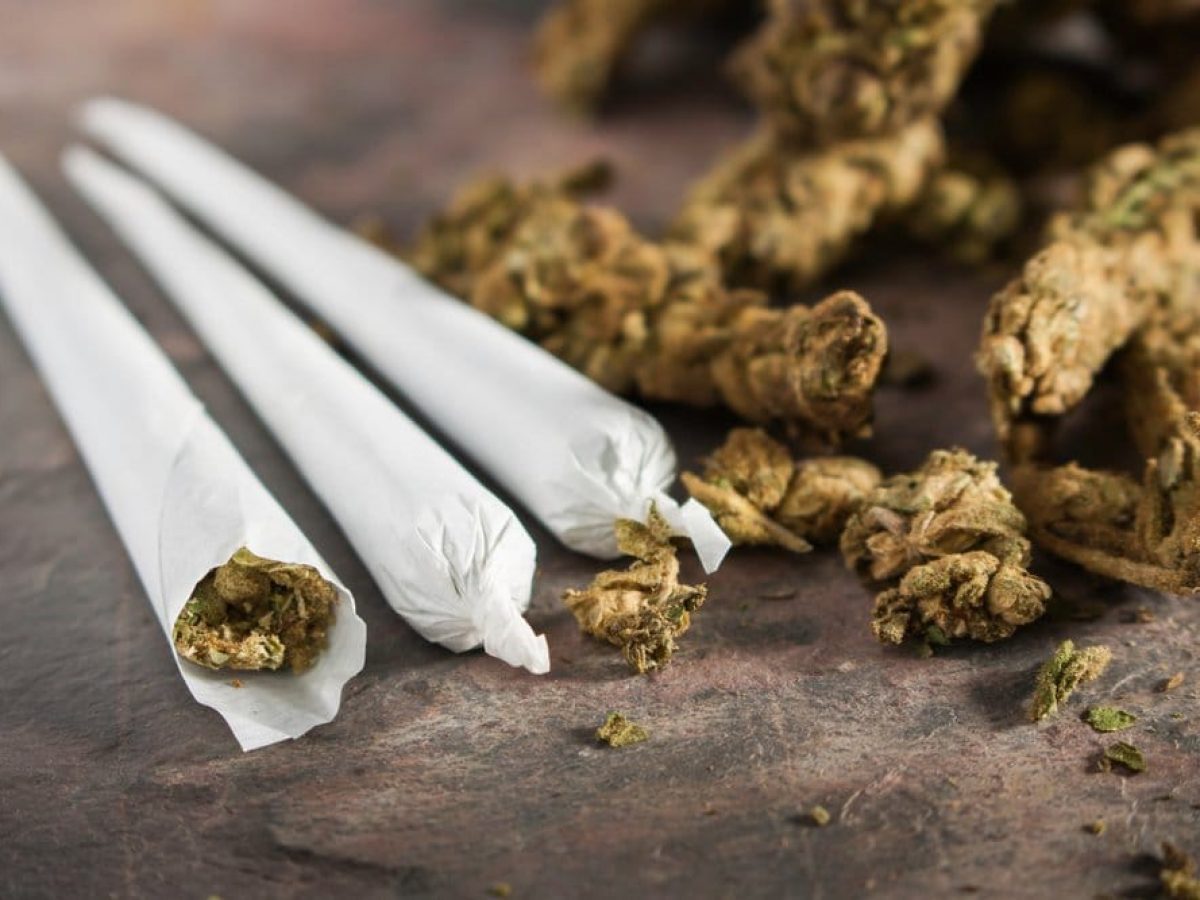
Texas currently categorizes cannabis as a controlled substance. While there has been some movement towards decriminalization and the expansion of low-THC medical cannabis programs, the possession of marijuana for recreational purposes remains illegal and is subject to penalties that can range from minor fines to significant jail time and hefty fines. The legal framework in Texas is primarily governed by the Texas Controlled Substances Act. This act outlines different penalties based on the amount of marijuana possessed and whether the offense is a first-time occurrence or a repeat offense.
It’s important to distinguish between the legality of recreational marijuana and the limited medical use permitted under specific circumstances. In Texas, the Texas Compassionate Use Program (TCUP) allows certain patients with qualifying medical conditions to obtain low-THC cannabis. However, this program has strict eligibility requirements and does not permit the use of high-THC cannabis, nor does it legalize recreational marijuana. For visitors, it’s crucial to understand that even if you are legally permitted to use cannabis in your home state or country, those laws do not extend to Texas. The “I’m from California” defense, for example, holds no legal weight in a Texas court.
Penalties for Possession
The consequences of being caught with marijuana in Texas are determined by several factors, most notably the quantity of cannabis found in your possession. The penalties are structured in a tiered system, escalating with larger amounts.
Misdemeanor Offenses
- Up to 2 ounces: Possession of up to 2 ounces of marijuana is typically classified as a misdemeanor. For a first offense of possessing 2 ounces or less, you could face a Class B misdemeanor charge. This can result in a fine of up to $2,000 and jail time of up to 180 days. For subsequent offenses, the penalties can increase.
- More than 2 ounces but less than 4 ounces: If you are found with more than 2 ounces but less than 4 ounces, the charge escalates to a Class A misdemeanor. This carries a potential fine of up to $4,000 and jail time of up to one year.
These misdemeanor charges, while not as severe as felony offenses, can still have significant repercussions. A misdemeanor conviction can impact your ability to secure employment, obtain housing, or even travel to certain countries. The arrest record itself can be a hurdle.
Felony Offenses
- 4 ounces or more: Possession of 4 ounces or more of marijuana is where felony charges come into play. The severity of the felony and its associated penalties depend on the exact weight of the cannabis.
- 4 ounces to 5 pounds: This range generally falls under a third-degree felony. Penalties can include a fine of up to $5,000 and imprisonment for between two and ten years.
- 5 pounds to 50 pounds: This can be a second-degree felony, carrying penalties of imprisonment for between two and twenty years and fines up to $10,000.
- 50 pounds to 2,000 pounds: A first-degree felony, with potential prison sentences from five to ninety-nine years and fines up to $10,000.
- Over 2,000 pounds: This is considered a super-heavy felony, with penalties similar to those for first-degree felonies.
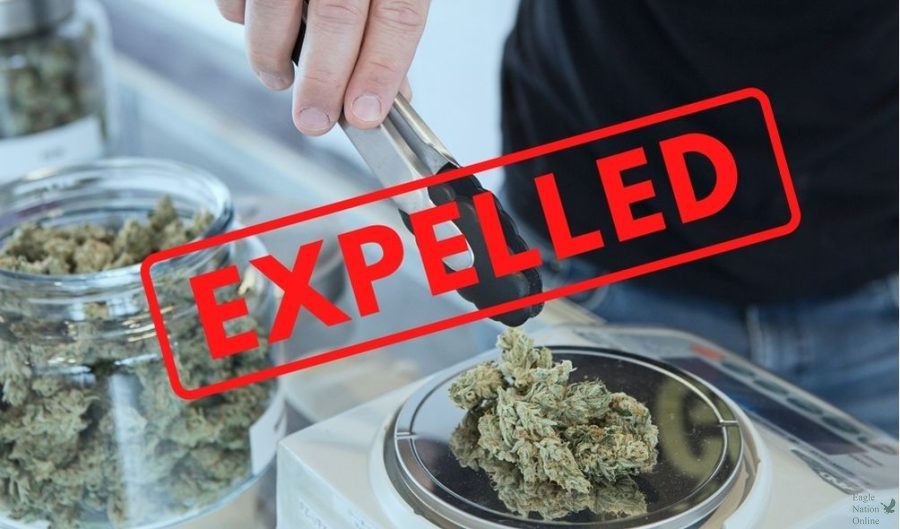
Possessing quantities that suggest intent to distribute, even if the weight is below the felony threshold, can also lead to more severe charges. The presence of paraphernalia, scales, packaging materials, or large sums of cash can all be used as evidence to indicate intent to distribute. This is a critical point for travelers, as even a small personal stash could be misinterpreted if accompanied by such items.
Factors Influencing Penalties and Legal Outcomes
Beyond the sheer weight of the cannabis, several other factors can significantly influence the outcome of a marijuana possession charge in Texas. Law enforcement officers and judges consider various elements when determining the appropriate penalties.
Prior Offenses and Criminal History
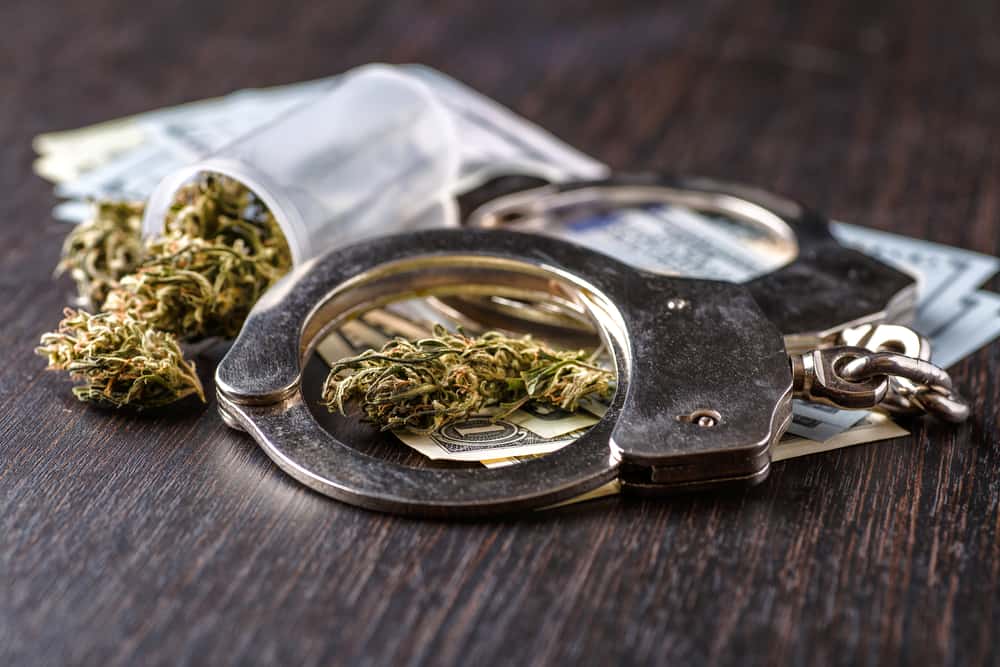
A person’s criminal history plays a crucial role in sentencing. If you have previous convictions for drug-related offenses, particularly marijuana possession, you are likely to face harsher penalties. For example, a second or third offense of possessing a small amount of marijuana could be elevated from a misdemeanor to a felony charge. This is particularly true for individuals with a history of felony convictions, as judges often impose stricter sentences in such cases. This underscores the importance of understanding that Texas views repeat offenders with a stern hand.
Location of Possession
The location where you are caught with marijuana can also have an impact. For instance, if the possession occurs on or near school grounds, within a drug-free zone, or in proximity to a place of public worship, penalties can be enhanced. This is a common practice in many states, including Texas, to deter drug activity in areas frequented by vulnerable populations, such as children. If you are traveling with family or attending events at venues like the Cotton Bowl Stadium or the Minute Maid Park, be extra vigilant.
Intent to Distribute vs. Personal Use
As mentioned earlier, the quantity of marijuana is a primary indicator of intent. However, even with smaller amounts, evidence suggesting intent to distribute can lead to more serious charges. This can include:
- Packaging: If the marijuana is found in multiple small baggies rather than one larger bag.
- Scales and paraphernalia: Possession of drug scales, pipes, rolling papers, and other paraphernalia alongside marijuana can be interpreted as evidence of intent to sell.
- Large amounts of cash: Carrying significant amounts of cash, especially if it’s in small denominations, can be viewed as proceeds from drug sales.
Prosecutors will use these factors to build a case for distribution, which carries far more severe penalties than simple possession for personal use.
Navigating the Legal System and Seeking Help
If you find yourself in the unfortunate situation of being caught with marijuana in Texas, understanding your rights and seeking appropriate legal assistance is paramount. The legal system can be complex, and navigating it without professional guidance can be detrimental.
Your Rights When Stopped by Law Enforcement
If you are stopped by law enforcement officers and they suspect you are in possession of marijuana, it is crucial to remain calm and respectful. You have the right to remain silent and the right to an attorney.
- Right to Remain Silent: You are not obligated to answer questions about your activities or possessions that could incriminate you. Politely stating that you wish to remain silent and wish to speak with an attorney is your right.
- Right to an Attorney: If you are arrested or detained, you have the right to have an attorney present during questioning. Do not waive this right.
- Searches: Law enforcement officers need probable cause to search your vehicle or person. While they may ask for consent to search, you have the right to refuse consent if you do not believe they have probable cause. However, if they have probable cause, they can search without your consent.
The Importance of Legal Counsel
Facing drug charges in Texas can have life-altering consequences. The expertise of a qualified criminal defense attorney is invaluable. A lawyer can:
- Explain your rights and options: They will thoroughly review your case, explain the potential charges, and outline the best legal strategy.
- Negotiate with prosecutors: An attorney can often negotiate with the district attorney’s office to reduce charges or penalties, especially in cases involving minor possession.
- Represent you in court: If your case goes to trial, your attorney will build a defense, present evidence, and advocate for your best interests.
- Explore diversion programs: In some cases, particularly for first-time offenders with minor charges, attorneys can help clients access diversion programs that may lead to the dismissal of charges upon successful completion.
When planning a trip to Texas, whether for a vacation exploring the vastness of the Big Bend National Park, attending a festival in **Austin](https://lifeoutofthebox.com/austin), or enjoying the luxurious amenities of a resort like the *Four Seasons Resort and Club Dallas at Las Colinas*, be aware of and respect the state’s laws. The penalties for marijuana possession are serious, and understanding these laws can help you avoid legal trouble and ensure a smooth and enjoyable experience in the Lone Star State. For travelers, this means leaving any cannabis products at home and being mindful of your surroundings. Responsible tourism involves adhering to local laws and customs, no matter where your adventures take you.
LifeOutOfTheBox is a participant in the Amazon Services LLC Associates Program, an affiliate advertising program designed to provide a means for sites to earn advertising fees by advertising and linking to Amazon.com. Amazon, the Amazon logo, AmazonSupply, and the AmazonSupply logo are trademarks of Amazon.com, Inc. or its affiliates. As an Amazon Associate we earn affiliate commissions from qualifying purchases.