
Seattle, a city renowned for its lush greenery, innovative spirit, and breathtaking natural beauty, holds a special allure for both residents and visitors. Beyond its iconic skyline and vibrant cultural scene, the city’s appeal is deeply rooted in its environment, which allows for a surprising diversity of plant life to flourish. This thriving botanical landscape is directly influenced by Seattle’s USDA Plant Hardiness Zone, a crucial piece of information for gardeners, horticulturists, and anyone curious about the city’s unique climate.
The USDA Plant Hardiness Zone map is a standardized system that divides North America into 11 distinct zones based on average annual minimum winter temperatures. These zones are fundamental for determining which perennial plants are likely to survive and thrive in a particular location. Understanding Seattle’s hardiness zone is not just an academic exercise; it directly impacts everything from the types of trees that grace its parks and gardens to the vibrant flowers that bloom throughout the spring and summer.
For those planning a visit to Seattle, or considering making it a permanent home, understanding its hardiness zone offers a fascinating glimpse into the city’s ecological character. It sheds light on why you’ll find certain species thriving in the manicured landscapes of places like the Washington Park Arboretum or the wilder beauty of Discovery Park, and how the city’s climate supports a rich horticultural heritage.
Understanding Seattle’s Climate Through Hardiness Zones
Seattle’s climate is characterized by its mild, wet winters and relatively dry, warm summers. This oceanic influence, moderated by the Pacific Ocean and Puget Sound, creates a microclimate that is generally favorable for a wide array of plant species. Unlike regions that experience harsh, prolonged freezes, Seattle’s winters are typically cool and damp, with temperatures rarely plummeting to extreme lows for extended periods.
Seattle’s Specific Hardiness Zone Designation
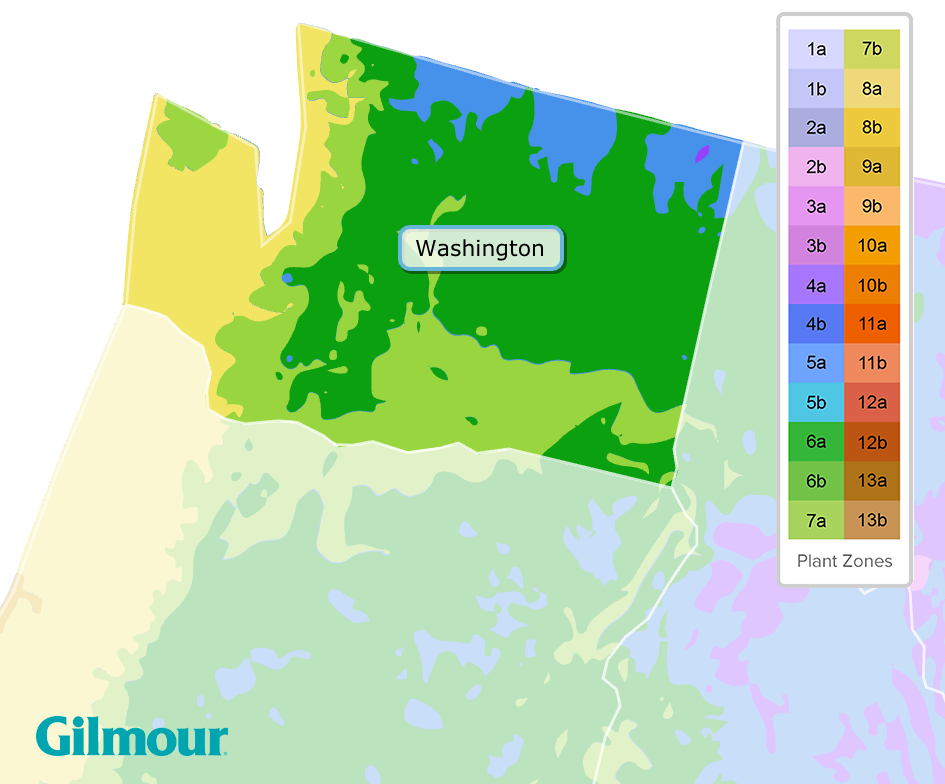
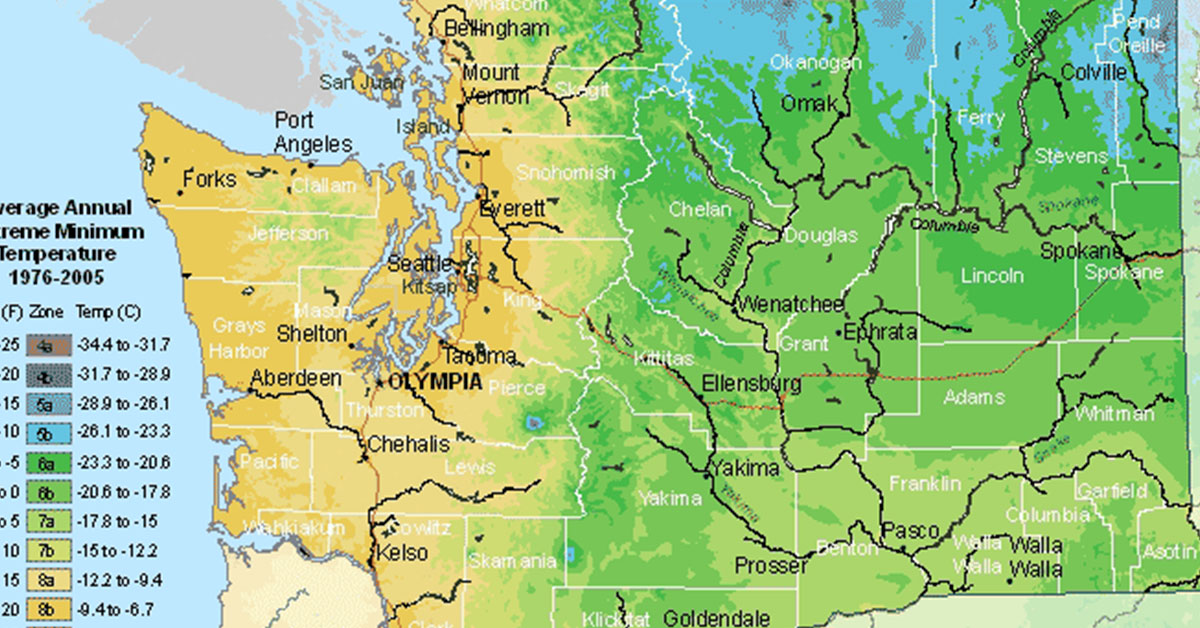
Seattle primarily falls within USDA Plant Hardiness Zone 8b. This designation signifies that the average annual minimum winter temperature in Seattle ranges from 15°F to 20°F (-12.2°C to -6.7°C). This is a critical factor for gardeners when selecting perennial plants, as it provides a baseline for their cold hardiness. Zone 8b indicates that most common garden plants will survive the winter, but more tender species might require some protection during colder snaps.
Within the broader Seattle metropolitan area, there can be slight variations. For instance, areas closer to the water or at slightly higher elevations might experience microclimates that nudge them towards Zone 8a or even 9a in very protected urban pockets. However, for general planning purposes, Zone 8b is the most accurate and widely accepted designation for Seattle.
This moderate temperature range means that Seattle can support a diverse palette of plants. From the iconic rhododendrons and azaleas that are synonymous with the Pacific Northwest to a vast array of ornamental trees, shrubs, and perennials, the city’s climate allows for a rich and varied horticultural landscape. This is evident in the well-tended gardens of neighborhoods like Queen Anne and the expansive botanical collections found in institutions like the Volunteer Park Conservatory.
The implications of Zone 8b extend beyond just plant survival. It influences the types of landscaping choices made by city planners, homeowners, and botanical gardens. It allows for the cultivation of plants that might struggle in colder climates, contributing to Seattle’s reputation as a verdant and aesthetically pleasing city.
Exploring Seattle’s Botanical Bounty
Seattle’s designation as Zone 8b is a direct contributor to the stunning variety of plant life you’ll encounter throughout the city. This section delves into the types of plants that thrive in Seattle and explores some of the best places to experience its botanical beauty.
Plants Flourishing in Zone 8b
The mild winters and cool summers of Zone 8b are ideal for a wide range of plants that might not survive in harsher climates. This includes many species of:
- Evergreen trees and shrubs: Think of the lush coniferous forests that surround Seattle, with species like Douglas fir, Western red cedar, and hemlock thriving. In gardens, this translates to a year-round display of greenery with plants like rhododendrons, azaleas, camellias, and pieris.
- Deciduous trees: Many deciduous trees also do well, offering beautiful fall color. Maples, oaks, and birches are common sights, adding seasonal interest to parks and streets.
- Flowering perennials: Seattle is famous for its vibrant flower displays. Many perennials that prefer milder winters, such as hostas, ferns, hydrangeas, and a wide variety of flowering bulbs like tulips and daffodils, flourish here. The city’s dedication to public gardens ensures these blooms are showcased for residents and visitors alike.
- Edible gardens: Zone 8b also supports a robust edible gardening scene. Many fruits and vegetables can be grown successfully, including berries, apples, pears, and a long growing season for many vegetables. This contributes to the farm-to-table culture that is so prevalent in Seattle’s culinary landscape.
The presence of these plants contributes significantly to the city’s aesthetic appeal and its overall lifestyle. The abundance of green spaces, from the expansive Discovery Park to the intimate community gardens scattered throughout neighborhoods, makes Seattle a haven for nature lovers and outdoor enthusiasts.
Iconic Destinations for Plant Lovers
For anyone interested in experiencing Seattle’s horticultural richness firsthand, several destinations are a must-visit:
- Washington Park Arboretum: This sprawling 230-acre urban oasis is a living museum of plants from around the world. Managed by the University of Washington Botanic Gardens and the City of Seattle Parks and Recreation, it features diverse collections of trees, shrubs, and flowers, including one of the most extensive collections of azaleas and rhododendrons in the United States. Walking through its trails, especially during spring bloom, is a truly magical experience. The Arboretum also includes the Japanese Garden, a tranquil and beautifully designed space that offers a different perspective on horticultural artistry.
- Volunteer Park Conservatory: Located in Volunteer Park on Capitol Hill, this historic Victorian-style glasshouse is home to a stunning collection of tropical and subtropical plants, cacti, and succulents. It’s a perfect escape, especially during the cooler months, offering a warm and humid environment filled with exotic flora. The Conservatory provides a glimpse into plant life from different climatic regions, showcasing the diversity that Seattle’s climate, when augmented, can support.
- Kubota Garden: A unique blend of Japanese garden design and Pacific Northwest native plants, the Kubota Garden in South Seattle is a testament to the artistry of landscape architecture. Founded by Fujitaro Kubota, this 20-acre garden features streams, waterfalls, ponds, and a remarkable variety of trees and plants, all set against a backdrop of rolling hills. It’s a peaceful sanctuary that beautifully integrates natural elements with horticultural design.
- Chihuly Garden and Glass: While not strictly a botanical garden, this attraction at the Seattle Center offers a breathtaking fusion of art and nature. Renowned artist Dale Chihuly‘s vibrant glass sculptures are displayed amidst lush outdoor gardens, creating a dazzling spectacle. The interplay of light, color, and form against the natural backdrop of the garden is an unforgettable experience, highlighting how art and the natural world can complement each other.
These destinations, among many others, underscore how Seattle’s hardiness zone contributes to its identity as a city that embraces and celebrates the natural world. Whether you’re a seasoned gardener seeking inspiration or a traveler looking for scenic beauty, Seattle offers an abundance of botanical wonders to explore.
Implications for Travel and Lifestyle in Seattle
The understanding of Seattle’s hardiness zone has practical implications for various aspects of travel and lifestyle within the city. It influences the types of outdoor activities available, the visual appeal of the city throughout the year, and even the choices for accommodations that are set amidst beautiful natural surroundings.
Seasonal Appeal and Outdoor Experiences
Seattle’s Zone 8b designation plays a significant role in its year-round appeal for travelers. The mild winters mean that outdoor activities are rarely completely shut down by extreme cold. While the rain is a well-known feature of Seattle’s winters, temperatures are generally conducive to activities like hiking in the numerous parks and forests surrounding the city, exploring the waterfront, or visiting outdoor markets.
Spring is a particularly spectacular time in Seattle, with the city bursting into bloom. The widespread presence of rhododendrons, azaleas, and countless flowering bulbs transforms parks and gardens into vibrant canvases of color. This is an ideal season for strolling through the aforementioned Washington Park Arboretum or enjoying the cherry blossoms at the University of Washington campus.
Summers in Seattle are typically warm and dry, offering a perfect climate for enjoying the city’s many outdoor attractions. This includes exploring the markets like Pike Place Market, taking ferries across Puget Sound to islands like Bainbridge Island, or enjoying the numerous outdoor festivals and events that take place during this season. The lush greenery, sustained by the mild winters and sufficient rainfall, provides a beautiful backdrop to these summer adventures.
Fall brings its own unique charm with changing foliage colors, especially in the city’s many parks and along tree-lined streets. The cooler temperatures are perfect for exploring neighborhoods and enjoying the crisp air. Even in winter, the evergreen nature of much of Seattle’s flora ensures that the city retains a significant amount of its green appeal, making it a pleasant destination even during the wetter months.

Accommodation and Lifestyle Choices
The prevalence of beautiful plant life and green spaces in Seattle also influences the types of accommodations and lifestyle choices available. Many hotels and resorts are situated to take advantage of the natural beauty, offering guests scenic views and easy access to parks and outdoor recreation.
For instance, luxury resorts might be nestled in areas with expansive gardens, while boutique hotels in neighborhoods like Queen Anne or Capitol Hill are often surrounded by mature trees and well-maintained landscaping. Even apartment buildings and villas in Seattle frequently incorporate green spaces, courtyards, or balconies that allow residents to enjoy the city’s botanical offerings.
The long growing season supported by Zone 8b also contributes to a lifestyle that often embraces gardening, local produce, and outdoor living. This translates into a culinary scene that heavily features fresh, seasonal ingredients, and a general appreciation for the natural environment that permeates the city’s culture.
For those considering a long-term stay, understanding the hardiness zone is paramount for establishing a personal garden. It allows for informed decisions about what to plant, ensuring a beautiful and productive landscape that aligns with Seattle’s unique climate. The lifestyle in Seattle often involves embracing this connection to nature, whether through active outdoor pursuits, cultivating a home garden, or simply enjoying the aesthetically pleasing environment the city offers.
In conclusion, Seattle’s identity as a Zone 8b city is more than just a horticultural statistic; it’s a fundamental aspect of what makes the city so appealing. It dictates the vibrant tapestry of plant life, shapes the seasonal experiences for travelers and residents alike, and contributes to a lifestyle that deeply values its connection to the natural world. From its iconic parks to its blooming gardens, Seattle’s hardiness zone is a key ingredient in its enduring charm.
LifeOutOfTheBox is a participant in the Amazon Services LLC Associates Program, an affiliate advertising program designed to provide a means for sites to earn advertising fees by advertising and linking to Amazon.com. Amazon, the Amazon logo, AmazonSupply, and the AmazonSupply logo are trademarks of Amazon.com, Inc. or its affiliates. As an Amazon Associate we earn affiliate commissions from qualifying purchases.