
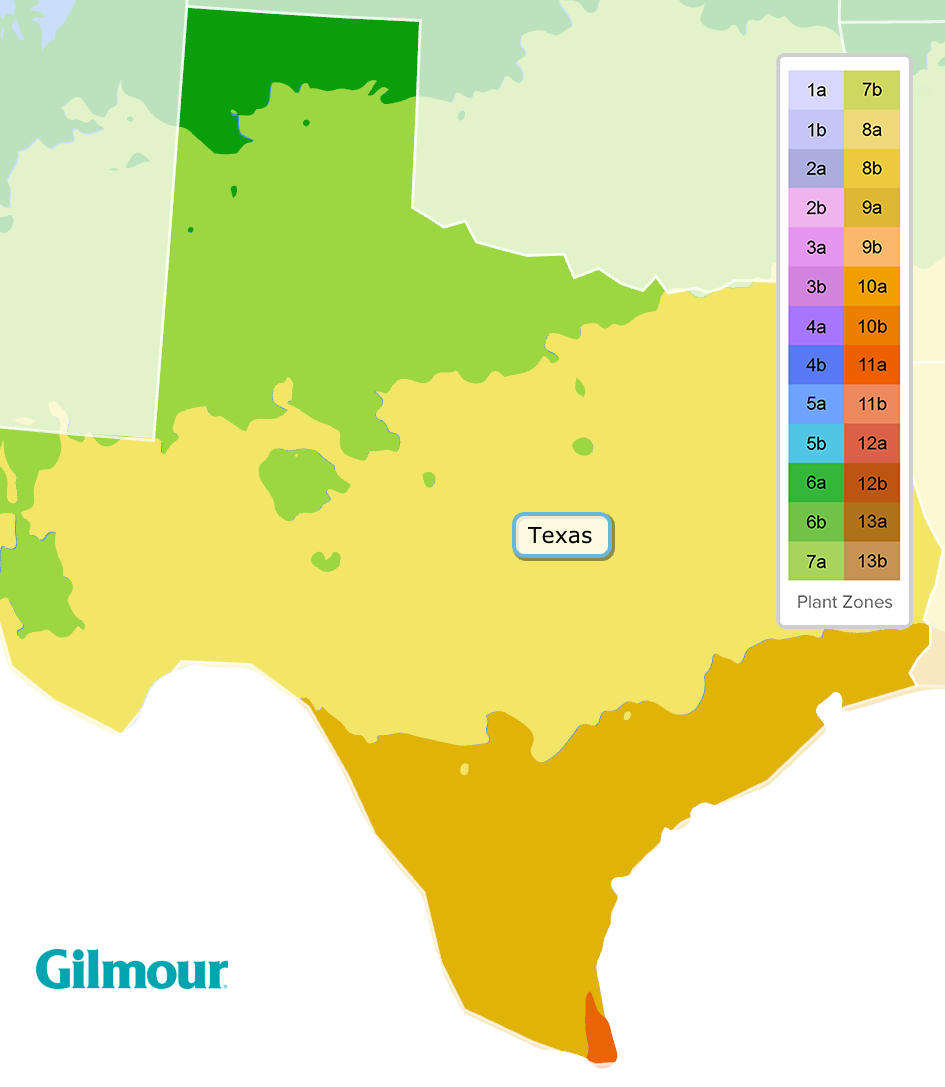
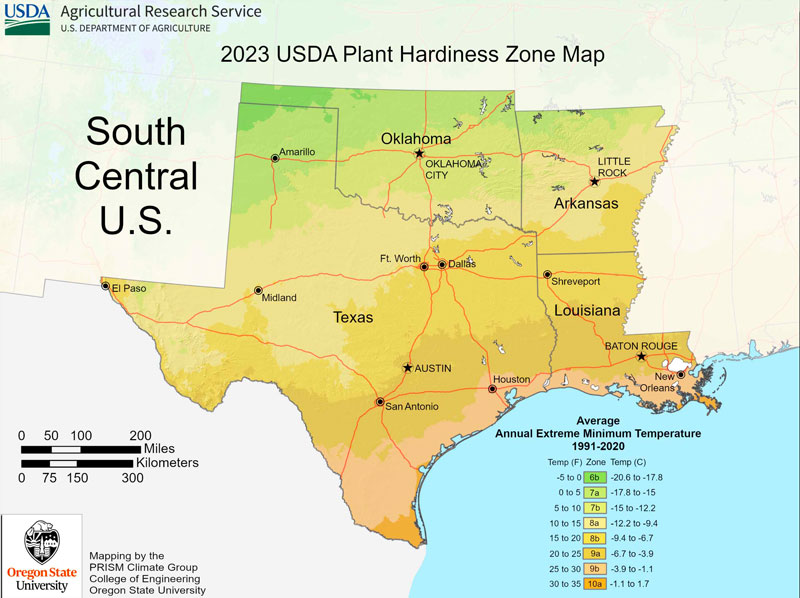
For anyone with a green thumb, a passion for travel, or simply an appreciation for natural beauty, understanding the local planting zone is a fascinating entry point into a city’s character. Dallas, Texas, a vibrant metropolis in the heart of the United States, is renowned for its dynamic urban landscape, burgeoning arts scene, and rich cultural tapestry. Yet, beneath the steel and glass, there’s a verdant spirit shaped significantly by its climate. So, what planting zone is Dallas, Texas? According to the USDA Plant Hardiness Zone Map, Dallas typically falls within Zone 8a and 8b.
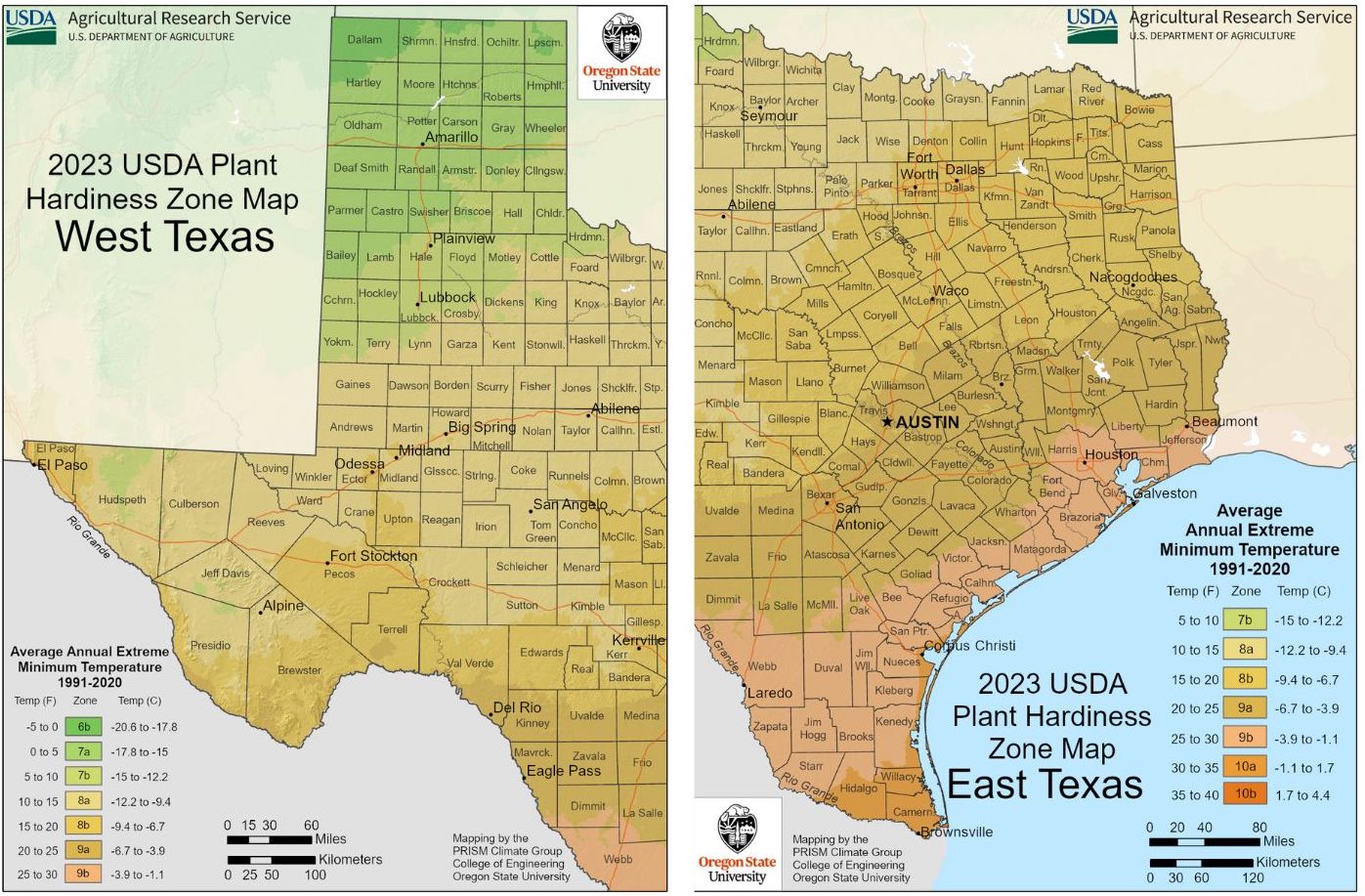
This classification isn’t just a detail for gardeners; it’s a fundamental aspect that influences everything from the city’s iconic green spaces and residential landscaping to its outdoor recreation opportunities and overall lifestyle. For travelers, knowing this zone provides insight into the kind of flora they can expect to encounter, shaping the aesthetic of parks, arboretums, and even the carefully curated hotel gardens. For those considering a long-term stay or simply exploring the local culture, it speaks to the rhythms of nature that underscore the city’s appeal. This guide will delve into what Zone 8a/8b means for Dallas, exploring its impact on the city’s natural attractions, tourism experiences, and the unique lifestyle it fosters.
Decoding Dallas’s Climate and Its Horticultural Canvas
The USDA Plant Hardiness Zone Map is a crucial tool for gardeners and horticulturists, dividing North America into 13 zones based on the average annual extreme minimum winter temperature. Each zone represents a 10-degree Fahrenheit range, further broken down into ‘a’ and ‘b’ subzones (5-degree Fahrenheit increments). Dallas’s placement in Zone 8a/8b means it experiences average annual extreme minimum winter temperatures ranging from 10°F to 20°F (-12.2°C to -6.7°C).
Understanding Zone 8a/8b Implications
This designation indicates that Dallas has relatively mild winters compared to many parts of the United States. While occasional freezes do occur, they are generally not severe enough or long-lasting enough to kill off a wide array of temperate plants. This allows for a diverse palette of plant life to thrive, encompassing species that wouldn’t survive in colder climates while also being warm enough for many heat-loving varieties.
Key characteristics of Dallas’s climate contributing to its Zone 8 status include:
- Hot Summers: Dallas is well-known for its long, hot summers, with temperatures frequently soaring into the 90s and often exceeding 100°F (37°C). This heat demands plants that are drought-tolerant and can withstand intense sun.
- Mild Winters: While cold snaps can happen, prolonged periods of deep freeze are uncommon. This allows many perennials to survive the winter and re-emerge in spring, and for certain broadleaf evergreens to flourish.
- Variable Precipitation: Dallas receives a moderate amount of rainfall, though it can be inconsistent, with periods of drought interspersed with heavy rains. This variability further encourages the use of adaptable and water-wise plant species in landscaping.
This climate profile means that Dallas offers an extended growing season, often starting as early as February or March and lasting well into November. This long season is a boon for gardening enthusiasts and contributes significantly to the lush appearance of the city’s public and private spaces for much of the year.
Green Oases and Iconic Landmarks: Dallas’s Floral Attractions
The mild climate and favorable planting zone are instrumental in shaping Dallas’s impressive array of parks, gardens, and outdoor landmarks. These green spaces are not just aesthetically pleasing; they are vital components of the city’s tourism and lifestyle, offering tranquil escapes, educational experiences, and venues for community gatherings.
The Dallas Arboretum and Botanical Garden: A Crown Jewel
Perhaps the most famous testament to Dallas’s horticultural potential is the Dallas Arboretum and Botanical Garden. Spanning 66 acres along the southeastern shore of White Rock Lake, this world-class garden showcases an astounding variety of plants that thrive in Zone 8. Throughout the year, visitors can marvel at seasonal displays, from the vibrant tulips and azaleas of Dallas Blooms in spring to the pumpkin villages of autumn and the elaborate Christmas at the Arboretum illuminations. The various themed gardens, such as the Rory Meyers Children’s Adventure Garden, demonstrate ingenious landscaping techniques and plant selections tailored to the local climate. It’s a must-visit for any traveler interested in the natural beauty that a Zone 8 environment can produce.
Urban Parks and Green Corridors
Beyond the arboretum, Dallas boasts numerous other parks and green spaces that benefit from its hospitable climate:
- Klyde Warren Park: This innovative deck park built over Woodall Rodgers Freeway connects Uptown Dallas with the Dallas Arts District. Its lush lawns, varied plantings, and mature trees provide a vibrant urban oasis, offering a stark contrast to the surrounding skyscrapers. The plant choices here are carefully selected for resilience in an urban setting, reflecting the possibilities of Zone 8 landscaping in a high-traffic environment.
- Fair Park: Home to the State Fair of Texas, this National Historic Landmark features impressive Art Deco architecture complemented by extensive landscaping. The grounds include the Texas Discovery Gardens, a 7.5-acre organic botanical garden and butterfly house, which provides an excellent example of sustainable gardening practices suitable for the zone.
- White Rock Lake Park: More than just a body of water, this extensive park offers miles of trails, open spaces, and natural habitats. The planting zone supports a rich array of native Texas trees, shrubs, and wildflowers, making it a popular spot for cycling, kayaking, and birdwatching, truly embodying Dallas’s blend of urban and natural experiences.
These sites are not merely attractions; they are integral to the city’s identity, providing both residents and visitors with opportunities to connect with nature and enjoy outdoor activities, directly facilitated by the benevolent Zone 8 climate.
Lifestyle and Outdoor Living in a Zone 8 City
The Dallas planting zone profoundly influences the city’s lifestyle, particularly its emphasis on outdoor living and recreation. The extended growing season and generally mild temperatures encourage a vibrant scene of al fresco dining, community events, and a multitude of outdoor pursuits that enhance the quality of life and attract tourism.
Year-Round Outdoor Activities
With its favorable climate, Dallas residents and visitors can enjoy outdoor activities for much of the year. This includes:
- Hiking and Biking: The city’s extensive trail network, including paths around White Rock Lake and along the Trinity River Greenbelt, is accessible almost year-round. The lush vegetation supported by the Zone 8 conditions creates scenic routes that change with the seasons.
- Al Fresco Dining and Entertainment: Restaurants with patios and rooftop bars are immensely popular in neighborhoods like the Bishop Arts District, Uptown Dallas, and Deep Ellum. The ability to comfortably dine and socialize outdoors for many months is a significant draw, contributing to Dallas’s vibrant social scene.
- Festivals and Events: Many of Dallas’s signature events, from the State Fair of Texas to various music festivals and farmers’ markets, leverage outdoor venues. The mild spring and fall weather, characteristic of Zone 8, provides ideal conditions for these large-scale gatherings.
- Gardening and Home Landscaping: For local residents, the Zone 8 classification opens up a world of gardening possibilities. Home gardens often feature a mix of hardy natives, drought-tolerant succulents, and vibrant annuals and perennials that thrive in the North Texas climate. This widespread appreciation for greenery contributes to the city’s overall aesthetic and neighborhood charm.
Connecting with Nature Through Education and Conservation
The awareness of Dallas’s specific planting zone also fosters a deeper connection to nature through educational initiatives and conservation efforts. Institutions like the Perot Museum of Nature and Science often feature exhibits on local ecosystems and sustainable practices. Many community gardens and local nurseries offer workshops on selecting plants that are best suited for Zone 8, promoting water conservation and biodiversity. This commitment to understanding and preserving the local natural environment enriches the lives of residents and offers unique insights for ecotourists.
Accommodations with a Green Heart: Hotels and Resorts in Dallas
For travelers exploring Dallas, the city’s planting zone can subtly yet significantly enhance their accommodation experience. Many hotels and resorts leverage the favorable climate to create stunning outdoor spaces, from manicured gardens and courtyards to refreshing poolsides and serene balconies, adding an extra layer of luxury and relaxation to a stay.
Hotels Embracing Outdoor Aesthetics
- Luxury Resorts: High-end establishments like the Rosewood Mansion on Turtle Creek often feature meticulously maintained grounds, lush courtyards, and sophisticated garden areas that are a direct product of the Zone 8 climate. These spaces provide peaceful retreats within the city, perfect for an evening stroll or a quiet coffee amidst blooming flora. The Four Seasons Resort and Club Dallas at Las Colinas also makes extensive use of its outdoor spaces for golf, recreation, and beautiful resort landscaping.
- Urban Hotels with Green Roofs and Patios: Even in the dense downtown core, hotels like the Omni Dallas Hotel or the Hyatt Regency Dallas might incorporate green roofs, vertical gardens, or expansive pool decks adorned with resilient Zone 8 plants. These features not only enhance the visual appeal but also contribute to urban cooling and biodiversity. The Marriott Downtown Dallas and the Hilton Anatole are also known for their impressive outdoor amenities and landscaping.
- Boutique Stays with Character: Smaller, boutique hotels and long-term accommodation options in neighborhoods like Bishop Arts District or Lower Greenville might feature charming private gardens or inviting patios, offering guests a more intimate connection with Dallas’s verdant side. The Virgin Hotels Dallas in the Design District showcases modern outdoor spaces with a distinct flair.
When booking accommodation in Dallas, travelers can consider properties that highlight their outdoor amenities, perhaps featuring a resort-style pool surrounded by native plantings or a dining terrace with garden views. These elements are not incidental; they are carefully cultivated features made possible by the city’s specific planting zone, offering a richer, more immersive experience of the Dallas lifestyle.
Beyond the Bloom: Dallas’s Year-Round Appeal and Future Growth
While understanding the planting zone often focuses on what grows, it also offers a lens through which to appreciate Dallas’s broader appeal as a travel destination and a place to live. The Zone 8a/8b climate allows for a remarkable fusion of natural beauty and urban sophistication, ensuring that the city remains vibrant and engaging throughout the seasons.
The city’s commitment to green infrastructure, from linear parks connecting neighborhoods to initiatives promoting urban tree canopy, reflects a strategic embrace of its natural advantages. This forward-thinking approach not only enhances the quality of life for its residents but also strengthens its position as an attractive destination for tourism and business. Travelers can explore the dynamic Dallas Arts District, delve into history at the Sixth Floor Museum at Dealey Plaza, or enjoy panoramic views from Reunion Tower, all while appreciating the backdrop of a city that cherishes its green spaces.
The combination of a favorable planting zone, strategic urban planning, and a strong community focus on outdoor living means that Dallas continues to blossom, both literally and figuratively. From its world-class botanical gardens to its bustling urban parks, the city showcases how a deep understanding of its natural environment can lead to a richer, more enjoyable experience for everyone who calls it home or visits its vibrant streets. Whether you’re planning a trip to the Dallas-Fort Worth Metroplex or simply curious about what makes this Texas gem tick, knowing its planting zone is a delightful piece of the puzzle, revealing the verdant heart beneath its bustling facade.
LifeOutOfTheBox is a participant in the Amazon Services LLC Associates Program, an affiliate advertising program designed to provide a means for sites to earn advertising fees by advertising and linking to Amazon.com. Amazon, the Amazon logo, AmazonSupply, and the AmazonSupply logo are trademarks of Amazon.com, Inc. or its affiliates. As an Amazon Associate we earn affiliate commissions from qualifying purchases.