
A City Reimagined: Resilience and Revival
The spirit of New Orleans has always been a testament to its indomitable character, a vibrant tapestry woven from diverse cultures, enduring traditions, and an unyielding zest for life. In the wake of profound challenges, the city has not only endured but has emerged, in many ways, stronger and more vibrant than ever before. The question “What has happened in [New Orleans]?” is not a simple query about a singular event, but rather an invitation to explore a narrative of remarkable resilience, thoughtful revitalization, and the enduring essence that makes this city utterly unique.
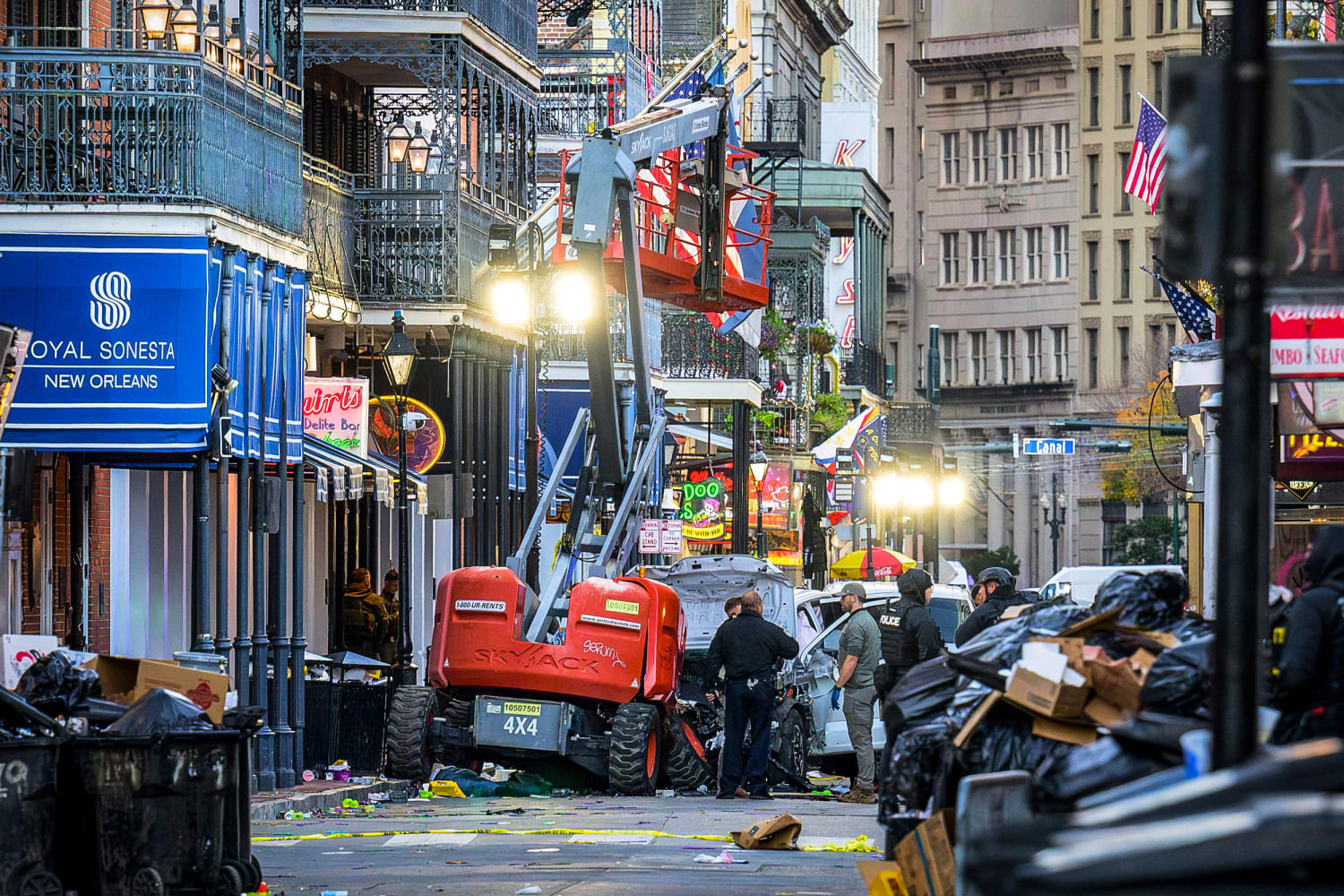
The past decades have seen [New Orleans] navigate significant trials, most notably the devastating impact of Hurricane Katrina in 2005. The storm and its catastrophic aftermath presented an existential threat, forcing a reckoning with its vulnerabilities and the imperative for rebuilding. Yet, what has transpired since is a story of human spirit triumphing over adversity. The recovery efforts were monumental, involving not only infrastructural repair but also the painstaking process of community reunification and the re-establishment of a city’s soul.
Economic Renaissance and Architectural Renewal
The economic landscape of [New Orleans] has undergone a significant transformation. While tourism remains a cornerstone, there has been a conscious effort to diversify and strengthen the local economy. The burgeoning technology sector, coupled with a renewed focus on entrepreneurship and the creative industries, has injected new life into the city. This economic renaissance is visibly reflected in the urban fabric. Areas that once bore the scars of inundation have been meticulously rebuilt and revitalized. The architectural integrity of historic neighborhoods like the French Quarter and the Garden District has been painstakingly preserved, a testament to the city’s commitment to its heritage.
Beyond restoration, new developments have sprung up, often blending modern design with the city’s characteristic charm. The waterfront has seen significant enhancements, becoming a more accessible and vibrant hub for locals and visitors alike. This careful balance between preserving the past and embracing the future is a defining characteristic of contemporary [New Orleans]. Public spaces have been reimagined, offering more opportunities for community gathering and cultural expression. The city’s commitment to sustainability has also become more pronounced, with initiatives focused on green infrastructure and environmentally conscious development.
Cultural Flourishing and Artistic Expression
Perhaps the most profound transformation is seen in the continued and indeed amplified flourishing of [New Orleans]’s unparalleled culture. The city’s artistic heartbeat, powered by its music, food, and unique traditions, has always been its most potent force. In the post-Katrina era, this cultural engine has roared back to life with renewed vigor. Live music venues, from iconic institutions to intimate clubs, are once again filled with the infectious rhythms of jazz, blues, funk, and brass bands. The annual calendar of festivals, iconic events like Mardi Gras, and second-line parades are not just celebrations; they are profound affirmations of identity and community.
The culinary scene, always a draw, has reached new heights. Award-winning chefs and passionate restaurateurs are pushing boundaries while remaining deeply rooted in the city’s Creole and Cajun traditions. From upscale dining experiences to beloved neighborhood eateries, the gastronomic landscape is richer and more diverse than ever. This culinary innovation is deeply intertwined with the city’s agricultural heritage and its access to fresh, local ingredients.
Furthermore, the visual arts scene has seen a vibrant expansion. Galleries showcase emerging and established artists, and public art installations have become increasingly prevalent, transforming streetscapes into open-air galleries. The city’s storytelling tradition, whether through literature, film, or oral histories, continues to captivate, offering deep insights into the American experience. The preservation and promotion of the city’s African American heritage, particularly through institutions like the New Orleans Museum of Art and various cultural centers, remain a vital part of this ongoing narrative.
The Enduring Allure: What Draws People to New Orleans Today?
The question of “What has happened in [New Orleans]?” also speaks to its enduring allure, the magnetic pull that draws millions of visitors and inspires new residents. It is a city that offers an experience unlike any other, a sensory feast that engages all who wander its streets.
A City of Stories and Soul
At its core, [New Orleans] is a city of stories. Its history is layered and complex, a blend of French, Spanish, African, Caribbean, and American influences that have shaped its unique identity. This rich historical narrative is palpable in its architecture, its language, its music, and its very atmosphere. To visit [New Orleans] is to step into a living museum, where the past is not merely remembered but actively celebrated and woven into the fabric of daily life.
The resilience of its people is a central part of this story. The collective spirit that emerged from adversity has fostered a profound sense of community and a shared appreciation for what makes [New Orleans] special. This warmth and hospitality extend to visitors, making them feel not like outsiders, but like temporary members of a welcoming extended family.
Experiencing the Uniquely New Orleanian
What truly sets [New Orleans] apart is the depth and breadth of its experiences. It is a city that encourages exploration and immersion.
Musical Vibrancy
The city’s musical legacy is undeniable. One can spend an entire trip simply exploring the live music scene. From the legendary clubs on Frenchmen Street to the spontaneous street performances in the French Quarter, the sound of [New Orleans] is ever-present. Jazz funerals, second-line parades, and intimate jazz sets all contribute to a sonic landscape that is both historic and constantly evolving. Visiting iconic venues like Preservation Hall offers a direct connection to this rich musical heritage.
Gastronomic Delights
The culinary journey in [New Orleans] is a highlight for many. The city’s food is a reflection of its diverse cultural influences, a fusion of flavors that is both comforting and exciting. Iconic dishes like gumbo, jambalaya, beignets from Café Du Monde, and po’boys are essential tastes. Beyond the classics, the contemporary culinary scene offers innovative interpretations and global influences, ensuring that every meal is an adventure. Exploring neighborhoods beyond the main tourist arteries reveals hidden culinary gems and authentic local flavors.
Architectural Grandeur and Historic Charm
The visual landscape of [New Orleans] is as captivating as its sounds and tastes. The French Quarter transports visitors to a bygone era with its wrought-iron balconies, colorful Creole townhouses, and gas-lit streets. The opulent mansions of the Garden District, showcasing antebellum architecture and lush gardens, offer a glimpse into a different facet of the city’s history. Walking tours provide in-depth insights into the architectural styles and historical significance of these iconic neighborhoods. The unique above-ground cemeteries, such as St. Louis Cemetery No. 1, offer a fascinating and poignant glimpse into the city’s mortuary traditions.
Cultural Immersion and Celebrations
[New Orleans] is a city that celebrates life with gusto. The numerous festivals throughout the year, each with its own distinct flavor, offer authentic cultural experiences. Beyond large-scale events, the city’s everyday rhythm is infused with cultural practices, from the vibrant street art to the local markets and community events. Engaging with local artisans, attending neighborhood brass band performances, or simply enjoying a leisurely stroll along the Mississippi River provides opportunities for genuine cultural immersion. The city’s unique approach to celebrating life and community is an infectious quality that draws people in.Looking Forward: The Future of New Orleans
The narrative of [New Orleans] is far from complete. The city’s journey of recovery and reinvention has instilled a forward-looking perspective. There is a palpable sense of optimism and a commitment to continued growth and development, all while holding fast to the essence that makes it so beloved.
Sustaining Growth and Innovation
The future of [New Orleans] lies in its ability to sustain the economic and cultural momentum it has built. This includes continued investment in education, infrastructure, and community development. The focus on nurturing local talent and fostering innovation across various sectors will be crucial. The city is increasingly recognized for its potential in fields such as film production, renewable energy, and biotechnology, offering promising avenues for future prosperity.

Preserving Heritage, Embracing Change
The delicate balance between preserving its rich heritage and embracing necessary change will continue to define [New Orleans]. As the city grows and evolves, the commitment to protecting its historic districts, its cultural traditions, and its unique way of life will remain paramount. This involves thoughtful urban planning, community engagement, and an ongoing dialogue about how to best serve both its residents and its visitors. The lessons learned from past challenges have equipped [New Orleans] with a profound understanding of its strengths and its vulnerabilities, positioning it for a future that is both hopeful and firmly rooted in its extraordinary past. The question of “What has happened in [New Orleans]?” is best answered by experiencing the city itself – a dynamic, resilient, and perpetually captivating testament to the human spirit.
LifeOutOfTheBox is a participant in the Amazon Services LLC Associates Program, an affiliate advertising program designed to provide a means for sites to earn advertising fees by advertising and linking to Amazon.com. Amazon, the Amazon logo, AmazonSupply, and the AmazonSupply logo are trademarks of Amazon.com, Inc. or its affiliates. As an Amazon Associate we earn affiliate commissions from qualifying purchases.