
The Golden State, a land synonymous with sunshine, innovation, and breathtaking landscapes, is also situated along the notorious Pacific Ring of Fire. This geological position makes California a hotspot for seismic activity, a reality that residents and visitors alike must acknowledge. Understanding the frequency and nature of earthquakes in California is not just a matter of curiosity; for travelers, it’s an integral part of planning a safe and informed visit. This exploration delves into the seismic pulse of California, examining recent activity and providing context for what to expect.
The Pulse of the Pacific: California’s Seismic Landscape
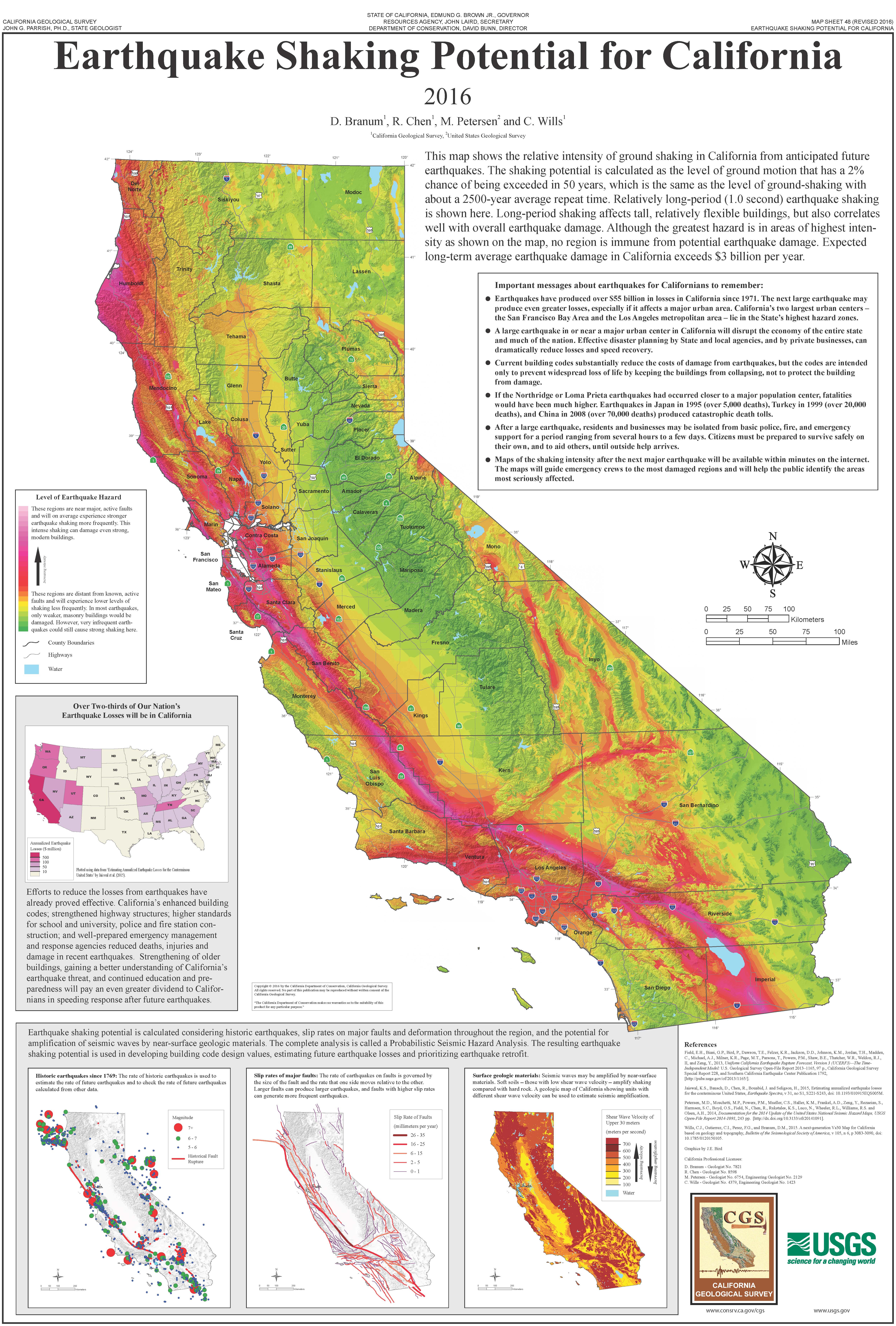
California sits on the boundary of two major tectonic plates: the Pacific Plate and the North American Plate. The movement and interaction of these plates along fault lines, most notably the San Andreas Fault, are the primary drivers of seismic events. These movements can range from imperceptible tremors to significant, ground-shaking quakes.

Understanding Magnitude and Intensity
When discussing earthquakes, two key terms are frequently used: magnitude and intensity. Magnitude, often measured on the Richter scale (though the moment magnitude scale is now preferred by seismologists), quantifies the energy released at the earthquake’s source. Intensity, on the other hand, describes the effects of the earthquake at a particular location, based on observed damage and human reactions.
- Magnitude: A measure of the earthquake’s size. Even a small increase in magnitude represents a significant increase in energy released. For example, a magnitude 6.0 earthquake releases 32 times more energy than a magnitude 5.0 earthquake.
- Intensity: A measure of the shaking experienced at a specific location. This can vary greatly within the same earthquake, depending on distance from the epicenter, local geology, and building construction.
Seismic Monitoring in California
California is at the forefront of earthquake monitoring technology. The United States Geological Survey (USGS), in conjunction with university seismological laboratories, operates a sophisticated network of seismometers across the state. These instruments continuously record ground motion, allowing scientists to detect, locate, and analyze earthquakes in near real-time. This data is crucial for understanding seismic patterns, assessing risks, and issuing timely warnings.
Recent Seismic Activity: A Daily Snapshot
The question, “Did California experience an earthquake today?” is a common one. The answer is almost always yes, though the vast majority of these events are minor and go unfelt by the public. The Earth’s crust is in constant motion, and these subtle adjustments register on sensitive instruments daily.
Everyday Tremors: The Unfelt Majority
Most earthquakes in California register below magnitude 3.0. These small tremors are typically too weak to be felt and cause no damage. They are the Earth’s subtle way of releasing built-up stress along fault lines. While they may not make headlines, they are vital data points for seismologists studying the long-term behavior of faults.
Notable Events: When the Ground Moves
Occasionally, California experiences earthquakes of greater magnitude that are widely felt and can cause localized damage. These events, while infrequent in any given area, are a reminder of the powerful forces at play. When a significant earthquake occurs, information is rapidly disseminated through official channels, including the USGS website, emergency alert systems, and reputable news outlets.
Locating the Epicenter
The epicenter of an earthquake is the point on the Earth’s surface directly above the focus, where the seismic rupture begins. The proximity of an epicenter to populated areas significantly influences the impact of an earthquake. A magnitude 6.0 earthquake near a major city will have far greater consequences than one in a remote wilderness area.

Depth of the Quake
The depth at which an earthquake originates also plays a role in its surface effects. Shallower earthquakes (those occurring closer to the surface) tend to produce stronger shaking than deeper ones, given the same magnitude.
Planning Your California Adventure: Safety Amidst Seismic Activity
For travelers planning a trip to California, understanding the state’s seismic nature is part of responsible tourism. It’s not about fear, but about preparedness.
Resources for Real-Time Information
- USGS Earthquake Hazards Program: The primary source for official earthquake information in the United States. Their website provides maps, event details, and educational resources. (https://earthquake.usgs.gov/)
- California Earthquake Authority (CEA): Offers valuable information on earthquake preparedness and safety tips specifically for California residents and visitors. (https://www.earthquakeauthority.com/)
- Local Emergency Management Agencies: Many cities and counties in California have their own emergency management departments that provide local information and preparedness guidance.
What to Do If an Earthquake Strikes
The best advice for encountering an earthquake is to “Drop, Cover, and Hold On.”
- Drop: Immediately drop down onto your hands and knees before the earthquake makes you fall.
- Cover: Cover your head and neck with your arms and crawl to a sturdy table or desk. If no shelter is nearby, crawl next to an interior wall, away from windows, and cover your head and neck with your arms.
- Hold On: Hold on to your shelter and be prepared to move with it until the shaking stops.
If you are in bed, stay there and cover your head with a pillow. If you are outdoors, move to an open area away from buildings, trees, and utility wires.
Beyond the Tremors: Experiencing California’s Resilience
California’s relationship with earthquakes is a defining characteristic of the state. It has shaped its infrastructure, its building codes, and its collective consciousness. Despite the inherent risks, California continues to thrive, a testament to its innovative spirit and the preparedness of its people.
Iconic Destinations and Seismic Awareness
Whether you are visiting the bustling streets of Los Angeles, exploring the historic cable cars of San Francisco, or marveling at the natural wonders of Yosemite National Park, seismic awareness is a subtle yet important aspect of experiencing the state. Hotels and other accommodations in earthquake-prone areas are typically built to stringent seismic codes, and staff are often trained in emergency procedures.
The Spirit of Preparedness
The ongoing seismic activity in California has fostered a strong culture of preparedness. This includes everything from individual emergency kits and household drills to advanced scientific research and public education campaigns. When you visit, you are entering a region that is acutely aware of its geological environment and actively works to mitigate the risks associated with it.
In conclusion, while the answer to “Did California experience an earthquake today?” is likely yes, the significance of that event is what matters. The vast majority are minor, a natural rhythm of a geologically active region. For visitors, a little knowledge and awareness can enhance the travel experience, allowing for appreciation of California’s dynamic landscape with confidence and preparedness.
LifeOutOfTheBox is a participant in the Amazon Services LLC Associates Program, an affiliate advertising program designed to provide a means for sites to earn advertising fees by advertising and linking to Amazon.com. Amazon, the Amazon logo, AmazonSupply, and the AmazonSupply logo are trademarks of Amazon.com, Inc. or its affiliates. As an Amazon Associate we earn affiliate commissions from qualifying purchases.