
The intersection of literature, cinema, and hospitality has rarely produced a more enduring enigma than the Overlook Hotel. For decades, fans of Stephen King’s 1977 masterpiece and Stanley Kubrick’s 1980 cinematic adaptation have sought to walk the corridors that inspired the descent of Jack Torrance into madness. However, the answer to “What hotel was The Shining based on?” is not a single location, but rather a fascinating trinity of properties across the United States. From the rugged peaks of Colorado to the snowy slopes of Oregon and the majestic valleys of California, these hotels have shaped the visual and atmospheric identity of one of the greatest horror stories ever told.

The Stanley Hotel: Stephen King’s Night of Inspiration
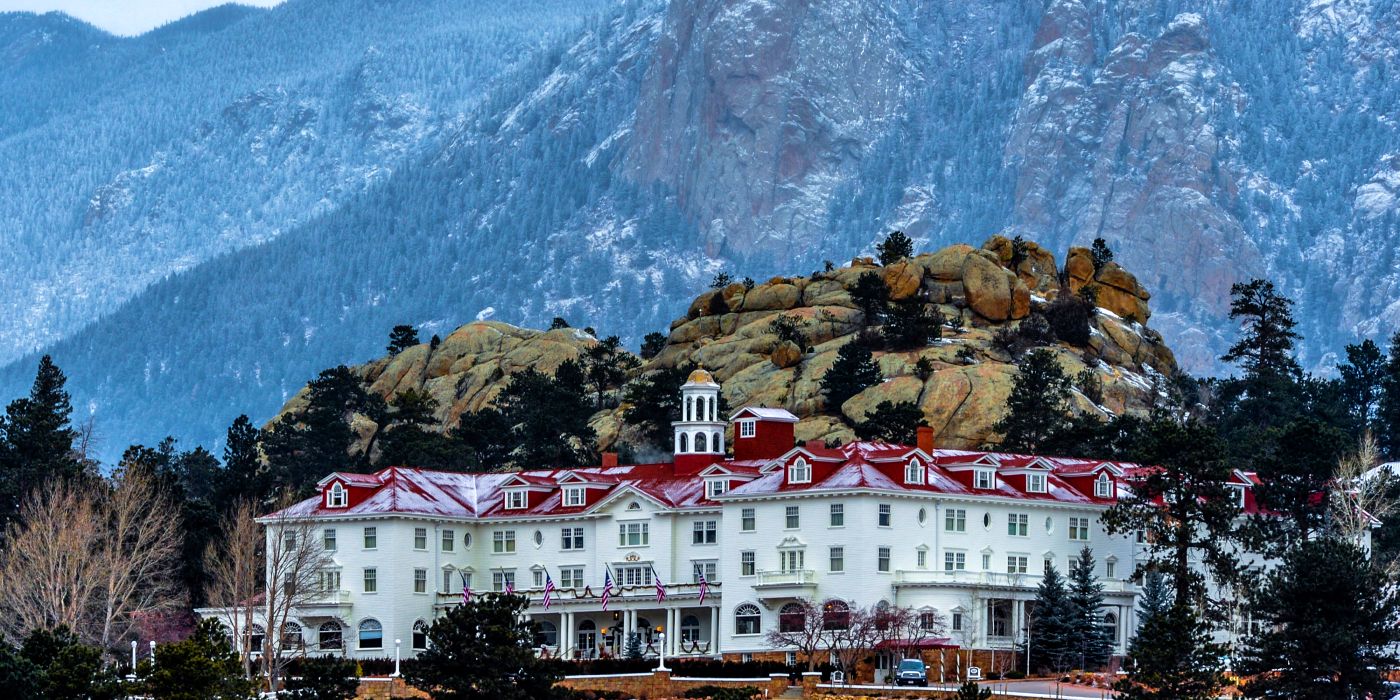
The true birthplace of the Overlook Hotel is The Stanley Hotel in Estes Park. Perched on a hill overlooking the Rocky Mountains, this grand establishment served as the catalyst for Stephen King’s imagination during a pivotal moment in his career. In 1974, King and his wife, Tabitha, were living in Boulder and decided to take a short vacation. They arrived at The Stanley Hotel on the very last day of its season, just as the staff was preparing to shut down for the winter.
A Fateful Stay in Estes Park
Being the only guests in the sprawling, nearly empty hotel created an atmosphere of profound isolation. King has often recounted how the long, vacant hallways and the silence of the Colorado wilderness outside their window sparked the concept of a haunted mountain resort. They stayed in Room 217, which would eventually become the most famous room in horror literature. That night, after a drink in the deserted bar served by a bartender named Grady, King suffered a nightmare about his young son being chased through the corridors by a fire hose. By the time he woke up and lit a cigarette, the skeleton of the novel was formed.
The Stanley Hotel was originally built by Freelan Oscar Stanley, the co-inventor of the Stanley Steamer automobile. Opened in 1909, it was designed to provide a sophisticated retreat for wealthy urbanites seeking the crisp mountain air. Its Georgian Colonial Revival architecture, characterized by its white siding and red roofs, offered a stark contrast to the wild, untamed beauty of Estes Park.
The Ghostly Architecture of the Georgian Colonial Revival
Beyond its literary connection, The Stanley Hotel is an architectural marvel. It features a grand lobby with dark wood paneling, a classic veranda, and sprawling grounds that look out toward Longs Peak. While the book describes the Overlook as a grand, decaying structure, The Stanley Hotel today is a vibrant, luxury destination that embraces its “haunted” reputation.
The hotel offers a variety of accommodations, ranging from the historic main building to the more modern Aspire Residences. However, the “Spirited Rooms” remain the most requested. Room 217 is particularly legendary, having been restored to reflect its early 20th-century elegance while acknowledging its role in pop culture history. The hotel’s commitment to its legacy includes a hedge maze, which was added in 2015 to satisfy fans of the film, despite the maze not appearing in King’s original novel (the book featured topiary animals that came to life).
Timberline Lodge: The Cinematic Face of Terror
While The Stanley Hotel provided the soul of the story, director Stanley Kubrick sought a different aesthetic for his film adaptation. He chose Timberline Lodge, located on the south slope of Mount Hood in Oregon, to serve as the exterior of the Overlook Hotel. The lodge’s rugged, stone-and-timber construction perfectly captured the “fortress of solitude” vibe Kubrick desired.
The Iconic Exteriors on Mount Hood
Timberline Lodge is a masterpiece of WPA-era craftsmanship. Built during the Great Depression, it was dedicated by President Franklin D. Roosevelt in 1937. The lodge is renowned for its “Cascadian” style of architecture, utilizing local stone and massive Douglas fir timbers to create a structure that feels as if it grew naturally out of the mountain.
In the film, the sweeping aerial shots of the Volkswagen Beetle winding through the Glacier National Park in Montana eventually lead to the imposing facade of Timberline Lodge. The lodge’s massive stone chimneys and heavy wooden doors became synonymous with the feeling of being trapped by the elements. Interestingly, the management of Timberline Lodge was initially concerned that the film’s depiction of a haunted hotel would deter guests. They requested that Kubrick change the room number from 217 (the book’s room) to 237, a room that does not exist at the actual lodge, fearing guests would be afraid to stay in the real Room 217. Paradoxically, Room 217 is now the most requested room at The Stanley Hotel.
Balancing Tourism and Horror Legacy
Today, Timberline Lodge serves as a premier destination for skiing and mountaineering. It is a National Historic Landmark that manages to balance its historical significance with its role in cinema history. Visitors often flock to the lodge just to stand in the spot where the Torrance family first arrived. The interior of Timberline Lodge, however, looks nothing like the film. While the lodge is cozy and rustic, the film’s interior was a massive set built at Elstree Studios in England.
The Ahwahnee: Shaping the Interior Aesthetics
If The Stanley Hotel provided the story and Timberline Lodge provided the exterior, The Ahwahnee in Yosemite National Park provided the visual blueprint for the Overlook’s interior. Kubrick and his production designer, Roy Walker, spent a great deal of time photographing various American hotels to find the right look for the “Great Lounge” and the “Colorado Lounge.”
Native American Motifs and Grand Spaces
Located in the heart of California, The Ahwahnee is famous for its “National Park Service Rustic” architecture. The hotel’s interiors feature soaring ceilings, massive stone fireplaces, and intricate Native American-inspired patterns in the textiles and floor designs. Kubrick was particularly drawn to the hotel’s Great Lounge, with its floor-to-ceiling windows and exposed beams.
The production team recreated these spaces on soundstages, meticulously copying the color palettes and the layout of the lobby and the elevators. The famous red elevator doors, which spill blood in one of the film’s most iconic sequences, were inspired by the elevator doors at The Ahwahnee. The use of Navajo and Hopi patterns in the carpet designs of the film’s set was also a direct nod to the cultural aesthetic of the Yosemite National Park landmark.
Translating Yosemite Beauty into Psychological Dread
The genius of using The Ahwahnee as a reference lay in its scale. The hotel was designed to reflect the grandeur of the surrounding granite cliffs of Yosemite Valley. By recreating this scale on a film set, Kubrick was able to make the characters look small and insignificant within the hotel’s vastness. This architectural manipulation contributed significantly to the feeling of “agoraphobic claustrophobia” that defines the film’s atmosphere. Even though the real The Ahwahnee is a place of warmth and luxury, its cinematic twin became a labyrinth of psychological terror.
Why These Hotels Remain Destinations for Horror Enthusiasts
The enduring popularity of The Shining has transformed these three properties into more than just places to stay; they are cultural touchstones. Travelers from around the world visit Colorado, Oregon, and California to experience the atmosphere of the “Real Overlook” in its various forms.
The Lure of Room 217
For purists of the novel, The Stanley Hotel remains the ultimate pilgrimage site. The hotel has leaned into this history, hosting the Stanley Film Festival and offering specialized ghost tours that delve into both the fictional and “real” hauntings of the property. Guests can walk the grounds of Estes Park and see the very mountains that King looked upon while drafting his story. The hotel’s library and the Concert Hall are also steeped in local lore, adding layers of history to the literary connection.

Modern Amenities and Ghost Tours
While the horror connection is a significant draw, these hotels have survived and thrived because they offer exceptional hospitality. Timberline Lodge is a world-class destination for winter sports, offering some of the best skiing in the United States. The Ahwahnee continues to be the crown jewel of Yosemite National Park, providing unparalleled views of Half Dome and Yosemite Falls.
The legacy of The Shining serves as a bridge between the historical past of these grand American hotels and the modern traveler’s desire for immersive experiences. Whether you are looking for the architectural splendor of the United States National Parks or the chilling thrill of a haunted hallway, the hotels that inspired the Overlook provide a unique window into how physical spaces can influence the most powerful stories in our culture. By visiting The Stanley Hotel, Timberline Lodge, or The Ahwahnee, guests aren’t just checking into a room—they are checking into a piece of history that continues to haunt and fascinate the collective imagination.
LifeOutOfTheBox is a participant in the Amazon Services LLC Associates Program, an affiliate advertising program designed to provide a means for sites to earn advertising fees by advertising and linking to Amazon.com. Amazon, the Amazon logo, AmazonSupply, and the AmazonSupply logo are trademarks of Amazon.com, Inc. or its affiliates. As an Amazon Associate we earn affiliate commissions from qualifying purchases.