
The iconic horror film The Shining, directed by Stanley Kubrick, has captivated audiences for decades, weaving a chilling narrative of isolation and madness within the opulent yet menacing confines of the fictional Overlook Hotel. While the Overlook itself has become as legendary as the film’s characters, many viewers often wonder about the real-world inspiration and filming locations. The question of which hotel was used in The Shining is a common one, sparking curiosity about the physical spaces that lent themselves to such a terrifying cinematic experience. It’s a common misconception that a single, existing hotel served as the primary filming location for all exterior and interior shots. The reality is a fascinating blend of real-world inspiration, carefully constructed sets, and strategic location shooting.

The Real-World Inspiration: The Timberline Lodge
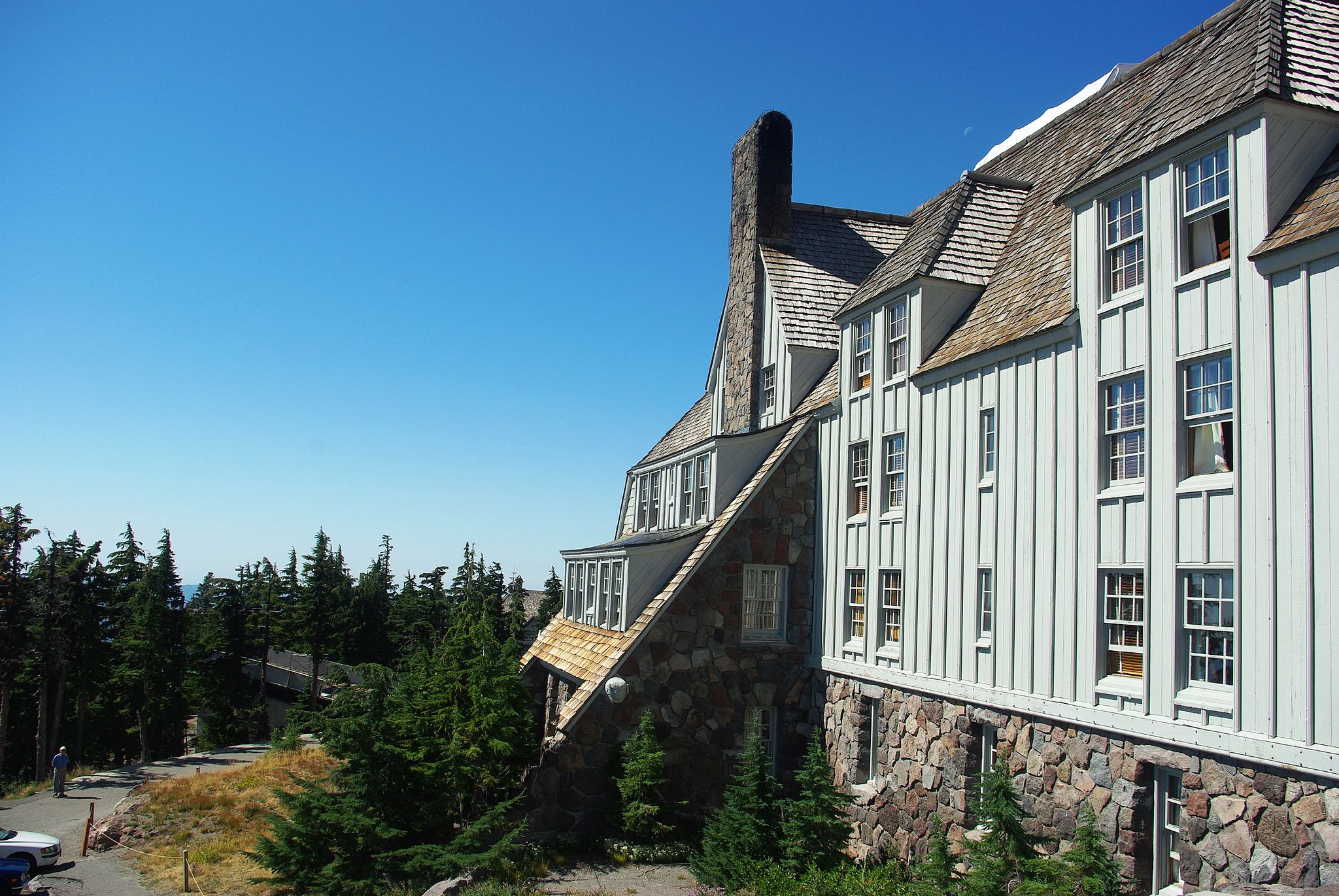
The most prominent real-world inspiration for the Overlook Hotel is undeniably the Timberline Lodge. Perched high on the slopes of Mount Hood in Oregon, the Timberline Lodge provided the majestic and imposing exterior shots that are instantly recognizable to fans of The Shining. Its striking Art Deco architecture, nestled amidst a dramatic mountain landscape, perfectly captured the sense of grandeur and isolation that Kubrick sought for his haunted hotel.
Exterior Shots and Architectural Influence
During the winter months of 1979 and 1980, the film crew, led by Stanley Kubrick, descended upon the Timberline Lodge to capture the establishing shots of the Overlook Hotel. The lodge’s distinctive facade, with its steeply pitched roof and robust timber construction, served as the visual anchor for the film. The aerial shots of the Overlook, with its sprawling architecture and seemingly endless expanse of snow, were filmed at the Timberline Lodge. This choice of location was crucial in establishing the film’s setting as a remote, inaccessible mountain retreat, a key element in the psychological breakdown of the Torrance family.
However, it’s important to note that while the exterior of the Timberline Lodge was used, the interior of the Overlook Hotel in the film bears little resemblance to the actual lodge. The hotel’s grand ballroom, the infamous hallways, and the labyrinthine corridors were not filmed within the Timberline Lodge. This distinction is vital for those seeking to visit the “hotel from The Shining” and experience the atmosphere portrayed on screen.
Interior Filming: The Elstree Studios Sets
The vast majority of the interior scenes of the Overlook Hotel were meticulously recreated on soundstages at Elstree Studios in Hertfordshire, England. Stanley Kubrick, known for his perfectionism, opted to build elaborate sets that allowed for greater control over the filming process and the precise aesthetic he envisioned for the Overlook. This decision was driven by several factors, including the logistical challenges of filming in the remote Rocky Mountains during winter and Kubrick’s desire to precisely craft the psychological environment of the hotel.
Crafting the Psychologically Charged Interiors
The interiors of the Overlook were designed to be both luxurious and unsettling. The iconic Gold Room, the dimly lit bar where Jack Torrance has his spectral encounter with Lloyd the bartender, was a custom-built set. The vast and seemingly endless hedge maze, a pivotal element of the film’s climax, was also a physical creation, not a natural landscape. Kubrick’s attention to detail extended to the intricate patterns of the carpets, the specific placement of furniture, and the overall color palette, all contributing to the suffocating and disorienting atmosphere of the hotel.
The decision to build sets at Elstree Studios allowed Kubrick to experiment with camera movements and shot compositions that would have been impossible to achieve on location. The long, Steadicam tracking shots that glide through the hotel’s corridors, immersing the audience in the unsettling environment, were made possible by the controlled studio setting. This approach ensured that the Overlook Hotel, as depicted in the film, was not merely a backdrop but an active participant in the unfolding psychological horror.

Stanley Hotel and Other Influences
While the Timberline Lodge provided the visual inspiration for the Overlook’s exterior, another historic hotel played a significant role in shaping the narrative and atmosphere of The Shining: the Stanley Hotel in Estes Park, Colorado. Stephen King famously stayed at the Stanley Hotel in 1974, an experience that profoundly influenced his writing of the novel.
King’s Stay and the Novel’s Genesis
King and his wife, Tabitha, were the only guests at the Stanley Hotel during their off-season stay. The eerie silence, the grand, empty corridors, and the sense of being the sole inhabitants of a vast, historic building all contributed to King’s imagination. He described the hotel as feeling “like a dream.” It was during this stay that King conceived the initial ideas for The Shining, particularly the concept of a writer succumbing to the isolation and supernatural forces of a grand, empty hotel. The Stanley Hotel is renowned for its own alleged hauntings, adding another layer of mystique to its connection with the novel.
Kubrick, however, diverged from King’s direct inspiration when it came to filming. While King’s novel was based on the ambiance and psychological impact of the Stanley Hotel, Kubrick sought a more visually striking and grand architectural presence for his film, leading him to the Timberline Lodge for the exteriors. Therefore, while the Stanley Hotel is the birthplace of the novel’s concept, it was not a filming location for the movie adaptation.
Visiting the Locations Today
For fans of The Shining eager to connect with the film’s tangible elements, both the Timberline Lodge and the Stanley Hotel offer distinct experiences.
The Timberline Lodge: A Taste of the Overlook’s Exterior
The Timberline Lodge in Oregon actively embraces its connection to The Shining. Visitors can book stays at the lodge and experience its majestic architecture firsthand. While the interiors will not match the film’s Overlook, the exterior views and the surrounding mountain landscape evoke the very essence of the film’s setting. The lodge often hosts The Shining-themed events and offers guided tours that highlight its role in the cinematic masterpiece. It remains a popular destination for cinephiles seeking to walk in the footsteps of the Torrance family, at least in spirit and exterior appearance.
The Stanley Hotel: The Novel’s Spiritual Home
The Stanley Hotel in Estes Park, Colorado, also leverages its connection to Stephen King and the novel. It is a destination steeped in its own rich history and alleged paranormal activity. The hotel offers tours that delve into its past and its connection to King’s writing experience. While it wasn’t a filming location, a stay at the Stanley Hotel allows visitors to experience the atmosphere that inspired the novel and feel the isolation and grandeur that contributed to one of literature’s most enduring horror stories.
In conclusion, the question of which hotel was used in The Shining reveals a multifaceted answer. The imposing exterior was brought to life by the Timberline Lodge, while the chilling interiors were meticulously constructed at Elstree Studios. The novel itself found its genesis in the evocative atmosphere of the Stanley Hotel. Each of these locations, in its own way, contributed to the enduring legacy of The Shining, a film that continues to haunt the imaginations of viewers worldwide.
LifeOutOfTheBox is a participant in the Amazon Services LLC Associates Program, an affiliate advertising program designed to provide a means for sites to earn advertising fees by advertising and linking to Amazon.com. Amazon, the Amazon logo, AmazonSupply, and the AmazonSupply logo are trademarks of Amazon.com, Inc. or its affiliates. As an Amazon Associate we earn affiliate commissions from qualifying purchases.