
When planning a trip to the scenic Centennial State, understanding the local time zone is a fundamental piece of information for seamless travel. Whether you’re arriving from across the United States or an international destination, knowing the precise time in Denver and Colorado Springs is crucial for everything from catching flights to booking dinner reservations. Both of these vibrant Colorado cities operate on the same time schedule, making itinerary planning straightforward once you’ve adjusted your clock.
Understanding Mountain Time (MT)
Denver and Colorado Springs, like the majority of Colorado, observe the Mountain Time Zone (MT). This time zone is seven hours behind Coordinated Universal Time (UTC) during standard time, often expressed as UTC-7. For reference, UTC is the primary time standard by which the world regulates clocks and time, closely related to Greenwich Mean Time (GMT).

Daylight Saving Time (DST) in Colorado
Like most of the United States, Colorado observes Daylight Saving Time (DST). This means that on the second Sunday in March, clocks “spring forward” by one hour. During this period, Denver and Colorado Springs switch to Mountain Daylight Time (MDT), which is six hours behind UTC (UTC-6).
The shift back to Mountain Standard Time (MST) occurs on the first Sunday in November, when clocks “fall back” by one hour. It’s crucial for travelers to be aware of these changes, especially if their trip dates span these transitions, as it can affect travel plans and communication with those in other time zones. Many modern electronic devices will automatically adjust, but it’s always wise to double-check.
Time Zone Comparisons
To put MT/MDT into perspective for travelers arriving from other US time zones:
- From the East Coast (Eastern Time Zone – ET/EDT): Denver and Colorado Springs will be two hours behind. If it’s 3:00 PM in New York City, it will be 1:00 PM in Denver.
- From the Central United States (Central Time Zone – CT/CDT): Colorado will be one hour behind. If it’s 2:00 PM in Chicago, it will be 1:00 PM in Colorado Springs.
- From the West Coast (Pacific Time Zone – PT/PDT): Denver and Colorado Springs will be one hour ahead. If it’s 12:00 PM in Los Angeles, it will be 1:00 PM in Denver.
Why Time Zones Matter for Colorado Travelers
Beyond simply knowing the current hour, understanding the local time zone has significant implications for a smooth and enjoyable travel experience. It impacts virtually every aspect of your journey, from the moment you consider booking your flight to your final departure.
Planning Your Arrival and Departure
Accurate time-zone awareness is paramount for air travel. Miscalculating your arrival time can lead to missed connections, confusion with airport transfers, or issues with hotel check-in times. When booking flights, especially those crossing multiple time zones, always confirm the arrival and departure times in the local time of each airport. Similarly, arranging shuttle services, car rentals, or meeting up with friends or family requires everyone to be on the same page regarding the local time.
Synchronizing Your Itinerary
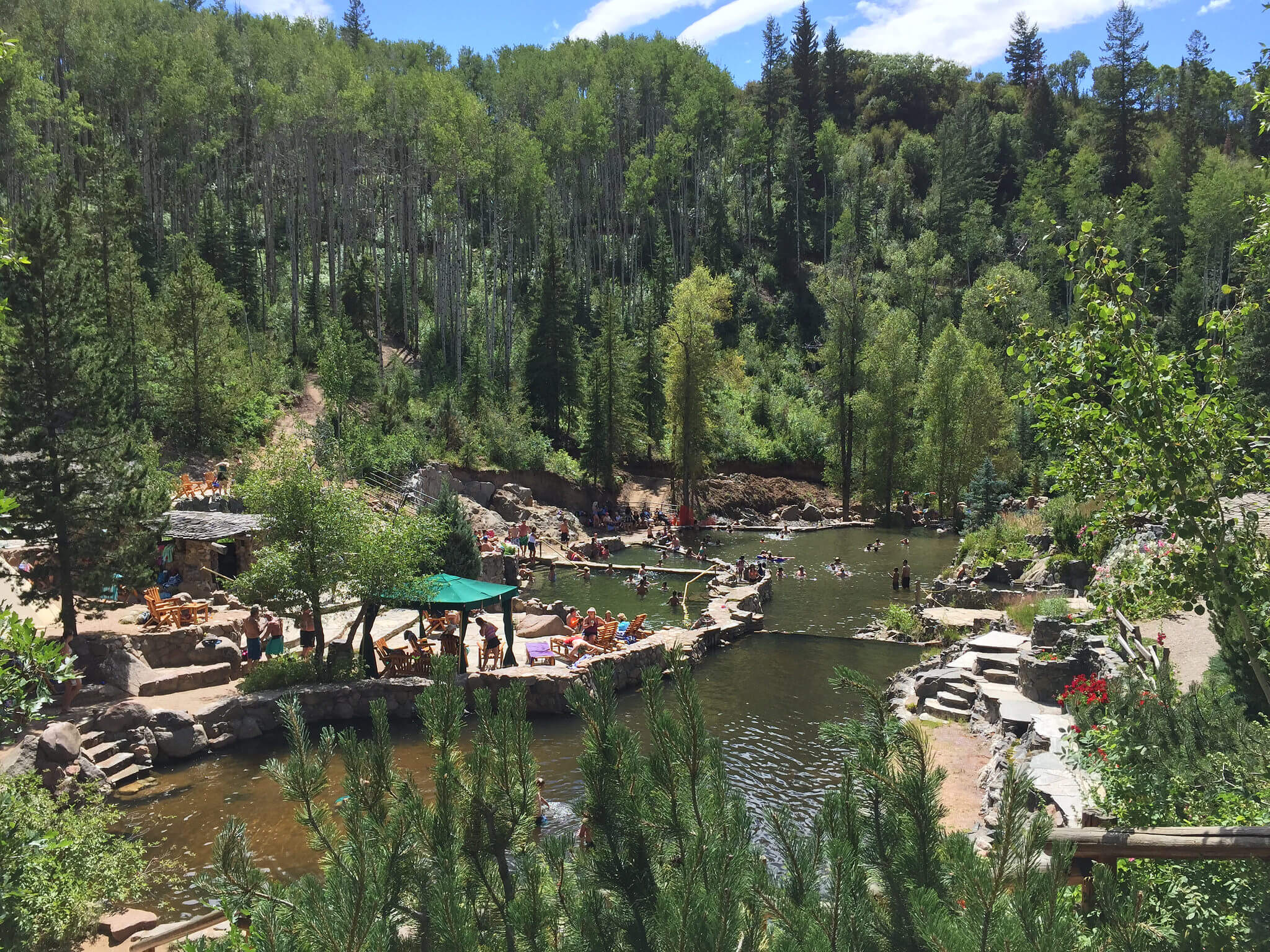
Denver and Colorado Springs offer a wealth of attractions, tours, and dining experiences, many of which operate on strict schedules. From timed entry tickets at museums to specific departure times for scenic train rides, adhering to local time is non-negotiable.
- Tour Bookings: Guided tours, adventure excursions into the Rocky Mountains, or brewery tours in Denver often have precise start times. Arriving late can mean missing out entirely.
- Restaurant Reservations: Popular dining establishments in both cities require reservations, and these are always set in local time.
- Attraction Opening Hours: Museums, parks, and other sites have specific operating hours, which can also vary seasonally. Checking these against your local time ensures you don’t arrive to a closed gate.
Business and Communication
For those traveling to Colorado for business, or simply needing to stay in touch with work, family, or friends back home, time differences are a critical consideration. Scheduling virtual meetings, making important phone calls, or even just coordinating a convenient time to chat requires a clear understanding of the time in both locations. This is particularly relevant for remote workers who might be trying to maintain their regular work schedule while enjoying the Colorado landscape.
Battling Jet Lag
If you’re traveling from a distant time zone, especially from the east, you may experience jet lag. Being aware of the local time zone beforehand allows you to start adjusting your sleep schedule even before you depart. Upon arrival, immediately syncing to local time for meals, sleep, and activities can help mitigate the effects of jet lag, ensuring you maximize your enjoyment of the trip.
Time-Sensitive Attractions and Activities in Denver and Colorado Springs
Both Denver and Colorado Springs are rich with experiences that require careful time management.
Denver Highlights
- Denver Art Museum: Plan your visit to this impressive museum, noting its specific opening and closing times, which can vary by day of the week. Last entry is often an hour before closing.
- Red Rocks Amphitheatre: If attending a concert or performance, doors typically open well before the show starts. Arrive early to find parking and enjoy the stunning natural surroundings. During the day, it’s open for visitors and hikers, but check for closures during events.
- Union Station: While the station itself is open 24/7 as a transit hub, its various restaurants, bars, and shops have individual operating hours. Plan accordingly for brunch, happy hour, or dinner.
- Denver Botanic Gardens: These beautiful gardens have seasonal hours, typically longer in summer and shorter in winter. Check their website to ensure you have ample time to explore.
Colorado Springs Adventures
- Garden of the Gods: While the park itself is open year-round with varying seasonal hours (longer in summer), the Visitor and Nature Center has more restricted hours. Catching sunrise or sunset over the red rock formations is a magical, time-dependent experience.
- Pikes Peak – America’s Mountain: Whether you drive the Pikes Peak Highway, take the Cog Railway, or hike, access to the summit can be time-limited and subject to weather conditions. The Cog Railway operates on a strict schedule, requiring advance booking.
- United States Air Force Academy: Public access to the Visitor Center and Chapel has specific hours. Plan your visit to coincide with these times and allow extra time for security checks.
- Cheyenne Mountain Zoo: With various animal encounters and shows, planning your day around the zoo’s schedule is key to maximizing the experience. Check the daily schedule upon arrival.

Practical Tips for Time Management on Your Colorado Trip
To ensure your Colorado adventure runs smoothly, consider these practical time management tips:
- Set Your Devices to Automatic: Most smartphones and smartwatches automatically adjust to the local time zone when you arrive. Double-check that this setting is enabled to avoid manual errors.
- Confirm Bookings in Local Time: Always reconfirm reservation times for flights, accommodations, tours, and dining, ensuring they are understood in the local Mountain Time or Mountain Daylight Time.
- Adjust to Local Meal Times: Embrace the local rhythm. Even if you’re feeling effects of jet lag, try to eat meals at local times to help reset your internal clock.
- Buffer Time for Travel: When moving between attractions or cities, always build in extra time for unexpected delays, traffic, or finding parking. Even a short drive can take longer than anticipated.
- Consider Seasonal Changes: Remember the impact of Daylight Saving Time. If your trip is in March or November, confirm how the time change might affect your plans.
By understanding that both Denver and Colorado Springs reside in the Mountain Time Zone, and accounting for Daylight Saving Time, you can efficiently plan your itinerary, make timely bookings, and fully immerse yourself in all the incredible experiences these Colorado destinations have to offer. Enjoy your time in the Rockies!
LifeOutOfTheBox is a participant in the Amazon Services LLC Associates Program, an affiliate advertising program designed to provide a means for sites to earn advertising fees by advertising and linking to Amazon.com. Amazon, the Amazon logo, AmazonSupply, and the AmazonSupply logo are trademarks of Amazon.com, Inc. or its affiliates. As an Amazon Associate we earn affiliate commissions from qualifying purchases.