
Navigating the diverse landscape of hunting opportunities in Oklahoma requires a keen understanding of its varied seasons. From the vast prairies to the dense woodlands, the Sooner State offers a rich tapestry for sportsmen and women. This guide delves into the primary hunting seasons, providing essential information for planning your next outdoor adventure and understanding the pulse of the state’s wildlife management.
Understanding Oklahoma’s Hunting Seasons
Oklahoma boasts a comprehensive hunting calendar, meticulously managed by the Oklahoma Department of Wildlife Conservation (ODWC). These seasons are designed to ensure sustainable populations of game animals while providing ample opportunities for hunters. The state’s diverse ecosystems support a wide array of species, each with its own specific hunting periods. Understanding these distinct seasons is paramount for both novice and experienced hunters to comply with regulations and maximize their chances of a successful outing.
Big Game Seasons
Big game hunting in Oklahoma primarily revolves around white-tailed deer and elk, with seasons structured to manage populations effectively and provide distinct hunting experiences.
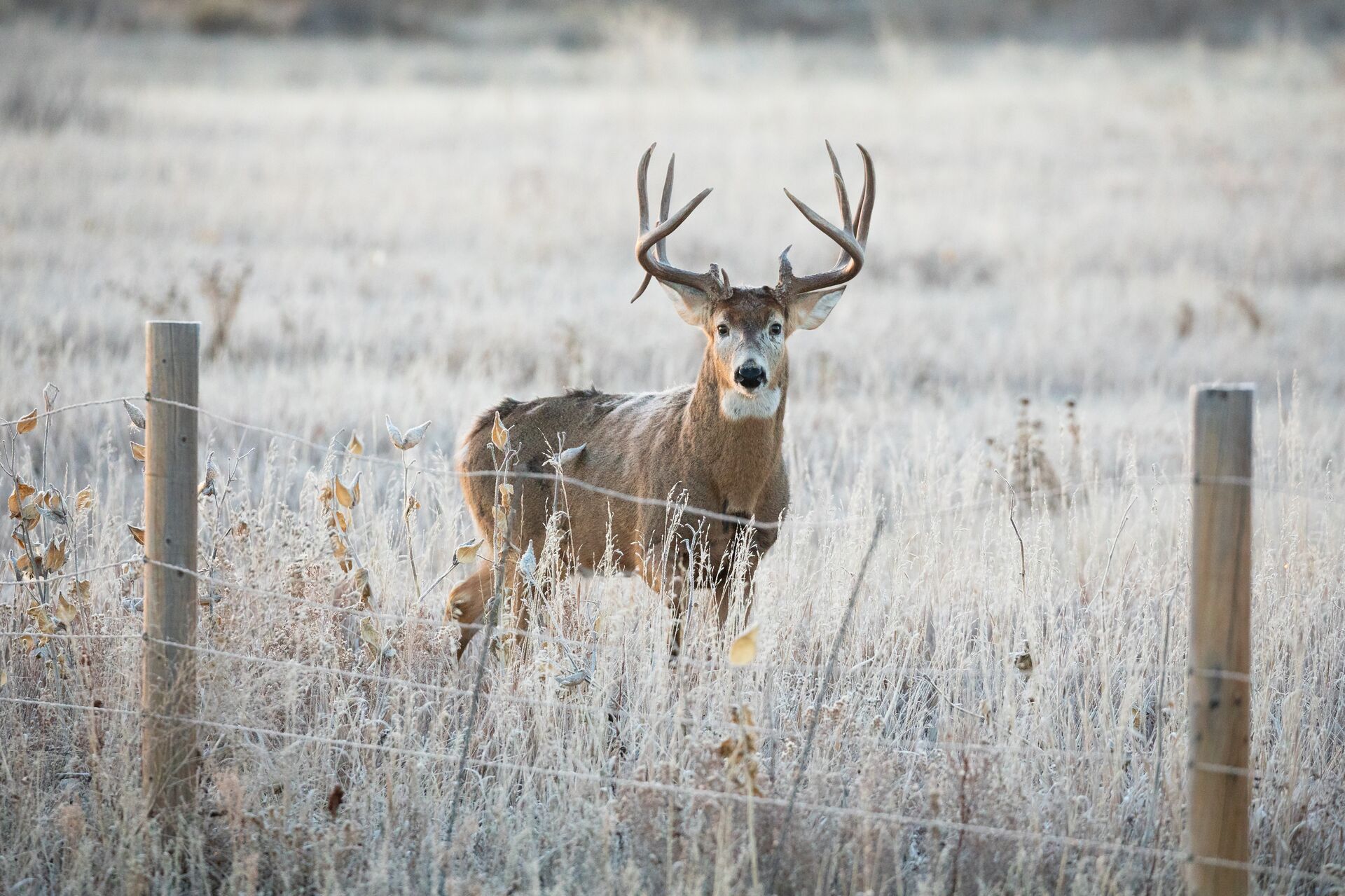
White-Tailed Deer
The white-tailed deer is the most sought-after big game animal in Oklahoma. The hunting season is divided into several segments, catering to different hunting methods and preferences:
- Archery Season: This season typically opens in early October and extends through mid-January, offering an extended period for bowhunters. This is often the longest season, allowing for patient stalking and precise shots. Many hunters find this period ideal for observing deer behavior and utilizing camouflage effectively.
- Rifle Seasons:
- Youth Season: A special youth rifle season is usually held in late September or early October, providing an opportunity for young hunters to gain experience under adult supervision. This season is designed to introduce the next generation to the tradition of hunting.
- Opening Weekend: The general rifle season often begins in mid-November, a prime time when deer are actively moving due to the rut. This is a highly anticipated period for many hunters across the state.
- Late Season: A second rifle season may follow the opening weekend, extending the opportunities for rifle hunters.
- Muzzleloader Season: Following the rifle seasons, a muzzleloader season typically opens in early to mid-December, allowing hunters to use traditional black powder firearms. This season offers a unique challenge and a historical hunting experience.
The specific opening and closing dates, along with regulations regarding weapon types, bag limits, and zone-specific rules, are detailed in the annual Oklahoma Hunting Regulations Guide published by the ODWC. Hunters are urged to consult this guide meticulously before each season.
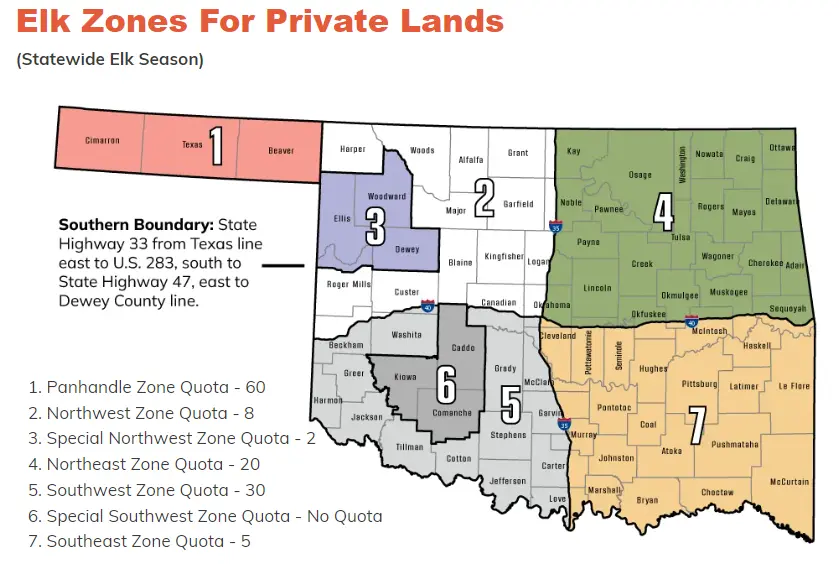
Elk
Elk hunting in Oklahoma is primarily concentrated in the northeastern portion of the state, particularly within the Ozark Highlands. Due to limited permits, elk hunting often involves a draw system.
- Archery Season: Similar to deer, an archery season for elk typically precedes the rifle seasons, offering an earlier opportunity for bowhunters in designated areas.
- Rifle Season: A general rifle season for elk usually runs for a specific period, often in the fall, allowing for the use of rifles.
- Managed Hunts: The ODWC also conducts managed elk hunts, which are highly regulated and often require successful application through a lottery system.
Upland Game Seasons
Oklahoma is renowned for its diverse upland game bird populations, offering exciting opportunities for hunters with pointing dogs.
Bobwhite Quail
The bobwhite quail is a classic game bird in Oklahoma, and its season is a highlight for many bird hunters.
- Season Dates: The bobwhite quail season typically opens in late October or early November and runs through March 1st. This extended season allows hunters ample time to pursue these challenging birds across the state’s grasslands and agricultural fields. The health of quail populations can fluctuate annually based on habitat conditions and weather patterns, making it crucial to monitor ODWC reports.
Scaled Quail
Found primarily in the southwestern panhandle of Oklahoma, the scaled quail, or “blue quail,” presents a different hunting experience.
- Season Dates: The season for scaled quail generally aligns with the bobwhite quail season, opening in late October or early November and concluding on March 1st. Hunters venturing into this arid region will find a unique habitat and a resilient game bird.
Pheasant
While not as widespread as quail, pheasant hunting is a viable pursuit in certain agricultural areas of western Oklahoma, particularly in counties bordering the Oklahoma Panhandle.
- Season Dates: The pheasant season usually opens concurrently with the quail seasons in late October or early November and extends through early January. Success often depends on finding suitable habitat with sufficient grain fields and cover.
Squirrel
Squirrel hunting is a popular pastime throughout the year, with specific seasons for different species and methods.
- Fox Squirrel and Gray Squirrel: Seasons for both fox squirrels and gray squirrels typically run from May 15th through March 15th. This lengthy open season allows for various hunting styles, from early morning ambushes to afternoon stalk-and-shoot expeditions in wooded areas.
Waterfowl Seasons
Oklahoma is a critical flyway for many migratory waterfowl species, offering excellent hunting opportunities, especially around the state’s numerous lakes and reservoirs.
Ducks
- Season Dates: Duck seasons are complex and vary by zone, typically opening in mid-November and extending through late January. These seasons are carefully aligned with migration patterns and are subject to federal frameworks. Key species include mallards, pintails, gadwalls, and teal. Hunting often occurs in flooded timber, marshes, and along the shorelines of lakes like Lake Texoma and Grand Lake o’ the Cherokees.
Geese
- Season Dates: Goose seasons, including those for Canada geese and snow geese, often have slightly different opening and closing dates than duck seasons, but generally run through the late fall and winter months. The Osage Plains and agricultural fields are prime goose hunting locations.
Other Game Seasons
Beyond the primary game animals, Oklahoma offers opportunities for various other species.
Rabbits
- Season Dates: Rabbit hunting is permitted year-round for cottontails and swamp rabbits, with specific regulations on bag limits. Jackrabbit hunting often has different seasons and is generally confined to specific regions.
Furbearers
- Trapping and Hunting: Seasons for furbearers such as coyotes, foxes, bobcats, badgers, and raccoons vary. Trapping seasons typically run from December 1st through March 31st, while some species can be hunted year-round or during specific defined seasons. These opportunities provide hunters and trappers with the chance to engage with the state’s diverse nocturnal and predatory wildlife.
Alligator
- Managed Hunts: Oklahoma has a growing alligator population, and limited hunting opportunities exist through a tag and draw system, primarily in the southeastern part of the state. These hunts are highly regulated and often take place during the summer months.
Planning Your Hunting Trip in Oklahoma
Successfully planning a hunting trip in Oklahoma involves more than just knowing the season dates. It requires understanding the licensing requirements, geographical considerations, and the importance of respecting wildlife and land.
Licensing and Regulations
- Resident and Non-Resident Licenses: Hunters must obtain the appropriate licenses and permits for the species they intend to pursue. These can be purchased online through the ODWC website, at authorized license vendors, or through the Go Outdoors Oklahoma app. Licenses vary based on residency status, the type of game hunted, and the weapon used.
- Hunter Education: For individuals born after a certain date (typically January 1, 1972), a completed hunter education course is mandatory to obtain a hunting license.
- Annual Regulations Guide: The Oklahoma Hunting Regulations Guide is the definitive source for all legal requirements, including season dates, bag limits, legal shooting hours, weapon restrictions, and zone maps. It is crucial to review this guide thoroughly each year, as regulations can change.
Geographical Considerations and Habitat
Oklahoma’s diverse geography dictates where certain game animals are most prevalent.
- Eastern Oklahoma: Characterized by the Ozark Mountains and the Ouachita Mountains, this region offers dense forests ideal for white-tailed deer, elk, and some turkey populations.
- Central and Western Oklahoma: This area transitions to prairies, rolling hills, and agricultural lands, providing excellent habitat for bobwhite quail, pheasant, and deer. Large reservoirs and river systems here also attract significant waterfowl populations.
- The Panhandle: The rugged terrain of the Oklahoma Panhandle is known for scaled quail and offers unique hunting experiences.
Ethical Hunting and Conservation
Responsible hunting is integral to the sustainable management of Oklahoma’s wildlife. This includes understanding ethical shot placement, respecting property rights, leaving no trace, and adhering strictly to all regulations. The revenue generated from hunting licenses and permits directly supports conservation efforts managed by the ODWC, ensuring healthy wildlife populations for future generations.
Key Resources for Hunters
To ensure a safe, legal, and enjoyable hunting experience in Oklahoma, consulting official resources is essential.
Oklahoma Department of Wildlife Conservation (ODWC)
The ODWC is the primary authority for hunting in the state. Their website is an invaluable resource for:
- Regulations: Access to the latest hunting regulations guide.
- Licenses: Online purchasing of hunting licenses and permits.
- Maps: Detailed maps of Wildlife Management Areas (WMAs) and public hunting lands.
- Hunter Education: Information on required hunter education courses.
- Wildlife News and Updates: Information on population trends, habitat conditions, and any emergency rule changes.
Go Outdoors Oklahoma App
The official mobile application, Go Outdoors Oklahoma, allows hunters to purchase licenses, carry their digital licenses, access regulations, and view maps, all from their mobile device. This app is a convenient tool for hunters on the go.
Local Wildlife Management Areas (WMAs)
Oklahoma boasts numerous Wildlife Management Areas (WMAs) that provide public hunting opportunities. Researching specific WMAs based on the game you intend to pursue is highly recommended. Information on accessibility, habitat type, and available amenities can usually be found on the ODWC website. Some popular WMAs include the Tishomingo National Wildlife Refuge and the McCurtain County Wilderness Area.

Local Knowledge
Engaging with local hunting communities, conservation officers, or landowners can provide invaluable insights into current conditions, game movement, and best practices for specific areas. Always ensure you have explicit permission before hunting on private land.
By staying informed about the various hunting seasons and diligently following all regulations, hunters can fully appreciate the rich outdoor heritage and abundant wildlife that Oklahoma has to offer.
LifeOutOfTheBox is a participant in the Amazon Services LLC Associates Program, an affiliate advertising program designed to provide a means for sites to earn advertising fees by advertising and linking to Amazon.com. Amazon, the Amazon logo, AmazonSupply, and the AmazonSupply logo are trademarks of Amazon.com, Inc. or its affiliates. As an Amazon Associate we earn affiliate commissions from qualifying purchases.