
In 2023, Florida, a premier travel destination, faced the significant impact of Hurricane Idalia. This powerful storm made landfall as a Category 3 hurricane, bringing with it widespread disruptions and challenges for residents and the vibrant tourism industry alike. For travelers planning trips to the Sunshine State, understanding the nature of this event, its direct impact on specific regions, and the subsequent recovery efforts is crucial for informed and responsible travel decisions. Florida’s resilience is well-documented, but tropical cyclones inevitably reshape travel landscapes, influencing everything from flight schedules and accommodation availability to the accessibility of natural attractions and the overall visitor experience.
Hurricane Idalia’s Path and Impact on Florida’s Travel Landscape
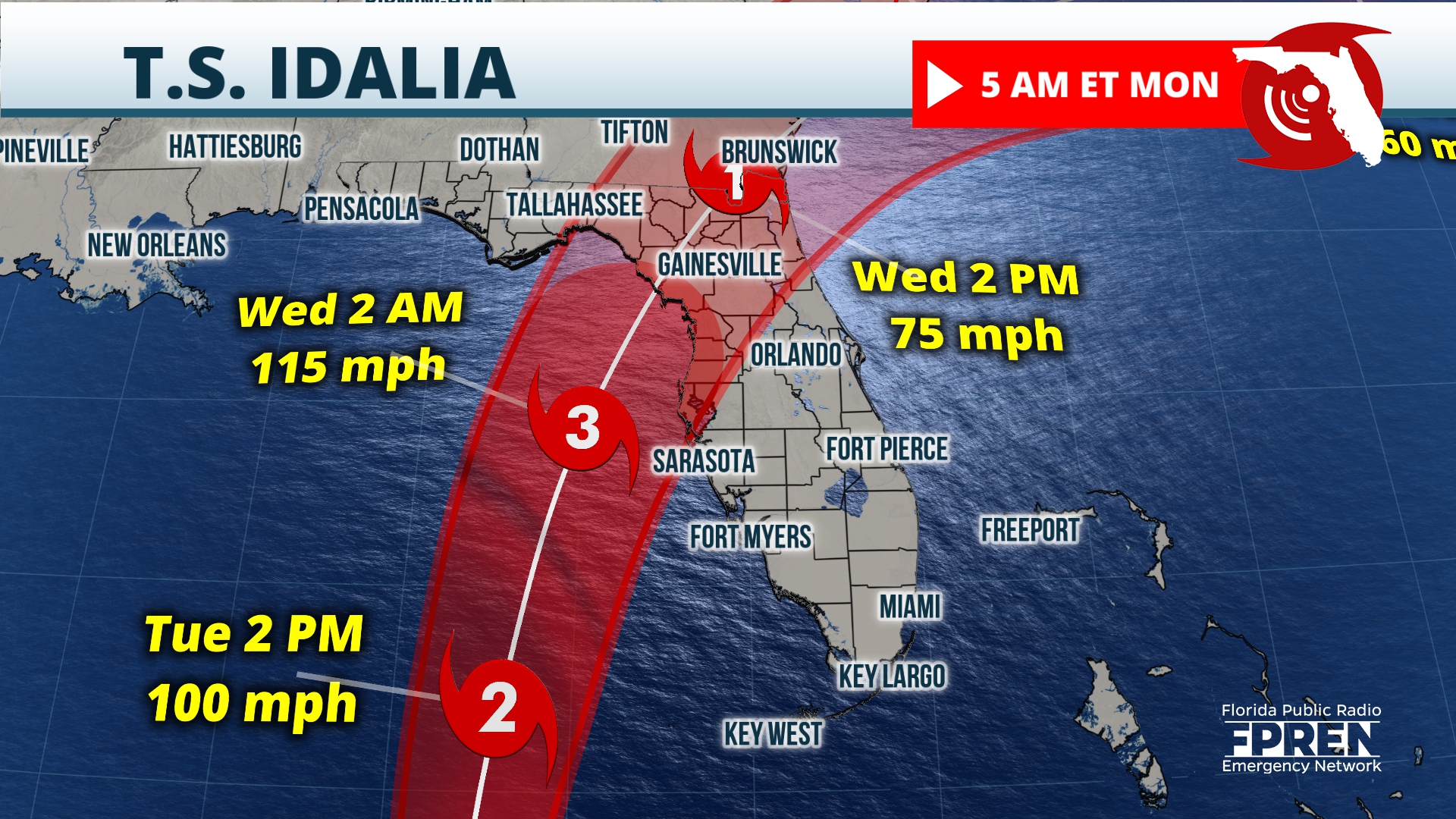
Hurricane Idalia marked a pivotal moment for Florida in late August 2023, as it rapidly intensified over the warm waters of the Gulf Coast before making a dramatic landfall. Its trajectory and strength created a ripple effect across the state, particularly impacting coastal communities that rely heavily on tourism.
Initial Landfall and Affected Regions
Hurricane Idalia made landfall near Keaton Beach in Taylor County, a part of Florida’s lesser-known but incredibly beautiful Big Bend region, often referred to as the Forgotten Coast. This area, characterized by its untouched natural beauty, fishing villages like Steinhatchee, and historic towns such as Cedar Key, bore the brunt of the storm’s Category 3 winds and devastating storm surge. The initial impact brought significant flooding, power outages, and structural damage to these quaint communities.
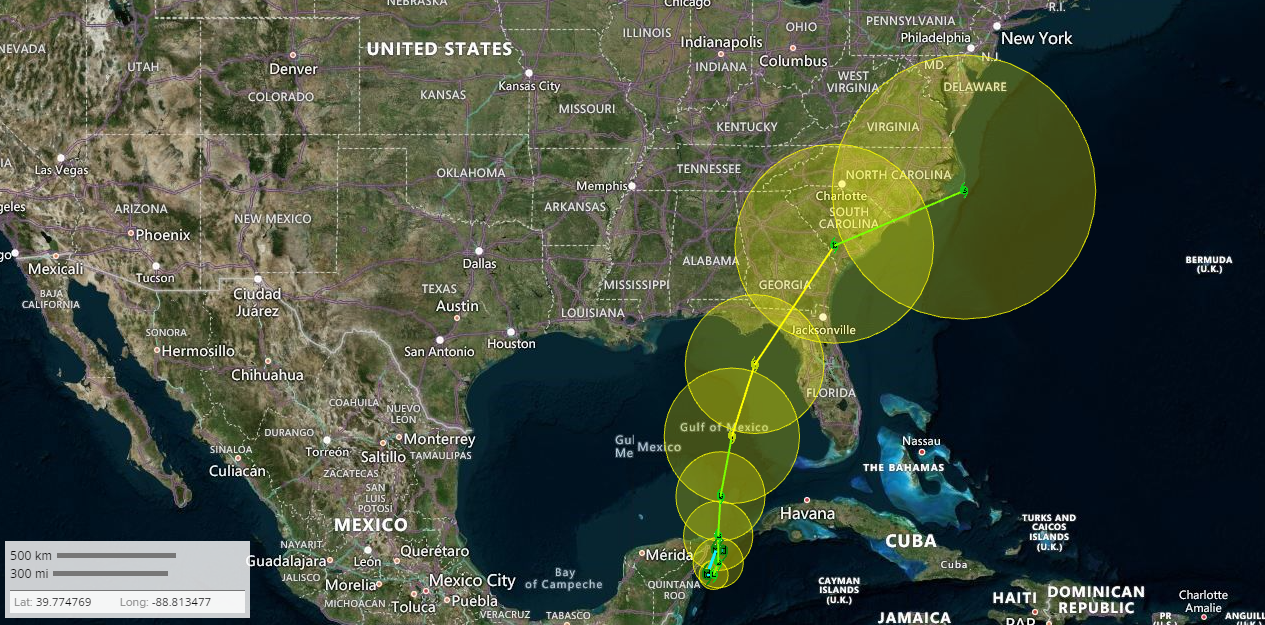
While the primary impact zone was concentrated along the Big Bend, the storm’s broader influence extended across much of the Florida peninsula. Heavy rainfall, strong winds, and tropical storm-force gusts affected areas as far south as Tampa Bay and Orlando before Idalia moved northeastward into Georgia and the Carolinas. This widespread weather disruption meant that even regions not directly hit by the hurricane’s eyewall experienced significant travel delays and temporary closures.
Immediate Travel Disruptions
In the immediate aftermath of Hurricane Idalia’s landfall, travel across many parts of Florida experienced considerable disruption. Airports in affected areas, including those serving cities like Tallahassee and Gainesville, temporarily ceased operations, leading to numerous flight cancellations and delays. Major roadways, particularly those connecting coastal towns, were closed due to flooding, downed trees, and debris, rendering certain destinations inaccessible for a period.
Hotels and resorts in the direct path faced closures for damage assessment and repairs. Even in areas further inland, many establishments operated with reduced services due to power outages or staff displacement. For travelers with existing bookings, this translated into forced cancellations, re-routing, or significant modifications to their itineraries. Cruise lines also adjusted their routes to avoid the storm, impacting sailings from Florida ports. The immediate aftermath underscored the importance of comprehensive travel insurance and real-time communication with airlines, hotels, and tour operators.
Assessing Damage and Recovery in Key Florida Destinations
The recovery process following Hurricane Idalia began almost immediately, with local communities and state agencies working diligently to restore essential services and rebuild damaged infrastructure. For the travel industry, this meant a concerted effort to bring attractions back online and reassure visitors about the safety and accessibility of various destinations.
Big Bend Region and the Forgotten Coast
The Big Bend and Forgotten Coast areas, including communities like Cedar Key, Steinhatchee, and Mexico Beach further west in the Panhandle, experienced the most severe structural damage and prolonged utility outages. Coastal homes, businesses, and marinas suffered significant losses from storm surge. Recovery in these areas is often a long-term endeavor, focusing on rebuilding homes, restoring local businesses, and repairing vital infrastructure. For travelers, this means some of the more rustic and secluded natural attractions, state parks, and fishing charters might have experienced extended closures or reduced capacity. Supporting these communities through conscious tourism once they are ready to welcome visitors can be incredibly impactful for their economic revival.
Central and South Florida’s Resilience

Fortunately, major travel hubs such as Orlando, Miami, Tampa Bay, St. Petersburg, Sarasota, Naples, and Key West largely escaped direct hurricane-force impacts from Idalia. While these areas experienced heavy rains, gusty winds, and some localized flooding, the damage was minimal compared to the Big Bend region. As a result, iconic attractions like Walt Disney World and Universal Orlando Resort in Orlando, the vibrant nightlife of Miami, and the beautiful beaches of South Florida resumed normal operations quickly. Travelers to these regions experienced only minor, temporary inconveniences, such as airport delays or brief park closures, if any. The rapid return to normalcy in these areas highlighted the robustness of Florida’s tourism infrastructure in its major population centers.
Updates for Coastal Attractions and Parks
Many of Florida’s beloved coastal attractions and state parks experienced varied levels of impact. Those directly along the Gulf Coast in the Big Bend area often required extensive cleanup and repairs due to storm surge and erosion. These could include beach access points, boardwalks, camping facilities, and hiking trails. Inland parks and attractions generally fared better, with closures usually limited to debris removal.
Visitors planning to explore Florida’s natural beauty, particularly its state and national parks like Everglades National Park or Dry Tortugas National Park, should always check official park websites for the latest updates on conditions and accessibility, especially during hurricane season. While some natural areas may see temporary changes, Florida’s commitment to preserving and restoring its ecological treasures ensures that these destinations remain a draw for nature enthusiasts.
Travel Considerations and Future Planning for Florida Visitors
Understanding the dynamics of hurricane season and its potential impact is an essential part of planning any trip to Florida, especially if visiting between June and November. Being prepared not only ensures a smoother travel experience but also contributes to responsible tourism.
Staying Informed: Essential Resources for Travelers
For travelers to Florida, reliable and up-to-date information is paramount. Before and during hurricane season, it is crucial to monitor official sources. The National Hurricane Center (NHC) provides real-time tracking and forecasts for tropical systems. The National Oceanic and Atmospheric Administration (NOAA) also offers comprehensive weather information. For state-specific travel advisories, Visit Florida, the state’s official tourism marketing corporation, is an invaluable resource, often providing updates on destination statuses and recovery efforts. Travelers should also check local county emergency management websites for specific alerts and evacuation orders, as well as their airline and accommodation providers directly for updates on their bookings.
Supporting Local Tourism During Recovery
One of the most effective ways travelers can assist hurricane-affected areas is by supporting local tourism once communities are ready to welcome visitors again. After the immediate emergency response phase, local businesses—restaurants, shops, tour operators, and small hotels—are vital to the economic recovery. Choosing to visit these areas and patronize local establishments helps infuse much-needed funds back into the community, aiding the rebuilding process and supporting livelihoods. Travelers should, however, ensure that the chosen destination is officially open for tourism and not still in a critical recovery phase that would strain local resources.
Best Practices for Hurricane Season Travel
Traveling to Florida during hurricane season can be perfectly safe and enjoyable with proper planning. Here are some best practices:
- Travel Insurance: Purchase comprehensive travel insurance that covers trip cancellations, delays, and medical emergencies due to weather events. Read the policy carefully to understand its coverage for hurricanes.
- Flexibility: Opt for flexible booking options for flights and accommodations that allow for changes or cancellations without hefty fees.
- Emergency Kit: If driving, have a basic emergency kit in your car with water, snacks, a first-aid kit, and a phone charger.
- Communication Plan: Share your itinerary with family or friends and establish a communication plan in case of disruptions.
- Stay Informed: Continuously monitor weather forecasts and official advisories from sources like the National Hurricane Center and the Federal Emergency Management Agency (FEMA).
- Know Your Evacuation Zone: If staying in a coastal area, understand your designated evacuation zone and be prepared to follow local authority instructions.
The Enduring Allure of Florida: A Destination Beyond Disasters
Despite the challenges posed by events like Hurricane Idalia, Florida’s appeal as a top travel destination remains undiminished. Its diverse landscapes, world-class attractions, and vibrant culture continue to draw millions of visitors annually. The state has a proven track record of resilience and efficient recovery following natural disasters.
For travelers, the key lies in preparedness and informed decision-making. By understanding the potential risks, utilizing available resources, and choosing to support local economies responsibly, visitors can still enjoy the magic of Florida. Whether it’s the thrill of theme parks, the tranquility of pristine beaches, the unique ecosystems of its Everglades, or the charming historic districts, Florida stands ready to welcome guests with its characteristic warmth and hospitality, even as it continues to rebuild and adapt. The spirit of the Sunshine State is one of enduring beauty and unwavering optimism, making it a destination that consistently rebounds and reinvents itself for the next generation of travelers.
LifeOutOfTheBox is a participant in the Amazon Services LLC Associates Program, an affiliate advertising program designed to provide a means for sites to earn advertising fees by advertising and linking to Amazon.com. Amazon, the Amazon logo, AmazonSupply, and the AmazonSupply logo are trademarks of Amazon.com, Inc. or its affiliates. As an Amazon Associate we earn affiliate commissions from qualifying purchases.