
The question “Where is Downtown New York?” might seem simple, yet it opens a complex and dynamic discussion about the very heart of one of the world’s most iconic cities. Unlike many metropolises with a singular, universally agreed-upon central business district, New York City’s downtown is not a fixed point but rather a fluid concept, evolving over centuries and encompassing a diverse array of neighborhoods, each with its own distinct character and historical significance. To truly understand “Downtown New York,” one must delve into its geographical, historical, and cultural layers, recognizing it not as a single entity but as a vibrant mosaic.

Defining the Downtown Landscape
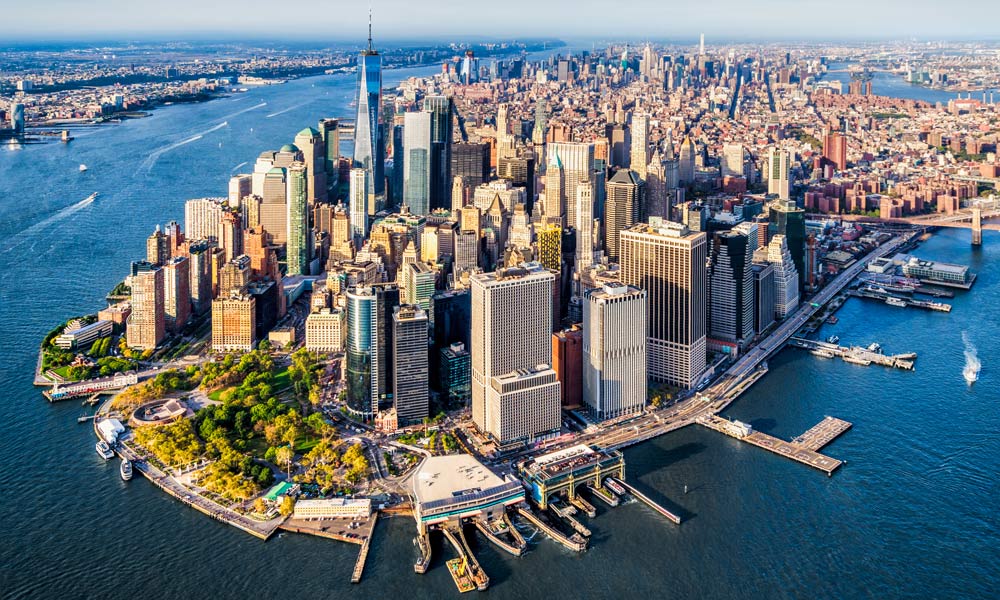
Geographically, “Downtown” in New York City refers to the southernmost part of Manhattan. This is the starting point of the city’s historical development, where the first European settlers established their presence. However, its boundaries are not rigidly defined. Typically, it begins north of Battery Park and extends upwards, with the northernmost point often debated. Some consider Chambers Street or even Houston Street as the dividing line with Midtown. This ambiguity is part of its charm, allowing different neighborhoods to claim the mantle of “downtown” depending on the context.
Financial District: The Economic Engine
Historically and arguably, the most prominent claimant to the “downtown” title is the Financial District. This area, centered around Wall Street, is synonymous with global finance and commerce. Its towering skyscrapers, including the iconic One World Trade Center and the historic New York Stock Exchange, are testaments to its economic might.
- Wall Street: The very name evokes images of high-stakes trading and economic power. It’s a place where history is palpable, from the charging bull statue to the steps of Federal Hall.
- Battery Park: Offering stunning views of the Statue of Liberty and Ellis Island, Battery Park serves as a gateway to these national monuments and a tranquil escape from the urban bustle. It also marks the southernmost tip of Manhattan.
- Seaport District: Once a thriving hub for maritime trade, the South Street Seaport has been revitalized, offering a blend of historic ships, retail, and dining with views of the Brooklyn Bridge.
Greenwich Village: The Bohemian Heart
Moving north from the Financial District, the perception of “downtown” shifts, embracing a more bohemian and cultural identity. Greenwich Village, or simply “The Village,” is a neighborhood that has long been a sanctuary for artists, musicians, writers, and free spirits. Its winding, tree-lined streets, historic brownstones, and intimate cafes create an atmosphere far removed from the grid-like structure of much of the city.
- Washington Square Park: This bustling park is the unofficial heart of Greenwich Village. It’s a vibrant gathering place, alive with street performers, students from New York University, and locals seeking respite. The iconic Washington Square Arch stands as a grand entrance to this lively scene.
- Bleecker Street: Famous for its music venues and boutiques, Bleecker Street has been a launching pad for countless musicians and a pilgrimage site for music lovers.
- West Village: Adjacent to Greenwich Village, the West Village offers a more serene and residential charm, with its picturesque streets and historic architecture.
SoHo and TriBeCa: The Artistic and Chic Enclaves
Further north and west, SoHo and TriBeCa represent another evolution of “downtown.” Originally industrial areas, they have transformed into fashionable districts known for their art galleries, designer boutiques, and trendy restaurants.

- SoHo (South of Houston Street): This neighborhood is renowned for its cast-iron architecture, a defining feature of its industrial past that now houses upscale shops and art studios. It’s a prime destination for fashion and art enthusiasts.
- TriBeCa (Triangle Below Canal Street): Known for its loft apartments and celebrity residents, TriBeCa exudes a chic and sophisticated vibe. It’s a hub for fine dining and exclusive experiences.
The Shifting Sands of “Downtown”
The definition of “downtown” is not static; it has expanded and contracted throughout New York City’s history. In its earliest days, Lower Manhattan was the entirety of the city. As the city grew northward, the concept of “downtown” naturally shifted to the southernmost inhabited and developed areas. Today, the term is often used loosely, sometimes encompassing neighborhoods like the East Village and even parts of Chelsea or the Meatpacking District, especially when discussing cultural trends or nightlife.
East Village: A Counterculture Legacy
While often grouped with Greenwich Village for its bohemian roots, the East Village has always possessed its own distinct spirit. Historically a melting pot of immigrant communities, it evolved into a center for counterculture movements, punk rock, and avant-garde art. Today, it retains a gritty, authentic charm, balancing its rich history with a thriving contemporary scene.
- St. Mark’s Place: This legendary street is a vibrant artery, lined with unique shops, eclectic eateries, and a palpable sense of history that harkens back to its punk rock heyday.
- Ukrainian East Village: This area offers a glimpse into the neighborhood’s immigrant past, with traditional restaurants and cultural institutions.
Lower East Side: A Tapestry of Immigration and Innovation
The Lower East Side is a neighborhood deeply interwoven with the immigrant experience of New York City. For generations, it was the gateway for millions arriving from abroad, a place where cultures mingled and new American identities were forged. Today, it’s a dynamic area that honors its past while embracing modernity.
- Tenement Museum: This remarkable museum offers an immersive journey into the lives of immigrant families who lived in the historic tenement buildings, providing a powerful connection to the neighborhood’s history.
- Kosciuszko Bridge: While not strictly in the Lower East Side, bridges like the Kosciuszko Bridge connect neighborhoods and represent the ongoing development and connectivity of the city.
Why the Ambiguity Matters
The very ambiguity of “Downtown New York” is what makes it so compelling. It signifies a place of constant reinvention, a collection of neighborhoods that, together, form a multifaceted urban experience. Whether you’re drawn to the financial prowess of the Financial District, the artistic soul of Greenwich Village, the chic allure of SoHo and TriBeCa, or the historical depth of the Lower East Side, each area contributes to the rich tapestry that is “Downtown.”
When planning a visit or exploring the city, understanding this fluidity is key. “Downtown” isn’t just a geographical marker; it’s a feeling, an energy, a historical narrative, and a cultural force. It’s the place where New York’s story began and continues to unfold, offering endless discoveries for those willing to explore its diverse and ever-evolving landscape. From the cobblestone streets of the West Village to the grand avenues of the Financial District, “Downtown New York” is an experience that transcends a single location, offering a profound glimpse into the heart and soul of the city. It’s where history meets innovation, and where the pulse of urban life beats strongest.
LifeOutOfTheBox is a participant in the Amazon Services LLC Associates Program, an affiliate advertising program designed to provide a means for sites to earn advertising fees by advertising and linking to Amazon.com. Amazon, the Amazon logo, AmazonSupply, and the AmazonSupply logo are trademarks of Amazon.com, Inc. or its affiliates. As an Amazon Associate we earn affiliate commissions from qualifying purchases.