
As a premier destination for travelers worldwide, Florida is renowned for its sun-kissed beaches, vibrant cities, and unparalleled attractions. However, the Sunshine State is also no stranger to the Atlantic hurricane season, an annual period where tropical storms can impact its extensive coastline and interior regions. When a significant storm makes landfall, it inevitably raises questions for current and prospective visitors: What was the name of the hurricane? Where did it hit? And perhaps most critically, what does this mean for travel, accommodation, and the overall tourism experience?
The most recent significant hurricane to make a direct impact on Florida was Hurricane Idalia, which swept through the state in late August 2023. This powerful storm brought with it a significant storm surge and damaging winds, particularly affecting Florida’s Big Bend region. For those planning a getaway, seeking a luxurious resort stay, or simply looking to understand the resilience of this beloved destination, comprehending the specifics of Idalia and its aftermath is crucial. This article delves into the recent hurricane activity, its immediate effects on travel and tourism, and provides essential guidance for navigating future trips to Florida, emphasizing the state’s remarkable ability to recover and continue offering exceptional experiences.

Understanding Florida’s Recent Hurricane Activity
Florida’s geography, a peninsula flanked by the Atlantic Ocean to the east and the Gulf of Mexico to the west, makes it particularly vulnerable to tropical systems. Understanding the nature and path of recent hurricanes provides essential context for travelers and offers insight into the state’s preparedness and recovery efforts.
Hurricane Idalia: A Closer Look at its Path and Impact
Hurricane Idalia rapidly intensified in the Gulf of Mexico before making landfall on August 30, 2023, as a powerful Category 3 storm near Steinhatchee, Taylor County, in Florida’s Big Bend region. This area, known for its untouched coastline and natural beauty rather than dense urban development, experienced the brunt of the storm’s devastating storm surge, which reached historic levels in some places like Cedar Key. The surge inundated coastal communities, causing widespread flooding and significant structural damage to homes and businesses, including a range of accommodations from charming local inns to more modern vacation rentals.
Beyond the immediate landfall zone, Idalia carved a path northeastward across northern Florida, bringing strong winds and heavy rainfall to cities like Gainesville and impacting infrastructure as far east as Jacksonville. While its impact on major tourist hubs like Orlando and Miami was minimal, primarily limited to tropical storm force winds and some rain, the storm’s presence necessitated widespread evacuations and temporary closures across a significant portion of the state. After traversing Florida, Idalia continued its journey into Georgia and the Carolinas, demonstrating the far-reaching nature of these powerful weather systems. The initial days following Idalia’s passage were focused on search and rescue, damage assessment, and restoring critical services, highlighting the coordinated efforts of state and local agencies.
Previous Significant Storms: A Brief Overview
Florida’s history is punctuated by numerous significant hurricanes, each leaving its mark on the landscape and shaping the state’s approach to preparedness and recovery. Understanding these past events helps put Idalia’s impact into perspective. One of the most destructive recent examples was Hurricane Ian in September 2022. This catastrophic Category 4 storm devastated Southwest Florida, making landfall near Cayo Costa and causing widespread destruction in areas like Fort Myers, Cape Coral, and Sanibel Island. Ian’s immense storm surge and fierce winds caused unprecedented damage to residential areas, businesses, and critical infrastructure, including numerous resorts, hotels, and vacation properties. The recovery from Hurricane Ian is still ongoing in many parts of Southwest Florida, showcasing the long-term commitment required after such powerful events.
Further back, Hurricane Michael in 2018 made history as one of only four Category 5 hurricanes to hit the continental United States. It obliterated portions of the Florida Panhandle, with communities like Mexico Beach and Panama City bearing the brunt. These past events underscore Florida’s resilience and its continuous evolution in disaster management, construction standards, and tourism recovery strategies. For visitors, it highlights the importance of being informed and prepared, even when planning a trip to areas not directly impacted by recent storms.
Immediate Impact on Travel and Tourism
Hurricanes, even those that don’t directly hit major tourist centers, inevitably create ripple effects across the travel and tourism industry. From temporary closures to altered travel plans, the immediate aftermath of a storm like Idalia requires careful consideration from both operators and prospective visitors.
Disruption to Destinations and Attractions
Following Hurricane Idalia, the most significant disruptions occurred in the immediate landfall zone and along its path. Many of the charming small towns and natural attractions in the Big Bend region, known for their fishing, kayaking, and serene natural beauty, experienced closures due to flooding, downed trees, and power outages. Florida State Parks in the affected areas, which offer a wealth of outdoor experiences, temporarily closed for safety assessments and cleanup.
In contrast, major tourist magnets like Walt Disney World Resort in Orlando and Universal Orlando Resort experienced only minor operational adjustments, such as delayed openings or temporary cessation of outdoor activities, primarily due to tropical storm conditions rather than direct hurricane impact. Similarly, popular coastal destinations on the West Coast of Florida like Clearwater Beach and St. Pete Beach, while experiencing some surge and heavy rains, recovered quickly. The Florida Keys and Everglades National Park, located far south of Idalia’s path, remained open and operational, showcasing the vast geographical diversity of Florida and the localized nature of hurricane impacts. Tourists should always check the operational status of specific attractions directly, especially during hurricane season.
Accommodation and Hotel Sector Challenges
The accommodation sector faced a mixed bag of challenges. In the directly impacted Big Bend area, many hotels, motels, and especially private vacation rentals suffered damage ranging from minor to catastrophic. Evacuation orders led to mass cancellations, and properties in the path often transformed into shelters for first responders or those displaced from their homes. For travelers with bookings in these areas, flexibility from hotels and booking platforms regarding refunds or rebooking options became paramount.
Conversely, hotels and resorts in major cities like Orlando, Miami, and Tampa generally fared well. While some, such as specific properties under the Hyatt Regency or Marriott International umbrellas, may have temporarily paused operations or offered shelter rates, they largely resumed normal service swiftly. The key for travelers is to understand that Florida is a large state, and an impact in one region does not necessarily equate to widespread closure across all destinations. Many luxury resorts, family-friendly suites, and boutique hotels in unaffected areas continued to offer their full range of amenities and services, sometimes even seeing an increase in bookings from those seeking refuge from affected zones.
Transportation and Infrastructure Concerns
Transportation is often one of the most immediate casualties of a hurricane. Ahead of Idalia’s landfall, several airports, including Tampa International Airport and smaller regional airports in the Panhandle, announced temporary closures or significant flight cancellations. Orlando International Airport, a major hub, generally maintained operations but advised travelers to check with their airlines for potential delays.
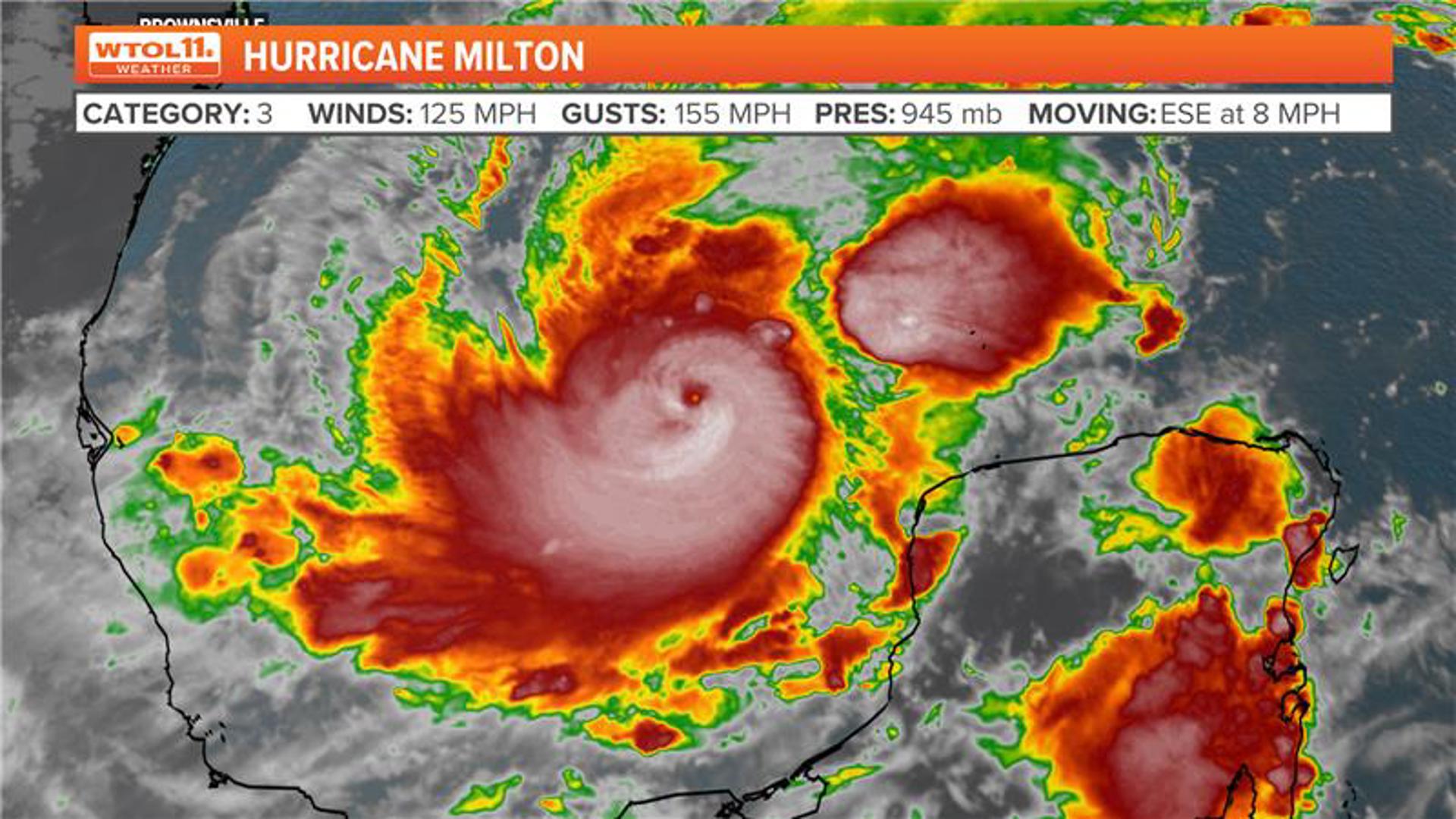
Road closures, particularly along evacuation routes and coastal highways, were common due to flooding, downed power lines, and debris. Sections of key arteries like Interstate 75 and local state roads were impacted, causing significant travel delays. Public transportation services in affected counties were also temporarily suspended. For travelers, this highlights the critical need to monitor real-time updates from the Florida Department of Transportation, airline carriers, and local authorities. While road conditions and airport operations typically normalize quickly in unaffected areas, those traveling near or through the direct path of the storm must plan for potential detours and disruptions.
Navigating Travel to Florida Post-Hurricane
For those considering a trip to Florida after a hurricane, understanding how to navigate the post-storm environment is paramount. Responsible and informed travel not only ensures a smoother experience but also contributes positively to the state’s recovery efforts.
Essential Tips for Travelers
- Prioritize Safety and Information: The most important tip is to prioritize personal safety. Avoid traveling to areas that have been heavily impacted until official “all clear” notices have been issued and infrastructure is restored. Rely on reputable sources for information, such as the Florida Division of Emergency Management and the U.S. National Hurricane Center (NOAA).
- Check with Your Accommodation and Airlines: Before departing, directly contact your hotel, resort, or vacation rental to confirm their operational status. Similarly, check your flight status directly with your airline. Many hotels offer flexible cancellation policies during hurricane season, but it’s crucial to understand these terms.
- Consider Travel Insurance: Investing in comprehensive travel insurance that covers hurricane-related cancellations or interruptions is a wise decision for any trip to Florida during hurricane season (June 1 – November 30). Be sure to understand what events are covered and the timeframe for claims.
- Pack Smart: Even if your destination is unaffected, always be prepared for potential weather shifts. Pack essentials like a first-aid kit, battery banks for devices, and copies of important documents.
- Be Flexible with Your Plans: Post-hurricane travel may require adaptability. Road conditions can change, and some attractions might have altered hours. An open mind and a willingness to adjust your itinerary will enhance your experience.
Monitoring Official Advisories and Resources
Staying informed is critical. The state of Florida and its local counties provide numerous resources for residents and visitors alike:
- Visit Florida: The state’s official tourism marketing corporation often provides updates on destination statuses and recovery efforts.
- Florida Division of Emergency Management: Offers comprehensive information on emergency preparedness, evacuation orders, and post-storm assistance.
- Local County Emergency Management Websites: For specific destination information, always check the emergency management websites of the county you plan to visit (e.g., Pinellas County for St. Petersburg and Clearwater, Orange County for Orlando).
- NOAA / National Hurricane Center: Provides the most accurate and up-to-date meteorological information, including storm tracks and intensity forecasts.
By diligently checking these resources, travelers can make informed decisions about their trips, ensuring both their safety and an enjoyable visit.
Supporting Local Recovery Efforts
Tourism is a vital component of Florida’s economy, and responsible travel plays a significant role in recovery. After a hurricane, supporting local businesses, even in areas not directly hit, helps stimulate the economy and aids communities.
- Visit Open Areas: If your planned destination is open and ready for visitors, consider keeping your reservation. Your spending directly supports local jobs and businesses.
- Shop Local: When you arrive, prioritize shopping at local boutiques, dining at independent restaurants, and booking excursions with local guides.
- Be Patient and Understanding: Recovery takes time. You might encounter temporary service disruptions or areas still undergoing cleanup. A patient and understanding attitude goes a long way.
- Consider Volunteering (Later Stages): In the longer term, organizations like FEMA or local non-profits often seek volunteers for rebuilding efforts. While not for every traveler, it’s a profound way to contribute.
By consciously choosing to support Florida’s tourism economy and showing empathy for affected communities, travelers become part of the state’s remarkable journey of resilience.
Florida’s Resilience: Rebuilding for Future Tourism
Florida has a long and proven track record of recovering from even the most severe hurricanes. The state’s robust infrastructure, dedicated emergency services, and the collective spirit of its residents and businesses ensure that its appeal as a premier travel destination endures.
Iconic Landmarks and Their Recovery
Even after significant storms, Florida’s iconic landmarks and popular destinations demonstrate remarkable resilience. Following Hurricane Idalia, for instance, major theme parks in Orlando quickly resumed full operations, proving their preparedness for adverse weather. Beaches across the Gulf Coast and Atlantic Coast that were not in the direct path of the storm, such as those near Sarasota, St. Petersburg, and Fort Lauderdale, remained pristine and open for visitors.
In areas directly hit, the focus quickly shifts from immediate cleanup to comprehensive rebuilding. While the picturesque fishing villages of the Big Bend region will require time to fully recover, the commitment from state and federal resources, coupled with the determination of local communities, ensures that these unique destinations will eventually return to welcome travelers. Cities like Tallahassee, while experiencing some power outages and debris from Idalia, quickly restored services and maintained its role as the state capital, with its historical sites and cultural attractions remaining intact. The lessons learned from past hurricanes, such as Ian’s impact on Fort Myers and Sanibel, continuously inform and improve recovery strategies, showcasing how communities rebuild stronger and smarter.

The Future of Florida Tourism: A Positive Outlook
Despite the occasional challenges posed by hurricanes, the future of Florida tourism remains overwhelmingly positive. The state’s diverse offerings, catering to every lifestyle – from luxury travelers seeking opulent resorts in Miami Beach to budget-conscious families enjoying the natural beauty of the Suwannee River, and from business stays in bustling Tampa to adventurous experiences in the Florida Everglades – ensure its enduring appeal.
Florida’s commitment to maintaining its status as a top-tier travel destination is evident in its continuous investment in infrastructure, sustainable tourism practices, and robust emergency preparedness. The state’s ability to adapt and innovate means that even after a hurricane, the vast majority of its experiences, from world-class theme parks to serene natural landscapes, remain accessible and vibrant. For those planning future trips, Florida stands ready to offer memorable vacations, demonstrating that while hurricanes may occasionally “hit,” the spirit and beauty of the Sunshine State are truly unstoppable.
LifeOutOfTheBox is a participant in the Amazon Services LLC Associates Program, an affiliate advertising program designed to provide a means for sites to earn advertising fees by advertising and linking to Amazon.com. Amazon, the Amazon logo, AmazonSupply, and the AmazonSupply logo are trademarks of Amazon.com, Inc. or its affiliates. As an Amazon Associate we earn affiliate commissions from qualifying purchases.