
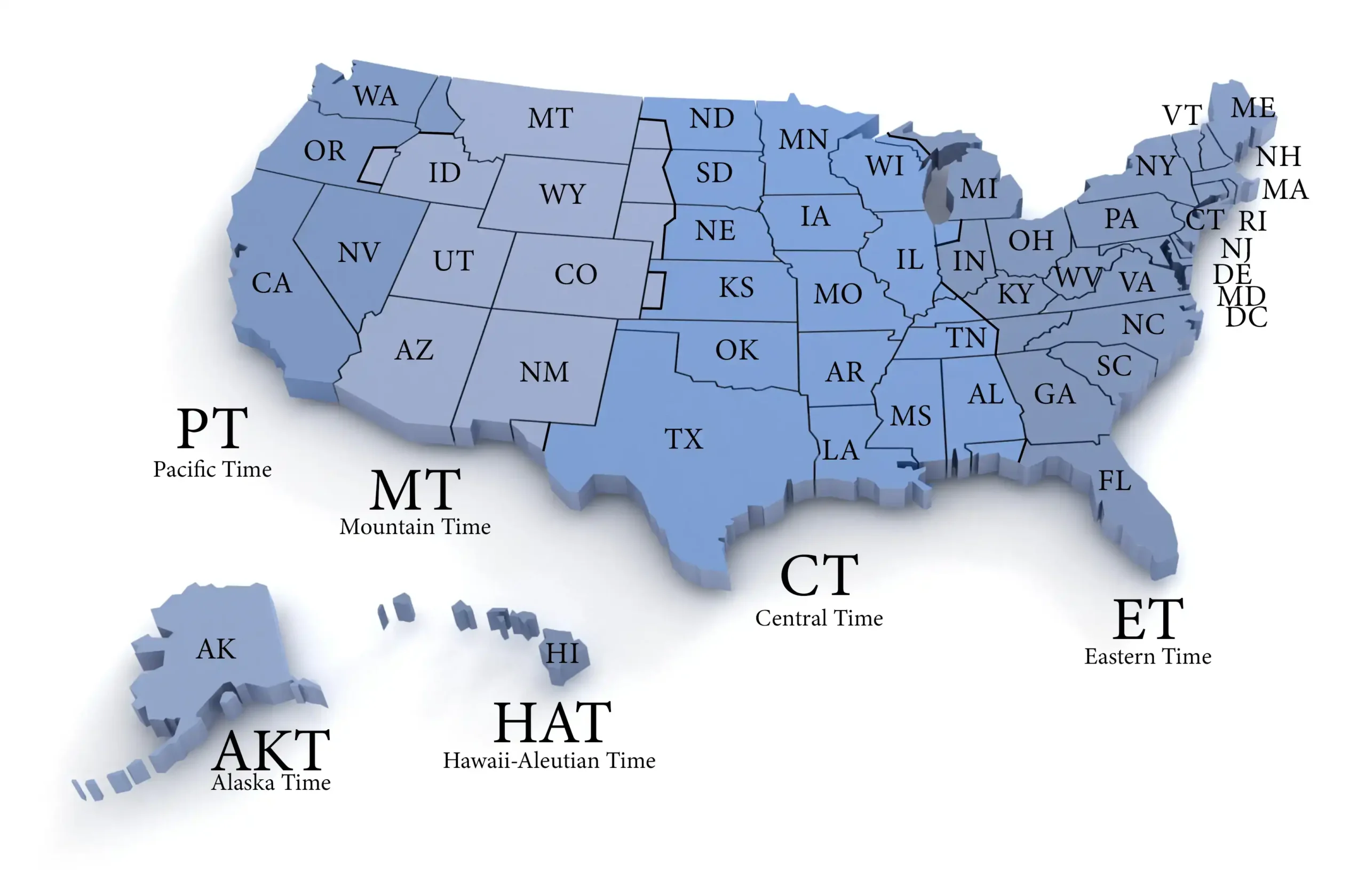
For anyone planning a trip, a business venture, or simply curious about the temporal coordinates of a prominent United States city, understanding the local time zone is a fundamental piece of information. Minneapolis, Minnesota, a vibrant hub in the Midwest region of North America, operates on Central Standard Time (CST) during the fall and winter months. When the spring and summer seasons arrive, like much of the country, Minneapolis shifts to Central Daylight Time (CDT) as part of Daylight Saving Time observation.
This means that for roughly half the year, Minneapolis is six hours behind Coordinated Universal Time (UTC-6), and during Daylight Saving Time, it moves to five hours behind Coordinated Universal Time (UTC-5). This distinction is vital for travelers, business professionals, and anyone needing to coordinate schedules with individuals or entities outside of the Central Time Zone. From booking flights and accommodations to planning meetings and leisure activities, knowing the exact time in Minneapolis is the first step towards a smooth and enjoyable experience in the Twin Cities area.
Understanding Minneapolis Time: A Traveler’s Perspective
The seemingly simple detail of a city’s time zone carries significant weight for travelers. Whether you’re flying in from another continent or driving a few states over, adjusting to the local time is crucial for both practical logistics and personal well-being. Minneapolis, situated firmly within the Central Time Zone, requires careful consideration for those arriving from or departing to regions with different temporal frameworks.
Navigating Time Differences for a Seamless Journey
For international travelers, or those making cross-country trips within the United States, the shift into the Central Time Zone can lead to jet lag. Planning your arrival with this in mind can significantly reduce its impact. Scheduling flights to land in the late afternoon or early evening allows you to check into your Minneapolis hotel or accommodation, have a relaxed dinner, and then aim for a full night’s sleep, helping your body acclimate more quickly. Conversely, when departing, consider the time zone of your destination to avoid feeling rushed or disoriented upon arrival.
Business travelers, in particular, must be meticulous in their planning. A 9 AM meeting in Minneapolis will be 7 AM on the West Coast or 10 AM on the East Coast. Missing these details can lead to missed calls, delayed appointments, and unnecessary stress. Always confirm meeting times in the local time zone of each participant. Furthermore, those arranging conference calls or virtual meetings need to communicate clearly whether times are stated in CST/CDT or a universal time reference like UTC to prevent confusion. Even coordinating simple activities like airport pickups or dinner reservations requires confirming the local time with service providers to avoid any misunderstandings.
Optimizing Your Minneapolis Itinerary Around the Clock
Once you’ve landed and settled in, understanding the rhythm of Minneapolis life within the Central Time Zone becomes key to maximizing your travel experience. Many popular attractions, especially during peak tourist seasons, operate on specific schedules that are best enjoyed without the added pressure of time zone confusion. Early morning visits to outdoor landmarks like the Stone Arch Bridge or Minnehaha Park can offer a tranquil start before crowds gather, especially when taking advantage of earlier sunrise hours during Daylight Saving Time.
Similarly, making reservations for popular restaurants, securing tickets for performances at the Guthrie Theater, or planning visits to museums like the Walker Art Center or the Mill City Museum often requires adherence to their operational hours. For nightlife enthusiasts, knowing when the vibrant scene at venues like First Avenue truly kicks off is essential. The city also hosts numerous sporting events, with games for the Minnesota Vikings at U.S. Bank Stadium or the Minnesota Twins at Target Field often scheduled for evenings or weekend afternoons. These events are integral to the local lifestyle and require timely planning to secure tickets and transportation.
Discovering Minneapolis: Beyond the Time Zone
While understanding the time zone is crucial for logistics, Minneapolis offers a wealth of experiences that transcend mere temporal considerations. From its iconic landmarks and rich cultural tapestry to its burgeoning culinary scene and diverse lifestyle offerings, the city provides an unforgettable backdrop for any traveler.
Iconic Landmarks and Must-See Attractions
Minneapolis is a city blessed with natural beauty and architectural marvels. The historic Stone Arch Bridge, a former railroad bridge spanning the Mississippi River, offers breathtaking views of the downtown skyline and the St. Anthony Falls. It’s a perfect spot for a leisurely stroll or a scenic bike ride, connecting visitors to the fascinating history of the city’s milling industry. Nearby, the Mill City Museum, built within the ruins of the Washburn A Mill, provides an immersive journey into the city’s flour milling past, complete with interactive exhibits and stunning riverfront vistas.
Another jewel is Minnehaha Park, home to the spectacular Minnehaha Falls. This 53-foot waterfall is a natural wonder that has captivated visitors for generations and even inspired Henry Wadsworth Longfellow’s epic poem, “The Song of Hiawatha.” The park also features walking trails, gardens, and a vibrant community atmosphere. For art enthusiasts, the Walker Art Center and its adjacent Minneapolis Sculpture Garden are world-renowned. The garden, famously featuring Claes Oldenburg and Coosje van Bruggen’s “Spoonbridge and Cherry,” is an iconic outdoor gallery offering a unique blend of art and urban parkland. Beyond the city limits, but a short drive away, lies the Mall of America in Bloomington, a colossal shopping and entertainment complex that functions as a destination in itself.
Culinary Delights and Local Flavors
The culinary landscape of Minneapolis is as diverse and dynamic as its population. The city has earned a reputation for its innovative farm-to-table restaurants, drawing on the rich agricultural bounty of Minnesota and the surrounding Midwest. Visitors can indulge in everything from sophisticated fine dining experiences to casual eateries serving up comfort food with a local twist. The craft beer scene is also flourishing, with numerous breweries dotted across neighborhoods like Northeast Minneapolis, offering everything from hoppy IPAs to rich stouts.
Don’t miss the opportunity to explore the various food districts. Eat Street (officially Nicollet Avenue South) is a stretch known for its incredible array of international cuisines, offering a global gastronomic journey. The North Loop neighborhood, once an industrial area, has transformed into a trendy hotbed of acclaimed restaurants, artisanal coffee shops, and stylish bars. Whether you’re craving Scandinavian influences, classic American fare, or exploring new flavors, Minneapolis has a palate-pleasing option for every taste and budget, making it a true tourism destination for foodies.
Lifestyle and Activities: From Outdoors to Urban Exploration
The Minneapolis lifestyle is characterized by a deep appreciation for the outdoors, even amidst its urban vibrancy. The city is famously known for its Chain of Lakes, including Lake Harriet, Bde Maka Ska (formerly Lake Calhoun), and Lake of the Isles. These picturesque lakes are encircled by miles of paved trails, perfect for biking, jogging, rollerblading, or simply enjoying a leisurely walk. During warmer months, you can rent kayaks, paddleboards, or canoes, embracing the city’s connection to water. In winter, these lakes transform into ice skating rinks and host ice fishing competitions, showcasing the resilient spirit of local living.
Beyond the lakes, the city boasts an extensive park system and an impressive Skyway System – an interconnected network of enclosed pedestrian bridges that link downtown buildings, providing a comfortable way to navigate the city center during harsh weather conditions. This makes shopping along Nicollet Mall or exploring the shops and boutiques in Uptown a year-round pleasure. For those seeking cultural experiences, the lively theater scene, live music venues, and vibrant arts community provide endless entertainment options. From family trips to solo adventures, Minneapolis offers a lifestyle that balances urban sophistication with natural serenity.
Accommodation and Planning Your Stay in Minneapolis
When it comes to planning your trip to Minneapolis, selecting the right accommodation and preparing for your journey are just as important as knowing the time zone. The city offers a wide array of lodging options to suit every preference, budget, and travel style, ensuring that your stay is comfortable and convenient.
Selecting Your Ideal Minneapolis Accommodation
Minneapolis provides a diverse selection of places to stay, ranging from luxurious hotel suites and resorts to cozy boutique hotels, budget-friendly motels, and spacious vacation apartments or villas ideal for long-term stays. Major international chains like Hilton, Marriott, and Hyatt have a strong presence, particularly in the Downtown Minneapolis area, offering amenities such as fitness centers, pools, and business facilities that cater to both leisure and business travelers.
For those seeking a more local experience, boutique hotels in neighborhoods like the North Loop or Uptown offer unique charm and personalized service, often within walking distance of popular attractions, restaurants, and shops. If you’re traveling with family or planning an extended visit, booking a serviced apartment or a vacation rental can provide additional space, a kitchen, and a more home-like environment. Consider the location carefully – staying Downtown puts you close to cultural venues and the Skyway System, while opting for Uptown or near the Chain of Lakes offers a different, more relaxed vibe with easy access to outdoor activities. Utilizing online booking platforms and checking reviews can help in comparing options and finding the perfect match for your needs.
Essential Travel Tips for Your Minneapolis Adventure
To ensure a smooth and enjoyable Minneapolis experience, keep a few key travel tips in mind. The best time to visit often depends on your interests. Summer (June to August) offers warm weather ideal for lake activities, outdoor festivals, and enjoying the city’s patios. Fall (September to October) brings stunning foliage and pleasant temperatures, perfect for exploring parks and trails. Winter (November to March) can be cold with significant snowfall, but it’s also magical for winter sports, cozy indoor activities, and experiencing the city’s festive atmosphere. Spring (April to May) sees the city awakening from winter, with blooming flowers and milder weather.
Getting around Minneapolis is relatively easy. The city boasts an efficient public transportation system, including the Metro Transit light rail (Blue and Green Lines) connecting Downtown to the airport and St. Paul, as well as an extensive bus network. Ride-sharing services and taxis are readily available, and for those who prefer to explore at their own pace, car rental is a viable option, especially if planning excursions outside the city. However, parking can be challenging in certain areas. Lastly, remember to pack appropriately for the season. Layers are always a good idea, and if visiting in winter, ensure you have warm clothing, including hats, gloves, and waterproof boots, to fully enjoy all that Minneapolis has to offer.

The Broader Context: Minneapolis in the Midwest Landscape
Minneapolis is more than just a major city in Minnesota; it’s a pivotal economic, cultural, and geographic anchor within the broader Midwest region of the United States. Its location within the Central Time Zone places it squarely in sync with many other significant Midwestern cities, facilitating seamless inter-regional business and travel.
Together with its sister city, St. Paul, it forms the dynamic Twin Cities metropolitan area, a hub of commerce, innovation, and vibrant urban life. This metropolitan area serves as a gateway to the natural beauty of Minnesota, from the expansive forests and pristine lakes of the north to the rolling farmlands of the south. Its position on the Mississippi River has historically made it a critical center for trade and industry, a legacy that continues today with strong sectors in finance, healthcare, technology, and food production. As a destination, Minneapolis offers not just a standalone experience, but a microcosm of the Midwest’s resilience, friendliness, and evolving cultural identity, all experienced within its comfortable time zone.
In conclusion, while the question “What Time Zone Is Minneapolis, Minnesota?” has a straightforward answer—Central Standard Time (CST) and Central Daylight Time (CDT)—its implications for travel, business, and leisure are far-reaching. By understanding and accounting for the local time, visitors can more effectively plan their journeys, immerse themselves in the city’s rich culture, explore its stunning landmarks, savor its diverse culinary offerings, and fully embrace the unique lifestyle that Minneapolis so graciously provides. Whether you’re coming for a quick business trip or a leisurely family vacation, a mindful approach to time management will undoubtedly enhance your overall experience in this captivating Midwestern gem.
LifeOutOfTheBox is a participant in the Amazon Services LLC Associates Program, an affiliate advertising program designed to provide a means for sites to earn advertising fees by advertising and linking to Amazon.com. Amazon, the Amazon logo, AmazonSupply, and the AmazonSupply logo are trademarks of Amazon.com, Inc. or its affiliates. As an Amazon Associate we earn affiliate commissions from qualifying purchases.