
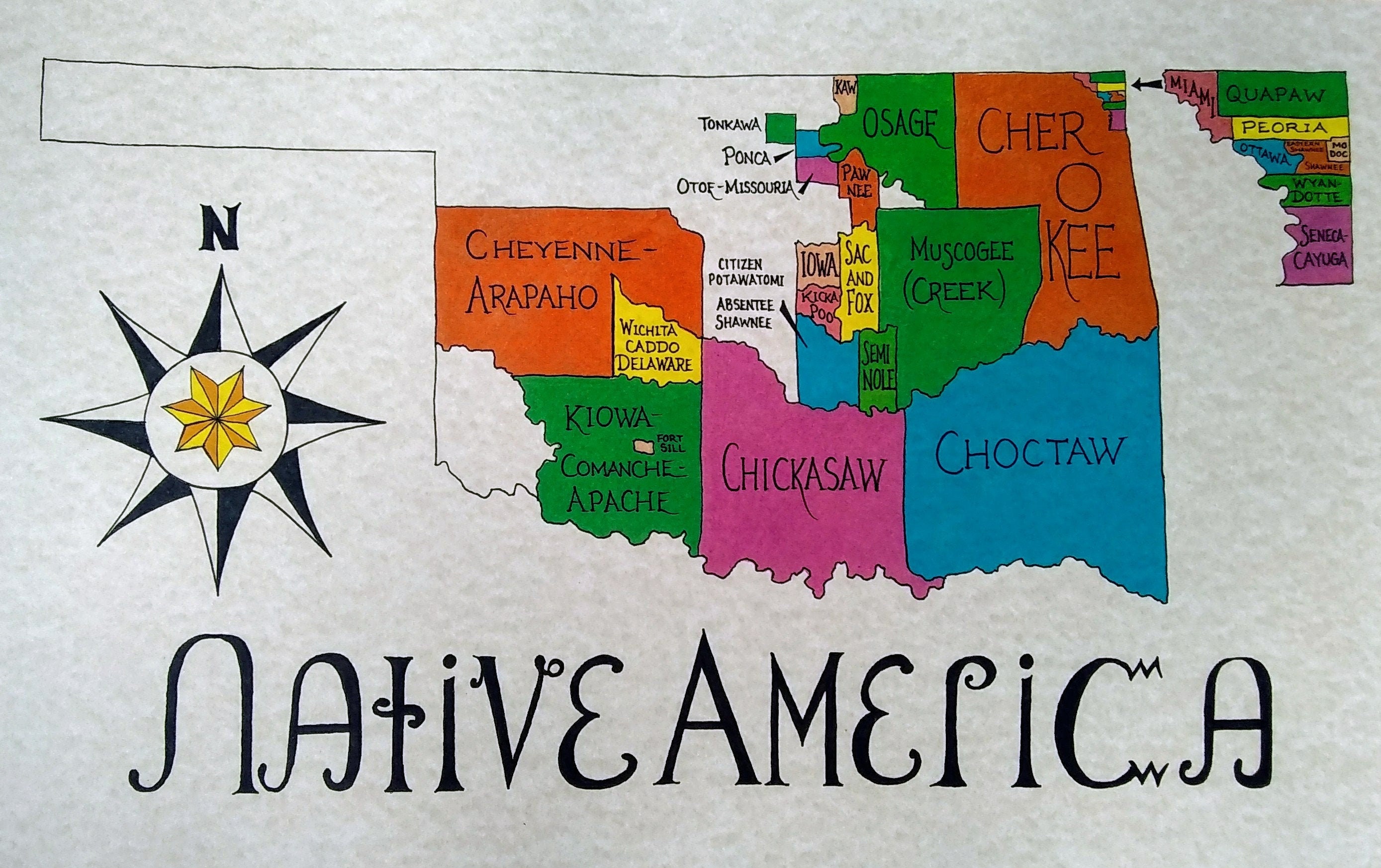
The state of Oklahoma is a land defined by its profound indigenous heritage. Often misunderstood by visitors who view it as a singular entity, the state is actually a complex, multi-tribal tapestry. To answer the question of which tribe is in Oklahoma, one must first understand that there is no single tribe that claims the region; rather, the state is home to 39 federally recognized tribal nations. These nations possess unique histories, languages, and cultural traditions that continue to thrive today, shaping the modern American cultural landscape.
A Legacy of Forced Relocation and Resilience
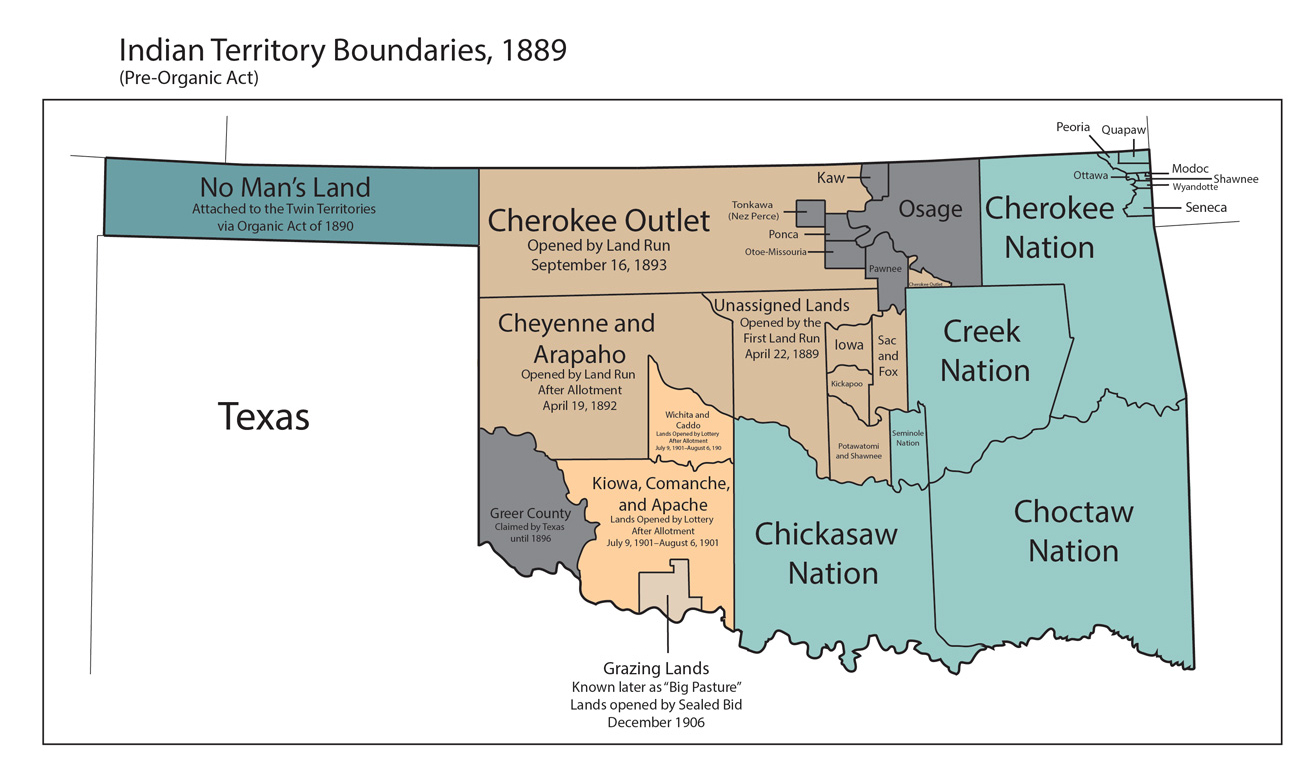
To understand the current tribal landscape in Oklahoma, one must look back at the 19th century. Many of the tribes currently residing in the state were forcibly relocated here by the federal government under the Indian Removal Act of 1830. This dark chapter of United States history, often referred to as the Trail of Tears, involved the removal of indigenous peoples from their ancestral homelands in the Southeastern United States to what was then known as “Indian Territory.”

The Five Tribes
Among the most prominent groups relocated during this era were the Five Tribes: the Cherokee, the Choctaw, the Chickasaw, the Muscogee Creek, and the Seminole. While these nations suffered immense loss, they demonstrated incredible resilience by rebuilding their governmental structures, school systems, and economies upon their arrival in the new territory. Today, the Cherokee Nation stands as one of the largest tribes in the country, with its headquarters located in Tahlequah.
Plains Tribes and Indigenous Autonomy
Beyond the five nations mentioned above, Oklahoma is home to many indigenous groups native to the Great Plains, such as the Osage, the Kiowa, the Comanche, and the Cheyenne and Arapaho Tribes. These nations have deep, ancestral connections to the lands of the Great Plains. Unlike the relocated tribes, the Plains tribes often negotiated treaties that allowed them to maintain specific territories within the region, and they continue to serve as vital stewards of their ancestral traditions and languages.
Cultural Landmarks and Heritage Centers
For those interested in exploring this rich heritage, Oklahoma offers an array of museums, cultural centers, and historical sites. Engaging with these places provides an essential perspective on how these nations contribute to the state’s identity.
The First Americans Museum
Located in Oklahoma City, the First Americans Museum is a world-class institution that tells the stories of all 39 tribal nations currently in the state. Through interactive exhibits, oral histories, and expansive art galleries, the museum highlights the historical trauma and contemporary triumphs of these diverse cultures. It serves as a bridge for visitors to understand the complexity of Native American history in a dignified and comprehensive manner.
Tribal Museums and Cultural Preservation
Many nations have established their own museums to document their unique histories. For example, the Chickasaw Cultural Center in Sulphur is an architectural marvel that provides a deep dive into the language, traditional crafts, and agricultural practices of the Chickasaw Nation. Similarly, visitors can explore the Seminole Nation Museum in Wewoka to learn about the specific struggles and artistic expressions of that tribe. These spaces are not merely tourist attractions; they are active hubs where language revitalization programs and traditional arts are kept alive for future generations.
Exploring Indigenous Tourism and Events
Tourism in Oklahoma is inextricably linked to the cultures of its indigenous residents. Visitors are encouraged to participate in events that celebrate this heritage, provided they approach these experiences with respect and an openness to learning.
Powwows and Cultural Gatherings
The Powwow is a social gathering that is central to many indigenous communities. These events feature traditional drumming, singing, and dancing, and they serve as an opportunity for tribes to showcase their regalia and history. Many public powwows welcome guests, offering a unique opportunity to witness the vibrant colors, rhythmic beats, and community spirit of tribal life. It is important to remember that these are significant cultural, and often spiritual, events; visitors should always follow local protocols, such as asking before taking photographs and observing designated seating areas.
Tribal Economic Contributions
Today, the tribal nations are major economic engines within Oklahoma. Beyond cultural centers, many tribes operate successful business ventures, including high-end resorts, golf courses, and restaurants. For instance, the Choctaw Casino Resort in Durant is a massive complex that showcases how modern tribal enterprises contribute to the state’s tourism infrastructure. These businesses often integrate native art and design, creating a unique aesthetic that distinguishes Oklahoma from other states in the United States.
Guidelines for Culturally Responsible Tourism
When visiting indigenous communities in Oklahoma, it is essential to be a respectful guest. The sovereignty of these 39 nations is a foundational principle, and recognizing their status as distinct, self-governing political entities is key to responsible tourism.
- Prioritize Official Cultural Centers: Always look for official museums or cultural centers operated by the tribe. These provide the most accurate information and directly support the tribe’s efforts to preserve its own history.
- Listen and Learn: Many sites offer guided tours led by tribal members. Engaging with these guides provides an authentic perspective that written plaques cannot convey. Listen to the stories shared, as oral tradition is a primary method of preserving history for many nations.
- Respect Sacred Spaces: If you visit cemeteries, memorial sites, or areas associated with religious ceremonies, treat these locations with the same level of sanctity you would offer at any significant historical monument.
- Support Indigenous Artisans: When purchasing souvenirs, seek out galleries or shops that feature authentic, handmade work from tribal artisans. This ensures your tourism dollars support the artists directly and discourages the sale of mass-produced, non-indigenous knockoffs.
Ultimately, Oklahoma is a state defined by its diverse indigenous soul. Whether you are traveling through the hills of Northeastern Oklahoma or the high plains of the west, you are traveling through the ancestral and current territories of nations that have navigated immense history to remain vital and influential today. By taking the time to learn about the specific tribe or tribes associated with the region you are visiting, you transform your trip from a standard vacation into a meaningful educational journey. The question of “what tribe is in Oklahoma” does not have one simple answer, but rather 39 distinct and compelling answers that continue to shape the character of the region every single day.
LifeOutOfTheBox is a participant in the Amazon Services LLC Associates Program, an affiliate advertising program designed to provide a means for sites to earn advertising fees by advertising and linking to Amazon.com. Amazon, the Amazon logo, AmazonSupply, and the AmazonSupply logo are trademarks of Amazon.com, Inc. or its affiliates. As an Amazon Associate we earn affiliate commissions from qualifying purchases.