
The Gothic Underbelly of the Big Apple
While New York City is famously known as the city that never sleeps, there is an entire subculture operating within its borders that prefers to keep things dark, quiet, and decidedly nocturnal. When the neon lights of Times Square dim and the frantic energy of Manhattan settles into a low hum, the city transforms. This is not the tourist-trodden path of Broadway or the manicured lawns of Central Park. This is the world of the shadows, where history, local folklore, and the architectural remnants of the past converge to create a unique atmospheric experience for those willing to venture off the beaten track.
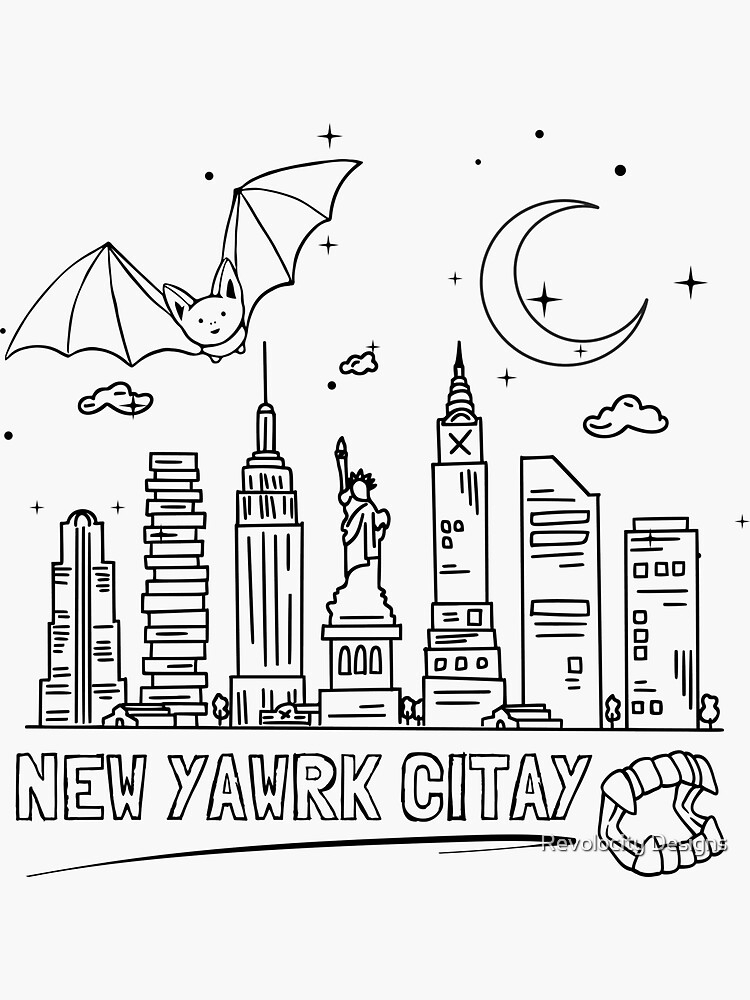
Exploring the “shadows” of the city is an exercise in appreciating the grit and the grandeur that defined New York before the age of modern gentrification. From the narrow, cobblestone alleys of the West Village to the towering, imposing structures of the Financial District, the urban landscape serves as a stage for stories that aren’t printed in standard travel brochures.
Architectural Hauntings and Hidden Corners
The physical structure of the city tells a story of evolution, but it is in the shadows of its most historic landmarks where the narrative feels most alive.
The Gothic Revival Legacy
New York City is a masterclass in varied architectural styles, but the Gothic Revival buildings hold a specific weight. Structures like the Trinity Church offer a somber respite from the surrounding skyscrapers. Its graveyard, a final resting place for figures like Alexander Hamilton, sits in the literal shadow of glass-walled corporate offices. This juxtaposition is the quintessential New York experience: the weight of history pressing against the urgency of the future.
Underground Tunnels and Forgotten Transit
Beneath the bustling streets lies a labyrinth of abandoned subway stations and utility tunnels that have fueled urban legends for decades. While the New York City Subway remains the lifeblood of the city’s movement, the “ghost stations,” such as the abandoned City Hall station, offer a glimpse into an architectural era of vaulted ceilings and brass fixtures now largely hidden from the public eye. These subterranean spaces represent the literal “shadows” of the city’s infrastructure—forgotten monuments to a time when transit was designed with as much aesthetic care as efficiency.
The Cultural After-Hours Pulse
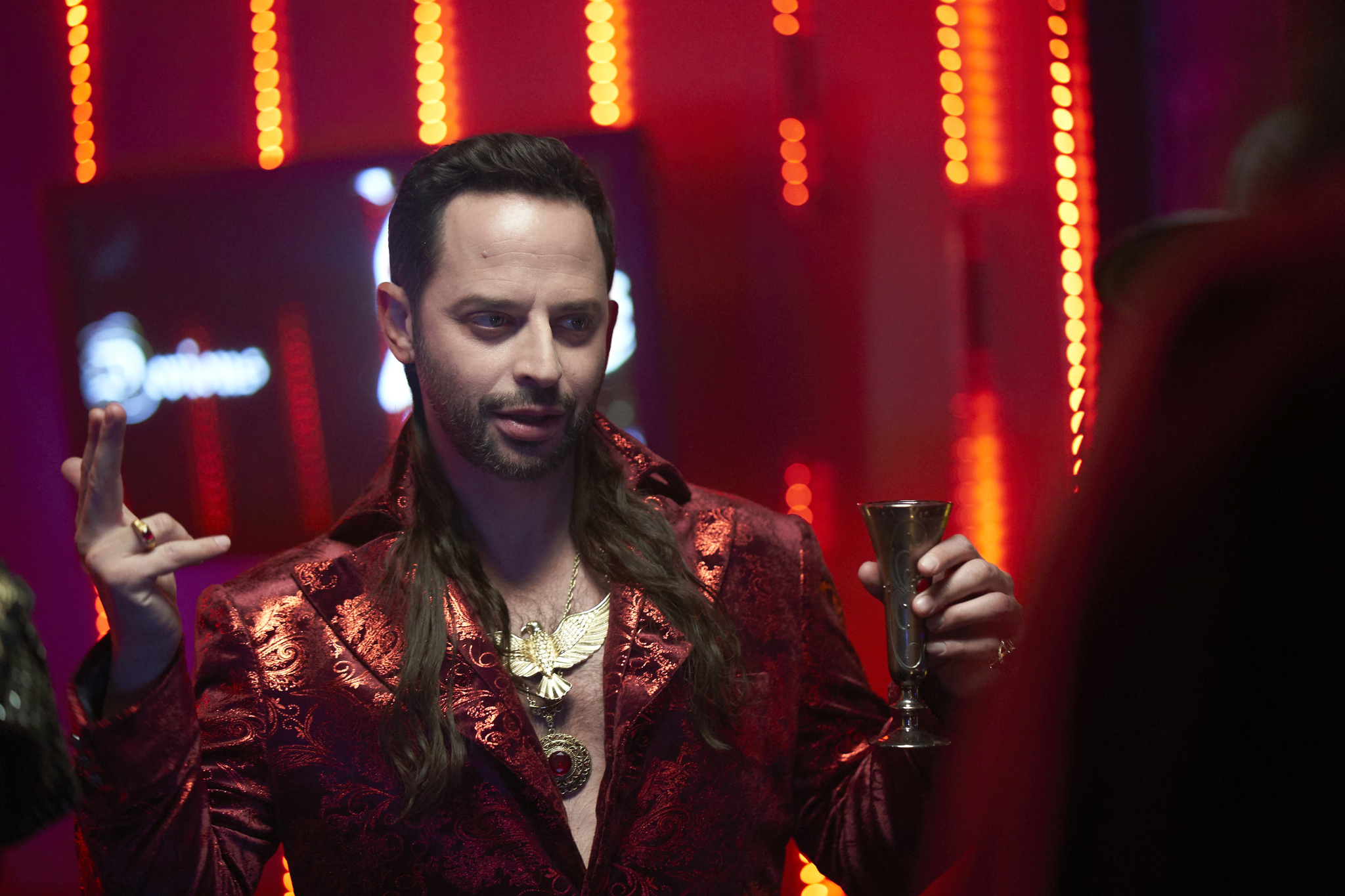
To understand what happens in the shadows, one must look at the cultural shifts that occur when the sun goes down. The city’s nightlife is not solely defined by mega-clubs or trendy rooftops; there is a vibrant, darker current of jazz clubs, speakeasies, and underground performance venues that dictate the rhythm of the city after midnight.
Jazz and the Underground Scene
Deep within Greenwich Village, basement clubs like Village Vanguard capture the essence of the city’s moody, artistic soul. These venues are intimate, often dimly lit, and prioritize the acoustic resonance of a saxophone over the flashy spectacle of contemporary nightlife. It is in these settings that the true spirit of the city’s creative underground is found, providing a sanctuary for those who prefer the company of shadows to the glare of artificial light.
Literary Shadows
The history of New York City is inextricably linked to its writers—those who frequented the dark corners of cafes in SoHo or Chelsea to document the fleeting moments of urban life. Walking the streets at night, one can almost trace the footsteps of Edgar Allan Poe or Walt Whitman, both of whom found profound inspiration in the city’s darker aesthetics. Exploring the city through this literary lens allows travelers to connect with the melancholy and the mystery that still clings to the red-brick facades of historic row houses.
Navigating the Nocturnal Landscape
For the traveler looking to experience the more mysterious side of the city, approach is everything. The goal is to move beyond the superficial gloss and seek out the quiet, the aged, and the authentic.
Tips for the Night Wanderer
- Embrace the Off-Season: Visiting during the colder months, particularly late autumn or winter, enhances the moody atmosphere. The mist off the East River and the long shadows cast by the streetlamps of Brooklyn Heights create an environment that feels like a film noir set.
- Focus on Districts with Character: While Midtown is essential for first-time visitors, the heart of the city’s “shadow” culture is found in Lower Manhattan, where streets are narrower and the buildings have lived through more centuries.
- Seek Out Unmarked Entrances: Many of the city’s most interesting venues—from hidden cocktail bars to boutique bookstores—do not advertise with neon signs. Following the subtle flow of local foot traffic into nondescript doors often leads to the most rewarding experiences.
Respecting the Local Pace
The true “shadows” of New York City are maintained by the locals who value their quiet sanctuaries. When exploring these spaces, maintaining a low profile is key. The charm of a hidden tavern in the Lower East Side lies in its tranquility. By immersing oneself in the environment rather than trying to capture it through a lens for social media, the visitor becomes part of the city’s ongoing, quiet narrative.

A Legacy of Mystery
As the city continues to modernize, the preservation of its darker, more atmospheric corners becomes increasingly vital. Whether it is the iron-wrought gates of St. Marks-in-the-Bowery or the silent, imposing silhouette of the Brooklyn Bridge at three in the morning, New York City retains a capacity to surprise.
The shadows are not a place to be feared; they are a space for reflection, a repository of stories that don’t fit into the high-octane marketing of a modern metropolis. By choosing to walk through these spaces, travelers gain a deeper, more nuanced understanding of the city. It is a lesson in patience, an appreciation for the subtle shifts in light and shadow, and a recognition that even in the most crowded city on Earth, there are still pockets of stillness waiting to be discovered.
Ultimately, finding what exists in the shadows of New York City is about looking beyond the surface. It is about understanding that the city is not just a collection of landmarks and tourist attractions, but a living, breathing entity with a past that is always present, lingering just out of sight, tucked away in the narrow alleys and beneath the historic spires of a city that never truly stops telling its secrets to those who stop to listen.
LifeOutOfTheBox is a participant in the Amazon Services LLC Associates Program, an affiliate advertising program designed to provide a means for sites to earn advertising fees by advertising and linking to Amazon.com. Amazon, the Amazon logo, AmazonSupply, and the AmazonSupply logo are trademarks of Amazon.com, Inc. or its affiliates. As an Amazon Associate we earn affiliate commissions from qualifying purchases.