
The landscape of property insurance in California has undergone significant shifts in recent years, directly impacting the availability and affordability of accommodation across the state. A confluence of factors, primarily escalating wildfire risks, the rising cost of reinsurance, and a challenging regulatory environment, has prompted several major insurance carriers to either cease writing new policies, limit coverage, or withdraw entirely from segments of the California market. This exodus profoundly affects homeowners, landlords, developers, and the robust hospitality sector, making the provision and securing of accommodation a more complex endeavor.
The Shifting Landscape of California Property Insurance
Major insurers, long-standing pillars in the California market, have signaled a strategic retreat or a significant re-evaluation of their exposure. In May 2023, State Farm, the state’s largest property insurer, announced it would stop accepting new applications for all business and personal lines property and casualty insurance in California, citing “historic increases in construction costs, rapidly growing catastrophe exposure, and a challenging reinsurance market.” This decision sent ripples through the real estate and accommodation sectors, signaling a new era of uncertainty.

Following State Farm’s announcement, other prominent carriers have taken similar steps. Allstate had already paused new homeowners’ insurance policies in California in 2022, a move driven by similar concerns about wildfire risk and the escalating costs associated with claims. Farmers Insurance, another significant player, announced limitations on new homeowners’ policies in certain areas and stopped offering some types of coverage for businesses. Smaller but still impactful adjustments have been noted from insurers like Liberty Mutual, USAA, and Nationwide, all grappling with the same underlying pressures that make insuring California properties a challenging proposition. These actions collectively create a leaner, more expensive, and less accessible insurance market, directly impacting anyone seeking to own, rent, or operate accommodation within the state.
Direct Impact on Homeowners and Future Accommodation
The withdrawal and policy limitations imposed by major insurers have immediate and profound consequences for existing homeowners and those aspiring to own property in California.
Rising Costs and Limited Availability for Homeowners
For current homeowners, the primary concern is the non-renewal of existing policies or steep increases in premiums. Many residents, particularly those in high-risk areas susceptible to wildfires like the foothills of the Sierra Nevada or the brushlands around Los Angeles, are finding it increasingly difficult to secure standard homeowners’ insurance. When policies are available, they often come with significantly higher deductibles and exclusions for specific perils, pushing the financial burden onto property owners. Mortgage lenders, which mandate comprehensive insurance coverage, are scrutinizing policies more closely, potentially jeopardizing loan approvals or requiring homeowners to find alternative, often costlier, coverage through the state’s FAIR Plan or specialty excess and surplus lines insurers. This directly impacts the financial stability of homeowners and their ability to maintain their primary accommodation.
Deterrents for New Accommodation Development
The insurance crisis also casts a long shadow over the development of new housing and rental units. Developers face daunting hurdles in securing commercial property insurance for construction projects and subsequent homeowners’ association (HOA) or landlord policies for completed properties. The increased cost and scarcity of coverage add substantial overhead to development projects, which can deter investment, delay construction, and ultimately limit the supply of new accommodation. In a state already grappling with a severe housing shortage, this insurance shortfall exacerbates the problem, making it more challenging to build affordable and accessible homes, apartments, and condominiums across diverse regions from San Francisco to San Diego.
Ramifications for Rental Markets and Long-Term Stays
The ripple effect extends well beyond owner-occupied homes, significantly influencing California’s dynamic rental markets and the feasibility of long-term stays.
Landlords and Rental Property Owners

Landlords and owners of rental properties, from single-family homes to large apartment complexes, are facing similar, if not more complex, challenges than individual homeowners. Securing commercial property insurance for multiple units or an entire complex requires specialized coverage, which is now harder to find and comes at a premium. These increased operational costs for landlords are often passed down to tenants in the form of higher rents, further straining affordability in already expensive urban centers like Oakland, Sacramento, and Orange County. In some cases, landlords might decide to sell their properties rather than contend with exorbitant insurance costs and shrinking profit margins, potentially reducing the stock of available rental accommodation.
Renters’ Insurance and Stability
While renters’ insurance typically covers personal belongings and liability rather than the structure itself, the overall instability in the property insurance market can still affect tenants. If landlords struggle to secure adequate coverage, it could lead to neglected property maintenance or a reluctance to invest in property upgrades, impacting the quality of living for long-term tenants. Moreover, the broader economic impact of insurance woes—such as rising rents due to landlord costs—directly impinges on the financial stability of renters and their ability to sustain long-term accommodation in California.
The Hospitality Sector: Hotels, Resorts, and Short-Term Rentals
The hospitality industry, a cornerstone of California’s economy, is not immune to these insurance market shifts. Properties ranging from boutique hotels to sprawling resorts and individual short-term rentals face unique challenges.
Commercial Property Insurance for Hotels and Resorts
Hotels and resorts require extensive commercial property insurance, including coverage for buildings, contents, business interruption, and general liability. The withdrawal or limitation of coverage by major insurers means that hotel operators must now navigate a more complex and expensive market for these essential policies. Increased premiums and higher deductibles directly impact operational costs, potentially affecting pricing for guests or limiting funds available for renovations, expansions, or new developments. Resorts located in scenic but fire-prone areas, such as those in Napa Valley, Lake Tahoe, or along the Central Coast, are particularly vulnerable, facing even higher premiums or difficulty securing comprehensive coverage, which could hinder their ability to attract visitors and provide top-tier accommodation.
Short-Term Rental Operators (e.g., Airbnb, VRBO)
The proliferation of short-term rental platforms like Airbnb and VRBO has transformed the accommodation landscape, allowing individuals to monetize spare rooms or entire properties. However, operators of these units now face significant insurance hurdles. Standard homeowners’ policies often exclude coverage for commercial activities, leaving short-term rental hosts exposed. Specialty insurance products designed for short-term rentals are becoming more expensive and harder to find as general insurers pull back. This challenge could deter new hosts from entering the market or force existing ones to raise their prices, potentially reducing the overall supply of flexible, short-term accommodation options available to travelers visiting California. The lack of affordable, comprehensive insurance could undermine the economic viability of these ventures for many residents.
Navigating the California Insurance Maze for Accommodation Seekers
As major insurers scale back, California residents and businesses are left exploring alternative solutions, which often come with their own set of compromises.
FAIR Plan as a Last Resort
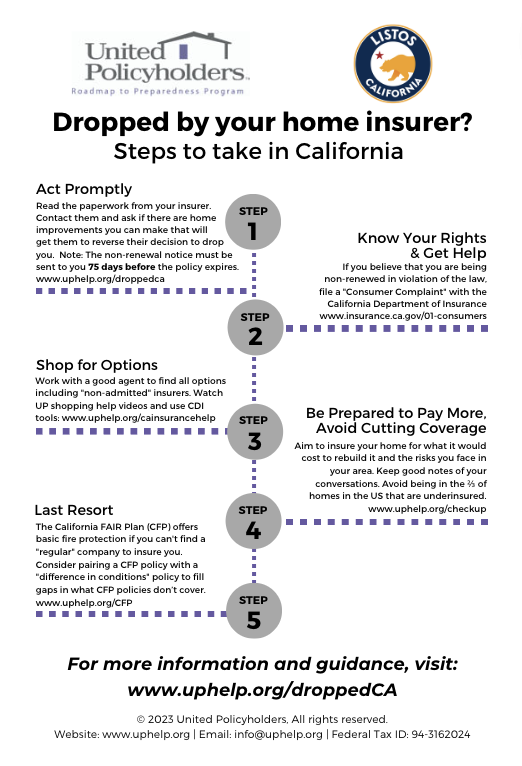
For many homeowners and property owners unable to obtain coverage from the voluntary market, the California FAIR Plan acts as an insurer of last resort. This state-mandated program provides basic fire insurance, but it is typically more expensive and offers less comprehensive coverage compared to traditional policies. It usually requires property owners to purchase a separate “difference in conditions” (DIC) policy to cover perils like liability, theft, and water damage. The increasing reliance on the FAIR Plan is a clear indicator of the strained market, highlighting how challenging it has become to secure adequate and affordable accommodation insurance in many parts of the state.
Future Outlook and Mitigation Strategies
The long-term outlook for California’s insurance market, and by extension its accommodation sector, hinges on a complex interplay of regulatory reforms, climate adaptation, and market adjustments. Regulators are under pressure to devise solutions that encourage insurers to return or expand coverage while balancing consumer protections. For property owners, mitigation efforts—such as creating defensible space around homes, using fire-resistant building materials, and implementing community-level wildfire prevention strategies—are becoming increasingly crucial. While these measures can help reduce risk and potentially lower premiums, they represent significant investments. Ultimately, addressing the insurance crisis requires a multi-faceted approach to ensure that securing and affording accommodation in California remains viable for everyone, from individual homeowners and renters to large-scale hotel operators.
LifeOutOfTheBox is a participant in the Amazon Services LLC Associates Program, an affiliate advertising program designed to provide a means for sites to earn advertising fees by advertising and linking to Amazon.com. Amazon, the Amazon logo, AmazonSupply, and the AmazonSupply logo are trademarks of Amazon.com, Inc. or its affiliates. As an Amazon Associate we earn affiliate commissions from qualifying purchases.