
The Foundation of Commercial Driving in California
In the vast and dynamic landscape of California, the movement of goods and people is an intricate dance, orchestrated by a robust network of transportation professionals. At the heart of this system lies the Class A Commercial Driver’s License (CDL), a credential that represents the pinnacle of professional driving capabilities. Far more than just a permit to operate a vehicle, a Class A license in California unlocks a professional lifestyle, enabling individuals to engage in critical roles that fuel the state’s economy and connect communities. It signifies a commitment to specialized skills, rigorous training, and adherence to stringent safety standards, positioning its holders as essential cogs in the logistical machinery that keeps modern society functioning.
Defining the Class A Commercial Driver’s License (CDL)
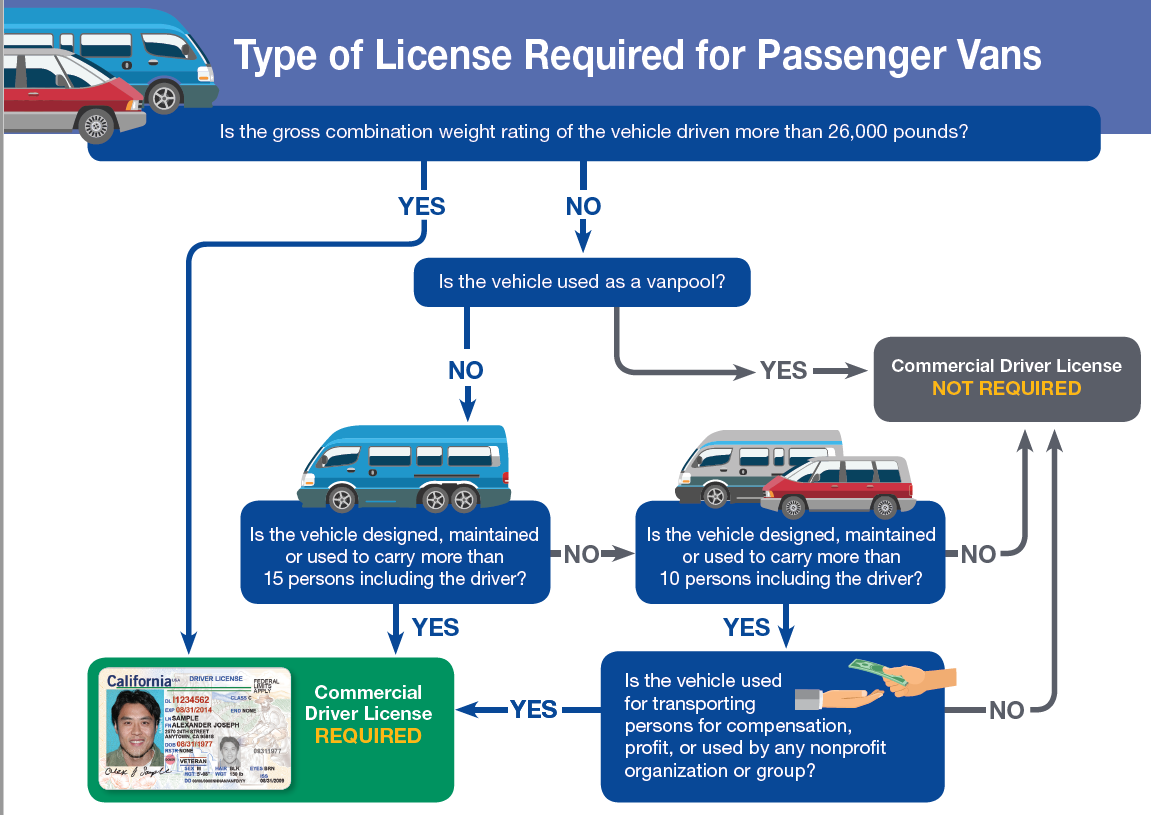
The Class A CDL is the highest classification of non-military commercial driving licenses available in the United States. Specifically in California, it authorizes the holder to operate any combination of vehicles with a Gross Combination Weight Rating (GCWR) of 26,001 pounds or more, provided that the towed vehicle’s Gross Vehicle Weight Rating (GVWR) is more than 10,000 pounds. This distinction is crucial, as it differentiates Class A drivers from those with Class B or Class C CDLs, which are typically for single vehicles or smaller passenger capacities. A Class A license is synonymous with the operation of the largest and most complex commercial vehicles on the road, serving as the backbone for freight transport, construction, and specialized services across the state and beyond.
Vehicles You Can Operate
Possession of a Class A license opens the doors to operating a diverse array of heavy commercial vehicles. The most iconic of these are tractor-trailers, often referred to as “semi-trucks” or “big rigs,” which are ubiquitous on California‘s highways, ferrying everything from consumer goods to industrial supplies. Beyond these prominent carriers, Class A authorization extends to a variety of other critical vehicles. This includes tank trucks designed for liquids or gases (with a tanker endorsement), flatbeds for oversized or irregularly shaped cargo, livestock carriers, and even some types of buses, particularly articulated buses or those towing a heavy trailer (requiring a passenger endorsement). For industries such as agriculture in the Central Valley or construction projects across California’s expanding urban centers, Class A drivers operate specialized equipment like dump trucks pulling heavy trailers, cement mixers with trailers, and heavy equipment transport vehicles. Essentially, any commercial vehicle that involves a tractor unit pulling a substantial trailer falls under the Class A purview, highlighting the versatility and essential nature of this license.
Requirements and the Path to Licensure
Embarking on the journey to obtain a Class A CDL in California is a structured process designed to ensure that all commercial drivers possess the necessary knowledge, skills, and physical aptitude to safely operate heavy vehicles. It’s a commitment that demands dedication, as the stakes are high, impacting road safety and the efficiency of the state’s commercial operations. This rigorous path ensures that only qualified and responsible individuals are entrusted with the powerful machinery that drives California’s economy.
Eligibility Criteria
Before an aspiring driver can even begin the training process, they must meet several foundational eligibility requirements set forth by the California Department of Motor Vehicles (DMV) and federal regulations. First and foremost, applicants must be at least 18 years old to drive intrastate (within California) and 21 years old to drive interstate (across state lines) or transport hazardous materials. They must hold a valid California non-commercial driver’s license. A crucial step involves passing a Department of Transportation (DOT) physical examination administered by a certified medical examiner, ensuring the driver is physically capable of handling the demands of commercial driving, including good vision, hearing, and no conditions that could impair safe operation. Furthermore, a clean driving record is generally expected, as past infractions can disqualify an applicant. Finally, applicants must provide proof of U.S. citizenship or lawful permanent residency. These prerequisites establish a baseline for responsible and capable individuals to enter the commercial driving profession.
The Training and Testing Process
Once eligibility is confirmed, the pathway to a Class A CDL involves a comprehensive training and testing regimen. The first hurdle is obtaining a Commercial Learner’s Permit (CLP). This requires passing several written knowledge tests covering general commercial driving principles, air brakes, and combination vehicles. With a CLP in hand, the applicant can practice driving a commercial vehicle, but only with a qualified Class A CDL holder in the vehicle.
A significant addition to the process, mandated federally, is Entry-Level Driver Training (ELDT). This program ensures that all new commercial drivers receive standardized training from an accredited institution. ELDT comprises both theoretical instruction in areas like safety, vehicle systems, and hours-of-service regulations, as well as extensive behind-the-wheel training. The practical portion covers maneuvers like basic vehicle controls, backing, and on-road driving in various conditions.
Upon successful completion of ELDT, the final and most critical step is the Class A skills test, administered by the California Department of Motor Vehicles. This multi-part test assesses the applicant’s ability to perform a detailed pre-trip inspection of the vehicle, execute basic control skills (such as straight-line backing, offset backing, and parallel parking), and safely operate the vehicle on public roads, demonstrating adherence to traffic laws and safe driving practices. Passing this rigorous test signifies that the individual is ready to embrace the lifestyle and responsibilities of a professional Class A commercial driver.
The Lifestyle of a Class A Driver
The Class A license is more than a credential; it’s a gateway to a distinct professional lifestyle characterized by mobility, responsibility, and an indispensable contribution to society. For those who choose this path, the “office” is the open road, and their daily routine is a journey across diverse landscapes, facing unique challenges and enjoying unparalleled freedoms. It’s a career that intertwines personal disposition with professional demands, shaping a way of life that is both demanding and deeply rewarding.

Diverse Career Opportunities
Holding a Class A CDL in California unlocks a vast spectrum of career opportunities, catering to various preferences and ambitions. The most common path is long-haul trucking, which involves traversing interstates and state highways, often spending days or weeks away from home, transporting goods across the United States. This role offers significant earning potential and the experience of seeing different parts of the country. Alternatively, local and regional delivery jobs provide a balance, allowing drivers to be home daily or every few days, focusing on specific routes within California’s sprawling metropolitan areas or agricultural regions.
Beyond general freight, Class A drivers can specialize in numerous niches. This includes transporting oversized loads for construction or manufacturing, hauling refrigerated goods (reefer trucks) crucial for California’s agricultural output, or managing hazardous materials (HazMat endorsement required) for industrial sectors. The construction industry heavily relies on Class A drivers for transporting heavy machinery and materials, while the waste management sector also requires these specialized skills. With additional endorsements, drivers can operate intercity buses or charter coaches, connecting people across cities and serving the tourism sector. From delivering produce from the Central Valley to tech components in Silicon Valley, the Class A driver’s role is critical to virtually every industry in the state.
The Open Road: Freedom and Challenges
The “trucker lifestyle” is often romanticized for the freedom of the open road, and indeed, it offers a unique sense of autonomy. Drivers are often their own bosses on the highway, responsible for their schedule, route management, and vehicle, fostering a strong sense of independence. The ability to travel and experience California’s diverse topography—from the sunny coastlines to the majestic Sierra Nevada mountains and the arid deserts—is an inherent perk for many.
However, this lifestyle also comes with significant challenges. Long hours are standard, often regulated by strict Hours of Service (HOS) rules, which dictate driving and rest periods. Solitude can be a constant companion on long hauls, requiring individuals to be comfortable with their own company. The impact on personal and family life can be substantial, with extended periods away from home. Drivers must also contend with variable weather conditions, traffic congestion in urban areas like Los Angeles or the Bay Area, and the constant pressure of deadlines. Despite these hurdles, many Class A drivers find immense satisfaction in their work, recognizing their vital role and embracing the unique rhythm of life on the road, contributing daily to the fabric of California’s society.
Impact on California’s Economy and Beyond
The Class A commercial driver is an unsung hero of the economy, particularly in a state as economically powerful and geographically expansive as California. These professionals are the circulatory system of the supply chain, ensuring that goods reach their destinations, from manufacturing plants to retail stores and homes. Without Class A drivers, shelves would be empty, construction projects would halt, and critical supplies would not reach hospitals or emergency services. They are the essential link that connects producers to consumers, raw materials to finished products.
Their impact extends beyond commerce, supporting the very infrastructure of travel and tourism. They deliver the food to restaurants, the linen to hotels, and the fuel to gas stations along popular tourist routes. Furthermore, Class A drivers with passenger endorsements operate intercity and tour buses, directly facilitating travel for countless individuals. The vast agricultural output of California’s Central Valley, a significant portion of the United States’ food supply, relies almost entirely on Class A transport to reach markets. Similarly, the technological innovation of Silicon Valley is supported by a constant flow of specialized components moved by these drivers. In essence, the Class A license holder is indispensable, keeping California’s massive economy moving and connecting it seamlessly to the rest of the nation and global markets.
Endorsements and Specialized Skills
Obtaining a basic Class A CDL is the first step; however, for many professional drivers, specializing further through endorsements significantly expands their career horizons and the types of vehicles and cargo they can manage. These endorsements signify additional training and testing in specific areas, tailoring a driver’s skills to meet the diverse demands of the commercial transportation industry.
Key Endorsements for Specific Operations
Several critical endorsements can be added to a Class A license, each opening up new categories of employment and responsibilities.
- Hazardous Materials (H) Endorsement: This is required for transporting materials that pose a risk to health, safety, or property, such as chemicals, gases, or explosives. The process involves additional written tests and a background check (TSA threat assessment). Drivers with an H endorsement are in high demand and typically command higher pay due to the specialized nature and risks involved.
- Tanker (N) Endorsement: Necessary for operating tank vehicles designed to transport liquid or gaseous materials. The unique dynamics of sloshing liquids require specialized driving techniques, and the endorsement ensures drivers understand these challenges.
- Doubles/Triples (T) Endorsement: This allows drivers to pull more than one trailer. Common in long-haul operations, especially in states with vast distances, this endorsement requires mastering the complexities of handling multiple articulated segments, particularly during backing and maneuvering.
- Passenger (P) Endorsement: Essential for operating vehicles designed to carry 16 or more passengers, including the driver. This is crucial for tour bus operators, intercity bus drivers, and charter services. It involves specific knowledge tests and a more stringent road test that includes passenger loading and unloading procedures.
- School Bus (S) Endorsement: While not strictly a Class A endorsement (often associated with Class B), if a school bus is a combination vehicle, this specific endorsement is vital for transporting students, involving rigorous background checks and specialized training.
Each endorsement not only broadens a driver’s capabilities but also demonstrates a commitment to mastering specific operational challenges, making them more valuable assets in the competitive logistics and transportation sectors of California.
The Importance of Continuous Learning and Adaptation
The professional lifestyle of a Class A driver is one of continuous learning and adaptation. The transportation industry is constantly evolving, with new regulations, technologies, and safety protocols emerging regularly. Drivers must stay updated on changes to Hours of Service (HOS) rules, electronic logging device (ELD) mandates, and environmental regulations. Mastering new vehicle technologies, such as advanced driver-assistance systems (ADAS) or alternative fuel vehicles, becomes increasingly important.
Beyond regulatory compliance and technological proficiency, essential soft skills and ongoing practical development are paramount. Defensive driving techniques are continuously honed through experience, route planning becomes an art form to optimize efficiency and manage traffic, and routine vehicle maintenance checks are critical for safety and operational longevity. Many successful Class A drivers engage in professional development, attending seminars, reviewing industry publications, and participating in peer networks. This dedication to lifelong learning ensures that California’s Class A drivers remain highly skilled, safe, and efficient professionals, crucial for navigating the demands of the modern road and contributing effectively to the state’s vibrant economy.
LifeOutOfTheBox is a participant in the Amazon Services LLC Associates Program, an affiliate advertising program designed to provide a means for sites to earn advertising fees by advertising and linking to Amazon.com. Amazon, the Amazon logo, AmazonSupply, and the AmazonSupply logo are trademarks of Amazon.com, Inc. or its affiliates. As an Amazon Associate we earn affiliate commissions from qualifying purchases.