
Understanding the nuances of commercial driving in California is crucial for anyone looking to operate larger vehicles for business or personal use beyond the scope of a standard driver’s license. Among the various endorsements that can be added to a commercial driver’s license (CDL), the Class C endorsement holds a specific and often overlooked significance. This article delves into what a Class C endorsement entails in the context of California licensing, its practical applications, and the requirements for obtaining one.
Understanding Commercial Driver’s Licenses in California
Before dissecting the Class C endorsement, it’s essential to grasp the fundamental structure of commercial driver’s licenses. In the United States, including California, CDLs are categorized into three classes: Class A, Class B, and Class C. These classes are determined by the gross vehicle weight rating (GVWR) of the vehicle being operated, as well as the weight of any vehicle being towed.

- Class A CDL: This is required for operating any combination of vehicles with a combined GVWR of 26,001 pounds or more, provided the GVWR of the vehicle being towed is in excess of 10,000 pounds. This typically includes large tractor-trailers and truck-and-trailer combinations.
- Class B CDL: This is necessary for operating a single vehicle with a GVWR of 26,001 pounds or more, or a vehicle towing another vehicle with a GVWR of 10,000 pounds or less. Examples include straight trucks, dump trucks, and larger buses.
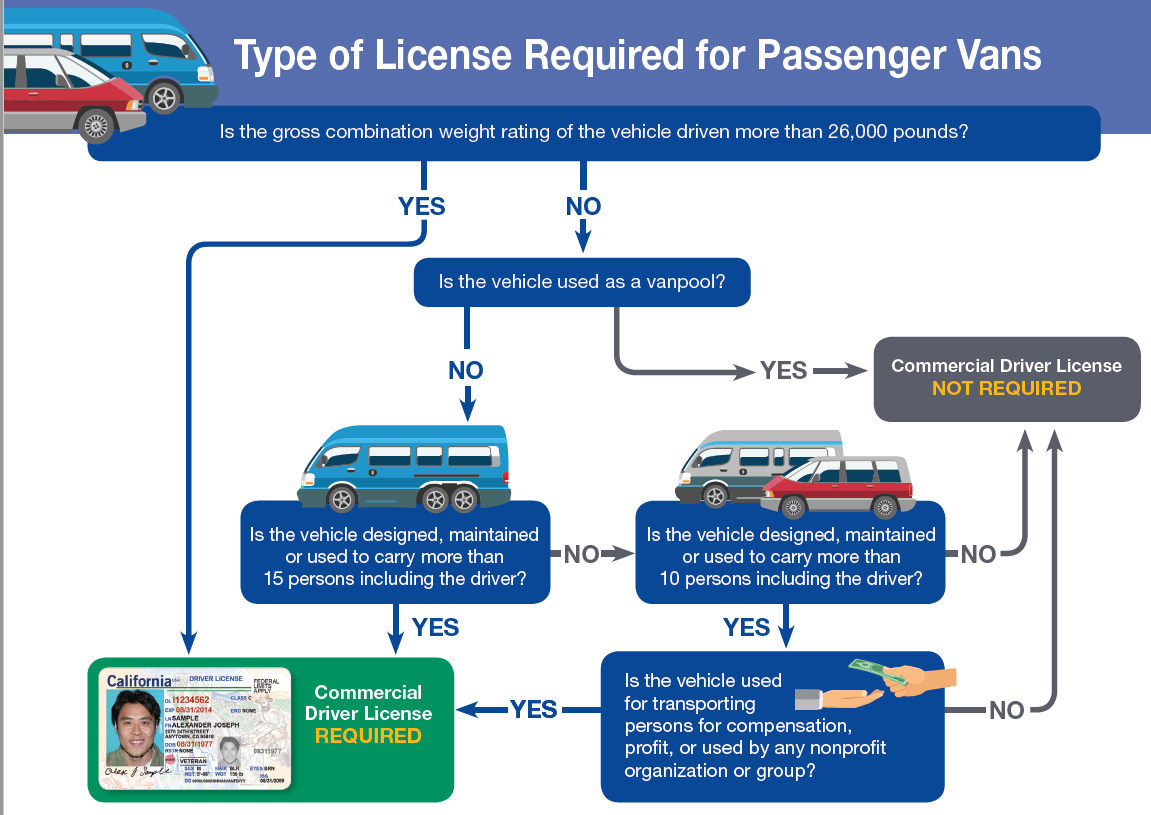
- Class C CDL: This class is for vehicles that do not meet the criteria for Class A or Class B but are designed to transport 16 or more occupants (including the driver), or are placarded for carrying hazardous materials.
Endorsements are additional certifications that allow CDL holders to operate specific types of vehicles or carry specific types of cargo that are otherwise restricted. These endorsements are critical for ensuring that drivers possess the necessary skills and knowledge for specialized operations, enhancing safety on the roads.
The Specifics of a Class C Endorsement
While the Class C CDL itself denotes certain vehicle types, the term “Class C endorsement” is often used colloquially to refer to specific authorizations added to a CDL that permit the operation of particular vehicles or the transport of certain materials. Within the framework of the California Department of Motor Vehicles (DMV), a true “Class C endorsement” as a distinct certification type is less common than specific endorsements that might be applied to any CDL class, including Class C.
However, in common parlance and some specific contexts, a “Class C endorsement” can refer to the authorization needed to drive vehicles that fall under the general umbrella of Class C operations, particularly when these operations involve specialized cargo or passenger transport. It’s important to distinguish between the class of the license (Class A, B, or C) and the endorsements added to it.
The primary purpose of any endorsement, including those that might be associated with Class C operations, is to signify proficiency and authorization for specific driving scenarios. This could involve:
Passenger Endorsement (P Endorsement)
One of the most common “endorsements” relevant to Class C operations is the Passenger Endorsement (P endorsement). This is required for anyone driving a vehicle designed to transport 16 or more passengers, including the driver. This directly aligns with the definition of a Class C CDL. Therefore, if someone is driving a school bus, a large shuttle bus, or a tour bus, they will likely need a Class C CDL with a Passenger Endorsement.
Hazardous Materials Endorsement (H Endorsement)
Another critical endorsement, often associated with specialized commercial driving, is the Hazardous Materials Endorsement (H endorsement). This is required for drivers who transport hazardous materials in quantities that require placards on the vehicle. While this endorsement can be added to Class A and Class B CDLs as well, it is a vital component for many Class C operations that involve the transport of specific goods requiring special handling and safety protocols.
School Bus Endorsement (S Endorsement)
For drivers operating school buses, a specific School Bus Endorsement (S endorsement) is mandatory. This endorsement is typically applied to a Class A, B, or C CDL, depending on the size and type of school bus being driven. However, given that school buses are designed to carry a large number of passengers, a Class C CDL with an S endorsement is a common combination for many school bus drivers.
Requirements for Obtaining a Class C CDL and Associated Endorsements in California
Obtaining a CDL, regardless of class, involves a rigorous process designed to ensure driver competency and safety. The requirements for a Class C CDL and its associated endorsements in California generally include:
Eligibility and Basic Requirements
- Age: Applicants must be at least 18 years old to obtain a commercial learner’s permit (CLP) and drive within California. To drive commercially across state lines (interstate commerce), the applicant must be at least 21 years old.
- Valid Driver’s License: A valid, non-commercial driver’s license issued by California is a prerequisite.
- Medical Examination: Applicants must pass a Department of Transportation (DOT) medical examination administered by a certified medical examiner. This ensures the driver meets the physical and mental standards required for commercial driving.
- Social Security Number: Proof of Social Security number is required.
- Residency: Applicants must provide proof of California residency.
Obtaining a Commercial Learner’s Permit (CLP)
The first step towards obtaining a CDL is to obtain a CLP. This involves:
- Passing Knowledge Tests: Applicants must pass written knowledge tests specific to the class of CDL they are seeking, as well as any relevant endorsements. For a Class C CDL, this would include general knowledge, air brakes (if applicable), and passenger or school bus knowledge tests if those endorsements are sought.
- Vision Test: A vision screening is conducted.
Obtaining the Commercial Driver’s License (CDL)
After holding a CLP for a specified period (usually 14 days in California) and completing the required supervised driving practice, applicants can proceed to the skills testing:
- Vehicle Inspection Test: Drivers must demonstrate the ability to perform a thorough pre-trip vehicle inspection.
- Basic Vehicle Control Test: This assesses the driver’s ability to control the vehicle in various low-speed maneuvers, such as backing and turning.
- Road Test: The final stage involves driving the vehicle on public roads, demonstrating safe driving practices, and adherence to traffic laws. This test is conducted under normal driving conditions and evaluates the driver’s ability to navigate traffic, make turns, change lanes, and operate the vehicle safely.
Obtaining Specific Endorsements
To obtain specific endorsements like the Passenger (P), School Bus (S), or Hazardous Materials (H) endorsements, additional steps are required:
- Passenger (P) and School Bus (S) Endorsements: These typically involve passing specific written knowledge tests and a skills test in the type of vehicle for which the endorsement is sought (e.g., a school bus for the S endorsement). Background checks are also typically required for school bus drivers.
- Hazardous Materials (H) Endorsement: This requires passing a TSA (Transportation Security Administration) background check and a written knowledge test specific to hazardous materials. The background check involves fingerprinting and a review of criminal history.
Practical Applications and Career Paths
The Class C CDL, particularly when combined with relevant endorsements, opens up a wide array of professional opportunities. Drivers equipped with these credentials are vital to the functioning of many industries:
Public Transportation and Commuter Services
The Passenger Endorsement on a Class C CDL is the gateway to careers as bus drivers. This includes operating:
- City transit buses: Serving the daily commuting needs of urban populations in cities like Los Angeles or San Francisco.
- Airport shuttles: Transporting passengers between terminals and parking facilities.
- Hotel shuttles: Providing transportation for guests of establishments like the Beverly Hills Hotel or the Fairmont San Francisco.
- Charter buses: For tour groups or special events, connecting people to attractions like Disneyland or Yosemite National Park.
Educational Transport
The School Bus Endorsement is indispensable for individuals dedicated to safely transporting students to and from school and extracurricular activities. This is a critical role in communities across California, ensuring the well-being of young passengers.
Specialized Delivery and Services
While large trucks often require Class A or B licenses, Class C vehicles are also used for specialized deliveries and services. The Hazardous Materials endorsement, when paired with a Class C license, can enable drivers to transport a variety of regulated goods, such as certain chemicals, fuels, or specialized industrial materials, for companies in sectors ranging from manufacturing to agriculture.
Recreational Vehicle (RV) Operations
For those who own or operate larger recreational vehicles (RVs) that exceed the weight limits for standard non-commercial licenses but do not qualify as full commercial vehicles for business purposes, a Class C CDL might be necessary, depending on the specific GVWR and local regulations. While not typically classified as a commercial operation for hire, operating very large RVs can sometimes necessitate specialized licensing akin to commercial standards.
Conclusion: Navigating the World of Class C Operations
In California, understanding what a “Class C endorsement” signifies is about recognizing the specific skills and authorizations required to operate passenger-carrying vehicles and those transporting hazardous materials. While the term itself might sometimes be used loosely, it points to crucial endorsements that are added to a Class C CDL. These credentials are not merely bureaucratic requirements; they are fundamental to ensuring safety, professionalism, and compliance within the diverse landscape of commercial transportation. For aspiring professional drivers or individuals looking to operate larger vehicles for specific purposes, a clear understanding of these licensing requirements is the first step towards a safe and successful journey on the road.
LifeOutOfTheBox is a participant in the Amazon Services LLC Associates Program, an affiliate advertising program designed to provide a means for sites to earn advertising fees by advertising and linking to Amazon.com. Amazon, the Amazon logo, AmazonSupply, and the AmazonSupply logo are trademarks of Amazon.com, Inc. or its affiliates. As an Amazon Associate we earn affiliate commissions from qualifying purchases.