
Imagine planning a dream getaway to the vibrant cities or sprawling natural landscapes of Texas – perhaps exploring the historic sites of San Antonio, enjoying the live music scene in Austin, or indulging in the culinary delights of Houston. You’ve booked your flights, secured a fantastic suite, and your itinerary is packed with attractions and experiences. Everything is set for an unforgettable adventure. However, even the most meticulous planning can’t always account for the unexpected. Sometimes, circumstances arise where an individual might find themselves entangled in the state’s legal system. For both residents and visitors, understanding local laws and legal processes is paramount, not just for safety but for preserving the very essence of their travel and lifestyle freedoms. One critical aspect of the Texas legal framework that can significantly impact a person’s liberty and future plans is the Personal Recognizance (PR) bond. This seemingly technical term can be a lifeline for those facing a legal challenge, offering a path to temporary freedom without the immediate financial burden typically associated with bail. But what exactly is a PR bond, how does it work, and what are its implications for your ability to travel, work, and maintain your everyday lifestyle in the Lone Star State? Let’s delve into this crucial legal mechanism, exploring its nuances and how it can affect your journey through Texas.

Navigating the Texas Legal Landscape: Understanding Personal Recognizance Bonds
The criminal justice system in Texas, like any other state, is designed to ensure public safety while upholding the rights of individuals accused of crimes. When someone is arrested, their primary concern, beyond the charges themselves, is often getting released from jail. Traditionally, this involves paying a bail amount, either directly or through a bail bondsman. However, Texas offers an alternative: the Personal Recognizance bond, often simply called a PR bond. This option can be particularly appealing to individuals who may not have immediate access to large sums of money or who are unfamiliar with the local bail bond industry, especially if they are travelers far from home. Understanding this mechanism is vital, whether you’re a long-term resident of Dallas or a tourist exploring Fort Worth.
The Core Concept: Freedom Without Financial Burden
At its heart, a PR bond is a written promise by an arrested individual to appear in court for all scheduled proceedings and to abide by any conditions set by the judge. In exchange for this promise, the individual is released from jail without having to pay cash bail or secure a bond from a commercial bail bondsman. The “recognizance” aspect refers to the pledge of honor and the understanding that violating this promise carries significant legal consequences, including re-arrest and forfeiture of the bond (which, in this case, is not monetary but a forfeiture of the privilege of release). This differs significantly from a cash bond, where the full bail amount must be paid to the court, and a surety bond, where a bail bondsman charges a non-refundable fee (typically 10-15% of the total bail) to guarantee the defendant’s appearance.
For many, the primary advantage of a PR bond is the elimination of upfront costs. Imagine being arrested while on a luxury travel experience or a budget adventure in Texas. If you’re not prepared for an unexpected legal expense, a PR bond can mean the difference between spending days or weeks in jail and being able to return to your hotel or family while awaiting trial. This financial relief can be particularly impactful for those on vacation, business trips, or exploring new destinations like El Paso or Corpus Christi, where immediate access to substantial funds might be difficult. It allows individuals to focus their resources on legal representation and other pressing needs, rather than depleting their savings on a bail premium. This accessibility to release aims to prevent individuals from being incarcerated simply because they lack the financial means to post bail, aligning with principles of fairness and equity in the justice system.
Eligibility for a PR Bond: Who Qualifies?
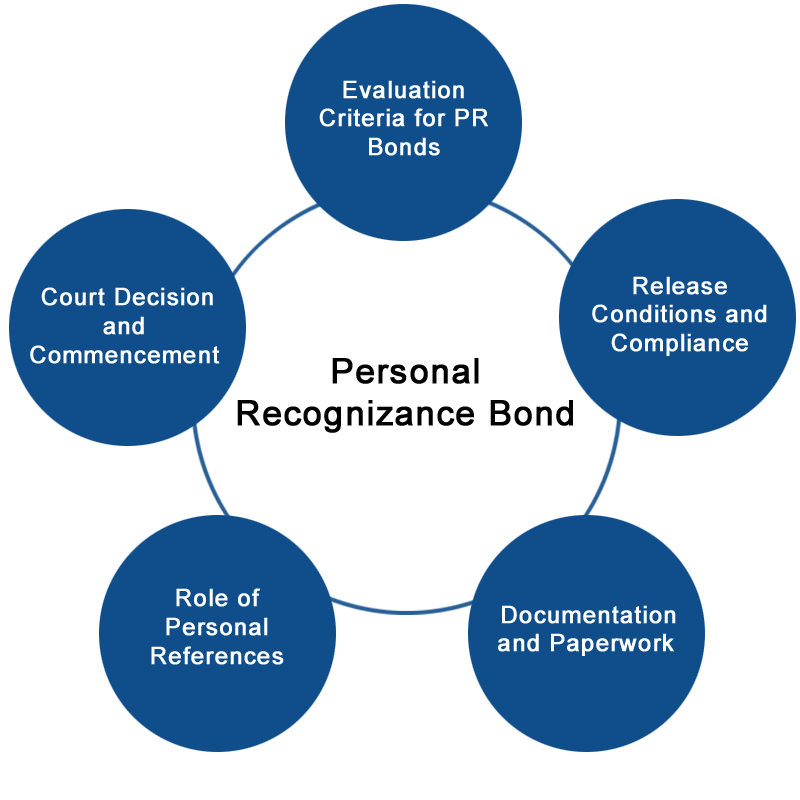
While the concept of a PR bond offers a promising avenue for release, it’s not universally granted. The decision to issue a PR bond rests solely with a magistrate or judge, who exercises considerable discretion. Their primary objective is to balance the defendant’s right to liberty with the need to ensure public safety and the defendant’s appearance in court. Several factors are meticulously weighed when considering eligibility:
- Criminal History: An individual’s past record plays a significant role. Those with extensive criminal histories, especially prior failures to appear in court or convictions for violent offenses, are less likely to be granted a PR bond. Conversely, someone with no prior arrests or only minor infractions stands a better chance.
- Flight Risk: The judge assesses whether the defendant is likely to flee the jurisdiction before their court date. Factors considered include ties to the community (family, employment, property ownership in Texas), out-of-state residency (a major concern for tourists or transient workers), and the seriousness of the charges. A visitor with no local connections might be deemed a higher flight risk than a long-time resident of Travis County with a stable job.
- Nature of the Offense: The severity and type of the alleged crime are critical. Minor offenses, such as certain misdemeanors, are more amenable to PR bonds than serious felonies, violent crimes, or offenses involving public safety risks. For instance, a charge of public intoxication might lead to a PR bond, whereas aggravated assault almost certainly would not.
- Community Ties: Demonstrating strong connections to the community – such as stable employment, family living in the area, property ownership, or enrollment in educational programs – can significantly bolster an applicant’s case for a PR bond. This shows the judge that the individual has reasons to remain in Texas and face their charges.
- Public Safety: The judge must also consider whether releasing the individual on a PR bond would pose an unacceptable risk to the community. This often overlaps with the nature of the offense and criminal history, particularly in cases involving violence, weapons, or repeated offenses.
Before the judge makes a decision, a pre-trial services department often conducts an interview with the defendant to gather relevant background information. This interview, which covers personal history, employment, residency, and criminal record, helps the judge make an informed decision regarding eligibility and the appropriateness of a PR bond. It’s important to remember that even if an individual meets several favorable criteria, the final decision remains with the court.
The Process of Obtaining a PR Bond: From Arrest to Release
Understanding the legal concept of a PR bond is one thing, but knowing the practical steps involved in obtaining one is another. For someone who has just been arrested, whether they are a local or a tourist caught off guard while visiting a landmark like The Alamo, the process can be disorienting. However, a clear understanding of the procedure can help manage expectations and facilitate a smoother path to temporary release.
Initial Steps: Arrest and Magistrate Hearing
The journey to obtaining a PR bond begins immediately after an arrest. Following the apprehension, the individual is transported to a local jail facility for the booking process. This involves recording personal information, fingerprinting, mug shots, and a search for any outstanding warrants. Once booked, the individual will typically be held until they can be brought before a magistrate. This initial appearance, often referred to as the “magistrate hearing” or “arraignment,” is a critical juncture.
During this hearing, which might occur within hours or up to 24-48 hours after arrest depending on the jurisdiction and day of the week, the magistrate will formally inform the individual of the charges against them. They will also explain the individual’s constitutional rights, including the right to an attorney and the right to remain silent. Crucially, it is at this stage that the magistrate will address the issue of bail. The magistrate will consider the factors discussed earlier—criminal history, flight risk, community ties, and the nature of the offense—to determine if the individual is eligible for a PR bond. The defendant, or their attorney if one is already retained, can formally request a PR bond. In many Texas counties, such as Harris County or Dallas County, a pre-trial services officer may interview the defendant prior to this hearing to provide the magistrate with a recommendation based on their assessment of the defendant’s background and risk factors. This information plays a vital role in the magistrate’s decision-making process.
Conditions and Restrictions: More Than Just a Promise
If a PR bond is granted, the individual is released, but their freedom is almost never unconditional. The magistrate will typically impose a set of specific conditions that the defendant must adhere to until their case is resolved. These conditions are not merely suggestions; they are legally binding orders, and any violation can lead to the immediate revocation of the PR bond, re-arrest, and the potential for a higher cash bail or continued detention. The nature of these conditions often significantly impacts an individual’s lifestyle, particularly their ability to travel or even maintain certain daily routines.
Common conditions include:
- Regular Check-ins: Reporting periodically to a pre-trial services officer, either in person, by phone, or through online portals.
- No Contact Orders: Prohibiting contact with victims, witnesses, or co-defendants in the case.
- Drug and Alcohol Testing: Mandating sobriety and requiring periodic drug or alcohol tests, especially in cases related to substance abuse.
- Curfew: Requiring the defendant to be at a specific residence during certain hours.
- GPS Monitoring: In some cases, particularly for more serious offenses or higher flight risks, a GPS ankle monitor may be required, limiting movement and tracking location.
- Travel Restrictions: This is perhaps the most significant condition for those whose lifestyle involves travel. A PR bond often restricts the defendant from leaving the county, judicial district, or even the state of Texas without explicit court permission. This means that planned trips to New York, a business conference in California, or even a weekend getaway to the Guadalupe River within Texas but outside the permitted county would require court approval, which may or may not be granted.

The impact of these conditions on a person’s lifestyle and travel plans cannot be overstated. A business traveler might find their ability to fulfill work obligations severely hampered. A family planning a vacation to Six Flags Over Texas in a different county might have to cancel or postpone. It underscores the critical importance of fully understanding and strictly adhering to all conditions of a PR bond. Any ambiguity should be immediately clarified with legal counsel to avoid inadvertently violating the terms and facing further legal repercussions.
The Impact of a PR Bond on Your Texas Lifestyle and Travel Plans
The decision to grant a PR bond brings immediate relief by allowing release from jail without financial outlay, but it fundamentally reshapes an individual’s immediate future. For many, especially those accustomed to an unhindered lifestyle or frequent travel, the conditions attached to a PR bond can feel restrictive and significantly impact daily life, business operations, and leisure pursuits across Texas and beyond. This is where the intersection of legal obligations and personal freedom truly becomes apparent.
Freedom of Movement and Accommodation Challenges
Perhaps the most immediate and impactful consequence of a PR bond for a person on the go is the restriction on freedom of movement. As noted, it’s common for PR bonds to stipulate that the defendant cannot leave the county or judicial district without prior court approval. For residents of sprawling metropolitan areas like Houston or Dallas, whose work or family might span multiple counties, this can be an inconvenience. For visitors or those whose profession involves constant travel, this can be catastrophic.
Imagine being a business executive visiting Austin for a conference, only to face an unexpected legal issue. A PR bond might get you out of jail, but if it restricts you to Travis County, your plans to fly home or attend another meeting in New York are effectively halted. You might be forced to find extended accommodation, whether it’s a long-term apartment rental or a hotel suite, in a city you didn’t plan to stay in, potentially incurring significant, unforeseen expenses. The disruption extends to pre-booked flights, hotel reservations, and any planned tourism activities, turning a leisure trip into a forced, indefinite stay.
Even within Texas, the state is vast and diverse. A restriction to Harris County means no road trips to see the natural beauty of Big Bend National Park, no cultural excursions to San Antonio, and no business dealings in El Paso. This necessitates a complete re-evaluation of travel itineraries, booking cancellations, and potential financial losses from non-refundable arrangements. It is paramount for anyone granted a PR bond to have clear, precise communication with their legal counsel about any existing or planned travel, and to understand the exact geographical limitations imposed. Seeking court permission for travel, especially out-of-state, is a complex process with no guarantee of approval, adding another layer of uncertainty to an already stressful situation.
Financial Relief vs. Conditional Liberty
The primary allure of a PR bond is undoubtedly the financial relief it offers. Forgoing the need to pay cash bail or a non-refundable bondsman’s fee can save thousands of dollars, preserving an individual’s financial resources for legal defense, living expenses, or other critical needs. This is particularly beneficial for those on a tight budget or travelers who don’t have immediate access to their full financial reserves. It ensures that liberty is not solely a privilege of the wealthy.
However, this financial advantage comes hand-in-hand with conditional liberty. While free from jail, the defendant is still under the strict supervision of the court. The obligations imposed, such as mandatory check-ins, drug tests, or GPS monitoring, can be time-consuming, intrusive, and emotionally draining. They represent a constant reminder of the pending legal case and the conditional nature of one’s freedom. The psychological burden of knowing that any misstep, however minor, could lead to re-arrest and a more severe bail condition, can be substantial.
Furthermore, while there’s no upfront cost for the bond itself, individuals might still incur expenses related to meeting the conditions. For instance, traveling to and from mandatory check-ins, paying for drug testing, or even the costs associated with GPS monitoring equipment (if charged to the defendant) can add up. For someone whose normal lifestyle involves spontaneity or minimal oversight, adapting to this level of scrutiny and scheduled compliance can be a significant adjustment. The balance struck by a PR bond is a trade-off: financial freedom from bail in exchange for a period of restricted and monitored liberty, requiring careful adherence to court orders and a significant alteration of one’s accustomed lifestyle.
Beyond the Bond: Resources and Considerations for Visitors and Residents
Whether you are a long-time resident of Texas or a visitor captivated by its unique charm, navigating the legal system can be a daunting experience. A PR bond offers a crucial pathway to temporary freedom, but it’s just one part of a larger legal journey. Understanding where to turn for help and how to proactively protect oneself is paramount.
Seeking Legal Counsel in Texas
If you find yourself in a situation where a PR bond is a possibility, or if you’ve already been granted one, securing competent legal counsel is the most critical step. An experienced criminal defense attorney in Texas can:
- Advise on Eligibility: Assess your specific circumstances and advise whether a PR bond is a realistic option for your case.
- Facilitate the Process: Advocate on your behalf during the magistrate hearing and communicate with pre-trial services to present the best possible case for a PR bond.
- Clarify Conditions: Ensure you fully understand all conditions of your release, including travel restrictions, and help you navigate any requests for modifications (e.g., permission to travel for work or family emergencies).
- Defend Your Case: Represent you throughout the legal proceedings, working to achieve the best possible outcome for your charges.
For those who cannot afford a private attorney, the court will appoint a public defender. While public defenders are dedicated professionals, their caseloads can be extensive. If possible, retaining a private attorney often allows for more personalized attention and proactive management of your case, which can be especially beneficial when dealing with complex PR bond conditions, particularly those impacting travel and lifestyle.
Planning Ahead: Tips for Travelers
For anyone planning to explore the diverse attractions and vibrant cities of Texas, a little foresight can go a long way in preventing legal complications or at least mitigating their impact. While no one expects to be arrested, being prepared is a hallmark of smart travel.
- Understand Local Laws: Different states and even different municipalities within Texas can have varying local ordinances and enforcement priorities. Before visiting a new destination, whether it’s Austin for SXSW or a quiet town in the Brazos Valley, familiarize yourself with common local laws, particularly those related to public conduct, alcohol, and traffic.
- Emergency Contacts: Always have a list of emergency contacts readily accessible, including family members, friends, and potentially a local attorney’s number if you anticipate any specific risks. Inform these contacts of your travel plans and how to reach you.
- Travel Insurance: While not directly related to PR bonds, comprehensive travel insurance can cover unforeseen medical emergencies or trip cancellations, which might become necessary if legal issues arise and disrupt your itinerary.
- Know Your Rights: Understand your basic constitutional rights if approached by law enforcement, such as the right to remain silent and the right to an attorney. However, it’s crucial to cooperate politely and avoid obstructing justice.
In conclusion, a Personal Recognizance bond in Texas represents a significant legal mechanism that offers temporary freedom from jail without the immediate financial burden of cash bail. For both residents and visitors, understanding its nuances—from eligibility criteria and the application process to the often-restrictive conditions on travel and lifestyle—is paramount. While it provides a vital avenue for release, it also demands strict adherence to court orders, fundamentally altering an individual’s freedom of movement and daily routines. Whether you’re exploring the bustling streets of Houston, relaxing by the Guadalupe River, or living your daily life in Dallas, being informed about these legal aspects ensures that unexpected encounters with the law do not derail your life or your adventures in the Lone Star State.
LifeOutOfTheBox is a participant in the Amazon Services LLC Associates Program, an affiliate advertising program designed to provide a means for sites to earn advertising fees by advertising and linking to Amazon.com. Amazon, the Amazon logo, AmazonSupply, and the AmazonSupply logo are trademarks of Amazon.com, Inc. or its affiliates. As an Amazon Associate we earn affiliate commissions from qualifying purchases.