
The automotive landscape in Florida is as dynamic as its coastline, offering a diverse array of vehicles for residents and visitors alike. Among the many considerations when purchasing a used car is understanding the nuances of vehicle titles. One such designation that often raises questions is the “rebuilt title.” While this term might sound straightforward, its implications, particularly within the Sunshine State, require careful examination. A rebuilt title signifies that a vehicle has previously sustained significant damage, been declared a total loss by an insurance company, and subsequently repaired to a roadworthy condition. This process is meticulously regulated to ensure public safety and consumer protection.
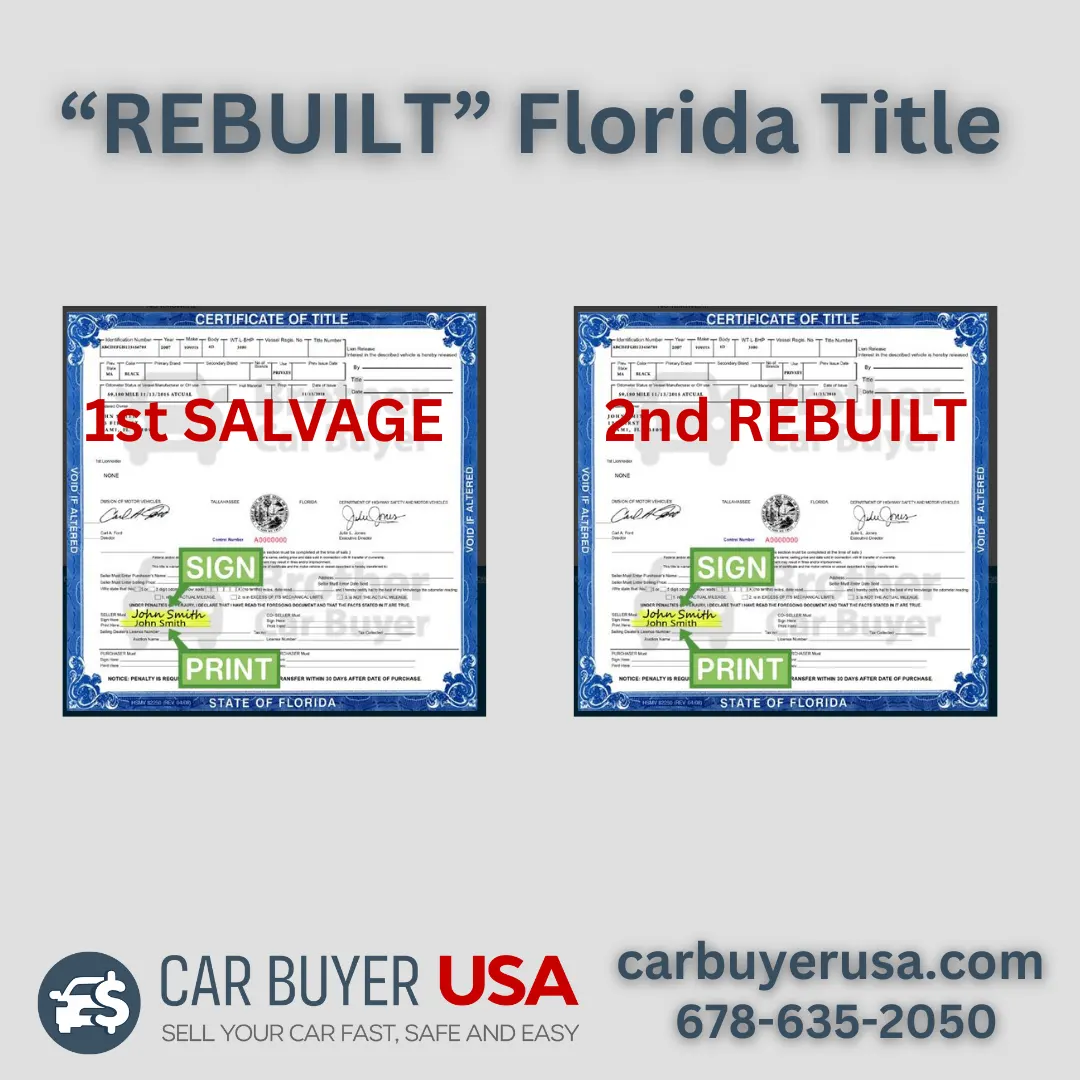
Understanding the Rebuilt Title Designation
A vehicle receives a rebuilt title when it has been salvaged due to damage from accidents, natural disasters like floods or hurricanes, or other incidents that rendered it uneconomical to repair at its pre-damage value. The key distinction lies in the subsequent repair process. Once a vehicle is declared a salvage, it cannot be legally registered or driven on public roads until it undergoes rigorous inspections and is certified as repaired. In Florida, this process is overseen by the Department of Highway Safety and Motor Vehicles (FLHSMV), ensuring that only vehicles meeting specific safety and structural standards are permitted back on the road with a rebuilt title.
The Salvage to Rebuilt Transition
The journey from a salvage vehicle to one with a rebuilt title is a multi-step process designed to guarantee safety and transparency.
Initial Damage and Insurance Declaration
When a vehicle is involved in an incident that results in substantial damage, an insurance company will assess the cost of repairs against the vehicle’s actual cash value (ACV). If the repair cost exceeds a certain threshold (often 70-80% of the ACV, though this can vary), the insurance company will declare the vehicle a “total loss” and issue a salvage title. At this point, the vehicle’s ownership is typically transferred to the insurance company, or it may be sold at a salvage auction.
Repair and Inspection Process
Following the salvage declaration, if a party intends to repair the vehicle, they must first obtain the salvage title. Once repairs are completed, the vehicle must undergo a stringent inspection by a Florida-certified salvage inspector. This inspection is comprehensive, focusing on structural integrity, safety components (brakes, steering, lights, etc.), and ensuring that all damaged parts have been replaced with new or equivalent parts. The inspector verifies that the vehicle has been restored to a safe operating condition and meets all state safety regulations.
Obtaining the Rebuilt Title
Upon successful completion of the salvage inspection, the owner can then apply for a rebuilt title from the FLHSMV. This new title officially replaces the salvage title, indicating that the vehicle has been repaired and is roadworthy. However, it is crucial to understand that a rebuilt title remains a permanent part of the vehicle’s history, and this information is readily available to prospective buyers through vehicle history reports.
Implications of Owning a Vehicle with a Rebuilt Title
Purchasing a vehicle with a rebuilt title can present both opportunities and challenges for consumers in Florida. While these vehicles are often priced more attractively than comparable cars with clean titles, buyers must be aware of the associated risks and limitations.
Financial Considerations
One of the primary benefits of a rebuilt title vehicle is its lower purchase price. This can make vehicle ownership more accessible to a wider range of budgets. However, securing financing for a rebuilt title vehicle can be more difficult. Many lenders are hesitant to provide loans for vehicles with such a history, and those that do may offer less favorable interest rates or require a larger down payment.
Insurance Challenges
Insurance coverage for vehicles with rebuilt titles can also be more complex. While it is generally possible to obtain liability insurance, comprehensive and collision coverage may be harder to find or come with higher premiums. Insurers assess risk differently, and the inherent history of a rebuilt title vehicle can lead them to perceive it as a higher risk. It is essential to shop around and discuss your specific needs with multiple insurance providers to ensure adequate coverage.
Resale Value and Market Perception
Vehicles with rebuilt titles typically have a lower resale value compared to identical models with clean titles. The diminished market perception stems from concerns about the extent of the original damage, the quality of repairs, and potential long-term mechanical issues. Buyers are often wary of potential hidden problems, leading to a reduced demand and, consequently, a lower market value.
Navigating the Florida Rebuilt Title Landscape Responsibly
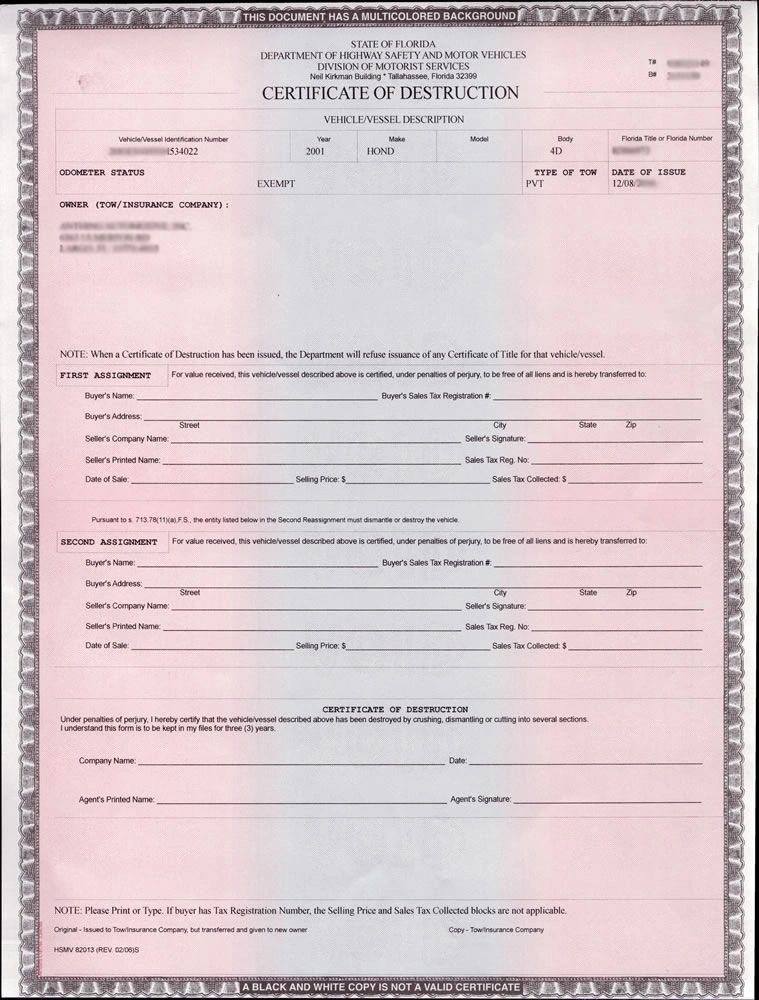
For consumers considering a vehicle with a rebuilt title in Florida, a proactive and informed approach is paramount. Diligence in research, thorough inspections, and a clear understanding of the implications can help mitigate risks and ensure a sound purchase.
The Importance of Pre-Purchase Inspections
Even with a rebuilt title, an independent pre-purchase inspection by a qualified mechanic is non-negotiable. This inspection should go beyond the state-mandated safety check. A trusted mechanic can identify any existing or potential future issues that may not have been apparent during the initial repair process. They can assess the quality of the repairs, check for underlying structural damage, and provide an expert opinion on the vehicle’s overall condition and reliability. This investment in an inspection can save considerable expense and hassle down the line.
Verifying Repair Documentation
When a vehicle has a rebuilt title, it’s crucial to request and review all documentation related to its repair. This might include invoices from repair shops, parts receipts, and any reports from the salvage inspection. Thorough documentation provides transparency and can offer insights into the extent of the original damage and the quality of the repairs performed. A lack of detailed records can be a red flag.
Understanding Vehicle History Reports
Vehicle history reports, such as those provided by CarFax or AutoCheck, are invaluable tools when evaluating a rebuilt title vehicle. These reports compile information from various sources, including DMV records, insurance claims, and accident databases. They can help confirm the salvage history, the date of the title rebranding, and sometimes detail the nature of the damage and repairs. While not foolproof, these reports offer a critical layer of due diligence.
Rebuilt Title vs. Salvage Title: A Crucial Distinction
It’s important to distinguish between a salvage title and a rebuilt title, as they represent different stages in a vehicle’s history.
The Salvage Title: A Vehicle’s First Step to Being “Totaled”
A salvage title is issued when a vehicle is deemed a total loss by an insurance company due to significant damage. At this stage, the vehicle is legally considered uninsurable for comprehensive or collision coverage and cannot be registered or driven on public roads in its current state. It signifies a vehicle that has been severely compromised.
The Rebuilt Title: A Second Chance, With Conditions
A rebuilt title, as discussed, is issued after a salvage vehicle has been repaired and passed a safety inspection. It indicates that the vehicle has met the state’s minimum safety requirements for operation. However, the “rebuilt” designation remains a permanent part of the vehicle’s history, serving as a disclosure of its past. This distinction is vital for buyers to understand the vehicle’s journey and potential implications.
When is a Rebuilt Title Vehicle a Good Option?
Despite the potential drawbacks, a rebuilt title vehicle can be a sensible purchase under specific circumstances and with diligent research.
Budget-Conscious Buyers
For individuals or families prioritizing affordability, a rebuilt title vehicle can significantly stretch their automotive budget. The substantial savings compared to a clean title vehicle might allow for the purchase of a newer model or a higher trim level that would otherwise be out of reach.
Understanding the Risks and Performing Due Diligence
The key to a successful purchase lies in understanding the inherent risks and committing to thorough due diligence. This includes extensive research, securing financing and insurance upfront, and, most importantly, obtaining a comprehensive independent inspection. If a vehicle with a rebuilt title has been professionally repaired, well-maintained, and passes all inspections with flying colors, it can offer excellent value.
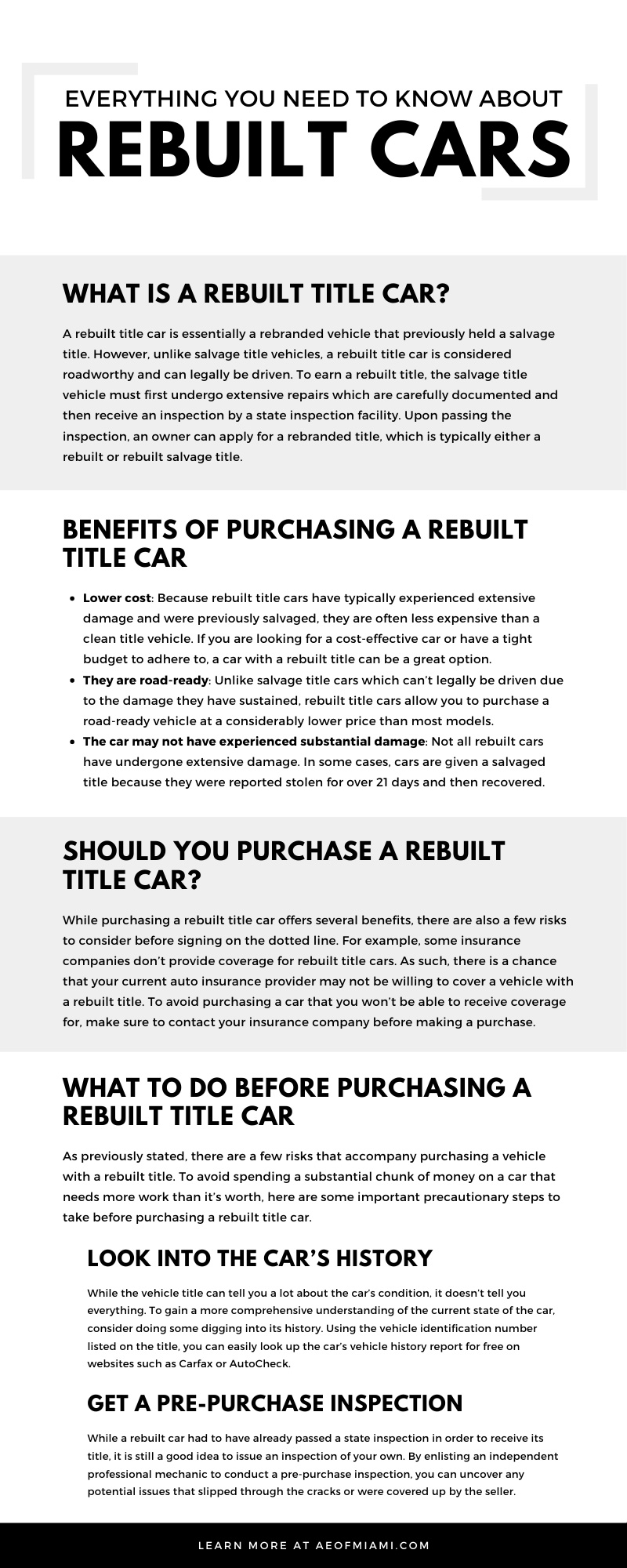
Specific Vehicle Needs
In some cases, a rebuilt title vehicle might be ideal for specific purposes. For instance, a hobbyist looking for a project car to restore or customize might find a rebuilt title vehicle to be a more cost-effective starting point. Similarly, for a secondary vehicle used for infrequent or low-mileage travel, the savings might outweigh the potential long-term concerns.
The decision to purchase a vehicle with a rebuilt title in Florida is a calculated one. It requires a thorough understanding of the designation, the rigorous repair and inspection process, and the potential financial and practical implications. By approaching such a purchase with caution, diligence, and a commitment to professional evaluation, consumers can make an informed choice that aligns with their needs and budget. The allure of a lower price tag should always be balanced with a robust commitment to safety and transparency.
LifeOutOfTheBox is a participant in the Amazon Services LLC Associates Program, an affiliate advertising program designed to provide a means for sites to earn advertising fees by advertising and linking to Amazon.com. Amazon, the Amazon logo, AmazonSupply, and the AmazonSupply logo are trademarks of Amazon.com, Inc. or its affiliates. As an Amazon Associate we earn affiliate commissions from qualifying purchases.