
The question “How many grizzly bears are in California?” elicits a poignant answer that is central to understanding the state’s natural heritage and the evolution of its wild landscapes. For anyone planning to explore the diverse ecosystems of the Golden State, it’s crucial to know that the magnificent California grizzly bear, once ubiquitous and iconic, has been extinct within the state since the 1920s. This historical reality offers a deep insight into the impact of human settlement and development on wildlife, shaping how we approach tourism, conservation, and our appreciation for California’s remaining natural wonders today.

The Vanished Icon: A Golden State Without Its Bear
The California grizzly bear (scientific name: Ursus arctos californicus) was once the undisputed king of California’s wilderness. From the coastal redwood forests to the towering peaks of the Sierra Nevada and the vast central valleys, these powerful omnivores roamed freely, embodying the wild spirit of the land. Historical accounts suggest that tens of thousands of grizzlies populated California prior to the 19th century, making them one of the most significant megafauna species in the region. Their presence was deeply woven into the fabric of indigenous cultures, serving as powerful symbols in their lore and traditions.
The Reign and Decline of Ursus Arctos Californicus
Early European explorers and settlers frequently documented encounters with these formidable creatures, often with a mix of awe and fear. The grizzly’s reputation for strength and ferocity was legendary, and it quickly became a symbol of the untamed frontier. However, this very prominence also contributed to its downfall. With the arrival of the Spanish missions and later the California Gold Rush in the mid-19th century, the human population exploded, leading to unprecedented pressure on the grizzly population.
Settlers viewed grizzlies as a threat to livestock and human safety, leading to widespread hunting. Bounties were placed on their heads, and they were systematically trapped, poisoned, and shot. Habitat loss, driven by agricultural expansion and urbanization, further fragmented their territories and depleted their food sources. The combination of intense hunting pressure and habitat destruction proved too much for even such a resilient species. The last known wild California grizzly was reportedly shot in Tulare County in 1922. By 1924, the species was officially declared extinct in California.
A Symbol of What Was and What Can Be Lost
Despite its physical absence, the California grizzly bear remains an enduring symbol of the state. It proudly graces the California state flag, a stark reminder of the wilderness that once was and a powerful emblem of strength and independence. For tourists visiting California’s stunning national parks and wilderness areas today, understanding the grizzly’s story adds a layer of depth to their experience, highlighting the fragility of even the mightiest species and the profound impact of human actions on the natural world. This historical context enriches the appreciation for current conservation efforts and the wildlife that still thrives in these protected lands.
Experiencing California’s Present-Day Wilds: Black Bears and Beyond
While grizzlies are a part of California’s past, the state remains a vibrant hub for wildlife tourism, offering incredible opportunities to observe other magnificent creatures in their natural habitats. The most common bear species tourists will encounter is the American black bear (Ursus americanus), which is thriving in many of California’s forested regions.
Distinguishing California Black Bears from Grizzly Lore
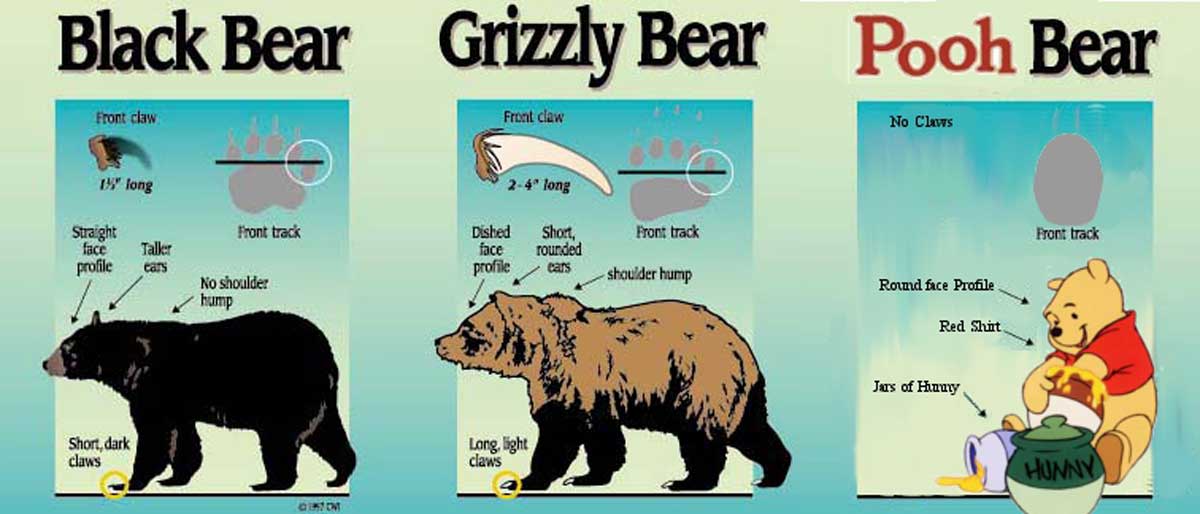
It’s important for visitors to understand the distinction: black bears, though varying in color from black to cinnamon or even blonde, are a different species from grizzlies. They are generally smaller, less aggressive, and possess a different temperament. They lack the prominent shoulder hump and dish-shaped face characteristic of grizzlies. California black bears are adaptable and can be found in a wide range of habitats, from dense forests to chaparral, and even occasionally at the edges of urban areas.
Prime Locations for Wildlife Encounters
For tourists seeking to witness California’s wildlife, several destinations stand out:
- Yosemite National Park: Renowned for its stunning granite cliffs and waterfalls, Yosemite also hosts a robust population of black bears. Visitors often spot them foraging in meadows or along roadsides, particularly during the early morning and late evening.
- Sequoia and Kings Canyon National Parks: Home to giant sequoia trees, these parks offer dense forests where black bears thrive. The chance to see a bear against the backdrop of ancient groves is a truly memorable experience.
- Lake Tahoe Basin: The forests surrounding Lake Tahoe are prime black bear habitat. While they are often elusive, patient observers might catch a glimpse.
- Lassen Volcanic National Park: This northern California park, known for its hydrothermal features, also supports a healthy black bear population.
- Point Reyes National Seashore: While not known for bears, this coastal gem offers incredible opportunities to see marine wildlife, including elephant seals, whales, and various bird species, underscoring California’s rich biodiversity beyond its terrestrial mammals.
These destinations offer not just opportunities for bear sightings, but also a chance to appreciate the diverse ecosystems that support a myriad of other species, including deer, coyotes, foxes, and numerous bird species. The understanding that such landscapes once supported grizzlies only deepens the appreciation for the wildlife that still thrives there.
Responsible Wildlife Tourism: Tips for Ethical Engagement
Experiencing California’s wildlife is a privilege, and responsible tourism ensures these encounters are safe for both humans and animals, contributing to the long-term health of these ecosystems. The lessons learned from the extinction of the grizzly underscore the importance of respectful interaction with all wild inhabitants.
Best Practices for Wildlife Viewing
- Maintain a Safe Distance: Always keep a significant distance from all wildlife. For bears, the general rule is at least 100 yards (91 meters). Use binoculars or a telephoto lens for close-up views. Approaching animals too closely can stress them, alter their natural behavior, or provoke a defensive reaction.
- Never Feed Wild Animals: Feeding wildlife, even inadvertently, is detrimental. It habituates them to human food, leading them to associate humans with food sources. This can cause animals to become aggressive or reliant on human handouts, often resulting in them being euthanized for public safety. Store food securely in bear-proof containers or lockers provided in parks.
- Stay on Marked Trails: Venturing off-trail can disturb delicate habitats, disrupt nesting birds, or lead you into unexpected encounters with wildlife. Stick to designated paths to minimize your impact.
- Dispose of Waste Properly: Practice “Leave No Trace” principles. Pack out everything you pack in, including all trash, food scraps, and even biodegradable items, as these can attract animals or take a long time to decompose.
- Control Pets: If traveling with pets, ensure they are leashed at all times and adhere to park regulations regarding where pets are allowed. Pets can harass wildlife or attract predators.
- Be Aware of Your Surroundings: Pay attention to signage, ranger warnings, and other visitors. Bear sightings are common in certain areas, and knowing what to do if you encounter one (make noise, appear large, carry bear spray in permitted areas) is crucial.
By following these guidelines, tourists contribute positively to conservation efforts, ensuring that California’s remaining wildlife populations continue to thrive for future generations to enjoy. It’s an active way to honor the legacy of the grizzly and prevent further losses.
The Conversation of Reintroduction: A Glimmer of Hope?
The absence of the grizzly bear in California is a historical wound that conservationists and ecologists continue to grapple with. In recent years, discussions about the potential reintroduction of grizzly bears to suitable wilderness areas in California have gained traction. This complex and highly debated topic reflects a broader global movement towards rewilding and restoring ecological integrity to landscapes that have been diminished by human activity.

Challenges and Prospects of Rewilding Efforts
Reintroducing a large predator like the grizzly bear involves immense challenges. These include identifying vast, undisturbed habitats that can support a viable population, addressing concerns from local communities (particularly ranchers and rural residents), and ensuring corridors for genetic exchange. California’s highly populated nature and developed infrastructure present unique hurdles compared to more remote reintroduction sites in other states.
However, proponents argue that reintroducing grizzlies could play a vital role in restoring the ecological balance of California’s ecosystems. As apex predators, grizzlies help regulate populations of other animals, influence vegetation distribution, and contribute to overall biodiversity. For tourism, a successful reintroduction could eventually add a compelling new dimension, drawing visitors eager to witness the return of a legendary species, much like the reintroduction of wolves in Yellowstone National Park transformed its visitor experience.
While a grizzly reintroduction remains a distant and uncertain prospect, the conversation itself highlights California’s ongoing commitment to conservation and the desire to mend ecological wounds. For the discerning tourist, understanding this dialogue offers a deeper perspective on the state’s natural beauty and the active efforts to preserve and potentially restore its wild heart. Visiting California today means engaging with a landscape that carries the memory of a lost icon, while celebrating the vibrant life that perseveres and the hopeful vision for a more complete wilderness in the future.
LifeOutOfTheBox is a participant in the Amazon Services LLC Associates Program, an affiliate advertising program designed to provide a means for sites to earn advertising fees by advertising and linking to Amazon.com. Amazon, the Amazon logo, AmazonSupply, and the AmazonSupply logo are trademarks of Amazon.com, Inc. or its affiliates. As an Amazon Associate we earn affiliate commissions from qualifying purchases.