
Understanding state tax implications is a crucial element for any traveler planning an extended stay, a business trip, or even a leisurely vacation in a new destination. For those considering or currently enjoying the rich history, vibrant culture, and diverse landscapes of Alabama, grasping the specifics of its tax structure is not just about compliance; it can significantly impact budgeting and the overall experience. This guide delves into the intricacies of Alabama state tax, providing insights for travelers and temporary residents alike.
Understanding Alabama’s Tax Landscape
Alabama operates with a multifaceted tax system that affects individuals and businesses. For visitors, the most immediate and noticeable taxes are typically sales and lodging taxes. However, for those residing or working in the state for extended periods, income tax becomes a significant consideration.
Income Tax in Alabama
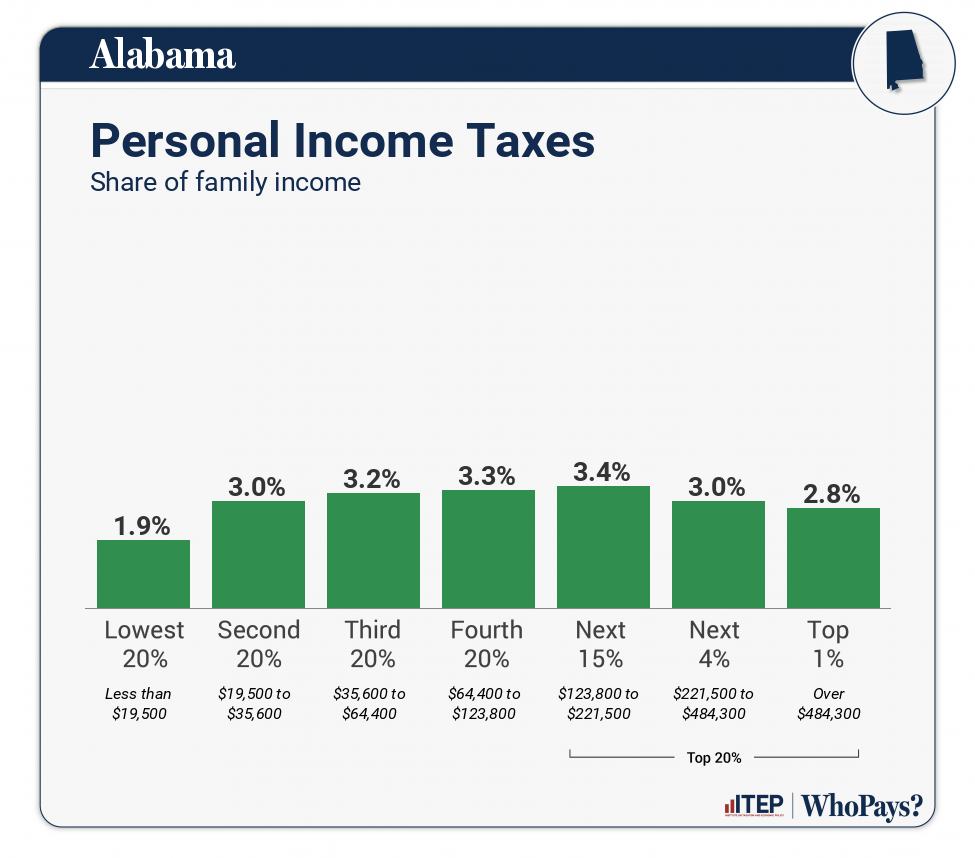
Alabama levies a progressive income tax on its residents and, in some cases, on income earned within the state by non-residents. This means that the tax rate increases as income rises.
Tax Brackets and Rates
The income tax rates in Alabama are structured into several brackets. As of recent data, the rates range from 2% to 5%. For example, single filers or married couples filing separately might see different thresholds for these rates compared to those filing jointly. The exact brackets are subject to legislative changes and are updated periodically.
- Lowest Bracket: Typically applies to lower income levels, with a rate of 2%.
- Mid-Range Brackets: Cover a broader spectrum of income, with rates gradually increasing to 4% or 5%.
- Highest Bracket: Applied to the highest income earners, usually capped at 5%.
It is essential for travelers who might be working remotely from Alabama or engaged in temporary employment to understand their tax obligations. The state has specific rules regarding domicile and where income is considered earned, which can determine tax liability.
Deductions and Credits
Like many states, Alabama offers various deductions and credits that can reduce an individual’s taxable income. These might include deductions for dependents, medical expenses, or retirement contributions. Tax credits directly reduce the tax owed, such as child tax credits or credits for certain types of investments. Staying informed about available deductions and credits can lead to significant savings for those with income tax obligations.
Sales and Use Tax
Sales tax is levied on the purchase of tangible personal property and certain services within Alabama. Use tax is essentially a complementary tax that applies when sales tax has not been paid on an item purchased out-of-state but used within Alabama.
State and Local Rates
The state of Alabama imposes a base state sales tax rate. However, this rate is significantly augmented by local sales taxes, which vary widely across counties and municipalities. This means that the total sales tax rate can differ considerably depending on the specific city or town within Alabama where a purchase is made.
For instance, a purchase made in Birmingham will likely have a different total sales tax rate than one made in Mobile. Travelers should be aware of these local variations, especially when making significant purchases or planning shopping excursions.
Taxable Goods and Services
Most tangible goods are subject to sales tax. Certain services are also taxed, although the scope of taxable services can vary. Food and beverages purchased for consumption at home are generally exempt from state sales tax, but prepared foods purchased for immediate consumption are typically taxed. Prescription medications are usually exempt.
Understanding which items and services are taxable is crucial for accurate budgeting. Online retailers selling into Alabama are also required to collect and remit sales tax, further complicating the distinction between in-state and out-of-state purchases for consumers.
Lodging and Tourism-Related Taxes
For travelers staying in Alabama, lodging taxes are a direct and unavoidable component of their travel expenses. These taxes are designed to fund various state and local initiatives, often including tourism promotion and infrastructure development.
Hotel and Accommodation Taxes

When booking a hotel, resort, vacation rental, or any form of temporary accommodation in Alabama, visitors will encounter a combination of state and local lodging taxes. These can include a state lodging tax, a state tourism tax, and various municipal or county occupancy taxes.
The rates for these taxes can vary significantly by location. Popular tourist destinations like Gulf Shores or Huntsville may have higher combined lodging tax rates due to local ordinances aimed at supporting their tourism economies. It’s advisable to check the specific tax rates for your chosen accommodation when budgeting for your trip.
Impact on Tourism
These lodging taxes, while an added cost for travelers, play a vital role in supporting Alabama’s tourism industry. Revenue generated from these taxes often funds visitor centers, marketing campaigns, maintenance of state parks, and other attractions that enhance the travel experience. Therefore, while paying these taxes, travelers are indirectly contributing to the preservation and enhancement of the very places they are visiting.
Navigating Tax Obligations for Travelers
For those planning a temporary stay in Alabama, understanding the tax implications can save time, money, and potential headaches. Whether it’s a work assignment, a prolonged vacation, or even a period of remote work, being informed is key.
Temporary Stays and Tax Liability
The duration and purpose of a stay in Alabama are critical in determining tax obligations.
- Short-Term Tourist Stays: For typical vacationers staying in hotels or short-term rentals for a few days or weeks, the primary tax concerns will be sales and lodging taxes, which are collected at the point of sale or service.
- Extended Stays or Remote Work: If a traveler plans to stay in Alabama for an extended period, such as a few months, and is earning income remotely from an employer outside the state, they may still have tax obligations. This depends on factors like establishing residency, the duration of the stay, and the specific agreements with their employer. Generally, if one establishes residency in Alabama, they are subject to the state’s income tax on all income, regardless of where it is earned. If they do not establish residency but work physically within the state, they may be subject to Alabama income tax on the income earned while present in the state.
- Temporary Employment: Individuals taking on temporary jobs in Alabama will be subject to state income tax withholding, similar to permanent residents.
Resources for Travelers
The Alabama Department of Revenue is the primary source for official information regarding state tax laws and regulations. Their website often provides detailed guides, forms, and contact information for tax assistance.
For specific questions related to sales tax, travelers can inquire with local tax authorities or the retailers themselves. For income tax concerns, especially those related to remote work or extended stays, consulting with a tax professional familiar with multi-state taxation is highly recommended. They can provide personalized advice based on individual circumstances and the most current tax laws.
Property Tax in Alabama
While typically not a primary concern for short-term tourists, property taxes are a significant consideration for individuals considering longer-term stays, purchasing property, or those involved in real estate investments within Alabama.
How Property Tax Works
Property taxes in Alabama are levied by local governments (counties, cities, and school districts) based on the assessed value of real estate and, in some cases, personal property. The state itself does not levy a general property tax.
Assessment and Millage Rates
Property is assessed at a percentage of its fair market value. This assessed value is then multiplied by a “millage rate” (or mill levy) to determine the tax amount. A mill is one-tenth of a cent, or $1 per $1,000 of assessed value.
The millage rates are set by local taxing authorities and can vary widely. This means that two similar properties located in different jurisdictions within Alabama could have vastly different property tax bills.
Exemptions
Alabama offers various property tax exemptions, which can significantly reduce the tax burden for eligible property owners. These commonly include homestead exemptions for primary residences, exemptions for individuals over a certain age, and exemptions for disabled veterans. Travelers who might be considering purchasing a home or staying long-term should investigate these potential exemptions.

Conclusion: Informed Travel in Alabama
Navigating the tax landscape of any state can seem daunting, but for Alabama, understanding the core components of its tax system – income, sales, lodging, and property taxes – empowers travelers and temporary residents. Whether planning a brief visit to the historic shores of Gulf Shores, a business trip to Montgomery, or considering a longer stay to explore the natural beauty of Cheaha State Park, being aware of these financial considerations ensures a smoother, more enjoyable, and budget-friendly experience. By consulting official resources and seeking professional advice when necessary, visitors can fully embrace all that the Heart of Dixie has to offer, free from unexpected tax burdens.
LifeOutOfTheBox is a participant in the Amazon Services LLC Associates Program, an affiliate advertising program designed to provide a means for sites to earn advertising fees by advertising and linking to Amazon.com. Amazon, the Amazon logo, AmazonSupply, and the AmazonSupply logo are trademarks of Amazon.com, Inc. or its affiliates. As an Amazon Associate we earn affiliate commissions from qualifying purchases.