
Understanding the time in Houston, Texas is more than a simple matter of knowing when to set your watch. It’s a fundamental piece of information that underpins travel plans, business engagements, and the general rhythm of any visit to this sprawling metropolis. As a city that never truly sleeps, Houston operates on a consistent schedule, yet its temporal designation is rooted in broader geographical and temporal frameworks.
Navigating Time Zones in the Lone Star State
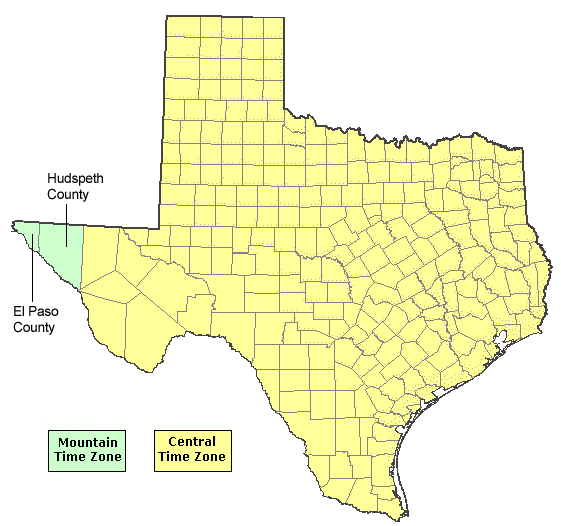
The United States is divided into several time zones, each governing a distinct geographical area. Texas predominantly falls within the Central Time Zone (CT). This zone is crucial for anyone planning to travel to, from, or within Houston.

The Central Time Zone Explained
The Central Time Zone in the United States observes two distinct periods: Central Standard Time (CST) and Central Daylight Time (CDT).
- Central Standard Time (CST): During the winter months, from the first Sunday in November until the second Sunday in March, the region adheres to CST, which is UTC-6. This means it is six hours behind Coordinated Universal Time.
- Central Daylight Time (CDT): As spring arrives, the clocks are advanced by one hour for Daylight Saving Time. From the second Sunday in March until the first Sunday in November, Houston observes CDT, which is UTC-5. This period effectively shifts the zone forward by an hour relative to UTC.
The observance of Daylight Saving Time means that the actual clock time in Houston changes twice a year. This is a vital consideration for coordinating meetings, booking flights, and scheduling any activities that rely on precise timing, especially when communicating with individuals or businesses in different time zones.
Time in Houston: CST vs. CDT
To be precise, when someone asks “What time is it at Houston, Texas?”, the answer depends on the time of year.
- During Standard Time (Winter): Houston is on CST (UTC-6). For example, if it is 12:00 PM UTC, it will be 6:00 AM in Houston.
- During Daylight Saving Time (Spring/Summer/Fall): Houston is on CDT (UTC-5). If it is 12:00 PM UTC, it will be 7:00 AM in Houston.
This seemingly small one-hour difference can have significant implications for travel itineraries, especially for those accustomed to regions that do not observe Daylight Saving Time or observe it on different dates. Always verify the current local time based on whether CST or CDT is in effect.
Practical Implications for Travelers and Residents
Understanding the temporal framework of Houston is essential for various practical reasons, ranging from setting up appointments to enjoying the city’s vibrant nightlife.
Coordinating Travel Plans
For any visitor arriving in Houston, confirming the local time is a top priority. This affects:
- Flight Arrivals and Departures: Airports like George Bush Intercontinental Airport (IAH) and William P. Hobby Airport (HOU) operate on Central Time. Miscalculating the time difference can lead to missed flights or arriving too early.
- Hotel Check-ins and Check-outs: Hotels such as the Four Seasons Hotel Houston or the Hotel ZaZa Houston have strict check-in and check-out times. Knowing the exact local time ensures a smooth transition into and out of your accommodation.
- Car Rentals: Rental agencies at the airport and around the city will also operate based on Houston’s local time.
- Interstate Travel: If you are driving from another state into Texas, particularly if crossing from a Mountain Time Zone state, you will gain an hour. Conversely, traveling eastward into the Eastern Time Zone will mean losing an hour.
Business and Professional Engagements
Houston is a major hub for industries such as energy, medicine, and aerospace. For business professionals, accurate timekeeping is paramount.

- Conference Calls: Coordinating calls with colleagues or clients in different time zones requires meticulous attention. Knowing whether Houston is on CST or CDT is critical for setting the correct meeting time.
- Business Hours: While many businesses in Houston follow standard business hours (e.g., 9 AM to 5 PM), these are all aligned with Central Time. This impacts appointment scheduling and client interactions.
- International Business: For companies engaged with international partners, understanding the difference between UTC and Central Time (and whether it’s CST or CDT) is indispensable for effective global communication.
Daily Life and Leisure Activities
Beyond structured engagements, knowing the time in Houston impacts everyday life and leisure.
- Dining Reservations: Popular restaurants, from upscale establishments in the Uptown Park area to local eateries in The Heights, often require reservations. Adhering to reservation times is key to enjoying Houston’s diverse culinary scene.
- Event Schedules: Whether it’s catching a show at the Theater District, attending a sporting event at Minute Maid Park or the Toyota Center, or visiting a museum like the Museum of Fine Arts, Houston, event start times are always based on local Central Time.
- Daylight Hours: Understanding the progression of daylight, especially during different seasons, can help in planning outdoor activities. For instance, knowing when sunset occurs allows for optimal timing for visits to Discovery Green or exploring the Buffalo Bayou Park.
The Science and Standardization of Time
The concept of time zones, including the Central Time Zone, is a product of human ingenuity aimed at standardizing time across vast geographical areas, simplifying navigation and communication in an increasingly interconnected world.
The Role of UTC
Coordinated Universal Time (UTC) serves as the primary time standard by which the world regulates clocks and time. It is effectively the successor to Greenwich Mean Time (GMT). All time zones are defined by their offset from UTC. Understanding UTC provides a universal reference point, allowing for precise calculations of time differences globally.
Daylight Saving Time (DST)
Daylight Saving Time is a practice observed in many countries, where clocks are advanced by one hour during warmer months so that darkness falls at a later hour of the day. This is intended to make better use of daylight and reduce the need for artificial lighting. Texas, including Houston, observes DST. The specific dates for the commencement and termination of DST are determined by federal law in the United States, though individual states can opt out (which Arizona largely does, with the exception of the Navajo Nation).
The practice of DST can sometimes lead to confusion, particularly when traveling across borders or interacting with regions that have different DST schedules or do not observe it at all. It’s a practice that has evolved over time and remains a subject of discussion regarding its efficacy and impact.
Planning Your Visit to Houston with Time in Mind
When planning a trip to Houston, integrating an understanding of its time zone into your itinerary will contribute significantly to a seamless and enjoyable experience.
Pre-Trip Preparations
Before you even depart for Houston, take a moment to:
- Check the Current Time: Use a reliable online resource or your smartphone to verify the current local time in Houston. Pay attention to whether Daylight Saving Time is currently in effect.
- Update Your Devices: Ensure your smartphones, smartwatches, and other digital devices are set to automatically update their time based on location or are manually set to the correct Central Time.
- Inform Contacts: If you are traveling for business or meeting friends and family, inform them of your arrival time in local Houston time.
During Your Stay
Once you are in Houston:
- Be Mindful of Local Schedules: Restaurant hours, museum opening times, and tour start times will all be aligned with Central Time.
- Factor in Time Differences for Communication: When calling home or contacting international associates, remember the offset from UTC and whether Daylight Saving Time is active. This is particularly important if communicating with places like New York (Eastern Time) or Los Angeles (Pacific Time).
- Enjoy the City’s Rhythm: Houston has a unique pace. Understanding its temporal structure helps you immerse yourself in its daily life, from the morning rush on the Katy Freeway to the evening buzz in areas like Midtown.
By keeping the temporal realities of Houston, Texas in sharp focus, visitors can navigate their stay with confidence, ensuring that every moment spent in this dynamic Texan city is well-timed and thoroughly enjoyed.
LifeOutOfTheBox is a participant in the Amazon Services LLC Associates Program, an affiliate advertising program designed to provide a means for sites to earn advertising fees by advertising and linking to Amazon.com. Amazon, the Amazon logo, AmazonSupply, and the AmazonSupply logo are trademarks of Amazon.com, Inc. or its affiliates. As an Amazon Associate we earn affiliate commissions from qualifying purchases.