
Alaska, often dubbed “The Last Frontier,” is a land of unparalleled natural beauty, immense wilderness, and dramatic temperature contrasts. For anyone planning to explore this magnificent state, understanding its climate is not merely helpful—it’s absolutely essential. Alaska’s temperatures are as diverse as its landscapes, varying significantly by season and region, and profoundly impacting the type of experiences available and the preparations required for a memorable journey. This guide delves into the nuances of Alaska’s temperatures, offering insights crucial for every traveler.
The Vast and Varied Climate of Alaska
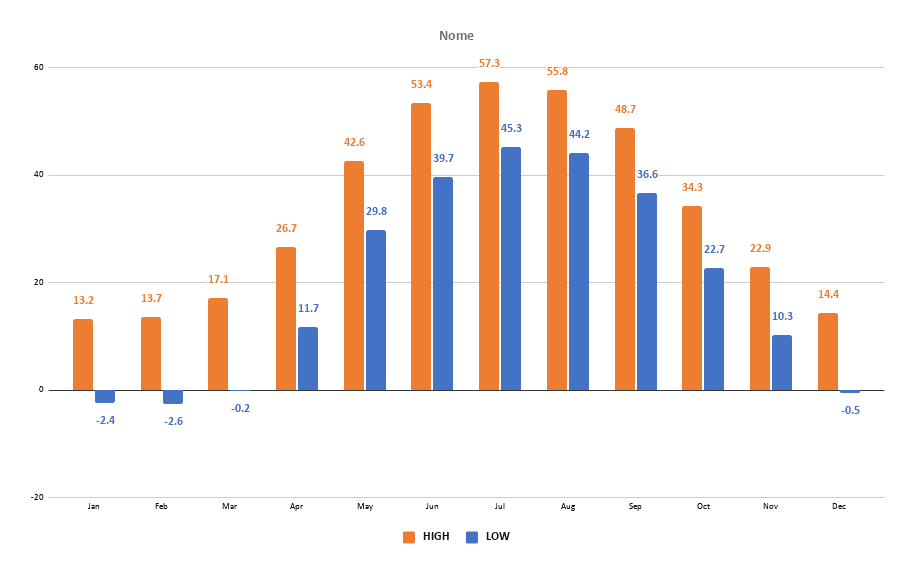
Alaska, the largest state in the United States, spans an enormous geographical area, touching three different seas and extending into the Arctic Circle. This vastness, combined with complex geological features, creates a mosaic of microclimates and distinct weather patterns that defy a single, simple answer to “What is Alaska’s temperature?”
Geographic Influences on Temperature
Several key geographical factors dictate the temperature across Alaska:
- Latitude: Its high latitude means longer daylight hours in summer and extended periods of darkness in winter, significantly impacting solar radiation and thus temperature. Regions within the Arctic Circle experience periods of 24-hour daylight in summer and 24-hour darkness in winter.
- Ocean Currents: The Pacific Ocean, particularly the warmer Alaska Current (an extension of the Kuroshio Current), moderates temperatures along the southern coast and the Aleutian Islands, making them relatively milder and wetter than interior regions.
- Mountain Ranges: Massive mountain ranges like the Alaska Range and the Chugach Mountains act as significant barriers to weather systems. They block moist, mild air from the coast from reaching the interior, leading to a much drier and more extreme continental climate inland. This “rain shadow” effect is pronounced, contributing to the stark differences between coastal and interior temperatures.
- Topography and Elevation: Valleys can trap cold air, leading to extreme inversions, while higher elevations are generally colder. The presence of glaciers also influences local temperatures, often leading to cooler conditions nearby.
General Overview: Cooler Summers, Extremely Cold Winters
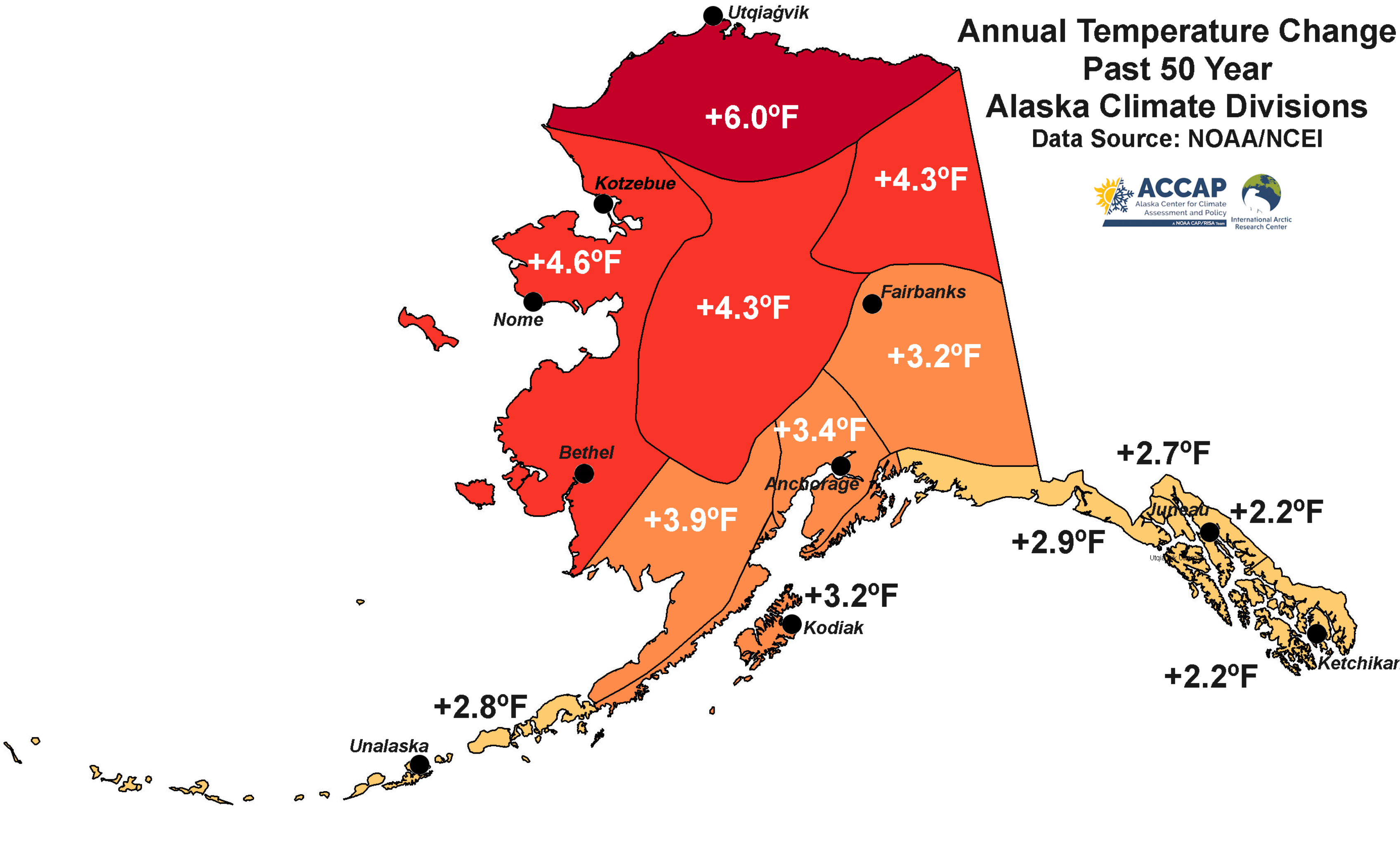
Despite its size and variability, a general characterization of Alaska’s temperature profile includes cooler, often mild, summers and exceptionally cold, prolonged winters, especially in the interior and northern regions. Coastal areas experience more moderate temperatures year-round due to oceanic influence, but even here, winters are cold, and summers are often cool and rainy rather than hot.
A Seasonal Guide to Alaska’s Temperatures
Traveling through Alaska requires an acute awareness of its seasons, as each brings its unique charm and climatic challenges.
Summer (June-August): The Warmest Months
Alaska’s summer is a coveted period for travelers, offering the warmest temperatures, long daylight hours, and the widest array of activities.
- Average Temperatures: During summer, average daytime temperatures range from 60°F (15°C) to 80°F (27°C) in the interior (like Fairbanks) and Southcentral Alaska (Anchorage). Coastal areas, such as Juneau in the Southeast, typically see milder averages between 55°F (13°C) and 65°F (18°C), often accompanied by more cloud cover and rain. Nighttime temperatures can drop significantly, especially in the interior, often dipping into the 40s°F (4-9°C).
- Daylight: Expect incredibly long days, with many areas experiencing nearly 24 hours of daylight in June and July, leading to the phenomenon of the “midnight sun.”
- Travel Implications: This is peak season for wildlife viewing, hiking, fishing, cruising the Inside Passage, and exploring national parks like Denali National Park. Layered clothing is crucial due to temperature fluctuations between day and night, and regional variations.
Autumn (September-October): Crisp Air and Changing Hues
Autumn brings a dramatic shift in Alaska’s landscape and climate, offering a quieter, yet equally stunning, travel experience.
- Average Temperatures: Temperatures begin to drop noticeably. Daytime averages typically range from 30°F (-1°C) to 50°F (10°C) across much of the state. Frost becomes common, and snow can begin to fall, especially in higher elevations and northern regions by late October.
- Daylight: Daylight hours shorten rapidly, creating beautiful sunrises and sunsets.
- Travel Implications: This season is ideal for witnessing vibrant fall foliage, especially in interior Alaska. Crowds thin out, and prices for accommodation and tours may decrease. Warm, waterproof clothing is essential, as rain and early snow showers become more frequent. Activities like hunting and northern lights viewing (as nights grow longer) become prominent.
Winter (November-March): The Realm of Ice and Snow
Alaska’s winter is legendary for its extreme cold and vast blankets of snow, transforming the landscape into a pristine, frozen wonderland.
- Average Temperatures: Winter temperatures vary wildly. Coastal regions like Anchorage might see averages from 10°F (-12°C) to 30°F (-1°C). However, the interior, particularly Fairbanks, routinely experiences temperatures below 0°F (-18°C), with stretches often dipping to -20°F (-29°C) to -40°F (-40°C), and even colder extremes possible. Arctic Alaska can be even more severe.
- Daylight: Short daylight hours are characteristic, with some northern areas experiencing weeks of continuous darkness.
- Travel Implications: Winter offers unique adventures like dog sledding, cross-country skiing, ice fishing, and unparalleled opportunities to view the Northern Lights. Extreme cold weather gear is mandatory, including multiple layers of insulated clothing, hats, gloves, and thermal boots. Many roads and some tour operations close down for the season.
Spring (April-May): Thawing and Rebirth
Spring in Alaska is a transitional period of thawing, increasing daylight, and the return of wildlife, but temperatures can still be quite cold.
- Average Temperatures: Daytime temperatures generally rise from the 20s°F (-7°C) to 40s°F (4°C), but can reach into the 50s°F (10°C) by late May in some areas. Nighttime temperatures often remain below freezing. The “breakup” season, where ice on rivers melts, can cause flooding.
- Daylight: Daylight hours increase rapidly, providing more time for outdoor activities.
- Travel Implications: This is a quieter shoulder season. It’s an excellent time for birdwatching as migratory species return. Some hiking trails may still be muddy or snow-covered. Layering remains key, with waterproof outer layers essential as snow melts and spring rains occur. Many tour operators begin to open their services later in May.
Regional Climates: From Coast to Tundra
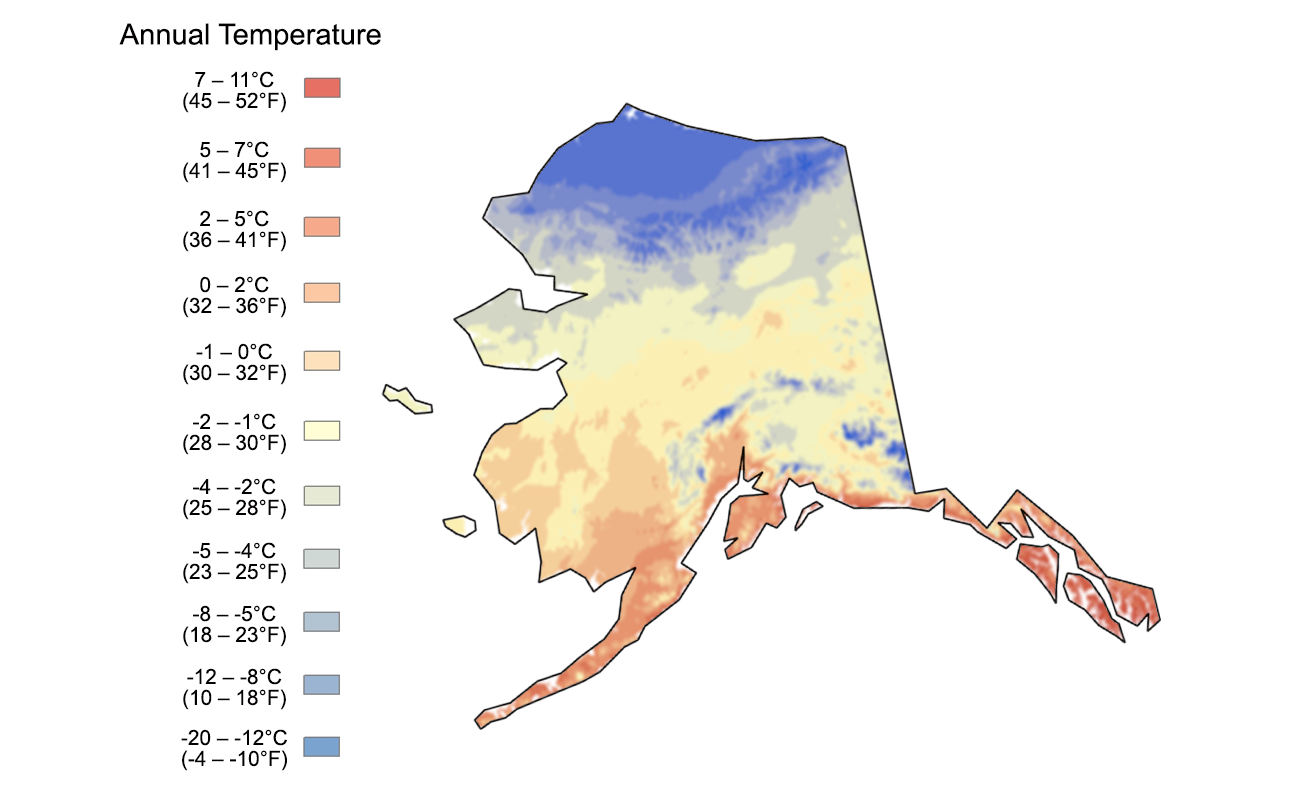
Alaska’s vastness means that climate conditions can be dramatically different from one region to another.
Southcentral Alaska: Anchorage and the Kenai Peninsula
This region, home to Alaska’s largest city, Anchorage, and popular destinations like the Kenai Peninsula, has a subarctic continental climate influenced by its proximity to the Gulf of Alaska.
- Summers: Mild, with average highs in the low 60s°F (16-18°C).
- Winters: Cold, with average highs in the 20s°F (-7 to -1°C) and lows often below 10°F (-12°C). Significant snowfall is common.
Interior Alaska: Fairbanks and Denali National Park
Characterized by extreme temperature swings due to its continental climate, far from oceanic moderation and blocked by mountains.
- Summers: Can be surprisingly warm, with daytime highs often reaching the 70s°F (21-26°C), sometimes even 80s°F (27-32°C).
- Winters: Brutally cold, with average highs often below 0°F (-18°C) and lows regularly plunging to -20°F (-29°C) to -40°F (-40°C), making it one of the coldest inhabited regions on Earth. Snowfall is relatively light and dry.
Southeast Alaska: Juneau and the Inside Passage
This panhandle region has a maritime climate, similar to the Pacific Northwest, characterized by high rainfall and moderate temperatures.
- Summers: Cool and often rainy, with average highs in the low to mid-60s°F (16-18°C).
- Winters: Mildest in the state, with average highs in the 30s°F (0-4°C) and lows in the 20s°F (-7 to -1°C). Rainfall (or snowfall at higher elevations) is abundant.
Southwest and Western Alaska: Bristol Bay and the Aleutian Islands
A largely coastal and island region, heavily influenced by the Bering Sea and Pacific Ocean. It experiences cool, damp weather with frequent strong winds.
- Summers: Cool, often foggy, with highs rarely exceeding 50s°F (10-15°C).
- Winters: Relatively mild for Alaska, with highs in the 20s°F (-7 to -1°C), but exceptionally windy and wet with frequent storms.
Arctic Alaska: Prudhoe Bay and Utqiagvik
The northernmost region of the state, situated within the Arctic Circle, experiences a polar climate.
- Summers: Very brief and cool, with average highs barely reaching the 40s°F (4-9°C). Snow can fall even in July.
- Winters: Extremely long and severe, with average highs consistently below 0°F (-18°C) and lows often reaching -30°F (-34°C) to -50°F (-46°C). The sun disappears for weeks or months.
Navigating Alaska’s Temperatures: Preparation and Planning
Given the dynamic nature of Alaska’s climate, thorough preparation is paramount for any visitor, regardless of the season.
Essential Packing for Any Season
The key to comfortable travel in Alaska is layering. Even in summer, evenings can be chilly, and weather can change rapidly.
- Base Layers: Moisture-wicking synthetics or merino wool to keep sweat away from your skin.
- Mid-Layers: Insulating fleece or down for warmth.
- Outer Layer: Waterproof and windproof shell jacket and pants to protect against rain, snow, and wind.
- Headwear, Gloves/Mittens, and Socks: Essential for retaining body heat, even in milder conditions. A warm hat is crucial.
- Footwear: Sturdy, waterproof hiking boots are a must. In winter, insulated boots rated for extreme cold are vital.
- Sun Protection: Even in cooler weather, the sun’s rays can be intense, especially with reflective snow. Pack sunscreen, sunglasses, and a wide-brimmed hat.
- Insect Repellent: Especially important in summer, when mosquitoes can be prolific.
Activities Suited to Different Temperatures
Understanding Alaska’s temperatures helps travelers choose activities that align with the season.
- Summer (June-August): Hiking, backpacking, wildlife cruises, fishing, kayaking, rafting, bear viewing, flightseeing over glaciers, exploring small towns and cities. The warmer temperatures allow for extended outdoor pursuits.
- Autumn (September-October): Fall foliage drives, photography, some hiking (especially early autumn), aurora borealis viewing, fishing (salmon runs can still be active), and hunting. The crisp, cooler air is invigorating.
- Winter (November-March): Dog sledding, cross-country skiing, downhill skiing, snowboarding, ice skating, snowmobiling, ice fishing, aurora borealis viewing, cultural festivals. These activities embrace the extreme cold and snow.
- Spring (April-May): Birdwatching, early season hiking (in accessible areas), exploring melting landscapes, some fishing. It’s a time of transition and early bloom.
Best Times to Visit for Specific Experiences
- For Warmest Weather & Longest Daylight: Late June to early July.
- For Wildlife Viewing (Bears, Salmon Runs): July to early September.
- For Fall Foliage: Mid-September to early October (Interior Alaska).
- For Northern Lights: Mid-September to April (clear, dark nights, especially in the Interior).
- For Winter Sports & Festivals: Mid-February to March.
In conclusion, “What is Alaska temperature?” is a complex question with a multitude of answers depending on when and where you ask. From the mild, rainy coasts to the intensely cold, dry interior, Alaska’s climate is a defining characteristic of its wild appeal. With thoughtful planning and appropriate gear, embracing these diverse temperatures becomes part of the adventure, allowing travelers to experience the full, magnificent spectrum of “The Last Frontier.”
LifeOutOfTheBox is a participant in the Amazon Services LLC Associates Program, an affiliate advertising program designed to provide a means for sites to earn advertising fees by advertising and linking to Amazon.com. Amazon, the Amazon logo, AmazonSupply, and the AmazonSupply logo are trademarks of Amazon.com, Inc. or its affiliates. As an Amazon Associate we earn affiliate commissions from qualifying purchases.