
For anyone planning a trip to the Sunshine State, understanding its geography is the first step towards an unforgettable travel experience. The question “Where is Dade County in Florida?” is a common one, often leading to the discovery of one of the state’s most dynamic and culturally rich regions: Miami-Dade County. This vibrant area in South Florida serves as a major international hub, a melting pot of cultures, and a gateway to unique natural wonders, making it an exceptional travel destination.
Unveiling Miami-Dade County: Florida’s Vibrant Gateway
To truly appreciate Miami-Dade County as a travel destination, one must first pinpoint its exact location and understand its historical evolution. This is not merely a geographical exercise but an introduction to the rich context that shapes its appeal to travelers worldwide.
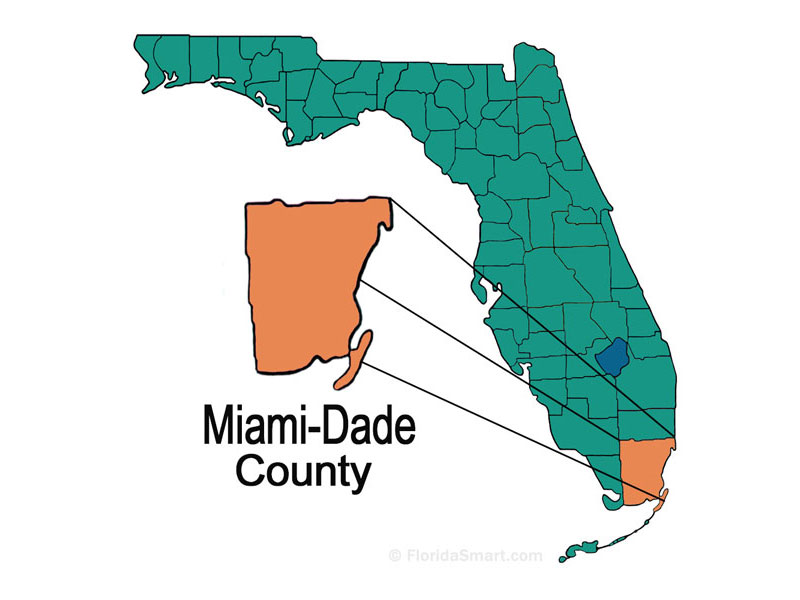
Pinpointing the Location
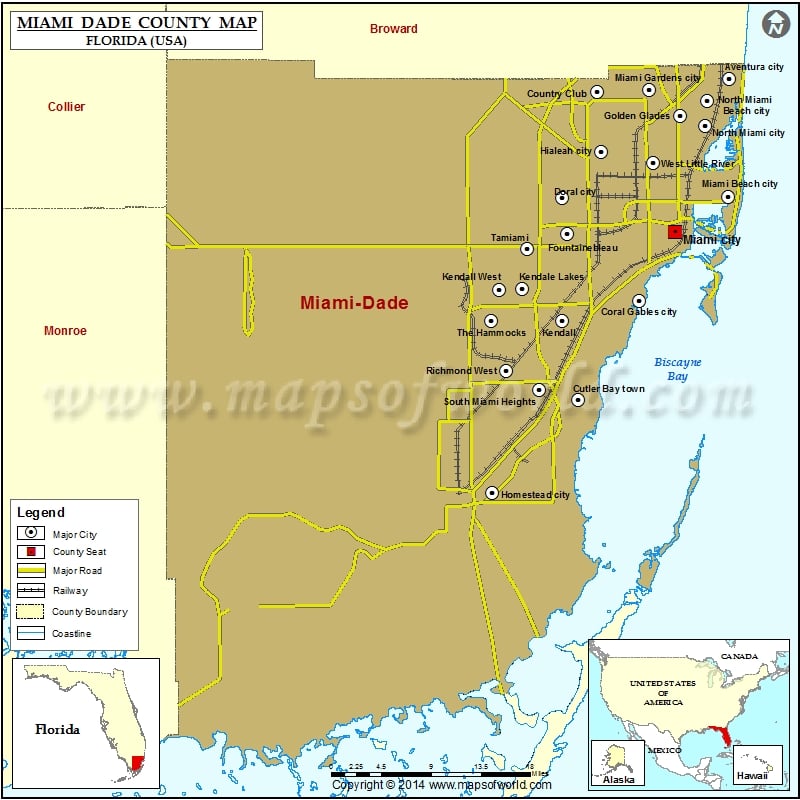
Miami-Dade County is strategically situated at the southeastern tip of the Florida peninsula. Its eastern border is famously lined by the Atlantic Ocean, offering miles of pristine coastline and warm waters. To its north, it borders Broward County, home to Fort Lauderdale, while to the south, it extends towards the Florida Keys, though it does not directly border Monroe County (the Florida Keys are mostly within Monroe County). To its west lies the vast expanse of the Everglades, a unique wetland ecosystem.
The county seat and largest city within this region is Miami, a city synonymous with glamour, art, and Latin American influence. Geographically, Miami-Dade County covers a significant area, characterized by flat terrain, numerous waterways, and a subtropical climate, which makes it an attractive year-round destination for travelers seeking warmth and sunshine. Its location also places it in a prime position for cruises departing from PortMiami and as a crucial entry point for international visitors via Miami International Airport.
A Legacy of Transformation
The name “Dade County” has historical roots dating back to its establishment on January 28, 1836, named in honor of Major Francis L. Dade, an army officer killed in the Second Seminole War. For many years, it encompassed a much larger territory, gradually being divided into smaller counties as Florida grew. The most significant transformation in its naming occurred on November 13, 1997, when the voters approved a change, officially renaming it Miami-Dade County. This change reflected the growing prominence of the city of Miami within the county and aimed to better market the region globally, leveraging Miami’s international recognition.
This legacy of transformation is crucial for travelers to understand because it underscores the region’s dynamic nature. From its early days as a frontier outpost to its current status as a bustling metropolis, Miami-Dade County has continually evolved, incorporating diverse populations and developing a unique identity that blends American, Latin American, and Caribbean influences. This historical evolution is palpable in its architecture, cuisine, music, and the overall welcoming atmosphere that greets visitors.
Miami-Dade’s Diverse Tapestry: A Traveler’s Paradise
Beyond its geographical location, Miami-Dade County is a tapestry woven with stunning natural beauty, iconic urban landscapes, and a vibrant array of attractions. It offers a spectrum of experiences, from sun-drenched beaches to immersive cultural districts, ensuring every traveler finds their niche.
Iconic Urban Landscapes and Beaches
The urban heart of Miami-Dade County is undeniably Miami and Miami Beach. Downtown Miami showcases a gleaming skyline of modern skyscrapers, home to financial powerhouses and luxury residences, while the adjacent Brickell neighborhood is a pedestrian-friendly district brimming with upscale shopping, dining, and nightlife. Travelers can explore museums, enjoy live performances at the Adrienne Arsht Center for the Performing Arts, or simply soak in the metropolitan energy.
Just across Biscayne Bay, Miami Beach beckons with its world-famous beaches, particularly South Beach. Here, the pastel-colored buildings of the Art Deco Historic District provide a stunning backdrop to leisurely strolls, sunbathing, and people-watching. The vibrant nightlife, high-end boutiques, and renowned restaurants make Miami Beach a magnet for both relaxation and excitement. Further south, Key Biscayne offers a more tranquil escape with its beautiful beaches and parks, including Crandon Park and Bill Baggs Cape Florida State Park, complete with a historic lighthouse.
Natural Wonders and Outdoor Adventures
Beyond the urban sprawl, Miami-Dade County is a gateway to unparalleled natural beauty. The western portion of the county extends into the Everglades National Park, a UNESCO World Heritage site and an International Biosphere Reserve. Travelers can embark on airboat tours, ranger-led walks, or kayak trips to observe alligators, various bird species, and other unique wildlife in their natural habitat. This vast wetland offers a striking contrast to the coastal glamour, providing an opportunity for eco-tourism and adventure.
To the east, stretching along the Atlantic coast, is Biscayne National Park, protecting Biscayne Bay and its offshore barrier reefs. Predominantly a water-based park, it’s ideal for snorkeling, scuba diving, boating, and fishing. Visitors can explore vibrant coral reefs, shipwrecks, and mangrove forests, discovering a rich underwater ecosystem just a short drive from the city. Combined with numerous county parks and preserves, Miami-Dade County offers endless opportunities for outdoor enthusiasts.
Cultural Riches and Culinary Delights
One of the most compelling reasons to travel to Miami-Dade County is its profound cultural diversity, which permeates every aspect of life, from its art scenes to its world-class culinary offerings.
A Melting Pot of Cultures
Miami-Dade County is a true “melting pot,” where Cuban, Haitian, Colombian, Venezuelan, and other Latin American and Caribbean cultures blend seamlessly with American traditions. This multiculturalism is vividly expressed in neighborhoods like Little Havana, where Calle Ocho buzzes with Cuban rhythms, cigar factories, and authentic cafeterias. Visitors can sip Cuban coffee, watch dominoes being played, and immerse themselves in the vibrant energy of this iconic district.
Art and design thrive in Miami-Dade County. The Wynwood Walls in the Wynwood Arts District transformed a warehouse district into an outdoor museum of vibrant street art and murals. Nearby, the Design District showcases high-end fashion, art galleries, and innovative architecture. Throughout the year, numerous cultural festivals, art fairs like Art Basel Miami Beach, and music events celebrate this rich diversity, offering travelers endless opportunities for cultural engagement.
A Global Culinary Scene
The culinary landscape of Miami-Dade County is as diverse as its population. From Michelin-starred restaurants to casual food trucks, the region offers an extraordinary gastronomic journey. Latin American influences are dominant, with authentic Cuban, Peruvian, Colombian, and Mexican cuisines readily available. Fresh seafood is a staple, benefiting from the county’s coastal location, with stone crab and Florida lobster being seasonal highlights.
Travelers can indulge in sophisticated dining experiences in South Beach or Brickell, discover hidden gems in Coral Gables or Coconut Grove, or savor casual bites from local eateries. Food tours are popular, allowing visitors to sample a variety of dishes and learn about the cultural stories behind them. The blend of traditional flavors with innovative culinary techniques ensures that every meal is an adventure.
Planning Your Miami-Dade Expedition
A successful trip to Miami-Dade County requires thoughtful planning, especially concerning transportation and timing, to maximize your travel experience.
Getting There and Getting Around
Accessing Miami-Dade County is convenient, primarily through Miami International Airport (MIA), a major international hub with extensive domestic and international connections. For cruise enthusiasts, PortMiami is one of the busiest cruise ports in the world, serving as a departure point for numerous Caribbean voyages. Travelers can also arrive via the Brightline high-speed rail service, connecting Miami with Fort Lauderdale and West Palm Beach.
Once in Miami-Dade County, navigating the area can be done in several ways. While a car rental offers the most flexibility for exploring diverse attractions, particularly those further afield like the Everglades, public transportation options are available. The Metromover is a free automated people mover system operating within Downtown Miami, connecting major attractions, while the Metrobus system covers a wider area. Ride-sharing services are also prevalent and convenient. For exploring Miami Beach, walking, biking, or using local trolley services are excellent options.
Best Times to Visit and Travel Tips
The best time to visit Miami-Dade County for pleasant weather is typically from November to May, when temperatures are mild, humidity is lower, and rainfall is minimal. This period coincides with peak tourist season, meaning higher prices and larger crowds. Summers (June to October) are hot, humid, and prone to afternoon thunderstorms and the occasional hurricane threat, but also offer lower prices and fewer crowds.
Travelers should pack light, breathable clothing, swimwear, and comfortable walking shoes. Sun protection, including hats, sunglasses, and high-SPF sunscreen, is essential year-round. Given its vibrant nightlife and upscale dining, packing a few dressier outfits is also advisable. Stay hydrated, especially when exploring outdoors, and be aware of your surroundings, particularly in crowded tourist areas. Booking accommodations and popular tours in advance, especially during peak season, is highly recommended to ensure availability and potentially better rates.
Beyond the Hype: Discovering Local Gems
While Miami-Dade County boasts world-renowned attractions, some of its most enchanting experiences lie in discovering its lesser-known spots and engaging with local life.
Lesser-Known Attractions
Beyond South Beach and Wynwood, Miami-Dade County offers a wealth of unique attractions. The Fairchild Tropical Botanic Garden in Coral Gables is a lush oasis showcasing rare tropical plants, flowers, and trees. The historic Vizcaya Museum & Gardens, an opulent European-inspired estate built by industrialist James Deering, offers a glimpse into Miami’s Gilded Age with stunning architecture and breathtaking gardens overlooking Biscayne Bay.
Explore the charming streets of Coconut Grove, Miami’s oldest continuously inhabited neighborhood, known for its bohemian vibe, independent boutiques, and waterfront dining. Or venture to the Deering Estate, a historic site and environmental preserve that offers diverse ecosystems, natural habitats, and historical buildings. These sites provide a deeper understanding of the region’s history, ecology, and natural beauty away from the main tourist arteries.

Engaging with the Community
To truly experience Miami-Dade County, travelers should seek opportunities to connect with its local community. Visit farmers’ markets, like the Adrienne Arsht Center Farmer’s Market or the Lincoln Road Farmer’s Market, to sample local produce and artisanal goods. Support small businesses in neighborhoods like Little Havana or Coconut Grove, and engage with local artists and creators.
Attending local festivals, community events, or even a local high school sports game can provide an authentic insight into the rhythm of life in Miami-Dade County. These interactions enrich the travel experience, moving beyond superficial sightseeing to foster a genuine appreciation for the diverse people and vibrant culture that define this exceptional Florida destination.
In conclusion, “Where is Dade County in Florida?” leads directly to the discovery of Miami-Dade County – a premier travel destination that promises an unparalleled blend of urban sophistication, natural wonders, and a rich tapestry of cultural experiences. Its strategic location, historical depth, and diverse offerings make it a compelling choice for any traveler exploring Florida.
LifeOutOfTheBox is a participant in the Amazon Services LLC Associates Program, an affiliate advertising program designed to provide a means for sites to earn advertising fees by advertising and linking to Amazon.com. Amazon, the Amazon logo, AmazonSupply, and the AmazonSupply logo are trademarks of Amazon.com, Inc. or its affiliates. As an Amazon Associate we earn affiliate commissions from qualifying purchases.