
In the intricate landscape of divorce proceedings, understanding financial obligations is paramount. Alimony, also known as spousal support, represents a critical component of many divorce settlements in California. It is a court-ordered payment from one spouse to the other, designed to provide financial assistance after a marriage ends. This system aims to ensure that neither party is left in a significantly disadvantaged financial position due to the dissolution of the marriage, particularly when one spouse has historically relied on the other for financial support or has sacrificed career opportunities to support the family.
The concept of alimony is not merely about redistribution of wealth; it is rooted in principles of fairness and equity, recognizing the contributions each spouse made to the marital partnership, whether financial or non-financial. In California, the law is nuanced, and the determination of alimony involves a careful evaluation of numerous factors. This article delves into the core aspects of alimony in California, exploring its types, the factors influencing its award, duration, modification, and termination.
Types of Alimony in California
California law recognizes several types of spousal support, each serving a distinct purpose and having a specific timeframe. The type of support awarded depends on the length of the marriage and the circumstances of the parties involved.
Temporary Spousal Support
Temporary spousal support is awarded during the pendency of a divorce case, from the time the divorce is filed until a final judgment is entered. The primary purpose of temporary support is to maintain the status quo for both spouses during the legal proceedings. This means ensuring that the supported spouse can meet their basic needs and maintain a lifestyle similar to what they enjoyed during the marriage, while also contributing to the marital standard of living for the supporting spouse.
The court typically calculates temporary support based on the parties’ incomes and expenses. The goal is to provide immediate financial relief and prevent undue hardship while the divorce is being finalized. This form of support is often determined through a formula, though judges have discretion to consider various factors. Unlike permanent support, temporary support is not intended to provide long-term financial stability but rather to bridge the gap until a final decision is reached.
Rehabilitative Spousal Support
Rehabilitative spousal support is designed to help a spouse become self-supporting. This type of support is awarded when one spouse has a deficit in earning capacity due to a period of unemployment or underemployment during the marriage, often to raise children or support the other spouse’s career. The purpose is to provide financial assistance while the supported spouse pursues education, training, or other vocational programs to enhance their earning potential.
The duration of rehabilitative support is typically limited to the time needed for the recipient to acquire the skills and employment necessary to achieve self-sufficiency. The court will consider factors such as the length of the marriage, the supported spouse’s age and health, and the availability of educational or training opportunities. Successful completion of a rehabilitation plan can lead to the termination of this support.
Permanent Spousal Support
Permanent spousal support, often referred to as long-term spousal support, is awarded in marriages of long duration and is intended to provide ongoing financial assistance to a spouse after the divorce is finalized. The term “permanent” does not necessarily mean forever, but rather that it continues indefinitely or for a significant period, often until a specific event occurs, such as the death of a spouse, remarriage of the recipient, or a significant change in circumstances.
The court considers a wide range of factors when determining whether to award permanent support and the amount and duration. These factors are designed to ensure fairness and equity, reflecting the contributions made by each spouse to the marriage and their respective financial needs and capacities. The intention is to ensure that the standard of living established during the marriage is maintained as equitably as possible for both parties.
Reimbursement Spousal Support
Reimbursement spousal support is less common and is typically awarded to compensate a spouse for financial contributions made during the marriage that benefited the other spouse’s career or education. For example, if one spouse supported the other through medical school or a lengthy professional training program, they might be entitled to reimbursement for their contributions. This form of support aims to recognize and repay sacrifices made for the advancement of the other spouse’s career.
Factors Influencing Alimony Awards in California
In California, courts do not award alimony arbitrarily. A complex set of statutory factors guides judges in making these decisions. These factors are meticulously considered to ensure fairness and equity in each unique divorce case.
Length of the Marriage
The duration of the marriage is a significant factor. Generally, longer marriages are more likely to result in longer-term or permanent spousal support awards. For marriages lasting 10 years or longer, support is often considered “long-term,” and courts are more inclined to award support that continues for an extended period. For shorter marriages, support is typically rehabilitative and for a shorter duration.
Standard of Living During the Marriage
The court strives to maintain the standard of living that the parties enjoyed during the marriage, to the extent that it is possible and equitable. This involves considering the couple’s lifestyle, including housing, travel, entertainment, and other expenses. The goal is to prevent one spouse from experiencing a drastic decline in their quality of life solely because of the divorce.
Age and Health of Both Parties
The age and physical and emotional health of each spouse are crucial considerations. A spouse who is older or has health issues may have greater difficulty becoming self-supporting or maintaining employment, which can influence the court’s decision regarding the amount and duration of alimony.
Earning Capacity and Education of Both Parties
The court assesses the earning capacity of each spouse, taking into account their education, skills, job market availability, and any time spent out of the workforce due to domestic responsibilities. If one spouse sacrificed their career to raise children or support the other’s career, their earning capacity may be lower, and they may be awarded alimony to compensate for this disparity.
Contribution to the Marriage
This factor includes both financial and non-financial contributions. A spouse who stayed home to raise children, managed the household, or supported the other spouse’s education or career development is considered to have made significant contributions, even if those contributions were not monetary. These contributions are valued and factored into the alimony determination.
Ability of the Supporting Spouse to Pay
The financial resources of the spouse who is expected to pay alimony are a critical consideration. The court will examine their income, assets, debts, and reasonable living expenses to determine their capacity to provide support without undue hardship.
Needs of Each Party
The court evaluates the financial needs of both spouses. This includes their essential living expenses, such as housing, food, healthcare, and transportation. The determination of needs is balanced against the ability to meet those needs through one’s own income and assets.
Dissipation of Assets
If one spouse has wasted or spent marital assets irresponsibly (dissipation), the court may consider this when determining alimony. For example, if a spouse spent a significant amount of money on gambling or extramarital affairs, it could impact the alimony award.
History of Domestic Violence
In California, courts may consider a history of domestic violence when determining spousal support. If domestic violence has occurred, it can influence the amount and duration of support awarded, potentially to protect the victim from further financial control or abuse.
Duration of Alimony
The duration of spousal support in California is not fixed and is determined on a case-by-case basis. The guiding principle is to provide support for a period that allows the supported spouse to become self-sufficient.
Presumption of Equal Duration
For marriages of short duration (generally less than 10 years), there is a presumption that spousal support should not exceed one-half the length of the marriage. For example, in a 4-year marriage, support might be ordered for a maximum of 2 years.
Long-Term Marriages
In marriages of long duration (10 years or more), there is no statutory limit on the duration of spousal support. However, the court’s goal remains to foster self-sufficiency. While support may be ordered “indefinitely,” it is often subject to modification or termination upon certain events or changed circumstances. The court may order support to continue until a specific future event, such as the supported spouse reaching retirement age or the supporting spouse reaching a certain age.
Termination Events
Spousal support typically terminates upon the death of either party or the remarriage of the supported spouse. The court may also specify other events that trigger termination, such as the supported spouse cohabiting with another person in a marriage-like relationship.
Modification and Termination of Alimony
Alimony awards are not always set in stone. Circumstances can change, necessitating adjustments to existing support orders.
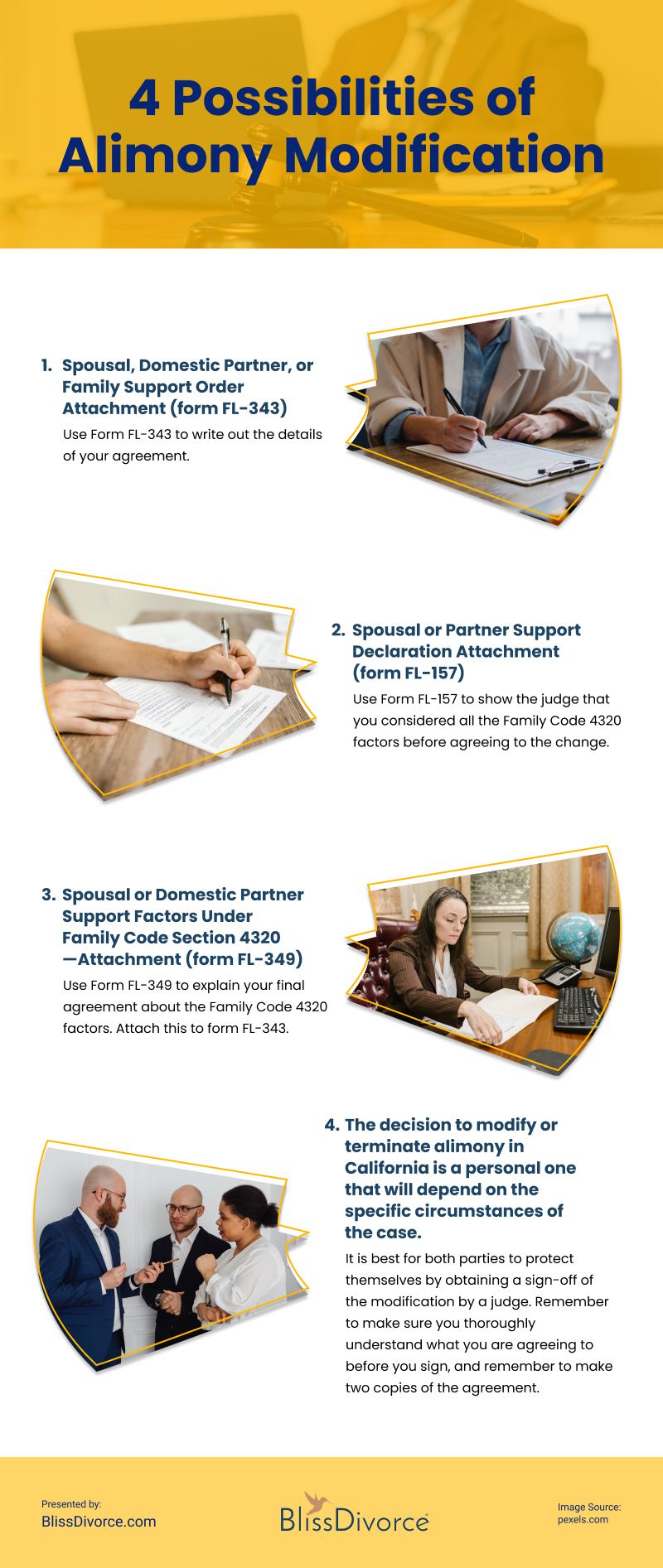
Modification of Support Orders
Either party can request a modification of a spousal support order if there has been a significant change in circumstances since the original order was made. Common reasons for modification include:
- Job Loss or Significant Income Change: If the supporting spouse loses their job, experiences a substantial reduction in income, or the supported spouse gains significant employment or income.
- Retirement: The retirement of the supporting spouse can be grounds for modification, especially if it results in a significant decrease in their income.
- Change in Needs: A substantial increase or decrease in the needs of either party, such as significant medical expenses.
- Remarriage or Cohabitation: The remarriage of the supported spouse automatically terminates support. Cohabitation with a new partner in a marriage-like relationship may also lead to termination or modification.

Termination of Support
As mentioned, support typically terminates upon the death of either party or the remarriage of the supported spouse. Courts may also terminate support if the supported spouse is found to be cohabiting with another person in a marriage-like relationship and the supporting spouse can demonstrate that the cohabitation has relieved the supported spouse of their need for support. The burden of proof is on the supporting spouse to show such a change in circumstances.
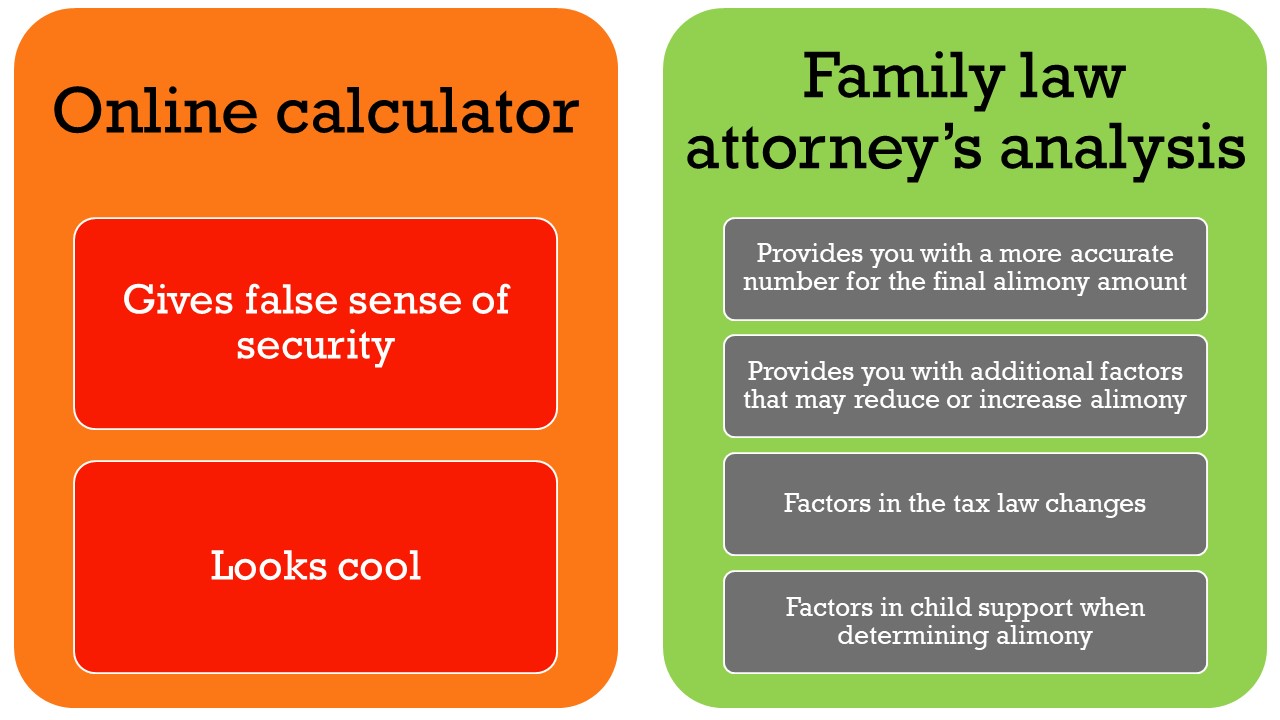
Navigating the complexities of alimony in California requires careful consideration of legal statutes, judicial precedent, and individual circumstances. The process is designed to achieve a fair and equitable outcome, balancing the needs of both parties and recognizing their contributions to the marital partnership. Consulting with an experienced family law attorney is essential to understand one’s rights and obligations regarding spousal support in this jurisdiction.
LifeOutOfTheBox is a participant in the Amazon Services LLC Associates Program, an affiliate advertising program designed to provide a means for sites to earn advertising fees by advertising and linking to Amazon.com. Amazon, the Amazon logo, AmazonSupply, and the AmazonSupply logo are trademarks of Amazon.com, Inc. or its affiliates. As an Amazon Associate we earn affiliate commissions from qualifying purchases.