
While the title “What Is An LLC In Texas?” might initially conjure images of dusty ranches, sprawling cities like Dallas or Houston, and the unique Texan lifestyle, its meaning extends far beyond the readily apparent. For those venturing into the Lone Star State for business or leisure, understanding the fundamental structures that govern commerce can be surprisingly relevant. Imagine planning a dream vacation to the Texas Hill Country, seeking out charming bed and breakfasts in Fredericksburg, or perhaps embarking on a culinary tour of Austin’s vibrant food scene. Behind the seamless booking of a luxury suite at the Four Seasons Hotel or a budget-friendly apartment rental, there’s a legal framework at play. This framework often involves entities like Limited Liability Companies, or LLCs.

This article will demystify the concept of an LLC in Texas, exploring what it is, why it’s a popular choice for businesses, and how it indirectly impacts the travel and tourism landscape that makes Texas such a compelling destination. We’ll delve into the practicalities, offering insights that are as useful to a prospective entrepreneur looking to open a boutique hotel in Galveston as they are to a traveler seeking authentic local experiences.
Understanding the Core Concept: What Exactly is an LLC?
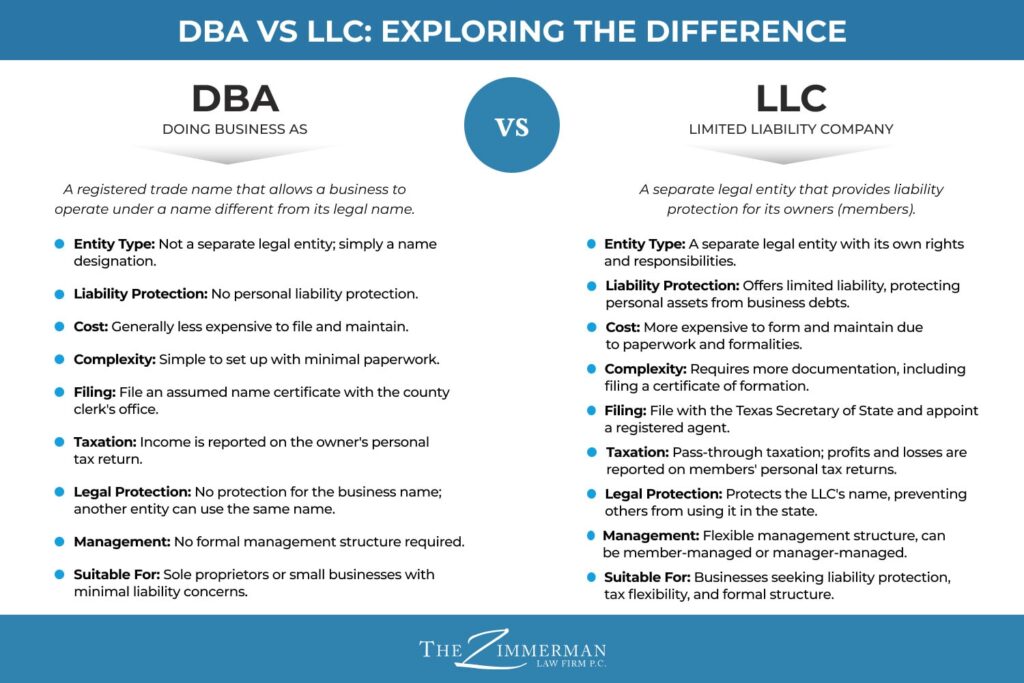
At its heart, a Limited Liability Company (LLC) is a business structure that blends the pass-through taxation of a partnership or sole proprietorship with the limited liability of a corporation. This hybrid nature makes it an attractive option for a wide range of businesses, from small startups to established enterprises. In Texas, as in other states, forming an LLC provides a distinct legal identity separate from its owners, known as members.
The Pillars of an LLC: Limited Liability and Pass-Through Taxation
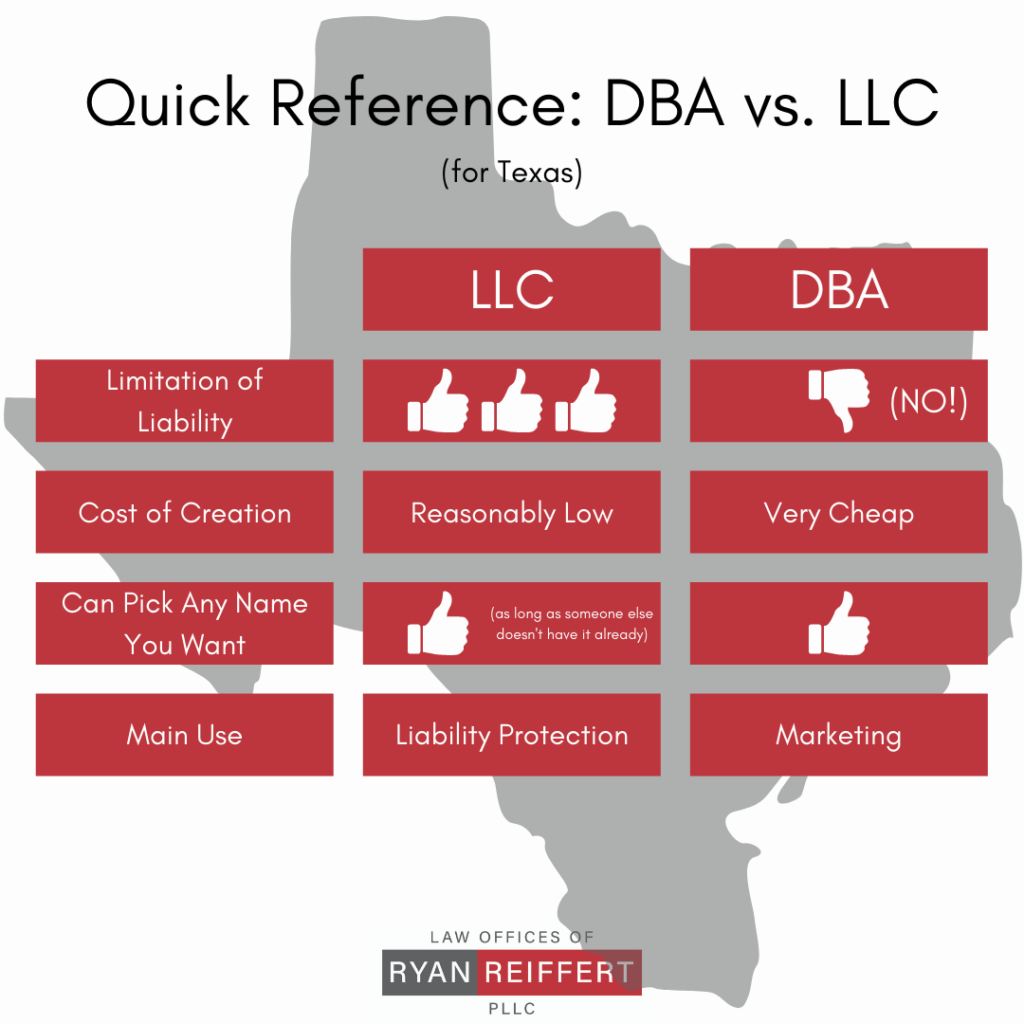
The most significant advantage of an LLC is its limited liability. This means that the personal assets of the LLC’s members are generally protected from business debts and lawsuits. If the business incurs significant debt or faces litigation, creditors or plaintiffs can typically only pursue the assets of the LLC itself, not the personal bank accounts, homes, or vehicles of the owners. This separation is crucial for business owners, offering a vital layer of financial security. For instance, a tour operator in San Antonio offering guided historical walks through the Alamo would benefit from this protection, shielding their personal investments from potential liabilities arising from their operations.
Secondly, LLCs benefit from pass-through taxation. Unlike traditional corporations, which are taxed on their profits and then again when those profits are distributed to shareholders (a phenomenon known as “double taxation”), the profits and losses of an LLC are “passed through” directly to the members. These are then reported on the members’ individual income tax returns. This can significantly simplify tax obligations and potentially reduce the overall tax burden. For a small, family-run vineyard in the Texas Hill Country that also offers tasting room experiences, this structure can be particularly advantageous, avoiding the complexities and costs associated with corporate tax structures.
Formation and Operational Considerations in Texas
Forming an LLC in Texas is a relatively straightforward process, governed by the Texas Business Organizations Code. The primary step involves filing a Certificate of Formation with the Texas Secretary of State. This document outlines essential information about the LLC, including its name, registered agent, and principal office.
The LLC’s name must be unique and distinguishable from other registered business entities in Texas. It must also include a designator indicating its LLC status, such as “LLC” or “Limited Liability Company.” Choosing a name that is memorable and reflects the business’s brand is key, especially for businesses in the hospitality or tourism sector where brand recognition is paramount. For a new boutique hotel in Austin, a well-chosen name and an LLC structure can lay a strong foundation.
Another critical element is the registered agent. This is an individual or a company designated to receive official legal and tax documents on behalf of the LLC. The registered agent must have a physical street address in Texas and be available during normal business hours. This ensures that the LLC can be properly served with legal notices, a vital component of maintaining legal compliance.
While not always legally required, most LLCs in Texas adopt an Operating Agreement. This internal document outlines the ownership structure, member responsibilities, profit and loss distribution, and management procedures. A well-drafted Operating Agreement is essential for preventing future disputes among members and provides a clear roadmap for the company’s operations. For a shared vacation rental property management company operating across multiple cities like San Antonio and Houston, an Operating Agreement would be indispensable for defining roles and financial arrangements.
The Intersection of LLCs and the Travel & Tourism Industry in Texas
The structure of an LLC is particularly well-suited to businesses operating within the dynamic travel and tourism sector. From independent boutique hotels to adventure tour operators and local experience providers, many entities that shape a traveler’s experience in Texas are likely structured as LLCs.
Enabling Entrepreneurship in Hospitality and Experiences
Consider the burgeoning market for unique accommodations and local tours. An individual might have a passion for showcasing the natural beauty of Big Bend National Park through guided hiking expeditions, or they might want to open a charming bed and breakfast near a historic landmark like the San Jacinto Monument. Forming an LLC provides them with the legal and financial framework to do so with reduced personal risk.
- Boutique Hotels and Vacation Rentals: Many owners of smaller, independent hotels or managers of multiple vacation rental properties utilize the LLC structure. This allows them to protect their personal real estate assets from potential liabilities associated with guest stays. For example, a family managing several Airbnb properties in Austin’s vibrant South Congress district would likely operate them under an LLC. This shields their personal homes and other investments from any accidents or disputes that might arise with renters.
- Tour Operators and Adventure Companies: Businesses offering guided tours, from historical walking tours in San Antonio to outdoor adventures in the Texas Hill Country, also benefit immensely from LLC status. This structure safeguards the owners’ personal finances if an unforeseen incident occurs during an excursion. A company organizing stargazing tours near the McDonald Observatory would find this protection invaluable.
- Local Event Organizers and Experience Providers: From food festivals to cultural events that draw tourists, organizers often operate as LLCs. This structure helps them manage the financial risks associated with large-scale events, from vendor contracts to public liability. For instance, an LLC might be established to run a popular music festival in Austin, protecting the personal assets of the promoters.
Facilitating Investment and Growth
The LLC structure can also make it easier for businesses in the tourism sector to attract investment or secure loans. The clear separation of business and personal assets, coupled with a defined operational framework, can instill confidence in potential investors or lenders. This is particularly true for expanding businesses, such as a chain of boutique hotels aiming to acquire new properties in different Texas cities or a popular restaurant looking to open a second location in a different part of Houston. The limited liability aspect reassures investors that their capital is primarily at risk, not the personal wealth of the business owners.
Navigating the Texas Landscape: What Travelers Might Encounter
While travelers themselves don’t directly form LLCs, the prevalence of this business structure in Texas indirectly shapes their experiences. The businesses that provide accommodation, dining, and entertainment are often LLCs, operating under the protections and operational guidelines this structure affords.
Supporting Local Economies and Authentic Experiences
Many of the charming, locally-owned establishments that offer authentic Texan experiences are likely LLCs. These businesses, whether a small art gallery in Marfa, a family-run barbecue joint in Lockhart, or a vineyard offering wine tastings in the Texas Hill Country, rely on structures like LLCs to remain competitive and sustainable. The ability to protect personal assets allows entrepreneurs to invest their capital and time into creating unique offerings that enrich the travel experience.
Imagine booking a stay at a beautifully restored historic inn in Nacogdoches, or taking a cooking class focused on traditional Texan cuisine in San Antonio. The individuals behind these ventures have likely chosen the LLC structure to safeguard their businesses and personal finances, enabling them to focus on providing exceptional customer service and memorable experiences.
The Role of LLCs in Larger Hospitality Chains
Even larger hotel groups and resort operators might utilize LLCs for specific properties or business divisions. For example, a national hotel brand like Marriott or Hilton might operate their individual Texas hotels as separate LLCs. This can be a strategy for managing financial risk and operational accountability at a localized level, even within a larger corporate structure. The guest staying at the Hyatt Regency Houston, for instance, is patronizing an entity that is likely part of a complex business structure, which may include LLCs.
In essence, while the technicalities of LLC formation and operation might seem distant from the average traveler’s concerns, understanding their prevalence in Texas offers a glimpse into the backbone of the businesses that bring the state’s vibrant tourism and lifestyle offerings to life. From the grand resorts to the smallest independent operators, LLCs play a crucial role in fostering entrepreneurship, ensuring financial stability, and ultimately, shaping the memorable experiences that draw visitors to the Lone Star State.
LifeOutOfTheBox is a participant in the Amazon Services LLC Associates Program, an affiliate advertising program designed to provide a means for sites to earn advertising fees by advertising and linking to Amazon.com. Amazon, the Amazon logo, AmazonSupply, and the AmazonSupply logo are trademarks of Amazon.com, Inc. or its affiliates. As an Amazon Associate we earn affiliate commissions from qualifying purchases.