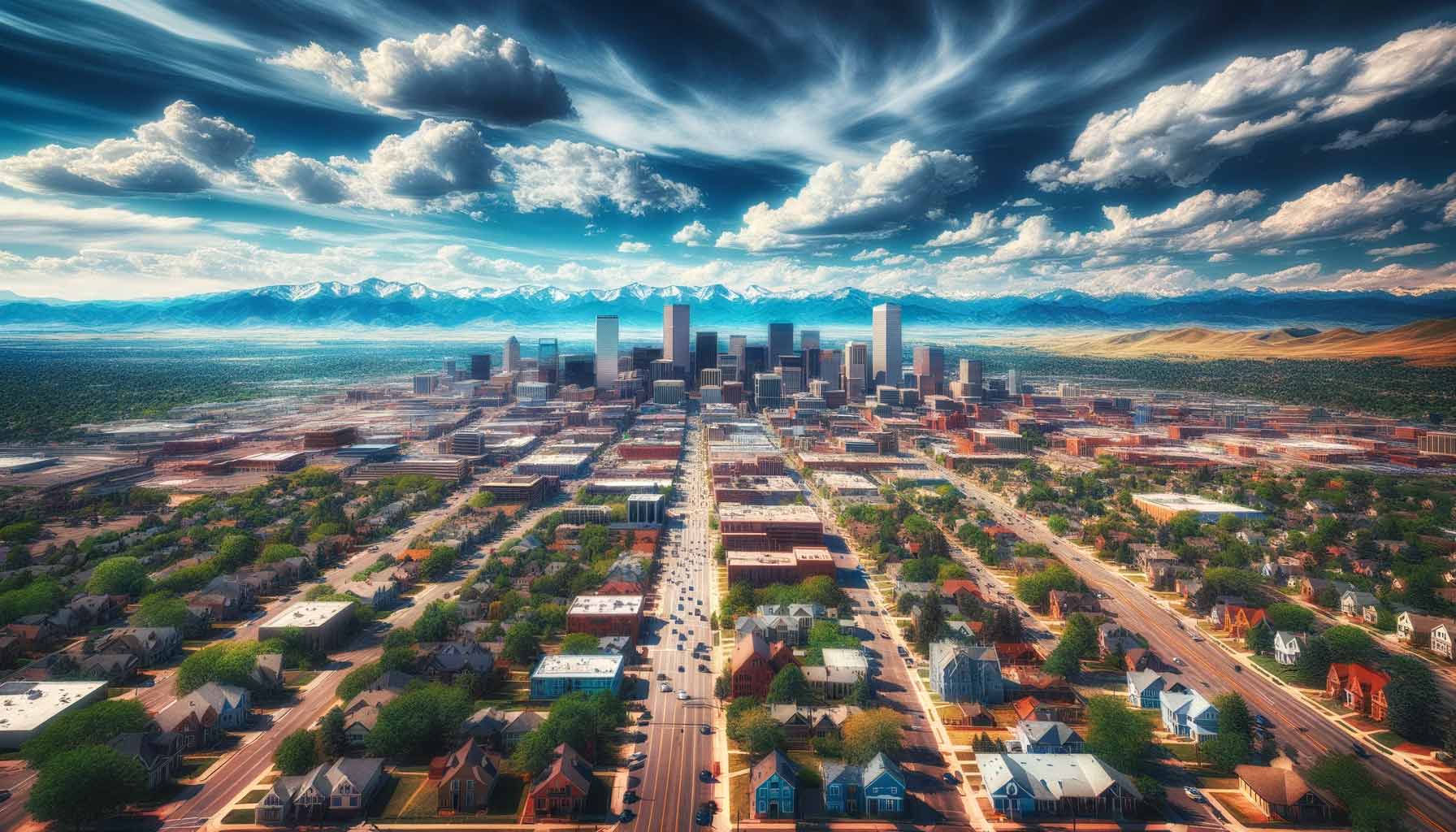
Denver, the vibrant capital of Colorado, holds a unique distinction that significantly shapes its identity and the experience of its visitors: its elevation. Affectionately known as the “Mile-High City,” this moniker isn’t just a catchy slogan; it’s a geographical reality that defines much of what makes Denver a compelling travel destination. From its stunning panoramic views of the Rocky Mountains to the crisp, thin air that invigorates but also requires adjustment, understanding Denver’s elevation is fundamental to planning an enjoyable and healthy trip. For any traveler contemplating a visit, knowing precisely what this elevation entails is the first step toward unlocking the city’s full potential.
The Mile-High City: An Introduction to Denver’s Unique Altitude
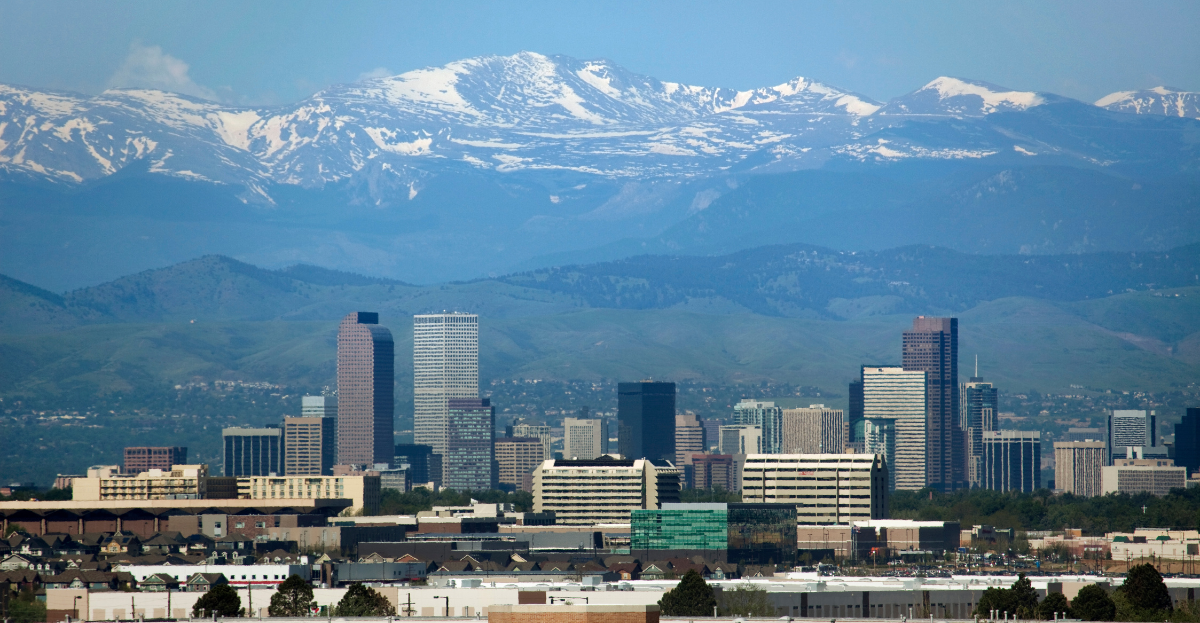
The nickname “Mile-High City” is a direct reference to Denver’s significant altitude above sea level. This geographical characteristic is not merely a fun fact but a defining feature that influences everything from the local climate and outdoor activities to the pace of life and even the architecture. For centuries, the high plains and mountainous backdrop have shaped human settlement in this region, eventually leading to the establishment of one of America’s most dynamic urban centers. Travelers arrive in Denver not just for its culture or attractions, but often for the very essence of its elevated existence, seeking adventure in the mountains or simply enjoying the unique atmosphere of a city perched high above the rest.
The Exact Elevation: Unpacking the “Mile-High” Moniker
While “Mile-High” is widely used, it’s important to understand the precise figures behind the nickname. The official elevation of Denver is often cited as exactly one mile, or 5,280 feet (approximately 1,609 meters), above sea level. This measurement is famously marked on the 13th step of the Colorado State Capitol Building, making it a popular photo opportunity for tourists. However, because Denver is a large city with varying topography, its elevation isn’t uniform across all areas. Some parts of the city are slightly lower, while others, particularly those closer to the foothills of the Rocky Mountains, can be higher. The average elevation, though, holds true to its “mile-high” claim, making it one of the highest major cities in the United States. This distinct altitude sets the stage for a unique travel experience, impacting how visitors should prepare for their journey and what they can expect upon arrival.
Geographical Context: Where Denver Sits on the Map
[Denver]’s elevated status is a direct result of its geographical location at the western edge of the High Plains, where the Great Plains meet the foothills of the [Rocky Mountains]. This strategic position offers unparalleled access to some of the nation’s most breathtaking natural landscapes. To the east, the plains stretch out, while to the west, the majestic peaks rise dramatically, forming a stunning natural backdrop that is visible from almost anywhere in the city. The South Platte River flows through [Denver], adding another layer to its geographical appeal and providing recreational opportunities. This unique confluence of urban development and natural grandeur makes [Denver] a prime destination for travelers interested in both city life and outdoor adventure. Its proximity to world-class ski resorts like Vail and Aspen, as well as national parks and wilderness areas, solidifies its reputation as a gateway to the American West.Implications of Denver’s High Elevation for Travelers
Traveling to a high-altitude destination like [Denver] presents specific considerations that can significantly impact a visitor’s comfort and health. The reduced atmospheric pressure and lower oxygen levels at 5,280 feet can affect individuals differently, especially those accustomed to sea-level living. Being aware of these implications and taking proactive steps can ensure that your trip remains enjoyable and free from discomfort, allowing you to fully immerse yourself in all that the Mile-High City has to offer. Ignoring these factors can lead to an unpleasant start to your vacation, so preparation is key.
Altitude Sickness: Symptoms and Prevention Tips
Altitude sickness, or acute mountain sickness (AMS), is a common concern for travelers ascending quickly to high elevations. Symptoms can range from mild to severe and include headaches, nausea, dizziness, fatigue, and shortness of breath. While most cases in [Denver] are mild, it’s crucial to be aware. To prevent altitude sickness, the most important advice is to hydrate generously (water is your best friend), avoid alcohol and excessive caffeine during your first 24-48 hours, and take it easy. Don’t plan strenuous activities immediately after arrival. Give your body time to acclimatize. Many visitors feel the effects, even if subtly, within a few hours of landing at Denver International Airport. Resting, eating light meals, and getting enough sleep are all vital components of a smooth acclimatization process. If symptoms worsen, seek medical attention.
Hydration and Sun Protection: Essential High-Altitude Practices
At high altitudes, the air is not only thinner but also much drier. This dryness, combined with increased respiration, leads to faster dehydration. Therefore, consistent hydration is paramount. Carry a reusable water bottle and sip frequently throughout the day, even if you don’t feel thirsty. You’ll likely need to drink more water than you typically would at lower elevations. Furthermore, the thinner atmosphere means less protection from the sun’s ultraviolet (UV) rays. The sun in [Denver] can be surprisingly intense, even on cloudy days or in winter. Travelers should always apply high-SPF sunscreen, wear sunglasses, and consider a wide-brimmed hat when spending extended time outdoors. The combination of dry air and strong sun can also lead to chapped lips, so lip balm with SPF is a wise addition to your travel kit.
Physical Activities: Adjusting to the Thin Air
For active travelers, [Denver]’s elevation requires a mindful approach to physical exertion. Activities that might be routine at sea level, such as jogging, hiking, or even walking up a few flights of stairs, can feel significantly more strenuous in the thin air. Oxygen levels are about 17% lower than at sea level. It’s advisable to start slowly and gradually increase the intensity of your activities as your body adjusts. Listen to your body and don’t push yourself too hard, especially in the first few days. Even simple walks through downtown or a visit to a museum might leave you feeling winded initially. If you plan to engage in more rigorous pursuits like hiking in the nearby [Rocky Mountains], give yourself at least 2-3 days to acclimate in [Denver] first, and carry plenty of water and snacks. The city’s many parks, such as Confluence Park or Washington Park, offer excellent opportunities for gentle strolls while acclimatizing.
Exploring Denver and Its High-Altitude Attractions
Despite the initial adjustment period, [Denver]’s high elevation is an integral part of its charm and a significant draw for travelers. The city offers a unique blend of urban sophistication and outdoor adventure, all set against a stunning mountain backdrop. From its vibrant downtown districts to its proximity to world-class natural wonders, [Denver] provides a diverse array of experiences that cater to every type of traveler, making it an unforgettable destination.
Urban Adventures: Parks, Museums, and City Exploration
Gateway to the Rockies: Day Trips and Outdoor Pursuits
[Denver]’s prime location makes it an ideal base for exploring the majestic [Rocky Mountains]. Just a short drive west, you can find incredible natural attractions. Red Rocks Park and Amphitheatre is a must-see, renowned for its stunning geological formations and world-famous open-air concert venue. Even if there isn’t a show, the park offers beautiful hiking trails. For a truly high-altitude experience, consider driving the Mount Evans Scenic Byway, the highest paved road in North America, which takes you above the tree line to nearly 14,000 feet (seasonal access only). Nearby cities like Boulder, known for its outdoor lifestyle and the Flatirons, or Colorado Springs, home to Pikes Peak and the Garden of the Gods, make for excellent day trips. These excursions offer breathtaking scenery and opportunities for hiking, biking, and wildlife viewing, but remember to stay hydrated and monitor your physical condition due to the increased elevation.Culinary Delights and Local Breweries: Experiencing Denver’s Vibe
[Denver]’s culinary scene is as dynamic as its landscape, offering everything from farm-to-table restaurants to innovative food trucks. The city has embraced a vibrant craft brewery culture, with more breweries per capita than almost any other city. Sampling local beers is a quintessential [Denver] experience, but remember the altitude advice: alcohol can affect you more intensely here, so pace yourself. Neighborhoods like RiNo (River North Art District) and LoDo (Lower Downtown) are buzzing with diverse eateries, trendy bars, and unique shops. [Denver]’s commitment to fresh, locally sourced ingredients ensures a delightful dining experience. From classic [Colorado] green chile to contemporary international cuisine, there’s a flavor for every palate. Don’t forget to catch a game at Coors Field, home to the Colorado Rockies, where the ball truly flies in the thin air – a unique baseball experience!Planning Your Trip to Denver: Making the Most of the Elevation
Effective trip planning is essential for any destination, but [Denver]’s unique elevation adds a layer of consideration. By taking into account the best times to visit, suitable accommodation, and efficient transportation, travelers can maximize their enjoyment and minimize potential challenges posed by the altitude. A well-prepared itinerary ensures that your focus remains on experiencing the beauty and excitement of the Mile-High City.
Best Time to Visit: Seasonal Considerations
[Denver] experiences four distinct seasons, each offering a different appeal. Summer (June-August) is popular for hiking, biking, and outdoor concerts, with warm days and cool evenings. However, it’s also peak tourist season, meaning larger crowds and higher prices. Autumn (September-October) is often considered ideal, with crisp air, fewer crowds, and stunning fall foliage in the mountains. Winter (November-March) transforms [Denver] into a snowy wonderland, perfect for skiing and snowboarding enthusiasts heading to nearby resorts. The city itself also offers winter festivals and cozy indoor activities. Spring (April-May) brings warmer temperatures and blooming flowers, though late-season snowfalls are not uncommon. Regardless of the season, the high elevation means strong sunshine is a constant, so pack accordingly. Consider your preferred activities when choosing your travel dates to align with [Denver]’s seasonal offerings.Accommodation Choices: Finding Comfort at Altitude
[Denver] offers a wide range of accommodation options, from luxurious downtown hotels to charming boutique inns and budget-friendly hostels. For first-time visitors, staying in central neighborhoods like LoDo, Cherry Creek, or Capitol Hill provides easy access to attractions and amenities. When booking, consider the amenities that might enhance your high-altitude comfort, such as hotels with humidifiers in rooms or those offering complimentary bottled water. Many hotels in the downtown area are within walking distance of public transport options like the light rail or the free MallRide on [16th Street Mall]. While elevation doesn’t directly impact hotel choice, ensuring a comfortable and well-rested start to each day is crucial for adapting to the altitude. Reviews often mention how comfortable a stay was, which can be a subtle indicator of how well a hotel handles its high-altitude environment.Transportation: Getting Around the Mile-High City
Navigating [Denver] is relatively straightforward. The city has a comprehensive public transportation system managed by RTD (Regional Transportation District), which includes buses and light rail. The A-Line commuter rail directly connects [Denver International Airport] to [Union Station] downtown, offering a convenient and affordable way to reach the city center. Once downtown, the free MallRide shuttle on the [16th Street Mall] makes exploring the core area effortless. For exploring beyond the city center or venturing into the mountains, renting a car offers the most flexibility. Ride-sharing services are also readily available. While walking is a great way to experience the city, remember to take it easy due to the elevation, especially on your first few days. Bike rentals are popular, but be mindful of the city’s elevation changes and your own physical limits.
The Enduring Charm of Denver’s Elevated Experience
Ultimately, [Denver]’s elevation is more than just a number; it’s a defining characteristic that shapes its geography, culture, and the very essence of the travel experience. It contributes to the city’s unique charm, offering a perspective and an array of adventures that cannot be found at sea level. Travelers who embrace and prepare for this elevated reality will discover a city brimming with natural beauty, vibrant culture, and endless opportunities for exploration.
Panoramic Views and Scenic Beauty
One of the most immediate and rewarding aspects of [Denver]’s high elevation is the spectacular visual landscape it provides. From many vantage points within the city, particularly as you head west, the full grandeur of the [Rocky Mountains] unfolds. The city’s relatively flat terrain gives way to the dramatic rise of the peaks, creating a stunning contrast between urban development and raw nature. Sunrises and sunsets often paint the sky with vivid colors, backlighting the mountain range in breathtaking fashion. Even the drive into the city from the airport offers expansive views that hint at the adventures awaiting. This constant presence of the mountains imbues [Denver] with a sense of grandeur and encourages an appreciation for the outdoors that permeates local life.