
Arizona, a state celebrated for its stunning natural beauty, vibrant cities, and rich cultural heritage, consistently draws millions of visitors each year. From the awe-inspiring vistas of the Grand Canyon National Park to the bustling urban centers of Phoenix and Tucson, the Grand Canyon State offers a diverse range of experiences for every type of traveler. However, beneath the surface of picturesque landscapes and luxurious resorts lies an intricate economic framework that shapes the lives of its residents and, by extension, influences the very fabric of its thriving tourism and hospitality industries. Understanding Arizona‘s minimum wage is not just about a numerical figure; it’s about grasping the broader implications for the workforce that powers this dynamic state, the cost of living for those who call it home, and ultimately, the lifestyle and travel experiences available to visitors.
For anyone considering a trip to Arizona, planning a long-term stay, or even contemplating employment within its vibrant economy, knowing the minimum wage is a crucial piece of information. It informs everything from the pricing of services at a Scottsdale resort to the affordability of dining in Sedona, and the overall economic landscape that underpins memorable travel experiences. This article delves into the specifics of Arizona’s minimum wage, exploring its current rates, historical context, and the significant impact it has on the state’s dominant tourism sector, workforce lifestyle, and the economic considerations for travelers. By understanding these dynamics, both visitors and potential residents can gain a clearer perspective on what makes Arizona tick, from its economic backbone to its unparalleled allure as a premier destination.
Understanding Arizona’s Minimum Wage Landscape
The minimum wage in Arizona has seen significant adjustments over the past two decades, reflecting a statewide commitment to ensuring a living wage for its workers. These changes are not merely abstract economic policies; they have tangible effects on the nearly 3.6 million individuals employed across the state, particularly within sectors heavily reliant on hourly wages like hospitality, retail, and food service. For a state where tourism is a cornerstone of the economy, these wage policies directly influence the quality of service, the sustainability of local businesses, and the overall economic health that supports a thriving travel ecosystem.
Current Rates and Future Projections
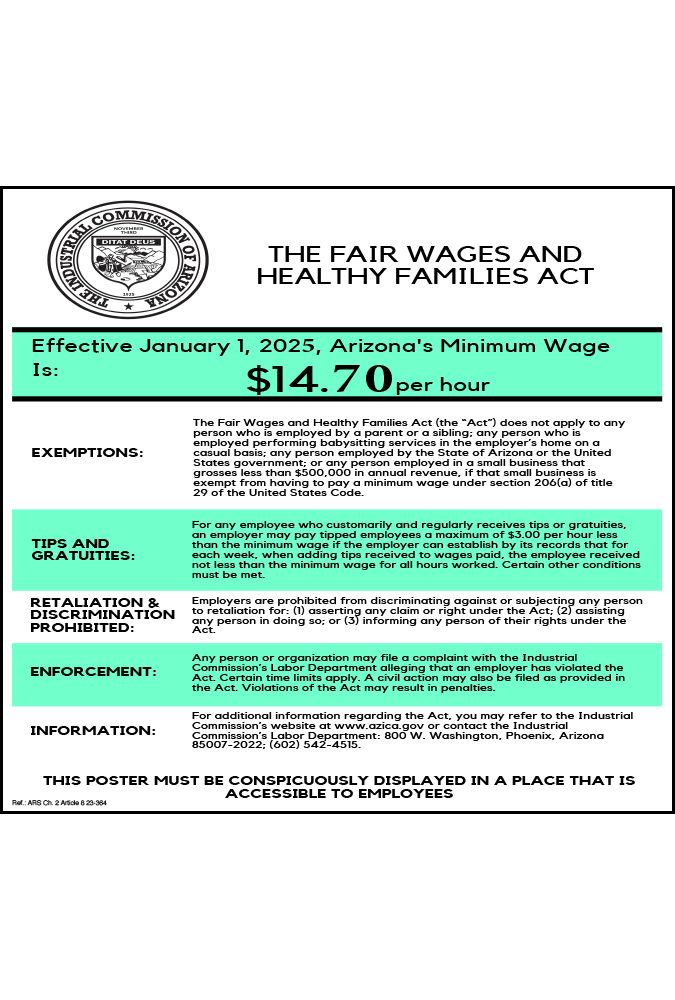
As of January 1, 2024, the statewide minimum wage in Arizona increased to $14.35 per hour. This represents a notable rise from previous years, continuing a trend initiated by voter-approved Proposition 206, also known as the Arizona Minimum Wage and Paid Time Off Initiative, in 2016. This initiative mandated incremental increases to the minimum wage annually and tied future adjustments to the cost of living, specifically the Consumer Price Index (CPI). This indexing mechanism ensures that wages maintain their purchasing power against inflation, a critical factor for workers trying to afford housing, food, and transportation in a state with growing popularity and, consequently, rising costs.
For tipped employees, the minimum cash wage is currently $11.35 per hour, provided that their tips bring their total hourly earnings up to or exceeding the standard minimum wage of $14.35. If the combination of cash wages and tips does not meet the standard minimum, the employer is legally obligated to make up the difference. This provision is particularly relevant to the service industry, from servers at a fine dining restaurant in Phoenix to bellhops at a luxury hotel in Sedona, highlighting a direct link between wage policies and the daily operations of businesses that cater to travelers.
It’s also important to note that while the $14.35 figure is the statewide standard, some cities within Arizona have implemented their own higher minimum wages to better reflect local living costs. For example, the city of Flagstaff, a popular gateway to the Grand Canyon and the San Francisco Peaks, has one of the highest municipal minimum wages in the nation, exceeding the state minimum. As of January 1, 2024, Flagstaff’s minimum wage increased to $17.40 per hour. These local variations underscore the diverse economic conditions within Arizona and reflect tailored approaches to economic well-being, which can impact the operational costs for local businesses and the spending power of local workers. Travelers might notice these differences in pricing or service quality, especially in areas with higher wages, as businesses adjust to increased labor costs.

Historical Context and Legislative Changes
The journey of Arizona’s minimum wage to its current level is a story of gradual but significant legislative evolution, largely driven by public initiatives. Before the passage of Proposition 206, Arizona’s minimum wage was subject to federal standards and modest state-level adjustments. However, the 2016 initiative marked a pivotal shift, moving the state towards a more aggressive and predictable schedule of wage increases.
Proposition 206 garnered strong support from voters, indicating a public desire to address income inequality and ensure that working individuals could meet their basic needs. The initiative’s design, which includes the annual inflation adjustment, was particularly forward-thinking, aiming to prevent the erosion of wage value over time. This approach stands in contrast to states where minimum wage increases require new legislative action each time, often leading to slower and less consistent adjustments.
The impact of these legislative changes extends far beyond individual paychecks. For the travel and tourism industry, a higher minimum wage can influence business models, pricing strategies, and workforce stability. Businesses operating in the hospitality sector, from small family-run diners to large-scale hotel chains like those found in Paradise Valley or Mesa, have had to adapt to these rising labor costs. While some concerns were raised initially about potential job losses or price inflation, studies generally suggest that the increases have had a net positive effect, boosting worker morale, reducing employee turnover, and injecting more disposable income into local economies, which can indirectly benefit consumer-facing businesses. This economic stimulation is crucial for sustaining a vibrant tourism industry, as it ensures a local populace with the means to support local businesses and creates a stable, experienced workforce to serve visitors.
The Minimum Wage and Arizona’s Tourism Industry
Arizona’s tourism industry is a colossal economic engine, generating billions of dollars annually and supporting hundreds of thousands of jobs. From the rugged beauty of Saguaro National Park to the historical significance of Montezuma Castle National Monument, and the vibrant arts scene in Tucson, every aspect of the visitor experience is touched by the labor of dedicated individuals. The state’s minimum wage plays a critical, albeit often unseen, role in shaping this industry, influencing everything from the quality of service travelers receive to the overall economic sustainability of tourist-dependent regions.
Impact on Hospitality Workers and Service Quality
A robust minimum wage directly impacts the lives of the countless individuals who form the backbone of Arizona’s hospitality sector. These include hotel staff, restaurant workers, tour guides, attraction attendants, and many more. When these workers earn a fair wage, it translates into several positive outcomes that reverberate throughout the industry.
Firstly, higher wages can lead to increased job satisfaction and morale. Employees who feel fairly compensated are generally more motivated, engaged, and less likely to experience burnout. This often results in a higher quality of service for travelers. Imagine a concierge at a Camelback Mountain resort or a server at a popular Old Town Scottsdale eatery; a content and well-compensated individual is more likely to go the extra mile, offering genuine smiles, attentive service, and helpful advice that enhances a visitor’s experience. This directly contributes to positive reviews, repeat business, and a stronger reputation for Arizona as a welcoming destination.
Secondly, a higher minimum wage can significantly reduce employee turnover. The hospitality industry is notorious for high churn rates, which can be costly for businesses in terms of recruitment, training, and lost productivity. When employees can earn a decent living, they are more likely to stay in their positions longer, leading to a more experienced and stable workforce. This stability benefits guests by ensuring consistent service quality and familiarity, while businesses save resources and can invest more in skill development rather than constant new hires. For example, a stable team at a prominent resort in Tempe can build institutional knowledge and refine their guest service over time, offering a more seamless and sophisticated experience.
Finally, better wages support the local economy directly. Hospitality workers are consumers too. With more disposable income, they are more likely to spend money at local shops, restaurants, and attractions within Arizona. This internal economic circulation strengthens the overall business ecosystem, creating a virtuous cycle where tourism dollars support local workers, who then support other local businesses, thus fostering a more resilient and vibrant economy for both residents and visitors alike.
Implications for Travelers: Affordability and Experience
While a higher minimum wage undeniably benefits workers, it also has nuanced implications for travelers visiting Arizona. These implications span from the practical aspects of trip budgeting to the intangible quality of their overall experience.
One immediate consideration for travelers is the potential for slightly higher prices for certain services. Businesses, especially those operating on thin margins, may pass on some of their increased labor costs to consumers through higher prices for hotel rooms, restaurant meals, or tour packages. For instance, booking accommodation in Flagstaff, with its significantly higher local minimum wage, might come with a slightly elevated price tag compared to areas with lower wage requirements. However, this is often a marginal increase and is frequently offset by the improved service quality and overall positive economic environment it fosters. Savvy travelers often factor this into their budget planning, understanding that a slightly higher cost can contribute to a better, more ethical travel experience.
On the flip side, the enhanced service quality stemming from a well-compensated workforce can significantly elevate the travel experience. A traveler might pay a few dollars more for a meal in Phoenix, but they are also more likely to receive exceptional service from an employee who feels valued and motivated. This can transform a good trip into a truly memorable one, where interactions with locals are positive and authentic. High-quality service is a crucial element of luxury travel and an important differentiator for any destination seeking to attract and retain visitors. In [Arizona](https://lifeoutofthebox.com/arizona], the investment in a living wage is, in many ways, an investment in the state’s reputation as a top-tier travel destination.
Furthermore, a stronger local economy, buoyed by fair wages, often leads to a more diverse and thriving array of local businesses, from unique boutique hotels to innovative culinary experiences. This richness adds depth to the local culture and offers travelers more authentic and distinctive experiences beyond generic chain establishments. When planning their itineraries, travelers can appreciate that the costs incurred contribute not just to corporate profits, but also to the well-being of the communities they are visiting, fostering a sense of responsible tourism.
Navigating Arizona as a Budget-Conscious Traveler or Worker
For those who are mindful of their expenditures, whether planning a dream vacation or considering a move for work opportunities, understanding the economic landscape of Arizona in relation to its minimum wage is key. The state offers a wide spectrum of experiences, catering to both luxury travelers and those on a tighter budget, as well as providing diverse living and working environments.
Exploring Affordable Destinations and Attractions
Despite a rising minimum wage and increasing popularity, Arizona remains accessible for budget-conscious travelers. The key lies in strategic planning and knowing where to find value. While destinations like Sedona and Scottsdale are renowned for their upscale resorts and amenities, there are numerous ways to enjoy Arizona’s splendor without breaking the bank.
Many of Arizona’s most breathtaking landmarks are natural wonders, offering affordable access. Entry fees to national parks like the Grand Canyon National Park or Petrified Forest National Park are typically per vehicle and cover multiple days, providing incredible value. Hiking trails, scenic drives like the Apache Trail, and stargazing opportunities in designated dark sky communities such as Sedona or Flagstaff are often free or very low cost.
For accommodation, travelers can look beyond high-end hotels. Options range from well-appointed suites and resorts in larger cities to more budget-friendly motels, vacation rentals, or even camping within state and national parks. Booking well in advance, especially for peak seasons, can also secure better rates. Cities like Tucson offer a vibrant cultural scene and excellent food at more accessible prices than some of its northern counterparts, particularly its authentic Mexican cuisine. Similarly, smaller towns often provide charming and affordable alternatives to major tourist hubs.
Regarding food, exploring local eateries, food trucks, and farmers’ markets can offer delicious and authentic culinary experiences without the price tag of upscale restaurants. Preparing some meals in accommodations with kitchenettes, common in apartments or long-term stay options, can also lead to significant savings. Utilizing public transport where available, especially in Phoenix and Tucson, can also cut down on travel costs.
Lifestyle Considerations: Cost of Living vs. Earning Potential
For individuals considering working and living in Arizona, particularly those in minimum wage jobs, understanding the balance between earning potential and the cost of living is crucial. While the state’s minimum wage is higher than the federal standard and continues to increase, the cost of living in popular areas like Phoenix and Scottsdale can also be substantial, particularly for housing.
This is where the nuances of Arizona’s diverse geography come into play. A minimum wage earner in Flagstaff, with its higher local minimum wage, might find it easier to manage living expenses compared to someone earning the statewide minimum in a high-cost area like Phoenix, where housing costs have seen significant appreciation. However, even in Flagstaff, the cost of housing is relatively high due to its popularity as a tourist destination and university town.
Many workers in the tourism and hospitality sectors often navigate these challenges by seeking out shared accommodation, commuting from more affordable outlying communities, or supplementing their income through additional work. The lifestyle choices of these workers directly impact the sustainability of the tourism ecosystem, as their ability to afford to live and work in Arizona ensures the state continues to have a dedicated workforce for its hotels, attractions, and services.
For those planning to move to Arizona for work, it’s essential to research specific city living costs, including rent, utilities, transportation, and groceries, and compare them against potential earnings. While the state offers abundant job opportunities, especially in its growing service economy, a realistic assessment of financial feasibility is paramount for a comfortable lifestyle. This comparison helps individuals determine if their expected earnings align with the cost of living in their desired location within the state, ensuring they can fully enjoy the “life out of the box” that Arizona promises.
The Broader Economic Picture: Benefits Beyond the Paycheck
The conversation around minimum wage often focuses on individual earnings and business costs, but its true impact stretches much further, influencing the broader economic health and societal well-being of a state like Arizona. For a state that thrives on tourism and the allure of its unique lifestyle, a healthy economic environment supported by fair labor practices is not just a moral imperative but a strategic advantage.
A higher minimum wage contributes to reduced poverty rates and less reliance on public assistance programs. When workers earn enough to cover their basic needs, they are more self-sufficient, leading to a stronger social safety net and redirecting public funds to other essential services. This creates a more stable community, which is inherently attractive to both residents and visitors. Travelers are increasingly conscious of ethical tourism, and a destination that visibly supports its workforce can enhance its appeal, aligning with values of responsible travel and community engagement.
Moreover, increased wages can stimulate consumer demand. Employees with more disposable income are more likely to spend money on goods and services, which boosts sales for local businesses, from small shops in Prescott to larger retail outlets in Chandler. This economic ripple effect strengthens the overall economy, leading to job creation and further investment. For the tourism sector, this means a more vibrant local economy that can sustain a wider array of attractions, cultural events, and dining options, enriching the experience for every traveler.
Finally, a fair minimum wage contributes to a more equitable society, fostering a sense of shared prosperity. This societal stability and fairness are indirect yet powerful draws for individuals seeking a new place to live or a destination to visit. It paints a picture of a state that values its people and invests in their future, creating a positive image that complements its stunning natural landscapes and world-class attractions. Ultimately, Arizona’s approach to its minimum wage is a testament to its commitment to a balanced economic future, where both workers and visitors can thrive amidst its unparalleled beauty and opportunities.