
Arizona, a state synonymous with breathtaking desert landscapes, vibrant canyons, and a rich cultural tapestry, carries a nickname that resonates deeply with its identity and history. Understanding this moniker offers a window into the very soul of the Grand Canyon State. It speaks to the state’s natural beauty, its pioneering spirit, and its enduring allure for travelers and residents alike. The designation is not merely a label; it’s an invitation to explore the unique characteristics that define this southwestern gem.
The quest to understand Arizona’s nickname leads us through its geological wonders, its historical milestones, and the very essence of its geographical position. It’s a story woven from sunshine, rugged terrain, and a deep connection to the land. Whether you are planning a vacation to Phoenix, a journey through the Sonoran Desert, or a contemplative visit to Sedona, knowing its nickname enriches the experience and provides context to the spectacular scenery and vibrant culture you encounter.
The Unveiling of a State’s Identity
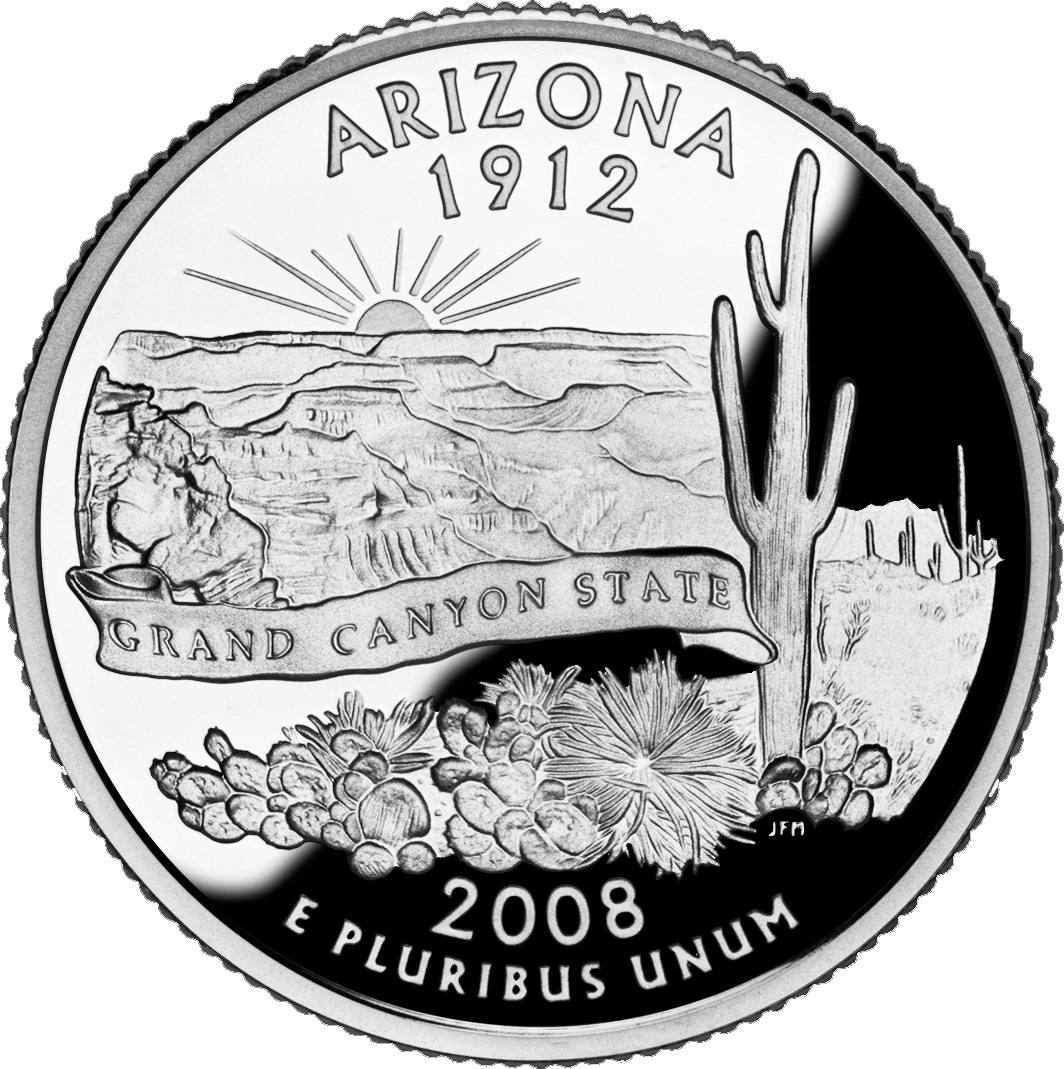
The nickname “Grand Canyon State” is not an arbitrary selection; it is a direct homage to arguably the most iconic natural wonder in the United States, and indeed, the world. The sheer scale, the vibrant stratigraphy, and the profound geological history of the Grand Canyon National Park have captivated humankind for centuries. This natural marvel is more than just a tourist attraction; it is a testament to the immense power of nature and a symbol of Arizona’s raw, untamed beauty.
A Geological Masterpiece
The formation of the Grand Canyon began millions of years ago, a process sculpted by the relentless force of the Colorado River carving through layers of rock. This ongoing geological ballet has exposed a visual record of Earth’s history, offering an unparalleled glimpse into ancient ecosystems and tectonic activity. The layers of rock, ranging in color from deep reds and oranges to purples and whites, create a mesmerizing spectacle, particularly at sunrise and sunset when the light plays across the canyon walls, transforming them into a canvas of ever-shifting hues.
For geologists and amateur enthusiasts alike, the Grand Canyon is an open-air textbook. Each stratum tells a story, from the Precambrian Vishnu Schist at the bottom, the oldest exposed rock on the continent, to the Kaibab Limestone at the rim, a relatively recent addition. This unparalleled access to geological time makes the canyon a vital site for scientific research and an awe-inspiring destination for anyone seeking to understand the planet’s deep past.
Cultural Significance and Indigenous Heritage
Long before it became a global icon, the Grand Canyon held profound spiritual and cultural significance for the Indigenous peoples who have inhabited the region for millennia. Tribes such as the Havasupai, Hopi, Navajo, and Yavapai-Apache have deep ancestral ties to this sacred landscape, viewing it as a place of origin, sustenance, and spiritual connection. Their traditions, art, and oral histories are intrinsically linked to the canyon, preserving a legacy that predates written records and continues to enrich the understanding of this extraordinary place.
The designation of Arizona as the “Grand Canyon State” acknowledges not only its natural grandeur but also the enduring presence and cultural contributions of these native communities. Visitors today have opportunities to learn about these rich heritages through cultural centers, guided tours led by tribal members, and the preservation of sacred sites. This cultural dimension adds a layer of depth and respect to the appreciation of the canyon and the state it represents.
Beyond the Canyon: Arizona’s Diverse Landscapes

While the Grand Canyon undoubtedly anchors Arizona’s identity, the state’s nickname also serves as a broad invitation to explore its remarkably diverse topography. The “Grand Canyon State” encompasses far more than just this single natural wonder; it is a land of striking contrasts, from arid deserts to pine-covered mountains, offering a wealth of travel experiences.
The Majestic Deserts
The vast expanse of the Sonoran Desert is a defining feature of Arizona, characterized by its iconic saguaro cacti, vibrant wildflowers after the rains, and unique desert flora and fauna. This seemingly harsh environment is, in fact, a thriving ecosystem, teeming with life adapted to extreme conditions. Exploring the desert offers opportunities for hiking, wildlife viewing, and experiencing the profound silence and beauty of this arid landscape.
- Saguaro National Park: Home to the densest concentration of saguaro cacti in the world, this park provides an immersive experience in the heart of the Sonoran Desert. Trails wind through forests of these towering succulents, offering a chance to witness their majesty up close.
- The Superstition Mountains: A rugged and mystical mountain range east of Phoenix, these mountains are steeped in legend and offer challenging hiking trails with breathtaking views. The dramatic rock formations and desert vistas are a photographer’s dream.
- The Painted Desert: Stretching across northern Arizona, this colorful badlands landscape is renowned for its vibrant bands of rock and sediment, displaying a stunning palette of reds, oranges, purples, and grays. The erosion patterns create an otherworldly, sculpted terrain.
The High Country and Pine Forests
Contrasting sharply with its desert regions, Arizona also boasts a significant “high country” characterized by cooler temperatures, ponderosa pine forests, and alpine meadows. These elevated areas, particularly in the northern part of the state, offer a refreshing escape and a different kind of natural beauty.
- Flagstaff: Situated at an elevation of over 7,000 feet, Flagstaff is a gateway to these cooler climes. It is surrounded by the Coconino National Forest, offering abundant opportunities for hiking, camping, and exploring volcanic features like the Sunset Crater Volcano.
- The White Mountains: Located in eastern Arizona, this region features rolling hills, lush forests, and scenic byways. It’s a popular destination for outdoor recreation, including skiing in the winter months at Arizona Snowbowl.
Experiencing the “Grand Canyon State”
The nickname “Grand Canyon State” serves as an excellent starting point for anyone planning a visit to Arizona. It encapsulates the state’s most famous landmark while hinting at the broader spectrum of natural wonders and cultural experiences that await. From the awe-inspiring depths of the canyon to the vibrant life of the desert and the serenity of the mountain peaks, Arizona offers a journey of discovery.

Travel Tips for Exploring Arizona
When embarking on a trip to the “Grand Canyon State,” consider the diverse climates and vast distances.
- Plan for the Elements: Arizona’s weather can be extreme. Summers in the desert are exceptionally hot, while the higher elevations experience cooler temperatures and even snow in winter. Pack accordingly for sun protection, hydration, and layers.
- Embrace the Open Road: Arizona is a state best explored by car, allowing for spontaneous stops and the discovery of hidden gems. Many of the most scenic routes, such as the Apache Trail or the drive along Route 66, are experiences in themselves.
- Respect the Environment: The natural beauty of Arizona is fragile. Adhere to Leave No Trace principles when hiking, stay on marked trails, and be mindful of wildlife.
- Immerse in Local Culture: Beyond the natural attractions, engage with Arizona’s rich history, including its Native American heritage, its Wild West past, and its burgeoning arts and culinary scenes in cities like Tucson and Scottsdale.
The moniker “Grand Canyon State” is more than just a geographical identifier; it is a promise of grandeur, adventure, and unforgettable experiences, inviting all who visit to explore the magnificent landscapes and profound spirit of Arizona.
LifeOutOfTheBox is a participant in the Amazon Services LLC Associates Program, an affiliate advertising program designed to provide a means for sites to earn advertising fees by advertising and linking to Amazon.com. Amazon, the Amazon logo, AmazonSupply, and the AmazonSupply logo are trademarks of Amazon.com, Inc. or its affiliates. As an Amazon Associate we earn affiliate commissions from qualifying purchases.