
Florida is a state synonymous with sunshine, beautiful beaches, and vibrant culture. For those considering a long-term stay or property ownership in the Sunshine State, understanding the intricacies of home insurance is paramount. Unlike many other states, Florida’s unique geographical and environmental factors significantly influence the cost and availability of homeowners’ insurance. The average cost can vary dramatically, often ranging from approximately $2,000 to over $10,000 annually, depending on a myriad of factors. This comprehensive guide delves into the specifics, helping residents and prospective homeowners navigate the complex landscape of home insurance in Florida.
Understanding the Florida Home Insurance Landscape
The home insurance market in Florida is arguably one of the most challenging and expensive in the United States. Several factors contribute to this distinct environment, making it crucial for homeowners to be well-informed.
Why Florida is Unique for Insurers
The primary driver behind high insurance costs in Florida is its susceptibility to natural disasters. The state’s lengthy coastline and subtropical climate make it a frequent target for severe weather events.
Hurricane Risk
Florida lies squarely within Hurricane Alley, experiencing more landfalling hurricanes than any other state. These powerful storms bring devastating winds, torrential rain, and storm surge, leading to widespread property damage. Insurers must factor in the high probability and potential severity of these events, which translates into higher premiums for homeowners. The financial exposure for insurance companies due to hurricane claims is immense, making them cautious and selective about the properties they cover and the prices they charge.
Coastal Proximity and Flood Zones
A significant portion of Florida’s population lives near the coast, placing homes in areas highly vulnerable to storm surge and flooding. While standard homeowners’ insurance policies generally exclude flood damage, the proximity to water bodies increases the overall risk profile of properties. Even inland areas can experience severe flooding from heavy rainfall during tropical systems. This geographical reality means a higher baseline risk for properties across the state.
Litigation Environment
Florida has also faced challenges with a complex and often litigious insurance claims environment. High volumes of lawsuits related to insurance claims, particularly those involving Assignment of Benefits (AOB) agreements, have driven up costs for insurers. This trend has led some insurers to exit the Florida market or significantly increase their rates to offset legal expenses and fraudulent claims, further impacting homeowners. Recent legislative reforms aim to stabilize the market, but their long-term effects are still unfolding.
Key Factors Influencing Home Insurance Premiums
While the statewide averages provide a starting point, individual home insurance premiums in Florida are highly personalized. Several key factors are assessed by insurers to determine the risk profile of a property and, consequently, its premium.
Location, Location, Location
The specific geographic location within Florida is one of the most significant determinants of insurance costs.
Coastal vs. Inland
Properties situated directly on the coast or in designated high-risk flood zones typically face substantially higher premiums due to increased exposure to storm surge, high winds, and erosion. Homes further inland, while not immune to hurricane impact, generally benefit from lower risk classifications.
Specific County Variations
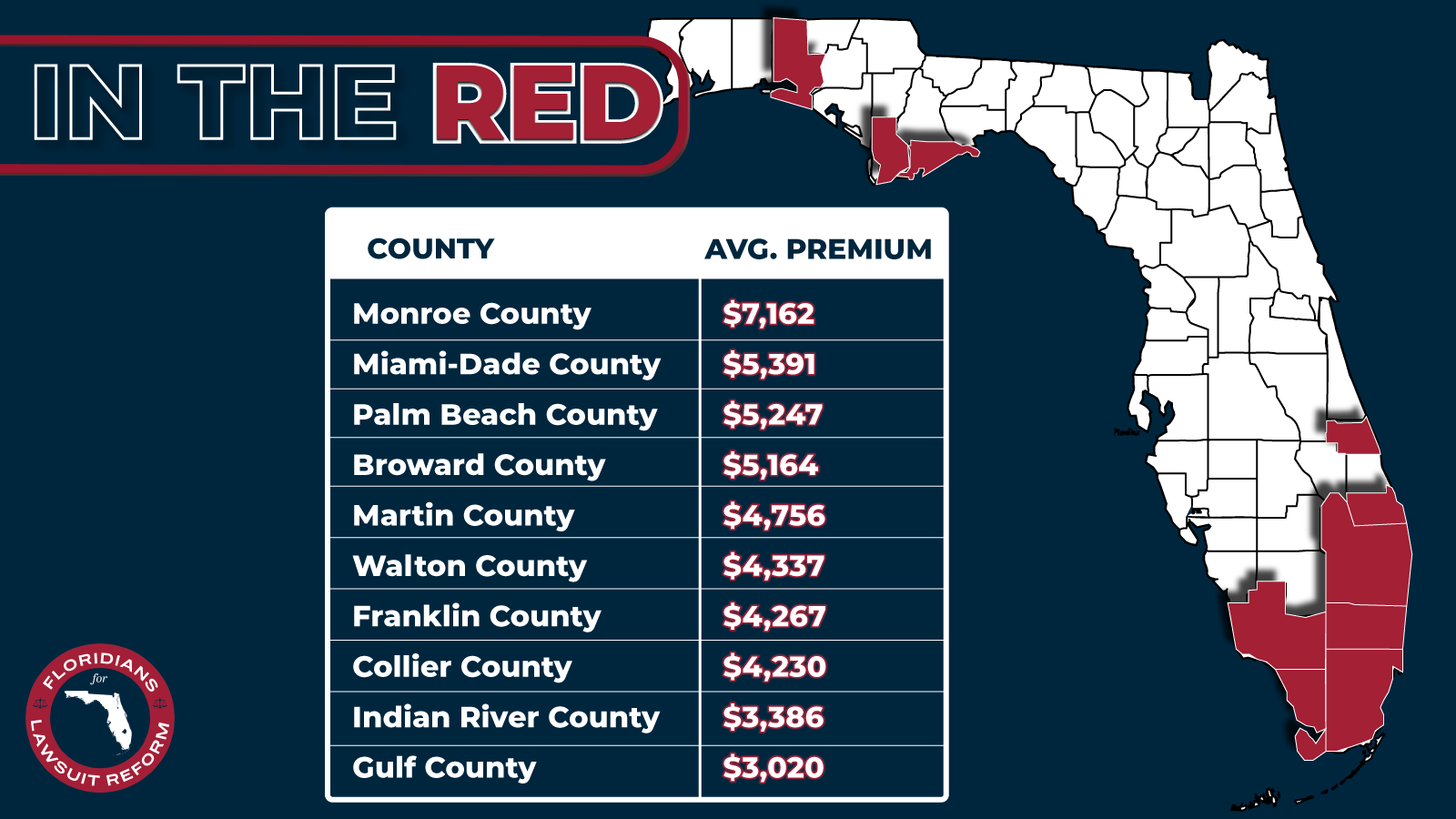
Premiums can vary significantly from one county to another. For instance, homeowners in coastal counties like Miami-Dade, Broward, or Lee often pay more than those in central Florida counties such as Orange County (where Orlando is located). This is directly related to the historical frequency and severity of natural disasters affecting specific regions.
Property Characteristics
The physical attributes of your home play a crucial role in premium calculation.
Age and Construction Type
Older homes often carry higher premiums due to outdated building codes, potentially less resilient construction materials, and a higher likelihood of maintenance issues. Homes built to newer, stricter building codes (e.g., post-2001 Florida Building Code) typically fare better. The type of construction, such as concrete block versus wood frame, also influences risk.
Roof Condition and Age
The roof is a home’s first line of defense against severe weather. Insurers meticulously evaluate its age, material, and condition. An older roof (e.g., 15+ years) or one with visible wear and tear will likely result in higher premiums or even denial of coverage. Many insurers require roofs to be within a certain age range or in excellent condition to provide coverage, especially for wind damage.
Wind Mitigation Features
Homes equipped with specific wind-resistant features can qualify for significant discounts. These include hurricane-rated windows and doors, storm shutters, roof-to-wall attachments, and secondary water resistance barriers. A wind mitigation inspection performed by a certified professional can document these features and potentially lead to substantial savings.
Home Value and Dwelling Coverage
Naturally, the replacement cost of your home – not its market value – directly impacts the dwelling coverage limit, which is the maximum amount your insurer will pay to rebuild your home. Higher dwelling coverage translates to higher premiums.
Policy Details
The specifics of your chosen policy also have a direct impact on the premium.
Deductibles
Homeowners in Florida typically have two types of deductibles: an “all other perils” deductible (e.g., $1,000) and a separate, usually higher, “windstorm or hurricane” deductible (e.g., 2% or 5% of the dwelling coverage). Choosing higher deductibles, especially for wind, can lower your premium but means you’ll pay more out-of-pocket in the event of a claim.

Specific Endorsements
Some homeowners may need additional coverage through endorsements, such as extended coverage for valuable items or specific perils. For instance, sinkhole coverage, while often excluded from standard policies, can be added in certain high-risk areas.
Liability Limits
Higher liability limits, which protect you financially if someone is injured on your property, will also increase your premium.
The Numbers: Average Costs and Ranges
Pinpointing an exact “average cost” for home insurance in Florida is challenging due to the extreme variability across the state. However, general estimates and ranges can provide a useful benchmark.
Statewide Averages
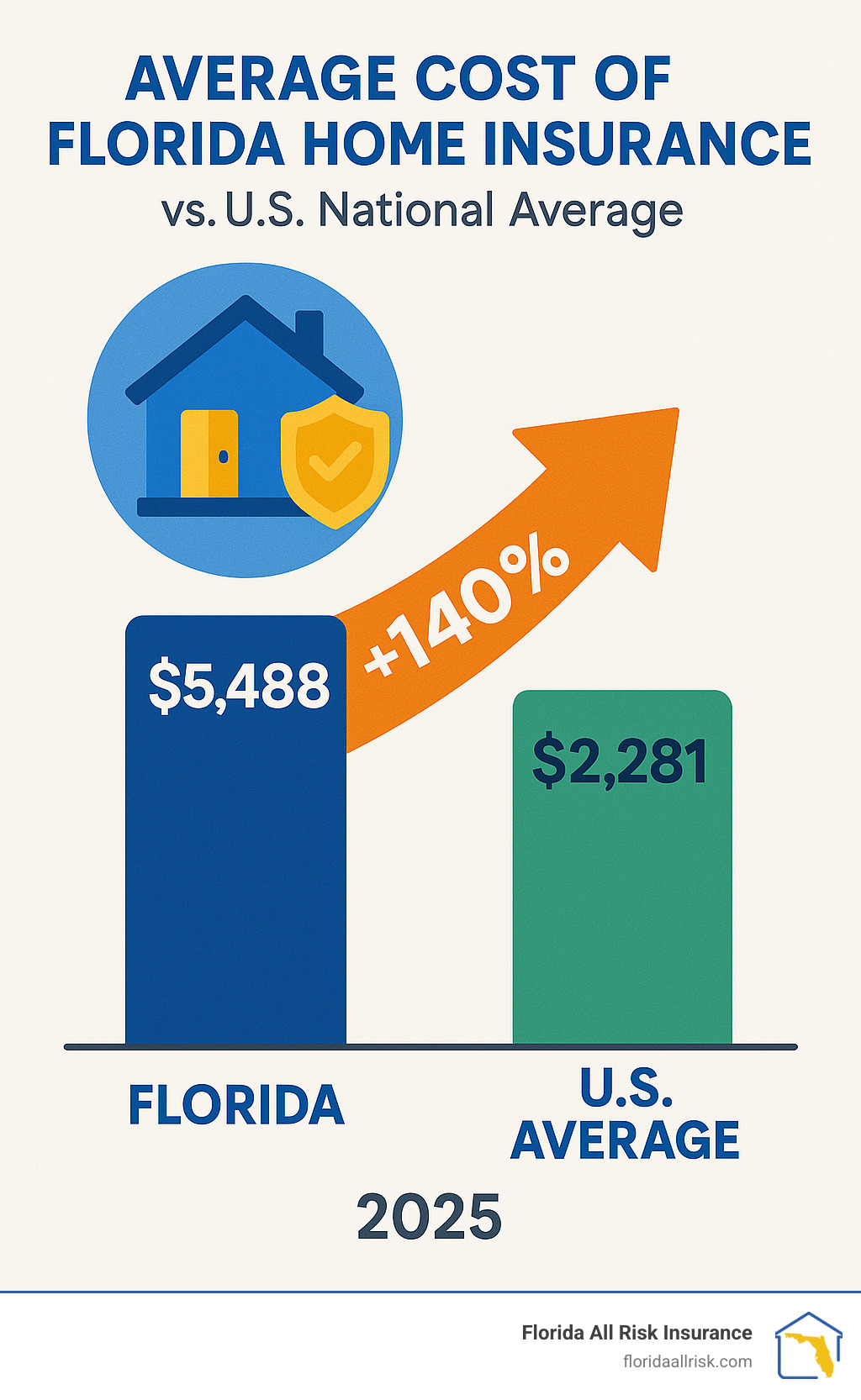
While averages fluctuate yearly and depend heavily on data sources, many reports indicate that the average annual premium for homeowners insurance in Florida hovers around $6,000 to $7,000. However, it’s not uncommon for premiums to exceed $10,000, particularly in high-risk coastal areas or for older homes without significant wind mitigation. Conversely, newer homes in less exposed inland areas might find policies closer to $3,000-$5,000. It’s crucial to understand that these are broad estimates, and individual quotes can differ wildly.
Regional Differences
The differences across regions are stark. Homeowners in South Florida (e.g., Miami-Dade, Palm Beach counties) and the Panhandle (e.g., Bay, Escambia counties) often face the highest premiums due to higher hurricane frequency and density of older properties. Central Florida (e.g., Orlando, Tampa areas) might see slightly lower rates, though they are still substantial compared to national averages. Even within a single county, prices can vary based on proximity to the coast or specific flood zone designations.
Impact of Recent Market Changes and Legislative Reforms
The Florida insurance market has experienced significant volatility in recent years, with several insurers reducing their exposure or leaving the state. This has led to fewer options and increasing prices. Legislative efforts to curb frivolous lawsuits and stabilize the market are underway, but it will take time for their full impact to be felt by consumers. Homeowners should anticipate continued fluctuations and remain proactive in seeking competitive quotes.
Strategies to Potentially Reduce Your Premiums
Given the high cost of home insurance in Florida, exploring every possible avenue for savings is essential.
Invest in Wind Mitigation
This is arguably the most impactful strategy. Retrofitting your home with wind-resistant features (e.g., storm shutters, impact-resistant windows, reinforced roof-to-wall connections) can lead to substantial discounts, often paying for themselves over time through premium savings. Obtain a certified wind mitigation inspection to document these improvements.
Upgrade Your Roof
A newer, properly installed roof (especially one that meets modern building codes) can significantly lower your premium. Insurers view a well-maintained, robust roof as a critical protective measure. Consider roof replacement as a long-term investment in both home protection and insurance affordability.
Increase Your Deductibles
Opting for higher deductibles, especially for your hurricane deductible, will reduce your annual premium. However, ensure you have sufficient savings to cover these higher out-of-pocket costs should a claim arise. This strategy requires careful financial planning.
Shop Around and Compare Quotes
Never settle for the first quote you receive. The Florida market is dynamic, and different insurers have varying risk appetites and pricing models. Work with an independent insurance agent who can access multiple carriers, including Citizens Property Insurance Corporation, which acts as a state-backed insurer of last resort when private options are unavailable or too expensive.
Maintain a Good Credit Score
Insurers often use credit-based insurance scores as a factor in determining premiums. A higher credit score can indicate financial responsibility and may lead to lower rates.
Bundling Policies
Many insurers offer discounts if you bundle your home insurance with other policies, such as auto insurance. Inquiring about such multi-policy discounts can yield notable savings.
Beyond Standard Home Insurance: Additional Coverages
While standard homeowners insurance covers perils like fire, theft, and wind damage (subject to deductibles), it’s crucial to understand what it doesn’t cover, particularly in Florida.
Flood Insurance (NFIP)
Standard home insurance policies explicitly exclude flood damage. Given Florida’s vulnerability to storm surge and heavy rainfall, nearly all homeowners should consider purchasing a separate flood insurance policy, typically through the National Flood Insurance Program (NFIP). Private flood insurance options are also becoming more available. This coverage is non-negotiable for homes in designated flood zones.
Sinkhole Coverage
Florida is known for its limestone bedrock, making it prone to sinkhole activity, particularly in certain regions like Pasco and Hernando counties. Standard homeowners policies typically exclude catastrophic ground cover collapse (which is often related to sinkholes but has a narrower definition) and specifically exclude all other sinkhole damage. Homeowners in at-risk areas may opt to purchase an endorsement for sinkhole coverage.
Personal Articles Floater
For valuable items like jewelry, art, or collectibles, the coverage limits in a standard home insurance policy may be insufficient. A personal articles floater can provide broader coverage and higher limits for specific high-value possessions, offering peace of mind for their long-term protection.
Navigating home insurance in Florida requires diligence and an understanding of the state’s unique risks. By proactively managing your home’s risk factors and thoroughly exploring your insurance options, you can secure adequate protection for your property while mitigating the impact of high premiums.
LifeOutOfTheBox is a participant in the Amazon Services LLC Associates Program, an affiliate advertising program designed to provide a means for sites to earn advertising fees by advertising and linking to Amazon.com. Amazon, the Amazon logo, AmazonSupply, and the AmazonSupply logo are trademarks of Amazon.com, Inc. or its affiliates. As an Amazon Associate we earn affiliate commissions from qualifying purchases.