
Understanding Boston’s Seasonal Charms
Choosing the optimal time to visit Boston, Massachusetts, depends largely on what you wish to experience in this historic and vibrant city. Each season offers a distinct flavor, from bustling summer streets to serene winter landscapes, influencing everything from crowd levels to available activities and costs. Understanding these seasonal nuances is key to planning your perfect trip.
Spring’s Awakening (April-May)
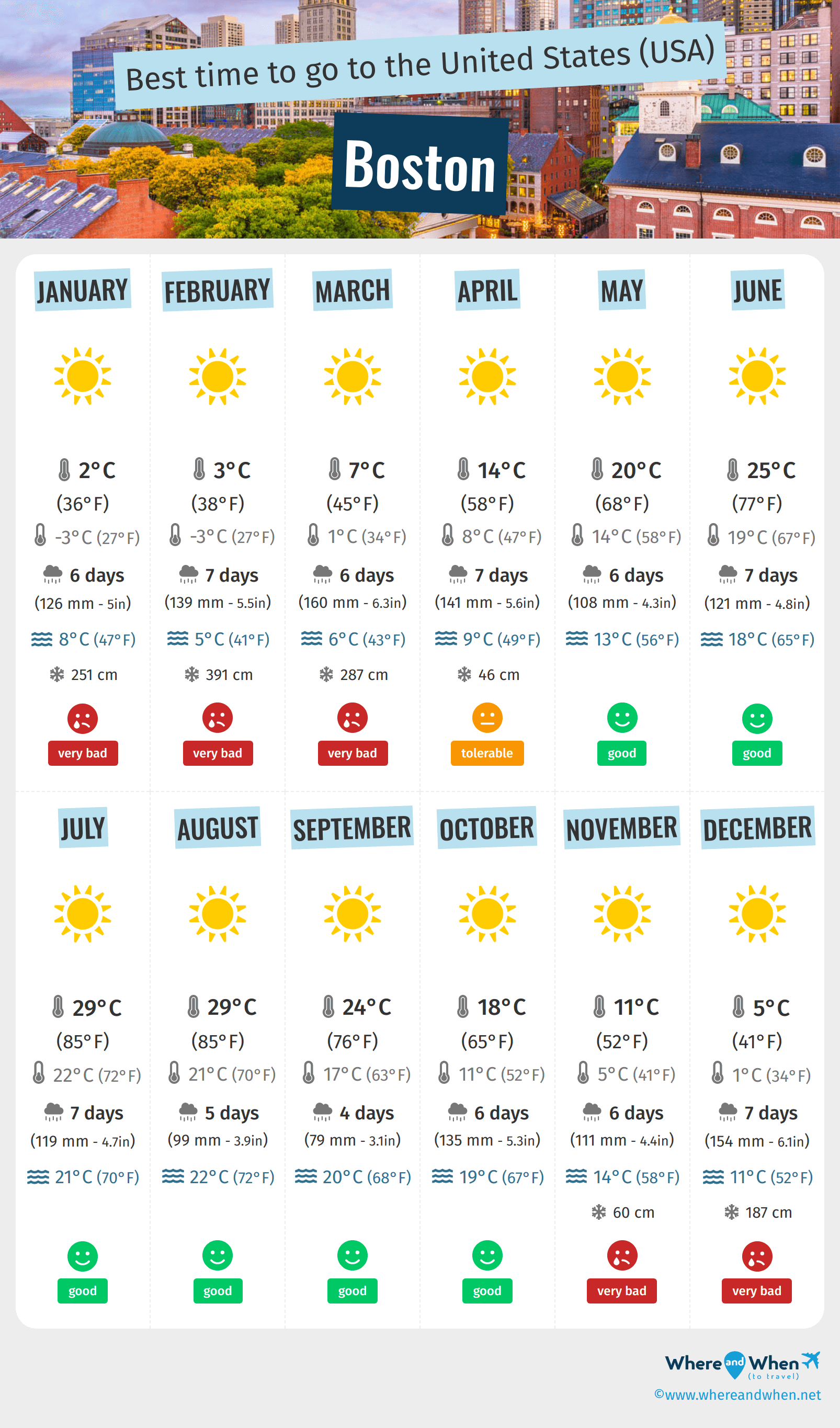
As the cold grip of winter loosens, Boston awakens with a refreshing energy. Spring, specifically April and May, is often considered a shoulder season, offering a delightful balance of pleasant weather and fewer crowds compared to the peak summer months. Temperatures are mild, ranging from the mid-40s to upper 60s Fahrenheit (7-20°C), making it comfortable for exploring the city’s historic streets and parks. The Public Garden and Boston Common burst into bloom, providing picturesque backdrops for leisurely strolls.
This period also hosts significant events. April is famously home to the Boston Marathon, an iconic international event that draws massive crowds and electrifies the city with its competitive spirit. Patriots’ Day, a unique Massachusetts holiday, often coincides with the Marathon, featuring historical reenactments. If you’re not planning to participate or spectate, be aware that accommodation prices and crowd levels surge around these dates. Otherwise, late spring offers a sweet spot for those seeking comfortable weather without the intense summer throngs.
Summer’s Vibrant Energy (June-August)
Summer in Boston is a time of high energy and peak tourism. From June through August, the city pulses with activity, characterized by warm, often humid weather, with temperatures typically ranging from the mid-60s to high 80s Fahrenheit (18-31°C). This is when outdoor attractions, al fresco dining, and waterfront activities are in full swing. Popular choices include exploring the Freedom Trail, enjoying boat tours in Boston Harbor, and catching a Red Sox game at Fenway Park.
Major events like Boston Harborfest in early July celebrate the city’s maritime heritage, culminating in spectacular Independence Day fireworks over the Charles River accompanied by the Boston Pops on the Esplanade. While the weather is ideal for many activities, be prepared for substantial crowds, higher accommodation prices, and the need to book attractions and restaurants well in advance. Despite the bustling atmosphere, summer’s long daylight hours and plethora of outdoor events make it an incredibly popular time for families and those seeking lively experiences.
Autumn’s Golden Hues (September-October)
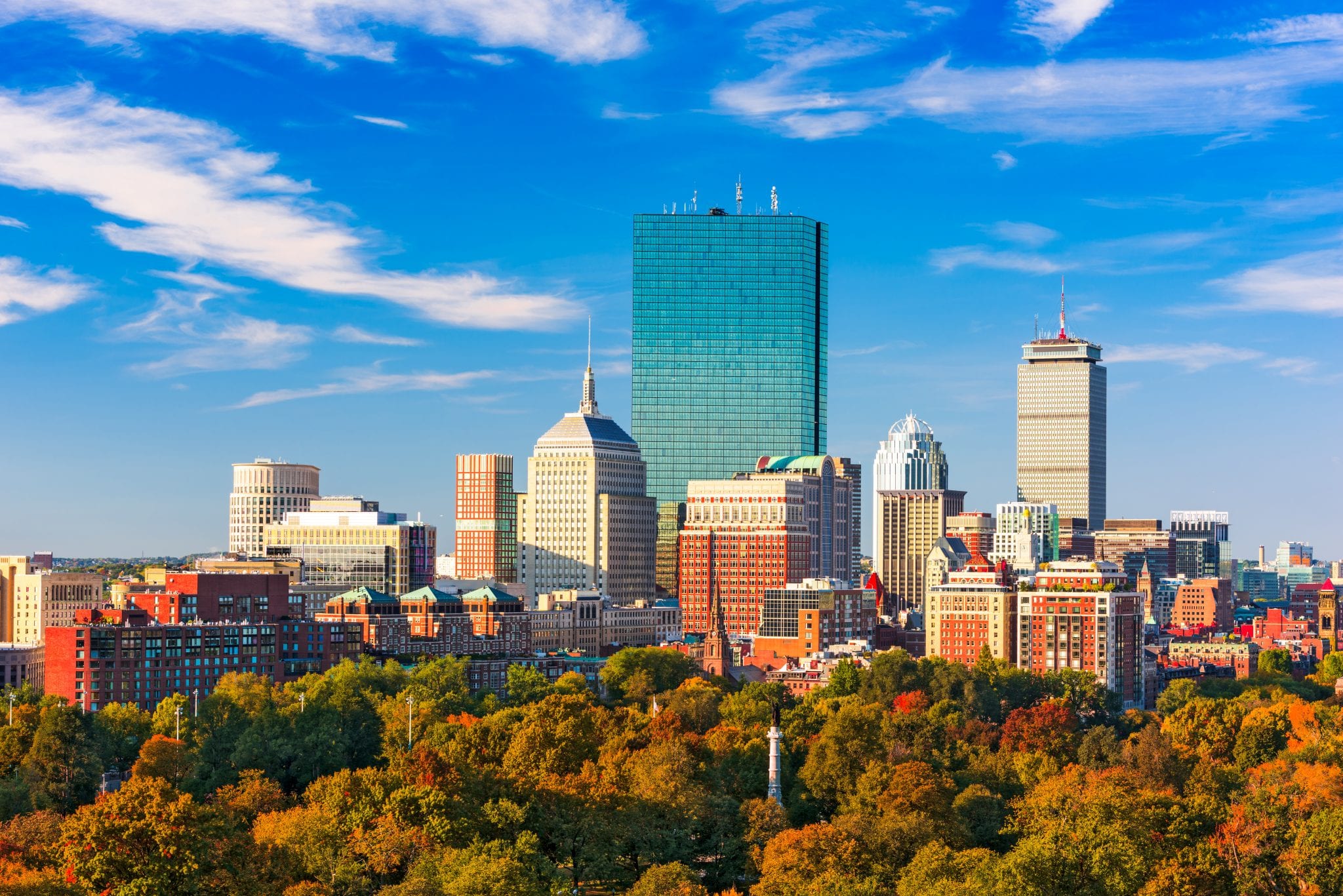
Many seasoned travelers consider autumn the absolute best time to visit Boston. From September through October, the air turns crisp, the humidity drops, and the city’s abundant trees transform into a stunning palette of red, orange, and gold. Temperatures are gloriously comfortable, often in the 50s and 60s Fahrenheit (10-20°C), perfect for walking and outdoor exploration. The peak of fall foliage typically occurs in mid-October, drawing visitors from around the globe.
Crowds are still present, especially on weekends during the foliage season, but generally less overwhelming than in summer. Prices for flights and accommodation may dip slightly from their summer highs, though popular weekends, particularly during the foliage peak, can still see elevated rates. Events like the Head Of The Charles Regatta in October showcase international rowing talent and create a vibrant atmosphere along the Charles River. This season offers an ideal blend of picturesque scenery, pleasant weather, and a slightly more relaxed pace, making it perfect for photographers, history buffs, and those who appreciate natural beauty.
Winter’s Historic Serenity (November-March)
Boston winters are cold, often snowy, and generally see the fewest tourists. From November to March, temperatures can drop significantly, often hovering below freezing (0°C) with occasional heavy snowfall. While this might deter some, winter in Boston offers a unique, serene, and often budget-friendly experience. The city transforms into a picturesque wonderland, especially during the holiday season, with festive decorations and lights.
This is an excellent time for indoor activities, such as exploring world-class museums like the Museum of Fine Arts or the Isabella Stewart Gardner Museum, delving into history at the Boston Tea Party Ships & Museum, or catching a show in the Theater District. Ice skating on the Frog Pond in Boston Common is a classic winter pastime. Accommodation prices are typically at their lowest, and attractions are less crowded, offering a more intimate experience. For those who don’t mind bundling up and appreciate a quieter, more reflective visit, winter can be surprisingly rewarding.
Key Factors Influencing Your Boston Visit
Beyond the seasonal generalities, several specific factors should guide your decision on when to visit Boston.
Weather and Climate Considerations
Boston’s weather can be notoriously fickle, especially during transitional seasons. Summers can be hot and humid, while winters are undeniably cold with significant snowfall. Spring and fall offer the most comfortable temperatures, with spring being slightly wetter and fall generally drier and crisper. If your primary goal involves extensive walking tours of the North End, the Beacon Hill streets, or the Freedom Trail, moderate temperatures of late spring or early fall are highly recommended. Always pack layers, regardless of the season, as New England weather can change quickly.
Crowd Levels and Cost Implications
The influx of visitors directly impacts both crowd levels at attractions and the cost of travel. Summer is the peak tourist season, leading to higher prices for flights and accommodations, longer queues at popular sites, and more difficulty securing reservations. Early autumn (especially October for foliage) also experiences high demand. Shoulder seasons—late April to early June and late September to early November—often present a sweet spot: good weather, fewer crowds, and potentially more reasonable prices. Winter (excluding the holiday weeks of Thanksgiving and Christmas) typically offers the lowest prices and sparse crowds, making it ideal for budget-conscious travelers seeking a more relaxed pace.
Major Events and Festivals
Boston’s calendar is dotted with events that can either enhance or complicate your trip, depending on your interests. The Boston Marathon in April, Independence Day celebrations in July, and the Head Of The Charles Regatta in October are just a few examples that draw significant attention. If you wish to partake in these festivities, planning well in advance is crucial. Conversely, if you prefer to avoid large crowds and inflated prices, consider scheduling your visit around these major events. Sporting events, especially Red Sox games, can also impact local traffic and accommodation availability.
Specific Interests and Activities
Your personal interests should heavily influence your timing.
- History Buffs: Early spring or late fall offers comfortable walking weather for the Freedom Trail and historic neighborhoods without extreme heat or cold.
- Outdoor Enthusiasts: Summer is prime for whale watching tours from the New England Aquarium, kayaking on the Charles River, and exploring the city’s parks. Fall is perfect for enjoying foliage in the city and surrounding areas.
- Art and Culture Lovers: Winter provides an excellent opportunity to explore Boston’s world-class museums and galleries, enjoy theater performances, and avoid queues.
- Foodies: While Boston’s culinary scene is vibrant year-round, warmer months allow for extensive outdoor dining in areas like the North End or Seaport District.
Tailoring Your Trip: A Month-by-Month Guide
For a more granular approach, here’s a brief monthly overview:
January-February: Winter Wonderland on a Budget
Coldest months, potential for snowstorms. Ideal for museum visits, cozying up in historic pubs, and enjoying lowest prices and fewest crowds. Perfect for indoor cultural experiences.
March-April: Spring Awakening and Marathon Mania
March brings St. Patrick’s Day festivities and a gradual thaw. April features the iconic Boston Marathon and Patriots’ Day. Weather is unpredictable but often pleasant by late April. A good time for budget travelers outside of Marathon week.
May-June: Pleasant Weather and Pre-Summer Buzz
May and early June offer some of the best weather, with comfortable temperatures and blooming foliage. Crowds are building but generally manageable. Excellent for walking tours and outdoor dining before the peak summer rush.
July-August: Peak Summer Excitement
Warmest and busiest months, full of outdoor festivals, concerts, and waterfront activities. Expect crowds, higher prices, and plan bookings well in advance. Ideal for lively experiences and long daylight hours.
September-October: Fall Foliage and Festive Regattas
Often considered the prime time to visit. Glorious fall foliage, crisp air, and ideal walking temperatures. September is less crowded than October, which sees a surge for the Head Of The Charles Regatta and peak leaf peeping.
November-December: Holiday Cheer and Winter Prep
November transitions to colder weather, offering a quiet period before the holiday rush. December is festive with lights and markets, but cold. Excellent for holiday shopping and enjoying seasonal cheer with moderate crowds until the final weeks of the year.
Beyond the Calendar: Maximizing Your Boston Experience
While the time of year is crucial, strategic planning within your chosen season can further enhance your Boston adventure.
Weekdays vs. Weekends
Visiting during the week, especially Tuesday through Thursday, can significantly reduce crowds at popular attractions like the Museum of Fine Arts or the New England Aquarium, and ease the pressure on restaurant reservations. Accommodation prices are often lower on weeknights too. Weekends tend to be busier, particularly in the warmer months.
Early Mornings and Late Evenings
To truly maximize your time and avoid the heaviest crowds, plan to visit major landmarks shortly after they open or an hour or two before closing. This strategy works particularly well for the Paul Revere House or the Old North Church. Similarly, exploring popular neighborhoods like the North End or Beacon Hill during non-peak hours provides a more intimate experience.
Staying Flexible
Traveling during the shoulder seasons or even the quieter parts of winter can offer the advantage of flexibility. With fewer pre-bookings required, you can often adapt your itinerary to unexpected good weather, last-minute event announcements, or simply a desire to linger longer in a particularly charming spot. This spontaneous approach can lead to some of the most memorable discoveries in this dynamic city.
LifeOutOfTheBox is a participant in the Amazon Services LLC Associates Program, an affiliate advertising program designed to provide a means for sites to earn advertising fees by advertising and linking to Amazon.com. Amazon, the Amazon logo, AmazonSupply, and the AmazonSupply logo are trademarks of Amazon.com, Inc. or its affiliates. As an Amazon Associate we earn affiliate commissions from qualifying purchases.