
California, often referred to as the Golden State, conjures images of sun-drenched beaches, tech innovation, Hollywood glamour, and a vibrant, diverse culture. For many, it represents the epitome of the American dream, a land of opportunity and aspirational living. However, behind the allure lies a complex economic reality, where the cost of living is notoriously high, and income levels, while often robust, must stretch further than in many other parts of the United States. Understanding the average income in California is not merely an exercise in statistics; it’s a critical lens through which to view the various lifestyles one can afford and experience within this dynamic state. Whether you’re considering a move, planning an extended visit, or simply curious about the economic fabric that underpins California’s unique appeal, delving into its income landscape provides invaluable insight into what it truly means to live, work, and thrive here. From the bustling tech corridors of Silicon Valley to the agricultural heartland of the Central Valley, and the scenic coastal communities, income disparities and economic realities shape the daily lives and long-term prospects of millions. This exploration aims to demystify California’s income figures, connecting them directly to the lifestyle implications that define this iconic state.
Understanding California’s Income Landscape
To truly grasp the economic picture in California, it’s essential to look beyond a single “average” figure and understand the nuances that shape income distribution. The state’s economic profile is a mosaic of high-earning sectors and communities, alongside areas that face significant economic challenges. This disparity is a defining characteristic of California’s lifestyle, influencing everything from housing choices to leisure activities.
Distinguishing Average from Median Income
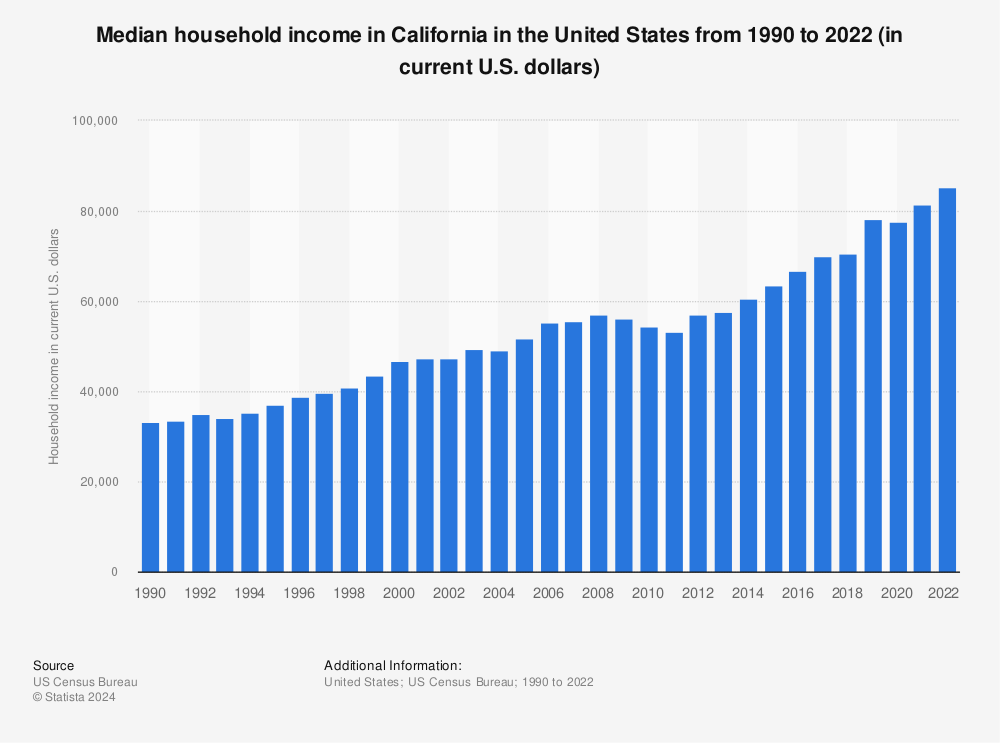
When discussing income, the terms “average” and “median” are often used interchangeably, but their distinction is crucial, particularly in a state with significant wealth disparities like California. Average income, or mean income, is calculated by summing all incomes and dividing by the number of earners. However, this figure can be heavily skewed by a small number of extremely high earners, making it less representative of what most households actually earn. Median income, on the other hand, represents the middle point in the income distribution, meaning half of the households earn more and half earn less. For California, the median household income generally provides a more accurate reflection of the typical household’s financial standing. While specific figures fluctuate annually due to economic shifts, the median household income in California consistently ranks among the highest in the United States, often exceeding $85,000 to $90,000. For individuals, the per capita income is also significantly above the national average, reflecting a robust economy, but also the high cost of living that necessitates higher earnings. These figures are not static and are influenced by numerous factors, including employment rates, industry growth, and inflation, making continuous monitoring essential for a current understanding.
The High Cost of Living Equation
The impressive median income figures in California are almost invariably accompanied by an equally high, if not higher, cost of living. This is the fundamental equation that defines lifestyle in the state: high income often translates to high expenses. Housing is arguably the most dominant factor in this equation, with home prices and rental rates in major metropolitan areas such as San Francisco, Los Angeles, and San Jose far exceeding national averages. Beyond housing, daily necessities like groceries, transportation, and utilities also tend to be more expensive. This elevated cost of living means that an income that would be considered substantial in many other states might only afford a moderate lifestyle in California. For residents and prospective visitors alike, understanding this dynamic is key to setting realistic expectations for budgeting and lifestyle choices. A seemingly high salary might quickly diminish when confronted with monthly rent payments that consume a significant portion of take-home pay. This economic reality shapes migration patterns, demographic shifts, and the overall accessibility of the “California dream” for different income brackets, making lifestyle planning inherently tied to a careful evaluation of finances against expenses.
The Golden State’s Diverse Economic Engines and Regional Disparities
California’s economy is not monolithic; it’s powered by a diverse array of industries, each with its own income potential and regional concentration. This economic tapestry creates significant disparities in income levels and, consequently, in the lifestyles that various communities can sustain across the state. Understanding these regional variations is crucial for anyone seeking to understand the Golden State’s complex socioeconomic fabric.
Tech Hubs and Innovation Economies
At the forefront of California’s economic might are its world-renowned tech hubs, most notably Silicon Valley in the Bay Area. This region is home to global giants like Apple, Google, and countless startups, driving innovation in software, hardware, biotechnology, and artificial intelligence. Salaries in these sectors are among the highest globally, attracting top talent from around the world. Engineers, software developers, data scientists, and executives in these companies often command six-figure incomes, significantly elevating the average and median income statistics for the region. This concentration of high earners contributes to an extremely high cost of living, especially for housing in cities like Palo Alto, Menlo Park, and San Francisco. The lifestyle afforded by these incomes often includes access to cutting-edge amenities, exclusive dining, and luxury travel, but it also comes with intense competition and a fast-paced work environment. The ripple effect of these tech incomes impacts local economies, raising prices for goods and services, and creating an affluent, albeit competitive, lifestyle environment.
Entertainment, Agriculture, and Tourism’s Influence
Beyond tech, California’s economy thrives on other pillars, each offering different income potentials and shaping distinct regional lifestyles. The entertainment industry, centered in Hollywood in Los Angeles, provides a wide range of incomes, from highly paid actors, directors, and studio executives to moderately compensated crew members and support staff. The glamour of Hollywood masks significant income disparities, influencing a lifestyle that can range from extravagant to struggling. Simultaneously, California’s agricultural sector, predominantly located in the fertile Central Valley, generates immense wealth through produce, dairy, and wine production. However, wages for agricultural workers are often lower, leading to more modest lifestyles in these rural areas. Tourism is another major economic driver, with destinations like Anaheim (home to Disneyland), San Diego’s coastal attractions, and Napa Valley‘s wine country drawing millions. While tourism creates numerous jobs in hospitality, retail, and recreation, many of these positions offer incomes that fall below the state’s median, necessitating careful budgeting for a sustainable lifestyle in these often expensive tourist zones.
Income Variations Across Urban, Suburban, and Rural Areas
The geographical distribution of these industries directly leads to significant income variations across California’s urban, suburban, and rural landscapes. Urban centers like San Francisco, Los Angeles, and San Jose generally boast higher median incomes due to the concentration of high-paying jobs in tech, finance, and specialized services. However, these areas also contend with the highest costs of living, particularly in housing, which can erode the purchasing power of even above-average salaries. Suburban areas, such as parts of Orange County or the extended Bay Area, often offer a balance, with slightly lower costs of living than core cities but still access to good job markets and amenities. In contrast, many rural regions, particularly in the northern counties and parts of the Central Valley, exhibit lower average incomes. While the cost of living, especially housing, is considerably lower in these areas, job opportunities can be scarcer and wages generally less competitive. This means that a comfortable lifestyle in a rural setting might require a different financial outlook than in an urban environment, and understanding these regional income-to-cost-of-living ratios is critical for anyone planning a move or extended stay in the Golden State.
Income and the Cost of California Living: A Lifestyle Lens
In California, income is not merely a number on a pay stub; it’s the gateway to a particular lifestyle. The state’s notoriously high cost of living means that even substantial incomes can feel stretched, forcing residents and visitors alike to make strategic choices about where to live, how to get around, and what leisure activities to pursue. Examining the relationship between income and key expenses reveals the practical realities of daily life in the Golden State.
Housing: The Dominant Factor
Housing undeniably stands as the single largest expenditure for most California residents, profoundly shaping their lifestyle. Whether it’s rent or mortgage payments, the cost of shelter consumes an outsized portion of income, particularly in sought-after metropolitan areas. In cities like Santa Monica, Palo Alto, or Malibu, average home prices can easily exceed seven figures, and even modest apartments can command rents upwards of $3,000 to $4,000 per month. This reality often forces individuals and families to make significant trade-offs: either accepting smaller living spaces, commuting longer distances from more affordable areas, or sharing housing with roommates. For those with below-average incomes, securing stable housing can be a constant struggle, pushing them towards less desirable neighborhoods or further away from job centers. Conversely, high incomes might afford spacious homes with ocean views or urban penthouses, enabling a luxurious lifestyle. This profound impact of housing costs dictates where people can realistically live, how much disposable income they have for other expenses, and ultimately, the quality and type of lifestyle they can achieve in California.
Transportation and Daily Necessities
Beyond housing, income significantly influences choices related to transportation and daily necessities in California. Given the state’s vast geography and often sprawling urban areas, personal transportation is frequently a necessity. The cost of fuel, car insurance, maintenance, and parking can be substantial, especially for those commuting long distances. Public transportation, while robust in some areas like San Francisco with its BART system, is less comprehensive in others, making car ownership almost a prerequisite for many lifestyles. For individuals with lower incomes, reliance on older, less fuel-efficient vehicles or extensive use of public transit, often leading to longer commute times, is a common reality. Higher incomes, however, allow for newer, more reliable cars, or even luxury vehicles, contributing to a more comfortable and flexible lifestyle. Similarly, the cost of groceries and other daily essentials is generally higher across California. While access to diverse, high-quality produce is a hallmark of the state, budgeting for food and household items requires careful planning, especially for families. An adequate income enables choices like organic produce, dining out frequently, and convenient grocery delivery services, whereas a constrained budget might necessitate shopping at discount stores and cooking at home predominantly.
Leisure and Recreation: Budgeting for the California Dream
[California](https://lifeoutofthebox.com/california] offers an unparalleled array of leisure and recreational opportunities, from world-class beaches and national parks to vibrant cultural scenes and renowned dining. However, the ability to fully partake in these experiences is largely dictated by one’s income. Visiting iconic destinations like Yosemite National Park, skiing at Lake Tahoe, or exploring the museums of Los Angeles all come with associated costs for travel, lodging, entrance fees, and dining. For those on a tighter budget, enjoying California’s natural beauty might mean camping instead of staying in hotels, packing picnics instead of dining at restaurants, and opting for free activities like hiking or beach visits. Mid-range incomes might afford occasional weekend getaways or dining experiences, while high incomes open doors to exclusive resorts, luxury dining in Beverly Hills, private tours, and frequent travel across the state. The “California dream” itself often involves enjoying these varied leisure activities, and income directly determines the frequency, quality, and accessibility of these experiences. Understanding this financial correlation is essential for budgeting a trip or planning a life that aligns with one’s lifestyle aspirations in the Golden State.Navigating California’s Lifestyle: From Budget to Luxury
The wide spectrum of average incomes in California, coupled with its diverse geography and economic landscape, gives rise to a myriad of lifestyles. From individuals meticulously budgeting every expense to those indulging in the lap of luxury, the state accommodates various ways of life, each shaped by financial realities. Understanding these different lifestyle archetypes is crucial for anyone considering making California their home or extended travel destination.
Budget-Conscious Lifestyles
For many individuals and families, navigating California on an average or below-average income requires a strategic approach to living. This often involves making conscious choices to reside in more affordable regions, which might mean areas further inland from the coast, in parts of the Central Valley, or in less gentrified neighborhoods of larger cities. Shared living arrangements are common, as are longer commutes to access employment centers. Budget-conscious lifestyles prioritize practicality and value, often focusing on free or low-cost recreational activities such as hiking in state parks, enjoying public beaches, or attending community events. Eating out is a luxury, with home-cooked meals and grocery budgeting being the norm. Travel, if undertaken, is usually in the form of road trips, camping, or staying with friends and family. This segment of the population embodies resilience and resourcefulness, finding ways to enjoy California’s natural beauty and vibrant culture without the extravagant spending often associated with the state. It’s a lifestyle driven by smart financial decisions, community engagement, and a deep appreciation for accessible experiences.
Mid-Range and Comfortable Living
A comfortable, mid-range lifestyle in California is typically afforded by incomes that are solidly above the state’s median. This income level often allows for living in pleasant suburban communities, such as parts of Orange County or Sacramento, where housing costs, while still significant, are more manageable than in the most expensive coastal cities. Families in this bracket might own a single-family home, enjoy a moderate level of disposable income, and have access to quality schools and amenities. Leisure activities might include occasional dining out, family vacations to popular California attractions, or weekend getaways to destinations like Lake Tahoe or San Diego. They often drive reliable vehicles and can generally afford to participate in various cultural and recreational offerings without constant financial stress. This lifestyle strikes a balance between ambition and practicality, allowing residents to enjoy many of the benefits of living in California without the extreme financial pressures faced by those at the lower end of the income spectrum or the opulent spending of the ultra-wealthy. It’s a pursuit of quality of life, balancing professional achievements with personal well-being.
Luxury Lifestyles and High-Income Living
At the pinnacle of California’s income spectrum lies the luxury lifestyle, accessible to those with significantly above-average or high-net-worth incomes. This demographic typically resides in exclusive enclaves like Beverly Hills, Malibu, Atherton, or waterfront properties in Newport Beach. Their lifestyles are characterized by sprawling estates, high-end designer goods, private education for children, and frequent international travel. Dining at Michelin-starred restaurants, owning multiple luxury vehicles, and engaging in exclusive recreational pursuits such as yachting, private golf clubs, or bespoke experiences in Napa Valley are common. For this group, income provides not just comfort, but unparalleled access, convenience, and status. It translates into the freedom to choose where and how to live without significant financial constraints, enabling a life of bespoke experiences and personalized services. While representing a smaller percentage of the population, the visibility of this luxury lifestyle often contributes to the aspirational image of California, even as it stands in stark contrast to the financial realities of many other residents.
Future Outlook: Evolving Incomes and Lifestyles in California
California’s economic landscape is in constant flux, shaped by technological advancements, global market shifts, and evolving social dynamics. Understanding the future trajectory of income and its implications for lifestyle is crucial for residents, potential newcomers, and policymakers alike. The state’s ability to maintain its economic dynamism while addressing its affordability challenges will define the “California dream” for generations to come.
Economic Trends and Growth Areas
Looking ahead, California’s economic growth is expected to continue to be driven by its powerhouse industries, with technology remaining a dominant force. Areas like artificial intelligence, biotechnology, renewable energy, and digital content creation are poised for significant expansion, likely leading to further demand for highly skilled labor and continued high incomes in these specialized fields. This growth, while beneficial for the state’s overall economy, could exacerbate existing income disparities, particularly if educational and training opportunities do not keep pace for all segments of the population. Emerging hubs outside of the traditional Bay Area and Los Angeles regions, such as parts of San Diego and Sacramento, may see increased investment and job creation, potentially diversifying income distribution. Furthermore, California’s commitment to sustainability and green initiatives could spur new industries and job markets, creating novel income streams and shifting lifestyle priorities towards environmental consciousness. These trends suggest a future where adaptability and continuous skill development will be key to accessing higher incomes and maintaining a desired lifestyle.
Sustaining the California Dream
The “California dream” has always represented a promise of opportunity, innovation, and a high quality of life. However, sustaining this dream in the face of persistently high costs of living and evolving income dynamics remains a central challenge. The complex interplay between average income, regional economic drivers, and the formidable cost of housing and daily expenses shapes the very fabric of California living. For individuals considering making California their home or planning an extended stay, a thorough understanding of these financial realities is not just beneficial, but absolutely essential. It necessitates careful financial planning, strategic decision-making regarding location and career, and a clear vision of the lifestyle one aims to achieve. The state’s diverse income landscape ensures that a multitude of lifestyles, from the meticulously budgeted to the overtly luxurious, are possible, but each comes with its unique set of challenges and rewards. Ultimately, [California](https://lifeoutofthebox.com/california] continues to be a land of immense opportunity and breathtaking beauty, where the pursuit of the “golden life” requires both ambition and a keen awareness of the economic currents that define this vibrant and captivating state.
LifeOutOfTheBox is a participant in the Amazon Services LLC Associates Program, an affiliate advertising program designed to provide a means for sites to earn advertising fees by advertising and linking to Amazon.com. Amazon, the Amazon logo, AmazonSupply, and the AmazonSupply logo are trademarks of Amazon.com, Inc. or its affiliates. As an Amazon Associate we earn affiliate commissions from qualifying purchases.