
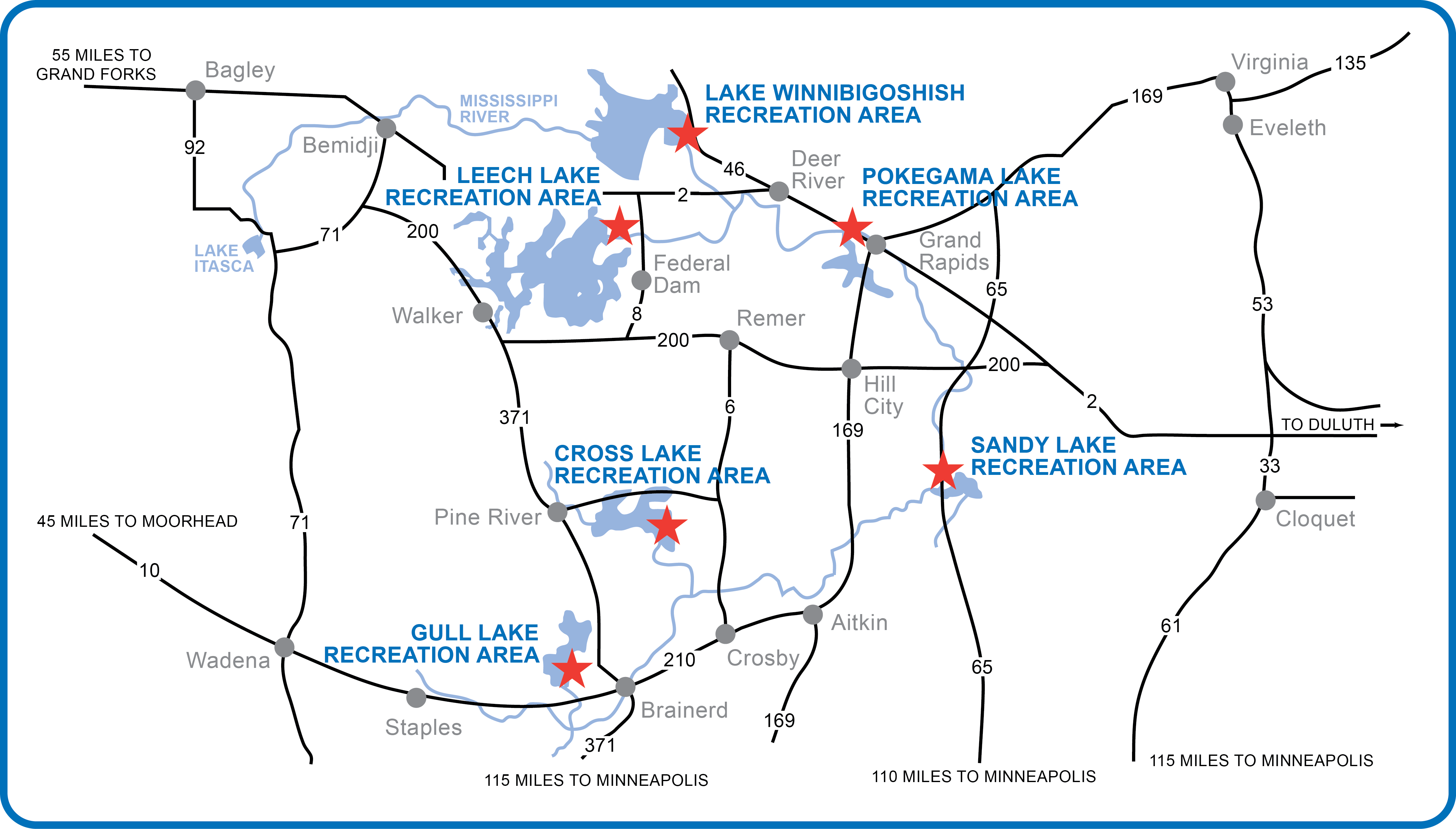
The quest to pinpoint the exact origin of the Mississippi River, one of North America‘s most iconic and vital waterways, is a journey steeped in history, geography, and a profound appreciation for natural landmarks. For centuries, explorers, cartographers, and curious minds have sought the definitive birthplace of this colossal river, which winds its way over 2,300 miles from its modest beginnings to the vast Gulf of Mexico. The answer, a place of serene beauty and surprising simplicity, lies nestled within the heart of Minnesota: Itasca State Park, specifically at Lake Itasca. This site is not merely a geographic coordinate; it is a celebrated natural landmark, embodying the powerful story of a continent’s lifeline.
The Definitive Landmark: Lake Itasca
For a river of the Mississippi’s immense scale and significance, its origin point might be expected to be a roaring waterfall or a dramatic spring. Instead, visitors to Itasca State Park are met with a scene of tranquil beauty: the shallow, clear waters of Lake Itasca. This small glacial lake, spanning approximately 1.8 square miles, is officially recognized as the primary source of the Mississippi River. The experience of standing at the very beginning of such a monumental river offers a unique perspective on the power of nature and the interconnectedness of landscapes.
Unveiling the Source: A Journey of Discovery
The precise identification of Lake Itasca as the Mississippi’s headwaters was not immediate. Indigenous peoples, particularly the Ojibwe and Dakotah tribes, had long known and revered the region, calling the lake “Omashkoozo-zaaga’igan,” or “Elk Lake.” However, for European explorers pushing into the North American interior, the challenge was immense. The dense forests, countless lakes, and intricate network of streams in northern Minnesota made identifying the ultimate source a complex task.
Several expeditions attempted to chart the river’s course, often proposing different lakes or streams as the definitive origin. It wasn’t until 1832 that Henry Schoolcraft, an American geographer and ethnologist, guided by an Ojibwe chief named Ozawindib, definitively reached Lake Itasca and proclaimed it the true headwaters. Schoolcraft’s expedition was meticulously documented, and he is credited with coining the name “Itasca,” a unique derivation from the Latin words “veritas caput” meaning “true head.” This pivotal moment marked the official recognition of this now-famous landmark.
The Symbolic Beginning: Walking Across the Mississippi
One of the most engaging aspects of visiting the headwaters at Lake Itasca is the opportunity to literally walk across the nascent Mississippi River. Here, the river emerges from the lake as a shallow, narrow stream, typically only 18-30 inches deep and about 30 feet wide. A small, natural rock and log dam allows visitors to step directly from one bank to the other, marking a symbolic crossing of the mighty river at its very infancy. This intimate interaction with such a monumental geographic feature is a powerful and memorable experience, highlighting the simplicity of its beginnings before it transforms into the vast waterway that defines a significant portion of the United States. This tactile connection reinforces the landmark status of the site, making it a place of pilgrimage for travelers and history enthusiasts alike.
A Natural Sanctuary: Itasca State Park
The headwaters of the Mississippi River are protected within Itasca State Park, Minnesota’s oldest state park, established in 1891. This designation underscores the profound importance of preserving not just the river’s source, but the entire surrounding ecosystem. The park encompasses over 32,000 acres of pristine wilderness, including old-growth pine forests, diverse wetlands, and numerous other lakes and streams, all contributing to the unique character of this natural landmark.
Ecological Significance and Biodiversity
The ecosystem surrounding Lake Itasca is a vibrant tapestry of biodiversity. The park is home to ancient stands of Norway Pine and White Pine, some towering over 100 feet tall and dating back hundreds of years, offering a glimpse into the region’s primeval forests. These towering trees provide critical habitat for a wide array of wildlife, including white-tailed deer, black bears, timber wolves, and a diverse avian population. The wetlands and waterways within the park also support numerous species of waterfowl, amphibians, and fish.
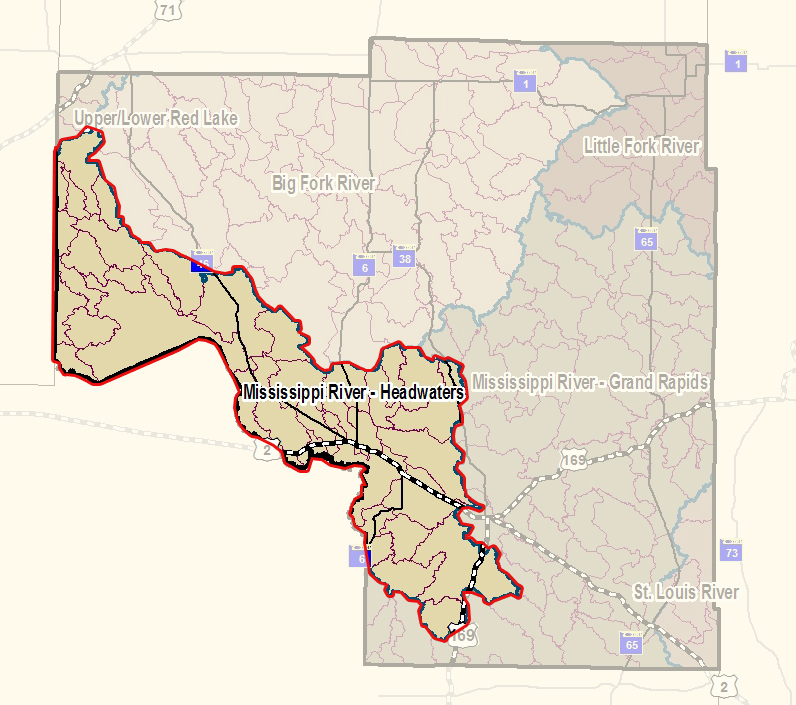
The preservation of this headwaters region is crucial not only for its local ecological balance but also for the health of the entire Mississippi River watershed. The purity of the water flowing out of Lake Itasca sets the stage for the rest of the river’s journey, making the park a vital environmental landmark. Its protected status ensures that future generations can witness the undisturbed origin of this essential North American river.

Beyond the Headwaters: Exploring the Park’s Natural Wonders
While the main draw is undeniably the Mississippi headwaters, Itasca State Park offers much more to explore, enhancing its status as a multifaceted natural landmark. The park features over 49 miles of hiking trails, allowing visitors to delve deeper into the old-growth forests and experience the tranquility of the wilderness. Canoeing and kayaking on Lake Itasca or other smaller lakes within the park offer opportunities to observe wildlife and appreciate the pristine landscape from the water.
The park also houses the Brower Visitor Center, which provides educational exhibits on the river’s history, ecology, and the park’s natural heritage. Scenic drives, such as the 10-mile Wilderness Drive, offer accessible views of the park’s diverse habitats and historical sites. These complementary attractions solidify Itasca State Park as a comprehensive natural landmark, inviting extended exploration and contemplation of its immense ecological and historical value.
The Broader Hydrological Context and Debates
While Lake Itasca is universally accepted as the headwaters of the Mississippi River, the science of hydrology often presents a more nuanced view regarding the ultimate source of a river system. This complexity adds another layer to understanding the headwaters as a landmark, moving beyond simple geography to deeper scientific inquiry.
The “Ultimate” Source: Beyond Lake Itasca?
Hydrologically speaking, the “ultimate” source of a river is often considered the furthest point from its mouth from which water continuously flows. In the case of the Mississippi, this has led to discussions about streams and smaller lakes that feed into Lake Itasca. For instance, Elk Lake, a smaller lake slightly south and west of Lake Itasca, drains into it via the Nicollet Creek. Some early explorers and even modern hydrologists have argued that Elk Lake (or even smaller feeder streams into Elk Lake) could be considered the true hydrological headwaters due to its greater distance from the Gulf.
However, the designation of Lake Itasca as the headwaters is largely a matter of convention, historical precedence, and practical accessibility. Itasca is the largest, most distinct, and most accessible body of water from which the river visibly emerges. Its naming by Henry Schoolcraft and subsequent popular acceptance cemented its status as the landmark source, even if smaller, more distant trickles of water technically contribute to its volume. This highlights how cultural significance and historical exploration often shape our understanding of geographical landmarks as much as strict scientific definitions.
The Legacy of Glacial Lake Agassiz
The entire landscape of northern Minnesota, including Itasca State Park and Lake Itasca, is a direct result of glacial activity. During the last ice age, retreating glaciers left behind a dramatic topography of hills, moraines, and thousands of lakes, including the enormous prehistoric Glacial Lake Agassiz. Lake Itasca itself is a glacial remnant, a basin carved out and filled by melting ice.
Understanding this geological history enriches the appreciation of the headwaters as a landmark. It reveals that the very existence of the Mississippi River at this location is a testament to immense geological forces that shaped the continent over millennia. The gentle outflow from Lake Itasca is thus not just a beginning point but also a continuation of ancient hydrological processes, making it a profound landmark of both natural history and ongoing geological transformation.
The Enduring Allure of a Landmark
The headwaters of the Mississippi River at Lake Itasca continue to captivate visitors from around the globe. It is a place that stirs the imagination, inviting contemplation on the journey of water, the vastness of the American landscape, and the interconnectedness of all natural systems. As a landmark, it offers more than just a geographical fact; it provides an experience that resonates deeply with an appreciation for nature’s quiet power and enduring majesty.
From its humble outflow in Itasca State Park, the Mississippi River embarks on an epic voyage, gathering strength and volume as it flows past major cities like Bemidji, Grand Rapids, Minneapolis, St. Paul, and eventually to the Gulf of Mexico. To stand at its source is to witness the genesis of this colossal journey, making the headwaters an indispensable natural landmark in the story of North America. It is a testament to the power of a single drop of water and the profound impact it can have as it joins billions more to shape a continent.
LifeOutOfTheBox is a participant in the Amazon Services LLC Associates Program, an affiliate advertising program designed to provide a means for sites to earn advertising fees by advertising and linking to Amazon.com. Amazon, the Amazon logo, AmazonSupply, and the AmazonSupply logo are trademarks of Amazon.com, Inc. or its affiliates. As an Amazon Associate we earn affiliate commissions from qualifying purchases.