
While most travelers refer to the largest landmass in the Hawaiian Islands as the Big Island, its official, geographic name is actually Hawaii. To avoid confusion between the name of the state and the name of the specific island, locals and visitors alike adopted the nickname Big Island. This moniker is fitting, as the island is larger than all the other islands in the archipelago combined, spanning over 4,000 square miles of diverse terrain. Located in the heart of the Pacific Ocean, this destination is a microcosm of the world’s environments, featuring everything from tropical rainforests and volcanic deserts to subarctic tundras and sandy beaches.
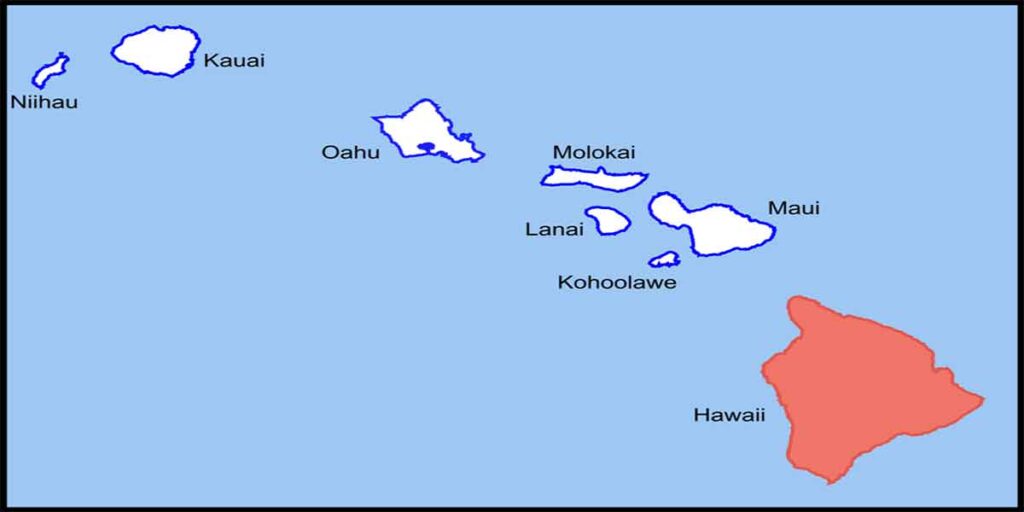
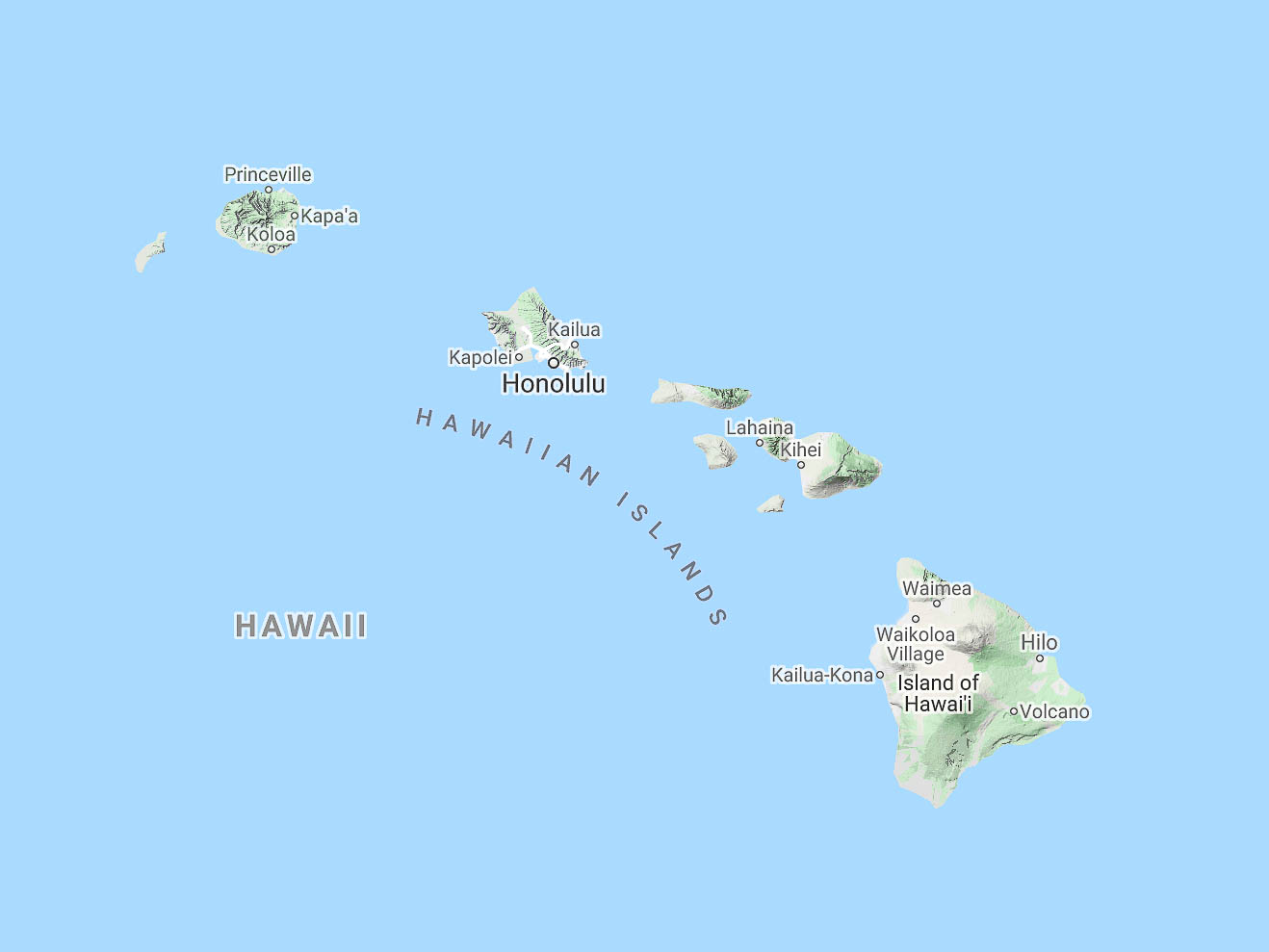
Understanding the nomenclature is the first step in a journey through this vast territory. When you book a flight to this destination, you are often choosing between two primary hubs: Kona on the west or Hilo on the east. Each side of Hawaii Island offers a completely different travel experience, shaped by the towering peaks of Mauna Kea and Mauna Loa. These mountains act as a massive barrier, trapping trade wind moisture on the eastern side and leaving the western coast dry and sun-drenched.
The Sunny West: Coastal Wonders of Kona and Kohala
The western side of the island is the primary gateway for international travelers. Centered around the bustling town of Kailua-Kona, this region is famous for its historic landmarks, world-class snorkeling, and the aromatic coffee farms that cling to the slopes of the mountains.
Exploring Historic Kailua Village
Kailua Village serves as the vibrant heart of the west coast. Walking down Alii Drive, travelers encounter a blend of modern shops and profound historical sites. One cannot miss Hulihee Palace, once a summer vacation home for Hawaiian royalty. Just across the street stands Mokuaikaua Church, the oldest Christian church in the state. This area provides a perfect introduction to how the island’s history shifted from the era of powerful monarchs to the influence of early missionaries.
Snorkeling and Marine Life
For those seeking underwater adventures, Kealakekua Bay is an essential destination. This marine life conservation district is not only home to vibrant coral reefs and pods of spinner dolphins but also marks the site where Captain Cook first landed on the island. Further south, Puuhonua o Honaunau National Historical Park offers an incredible combination of cultural education and coastal beauty. Known as the “Place of Refuge,” this sacred site allowed ancient Hawaiians who broke laws to seek absolution. Today, the surrounding waters are some of the best for spotting sea turtles and tropical fish.
The Luxury of the Kohala Coast
North of Kona lies the Kohala Coast, a region defined by ancient lava flows and some of the most beautiful beaches in the United States. Here, the Hapuna Beach State Recreation Area stands out with its expansive white sands and turquoise waters. Travelers looking for a more manicured experience often visit Waikoloa Village, where resorts like the Hilton Waikoloa Village provide luxury amenities amidst a rugged volcanic landscape. A short trip to Anaehoomalu Bay offers the chance to witness spectacular sunsets over the Pacific Ocean while enjoying a traditional luau.
The Lush East: Hilo and the Hamakua Coast
In stark contrast to the volcanic plains of the west, the eastern side of the Big Island is a testament to the power of rain. Hilo, the island’s largest city, is frequently listed as one of the wettest cities in the country, resulting in a landscape overflowing with waterfalls, botanical gardens, and tropical greenery.
Waterfalls and Botanical Gardens
No trip to Hilo is complete without visiting Rainbow Falls, located within the city limits. This 80-foot waterfall is famous for the rainbows that appear in its mist on sunny mornings. For a more dramatic experience, a short drive north leads to Akaka Falls State Park. A paved loop trail takes visitors through a lush rainforest filled with bamboo groves and wild orchids before revealing the breathtaking 442-foot plunge of Akaka Falls.
The Hamakua Coast, stretching north from Hilo, is an area of deep valleys and sheer sea cliffs. Travelers often stop at the Hawaii Tropical Botanical Garden, a “garden in a valley” that showcases thousands of species of plants from around the globe. The drive itself is a destination, with the Old Mamalahoa Highway offering scenic detours through sleepy plantation towns like Honokaa.
Cultural Roots in Hilo

Hilo maintains a deeply local feel, preserved in its historic downtown wooden storefronts. The Liliuokalani Park and Gardens is the largest authentic ornamental Japanese garden outside of Japan, offering a serene place for a stroll with views of Hilo Bay. Visitors can also explore the Imiloa Astronomy Center, which bridges the gap between Hawaiian culture and the world-class astronomical research being conducted on Mauna Kea.
Volcanic Majesty: Hawaii Volcanoes National Park
The defining feature of Hawaii Island is its volcanic activity. It is the only place in the state where you can witness the earth literally growing. Hawaii Volcanoes National Park is a UNESCO World Heritage Site and the island’s most popular attraction.
The Crater Rim and Beyond
The park is home to Kilauea, one of the most active volcanoes in the world. Travelers can drive along Crater Rim Drive to see the massive Halemaumau Crater. In recent years, the crater has transformed significantly, offering a hauntingly beautiful landscape of steam vents and vast calderas. A walk through the Thurston Lava Tube, or Nahuku, allows visitors to walk through a subterranean cave formed by a river of molten lava centuries ago.
Chain of Craters Road
For those who want to see the intersection of geology and the sea, Chain of Craters Road descends 3,700 feet from the park’s entrance to the coast. Along the way, the road passes numerous pit craters and ancient Hawaiian petroglyphs at Puuloa Petroglyphs. At the end of the road, the Holei Sea Arch stands as a testament to the erosive power of the ocean against the volcanic rock.
The Summit of Mauna Kea
While Kilauea provides the heat, Mauna Kea provides the height. Rising 13,803 feet above sea level (and over 33,000 feet from the ocean floor), this dormant volcano is the highest point in Hawaii. It is a world-renowned site for astronomy. Many travelers visit the Onizuka Center for International Astronomy at the 9,200-foot level for stargazing programs. The view from the summit at sunset is often described as a life-changing experience, as you stand above the clouds in a landscape that looks more like Mars than a tropical island.
The Diverse Extremes: Valleys and Unusual Beaches
The Big Island is famous for its “hidden” spots that require a bit more effort to reach but offer some of the most profound natural beauty in the Pacific.
The Majestic Valleys of the North
At the northern tip of the island lies the Kohala region, where the land drops off into deep, sacred valleys. Waipio Valley, also known as the “Valley of the Kings,” was once the capital of the island and the childhood home of King Kamehameha I. The valley is surrounded by cliffs reaching 2,000 feet, adorned with thin silver threads of waterfalls. For hikers, the Pololu Valley lookout offers a spectacular view of the rugged coastline and a steep trail down to a black sand beach.
Unique Coastal Experiences
Because of its volcanic nature, the island features several beaches with colors that defy expectation. Punaluu Black Sand Beach is perhaps the most famous, where jet-black grains of basalt create a striking backdrop for the green sea turtles that frequently bask on the shore. Even more rare is Papakolea Green Sand Beach, located near South Point. This beach gets its olive-green hue from olivine crystals washed out of a nearby cinder cone. South Point, or Ka Lae, is also the southernmost point of the United States and is believed to be the site where the first Polynesians arrived in the islands.
The Uplands of Waimea
For a change of pace, the town of Waimea (also called Kamuela) offers a glimpse into Hawaii’s cowboy culture. Located in the cool, rolling hills of the interior, this is the home of Parker Ranch, one of the oldest and largest cattle ranches in the country. The green pastures and mist-covered hills feel more like Scotland or Ireland than the tropics, further proving that the Big Island truly has a bit of everything.
Whether you are exploring the volcanic craters of Hawaii Volcanoes National Park, snorkeling in the crystal waters of Kealakekua Bay, or marveling at the heights of Mauna Kea, the island of Hawaii offers a depth of experience that is unmatched. While it might be called the Big Island to keep things simple, its grandeur and diversity are anything but.
LifeOutOfTheBox is a participant in the Amazon Services LLC Associates Program, an affiliate advertising program designed to provide a means for sites to earn advertising fees by advertising and linking to Amazon.com. Amazon, the Amazon logo, AmazonSupply, and the AmazonSupply logo are trademarks of Amazon.com, Inc. or its affiliates. As an Amazon Associate we earn affiliate commissions from qualifying purchases.