
Understanding the weather in Las Vegas, Nevada is paramount for any visitor planning their itinerary, whether it’s for a weekend getaway, a business conference, or an extended stay. The desert climate of Las Vegas presents distinct seasonal patterns that can significantly influence your experience, from the comfort of outdoor activities to the necessity of packing appropriate attire. This guide delves into the typical weather conditions and provides insights for navigating the Nevada heat or chill.
Understanding the Las Vegas Climate
Las Vegas is situated in the Mojave Desert, a semi-arid region characterized by hot summers, mild winters, and a significant diurnal temperature range (the difference between daytime highs and nighttime lows). The city experiences a high number of sunny days throughout the year, making it a popular destination for those seeking sunshine. However, this desert environment also means that precipitation is scarce, and humidity levels are generally very low. Understanding these fundamental characteristics is the first step in preparing for your visit.
Seasonal Temperature Variations
The most striking aspect of the Las Vegas climate is its pronounced seasonal temperature shifts.
Summer (June – August)
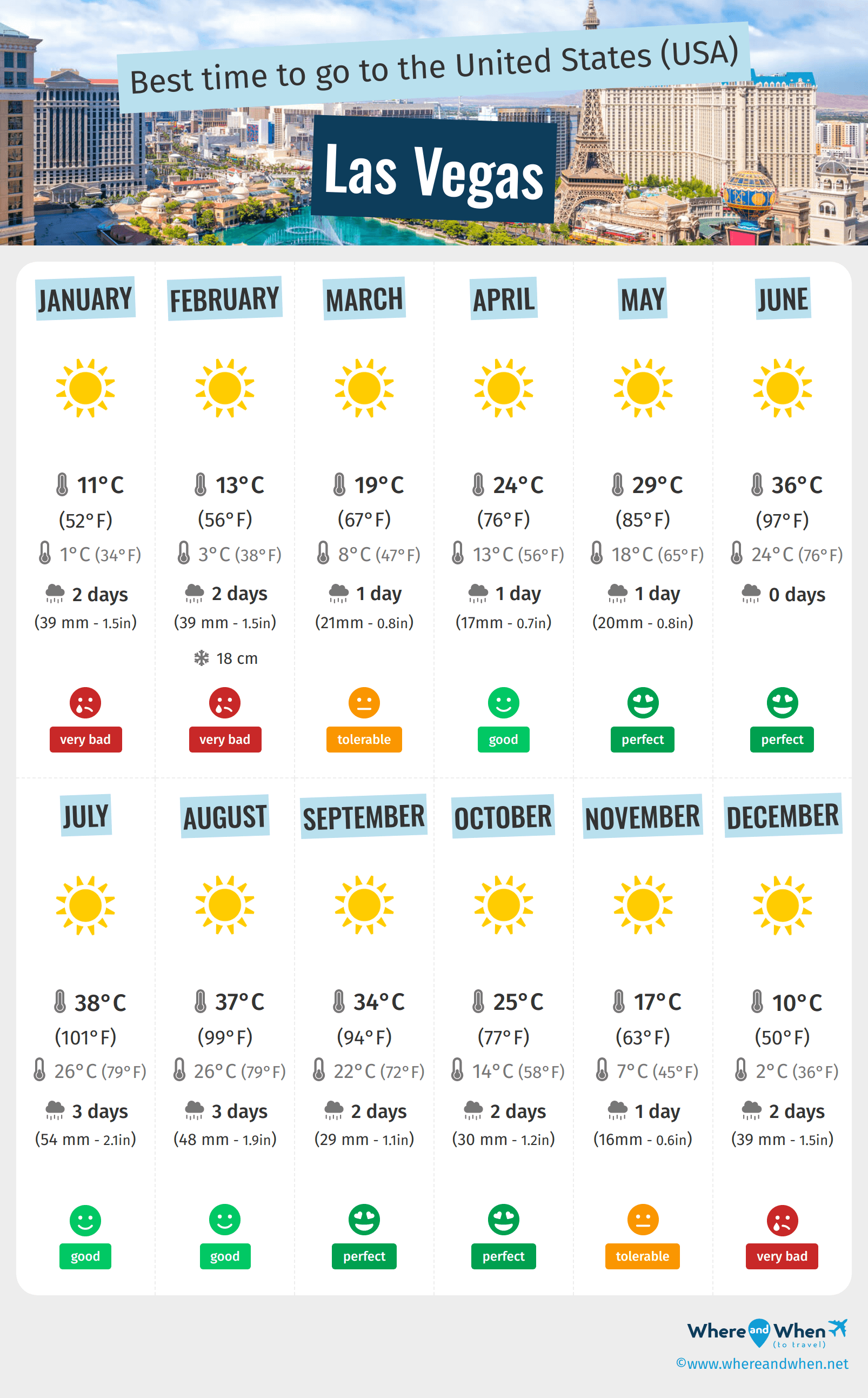
Summers in Las Vegas are notoriously hot. Daytime temperatures frequently soar into the triple digits (Fahrenheit), with average highs often reaching 100°F (38°C) and sometimes exceeding 110°F (43°C). Evenings offer little respite, with temperatures often remaining in the 80s and 90s (°F). The intense sun and dry air can be dehydrating, necessitating constant hydration and limiting outdoor activities during peak sun hours. This is when pools and air-conditioned attractions become indispensable.
Autumn (September – November)
As summer begins to wane, autumn offers a welcome change. September can still be quite warm, but temperatures gradually cool down throughout October and November. Daytime highs in October typically range from the 70s to low 80s (°F), while November sees averages in the 60s (°F). Evenings become noticeably cooler, often dropping into the 40s and 50s (°F). This season is often considered ideal for exploring outdoor attractions like the Red Rock Canyon National Conservation Area or enjoying a round of golf.
Winter (December – February)
Las Vegas winters are mild compared to many other parts of the United States. Daytime temperatures are generally pleasant, averaging in the 50s (°F) and occasionally reaching into the 60s (°F). However, nights can be cold, with temperatures frequently dropping into the 30s and 40s (°F). Frost is not uncommon, and while snow is a rare occurrence, it can happen. The low humidity makes the cold feel less biting than in more humid climates.
Spring (March – May)
Spring in Las Vegas is characterized by a refreshing transition. March can still have cool days, but temperatures quickly warm up. April and May are typically warm and sunny, with average highs ranging from the 70s to the 80s (°F). Similar to autumn, evenings become cooler but are generally comfortable. This season is excellent for enjoying the city’s extensive outdoor entertainment options and exploring the surrounding natural landscapes.
Precipitation and Humidity
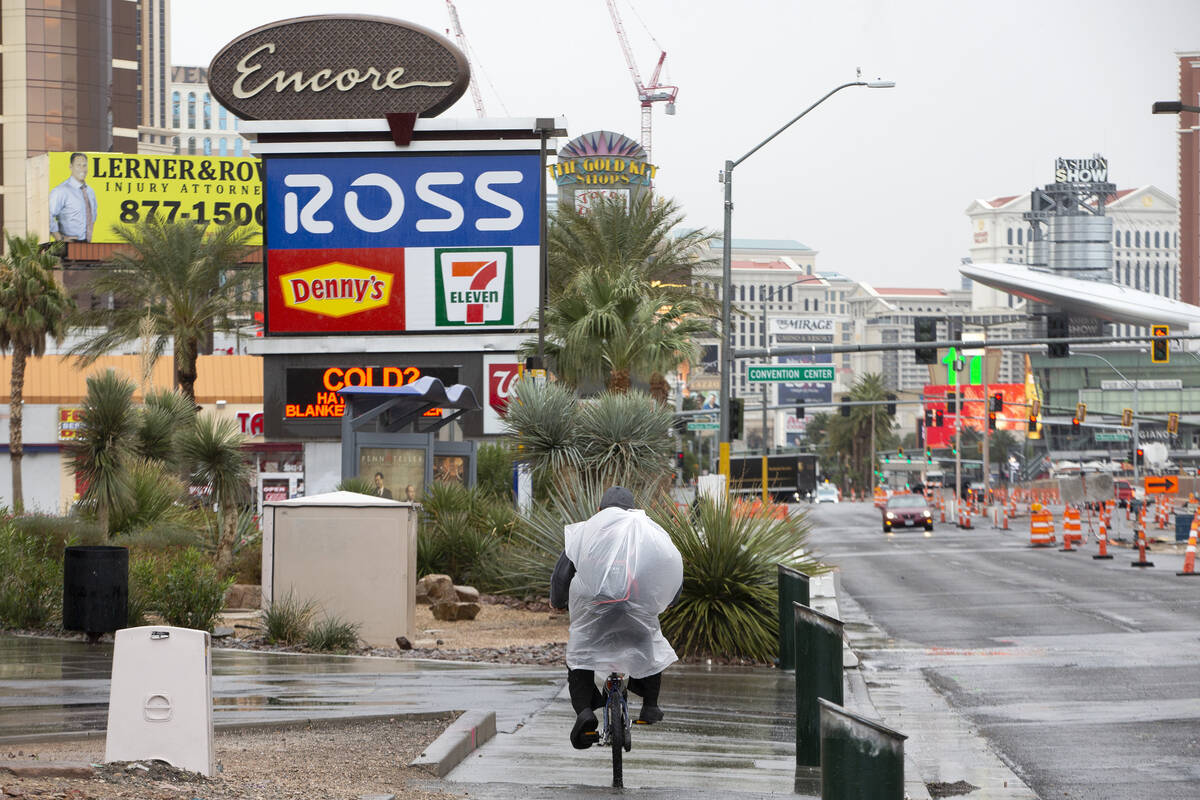
The defining characteristic of the Las Vegas climate is its aridity. The annual rainfall is very low, typically less than five inches. Most of this precipitation occurs during the winter months, often in the form of light rain, though thunderstorms can happen, especially in late summer and early autumn during the “monsoon season.” These storms can bring sudden downpours and flash floods, a serious hazard in the desert. Humidity levels are consistently low, often below 20%, contributing to the rapid evaporation of sweat and the dry air that can affect skin and respiratory systems.
Preparing for Your Visit: Packing and Planning
Given the desert climate, proper preparation is key to a comfortable and enjoyable trip to Las Vegas.
What to Pack
The contents of your suitcase will largely depend on the season of your visit.
Summer Essentials
- Lightweight, breathable clothing: Cotton, linen, and moisture-wicking fabrics are your best friends. Think shorts, t-shirts, sundresses, and light trousers.
- Sun protection: A wide-brimmed hat, sunglasses, and high-SPF sunscreen are non-negotiable.
- Comfortable walking shoes: You’ll likely be doing a lot of walking, both indoors and out.
- Swimwear: Essential for enjoying the numerous hotel pools.
- Hydration accessories: A reusable water bottle can be a lifesaver.
- Light jacket or shawl: For air-conditioned interiors, which can be quite cool.
Spring, Summer, and Fall Considerations
These transitional seasons offer more flexibility, but layering is always a good strategy.

- Tops: T-shirts, long-sleeved shirts, and light sweaters.
- Bottoms: Jeans, casual trousers, skirts, and shorts.
- Outerwear: A light jacket or cardigan for cooler evenings.
- Comfortable footwear: Suitable for walking and exploring.
Winter Necessities
- Warmer layers: Sweaters, fleece jackets, and long-sleeved shirts.
- A warm coat: Essential for evenings and early mornings.
- Long pants: Jeans or warmer trousers.
- Closed-toe shoes: To keep your feet warm.
- Scarf and gloves: For added comfort during colder periods.
- Moisturizer and lip balm: The dry air can be harsh on skin.
Planning Outdoor Activities
The weather significantly impacts the feasibility and enjoyment of outdoor activities.
Daytime Exploration
During the summer months, daytime excursions to attractions like the Hoover Dam or the Grand Canyon (a day trip from Vegas) should be planned for early morning or late afternoon. Many visitors opt for shaded tours or take advantage of air-conditioned transportation. In cooler months, daytime exploring is much more comfortable, allowing for longer hikes in Red Rock Canyon or leisurely strolls along the Las Vegas Strip.
Evening Entertainment
Evenings in Las Vegas are often more pleasant than the daytime heat, especially during spring, summer, and autumn. Outdoor shows, dining experiences on patios, and walks along the illuminated Strip are popular. However, even on warm summer nights, the temperature can remain high, so light clothing is still advisable. In winter, a jacket is definitely recommended for evening activities.
Weather-Related Considerations for Specific Attractions
The unique environment of Las Vegas means certain attractions are best enjoyed under specific weather conditions.
Desert Excursions
- Red Rock Canyon National Conservation Area: This stunning natural wonder is best visited during the cooler months of spring and autumn. Summer visits require extreme caution due to the heat, with early morning hikes being the safest option. Always carry ample water and inform someone of your hiking plans.
- Valley of Fire State Park: Similar to Red Rock Canyon, Valley of Fire experiences extreme summer heat. Spring and fall offer ideal temperatures for exploring the vibrant red rock formations.
- Grand Canyon Day Trips: While the Grand Canyon can be visited year-round, weather conditions vary significantly by elevation and season. Summer can be hot at the rim, while winter can bring snow and ice. Spring and fall generally offer the most pleasant conditions for sightseeing.
The Las Vegas Strip and Indoor Attractions
- Las Vegas Strip: The famous boulevard is a destination in itself, with its dazzling casinos, world-class restaurants, and entertainment venues. Walking the Strip is possible year-round, but comfort levels vary greatly. During extreme heat, visitors often utilize the air-conditioned tram systems or transition between resorts via elevated walkways or taxi services.
- Indoor Entertainment: The vast majority of Las Vegas attractions, including shows, museums, shopping malls like the Forum Shops at Caesars, and dining establishments, are indoors and climate-controlled. This makes Las Vegas a resilient destination, capable of offering a full experience regardless of the outdoor temperature.
Pool and Water Activities
The iconic swimming pools of Las Vegas resorts are a primary draw, especially during the hot summer months. Many pools are heated to comfortable temperatures year-round, though their operation might be more limited during the colder winter days. Resorts like Bellagio with its famous fountains and The Venetian with its gondola rides are designed to be enjoyed irrespective of extreme temperatures, with indoor options and shaded areas.
Staying Informed: Real-Time Weather Updates
While understanding the typical climate is crucial for planning, staying informed about the real-time weather in Las Vegas, Nevada is essential for making immediate adjustments to your plans.
Reliable Weather Sources
Numerous resources can provide current weather conditions and forecasts for Las Vegas. Local news channels, national weather services like the National Weather Service (NWS), and reputable weather apps on your smartphone are excellent tools. Checking the forecast a few days before your trip and again upon arrival will ensure you are well-prepared for any unexpected shifts.
Monitoring for Extreme Conditions
Given the desert environment, it’s particularly important to monitor for extreme weather events. Heat advisories are common during the summer, warning of dangerous temperatures that can lead to heatstroke and dehydration. Flash flood watches and warnings are issued when heavy rainfall is expected, particularly in washes and low-lying areas that can become hazardous very quickly. Staying aware of these alerts can help you avoid dangerous situations and ensure your safety.
By understanding the nuances of the Las Vegas climate and staying informed about real-time conditions, visitors can maximize their enjoyment of this dynamic desert oasis, whether they are seeking thrilling adventures, relaxing poolside, or exploring the vibrant city life.
LifeOutOfTheBox is a participant in the Amazon Services LLC Associates Program, an affiliate advertising program designed to provide a means for sites to earn advertising fees by advertising and linking to Amazon.com. Amazon, the Amazon logo, AmazonSupply, and the AmazonSupply logo are trademarks of Amazon.com, Inc. or its affiliates. As an Amazon Associate we earn affiliate commissions from qualifying purchases.